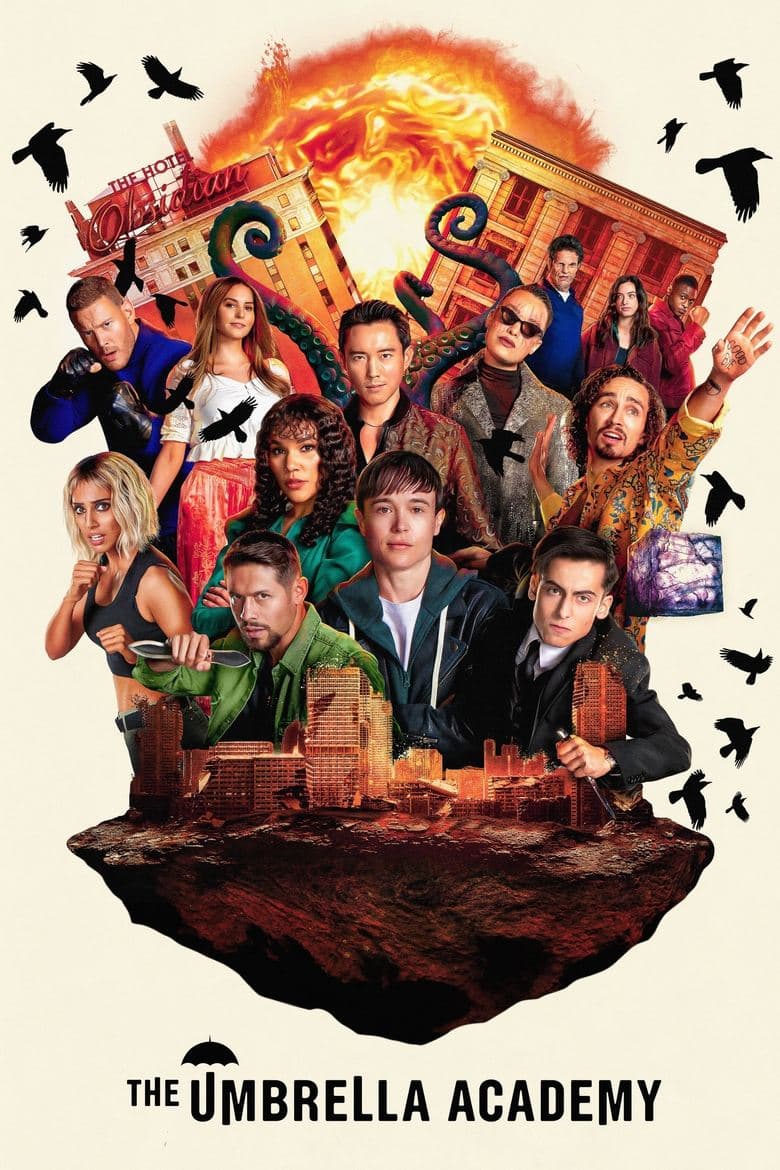
Started February 15, 2019 · Ended · Based on 4 seasons, 36 episodes through August 8, 2024 · TV-MA
The Umbrella Academy is a show about seven adopted siblings with superpowers who reunite to stop the world from ending. The family must deal with time travel, personal trauma, and world-ending disasters across multiple eras. Social-justice and identity themes are highly visible and play a major role in the plot. These elements include a main character who is pansexual and another who transitions from female to male, alongside major stories about historical racism.
Community feedback
Was our 97% Woke rating accurate?
Breakdown
These are the editorial factors and ratings behind our score for The Umbrella Academy.
Woke representation / casting
The show features a highly diverse cast, including several prominent characters whose races were changed from the original comics. The series places a massive focus on LGBTQ+ representation. Klaus is a very visible gender-fluid character who loves men. Viktor is played by trans actor Elliot Page, and his real-life transition was written directly into the main story in Season 3. These major casting and character choices are highly visible and are treated as very important by the creators.
85%
Woke political dialogue
The characters often use modern terms to talk about social issues. In Season 2, many conversations focus on racism, inequality, and the struggles of the civil rights movement. In Season 3, the show pauses the action for several scenes where characters talk about gender identity, pronouns, and the importance of accepting someone who transitions. These speeches feel very modern and are designed to teach the audience about these topics.
65%
Identity-driven story themes
Personal identity and social-justice issues are major parts of the plot. Klaus’s romance with another man is a key emotional storyline that spans multiple seasons. Viktor's transition from female to male is treated as a major victory, with his siblings immediately accepting him and throwing him a party. Allison's entire plot in Season 2 is about fighting historical racism. These identity struggles are core to the main narrative.
88%
Western institutional / cultural critique
The show is highly critical of traditional social norms. The traditional nuclear family is shown as a bad, toxic thing that causes deep emotional scars. Stronger male characters like Luther and Diego are often made to look silly, weak, or incompetent next to their female or queer siblings. Additionally, the show paints historical American institutions, like the police and the government in the 1960s, as deeply racist and corrupt.
70%
Woke character or canon changes
The TV show makes huge changes to the original comic books to add modern social themes. In the comics, Allison is white and Vanya remains a woman. The show changed Allison’s race to focus on racial issues. More importantly, the writers completely changed the canon by turning Vanya into Viktor in Season 3 to match the actor's real-life transition. Klaus's queer identity is also much more prominent than in the source material.
80%
Anti-woke backlash and complaints
Many viewers and online critics complained that the show became too woke in its later seasons. Critics argued that Viktor's transition was forced into the script to please activists and that it hurt the flow of the sci-fi plot. Others felt that the family’s perfect, modern reaction to Viktor's transition was unrealistic for a group of highly toxic characters. Many fans were also unhappy with the changes made to the original comics.
75%
Creator track record context
The key creative leaders have a strong history of supporting progressive causes. Comic creator Gerard Way (Woke score 80/100) is a vocal advocate for trans rights. Showrunner Steve Blackman (Woke score 64/100) worked with activists to rewrite the show to include a trans character. Writers like Lauren Schmidt Hissrich (Woke score 57/100) and Jeremy Slater (Woke score 48/100) are known for pushing for diverse and queer characters in their work.
66%
Production
TV Show · 2022
Navy SEAL Commander James Reece turns to vengeance as he investigates the mysterious forces behind the murder of his entire platoon.
TV Show · 2017
Daredevil, Jessica Jones, Luke Cage and Iron Fist join forces to take on common enemies as a sinister conspiracy threatens New York City.
TV Show · 2023
After washing ashore in France, Daryl struggles to piece together how he got there and why, as he navigates a fractured, walker-infested landscape to find his way home.
TV Show · 2026
A century before the events of Game of Thrones, two unlikely heroes wandered Westeros: a young, naive but courageous knight, Ser Duncan the Tall, and his diminutive squire, Egg.
TV Show · 2022
A high school becomes ground zero for a zombie virus outbreak. Trapped students must fight their way out — or turn into one of the rabid infected.
TV Show · 2023
After the party of heroes defeated the Demon King, they restored peace to the land and returned to lives of solitude.
TV Show · 2023
Maggie and Negan travel to post-apocalyptic Manhattan - long ago cut off from the mainland. The crumbling city is filled with the dead and denizens who have made it a world full…
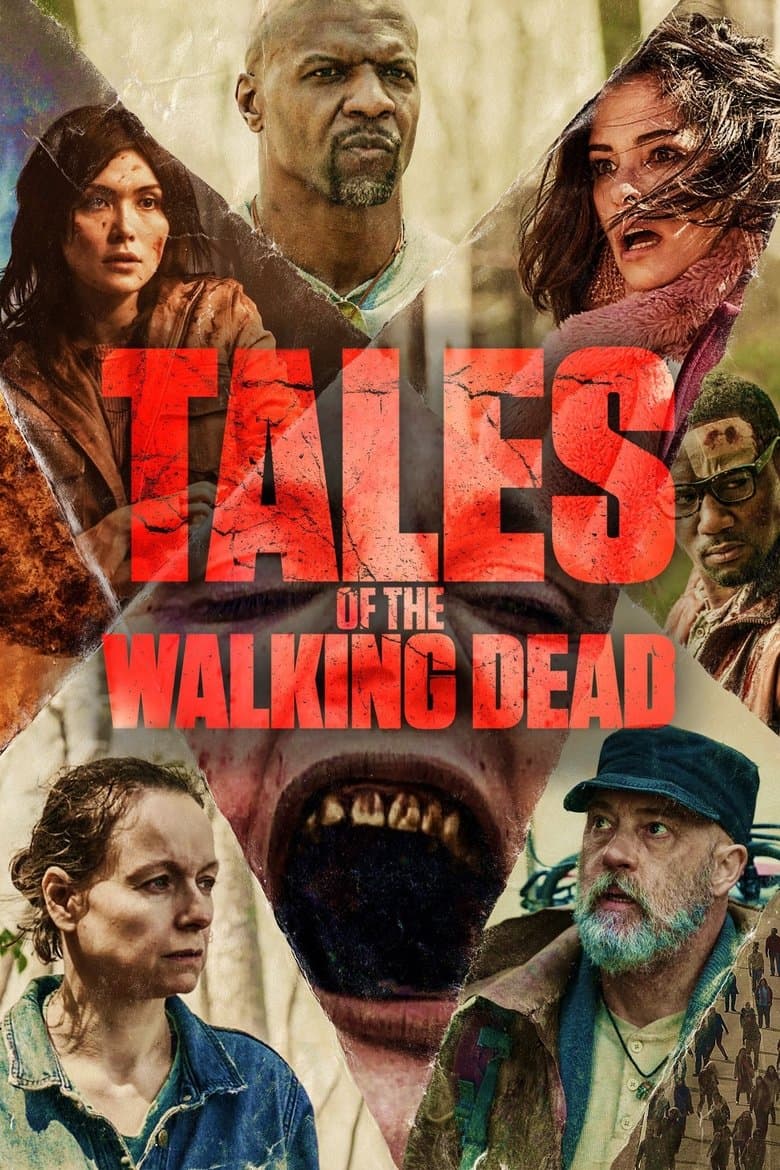
TV Show · 2022
An episodic anthology series focused on both new and established characters set in the world of "The Walking Dead."
