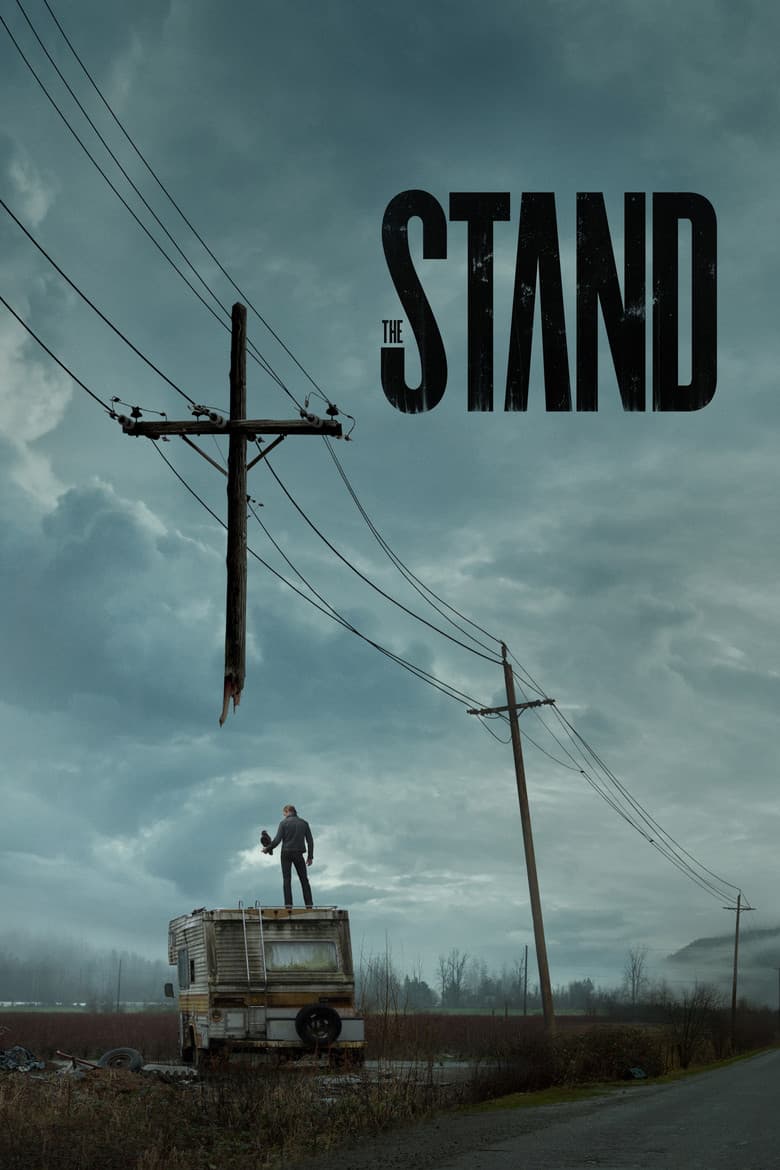
Started December 17, 2020 · Ended · Based on 1 season, 9 episodes through February 11, 2021 · TV-MA
This post-apocalyptic television series follows survivors of a deadly plague who split into two groups, one representing good and the other representing evil, before a final battle. While the core plot remains a classic struggle between light and dark forces, the show modernizes several aspects of the story. Viewers will notice multiple characters being race-swapped and gender-swapped to fit modern diversity ideals. Additionally, the show includes bisexual character elements and a wild, modern atmosphere in Las Vegas.
Community feedback
Was our 78% Woke rating accurate?
Breakdown
These are the editorial factors and ratings behind our score for The Stand.
Woke representation / casting
The series features significant demographic modernization. Larry Underwood is race-swapped to a black actor, Ralph Brentner is gender-swapped to a native American woman named Ray, and both Rat Man and Judge Farris are gender-swapped. Additionally, the character of Dayna Jurgens is bisexual, adding a confirmed LGBTQ+ element, which elevates the representation factor. Viewers easily notice this high-profile push for diverse representation.
68%
Woke political dialogue
The series mostly avoids heavy activist jargon or real-world political lectures, focusing on the core supernatural struggle between good and evil. Dialogue remains relatively faithful to generic survival and post-apocalyptic themes, with only minor modern updates that do not feel overly preachy.
5%
Identity-driven story themes
The overarching plot centers on a traditional, biblical-style battle of good versus evil and lacks a strong focus on identity politics. However, the story incorporates some confirmed LGBTQ+ elements, such as Dayna Jurgens' bisexuality and the queer-coded, debauched atmosphere of Las Vegas. These elements elevate the thematic score, even though the main narrative does not revolve around social-justice activism.
35%
Western institutional / cultural critique
The series downplays the strong Christian themes of the original book, reducing Mother Abagail's deep religious connection with God to a more generalized spiritual grandmother role. It also modernizes the antagonist Harold Lauder to resemble a modern online "incel" archetype, framing his entitlement through a lens of toxic masculinity. However, it avoids a direct systemic critique of core Western institutions.
33%
Woke character or canon changes
Multiple established characters from Stephen King's beloved novel were significantly altered for identity representation. This includes race-swapping Larry Underwood from white to black, gender-swapping Ralph Brentner into a native American woman named Ray, and gender-swapping both the sinister Rat Man and Judge Farris. These identity-driven deviations from the established canon are prominent and highly noticeable to fans of the original story.
75%
Anti-woke backlash and complaints
A noticeable segment of the audience criticized the adaptation for pushing a modern political agenda. Online reviews and social media discussions accused the series of running through a "woke bingo card" by making multiple unnecessary race and gender swaps. Fans of the book voiced frustration that these demographic changes felt like artificial checkboxes rather than meaningful additions to the narrative.
52%
Creator track record context
The key creators (Benjamin Cavell and Josh Boone) have very low individual scores with no history of progressive activism. Original author Stephen King has a moderate score of 31 due to his vocal liberal politics online, though his stories generally avoid identity-first themes. The rest of the production team is a mix of low-scoring industry veterans and a few diverse directors, resulting in a low to moderate overall creative baseline.
25%
Production
TV Show · 2022
The intricate and magical love story of Clare and Henry, and a marriage with a problem… time travel.
TV Show · 2022
Irene and Franklin York, a retired couple, have a secret: a Chamber buried in their backyard that miraculously leads to a strange, deserted planet.
TV Show · 2024
Rick and Michonne are thrown into another world, built on a war against the dead... And ultimately, a war against the living.
TV Show · 2018
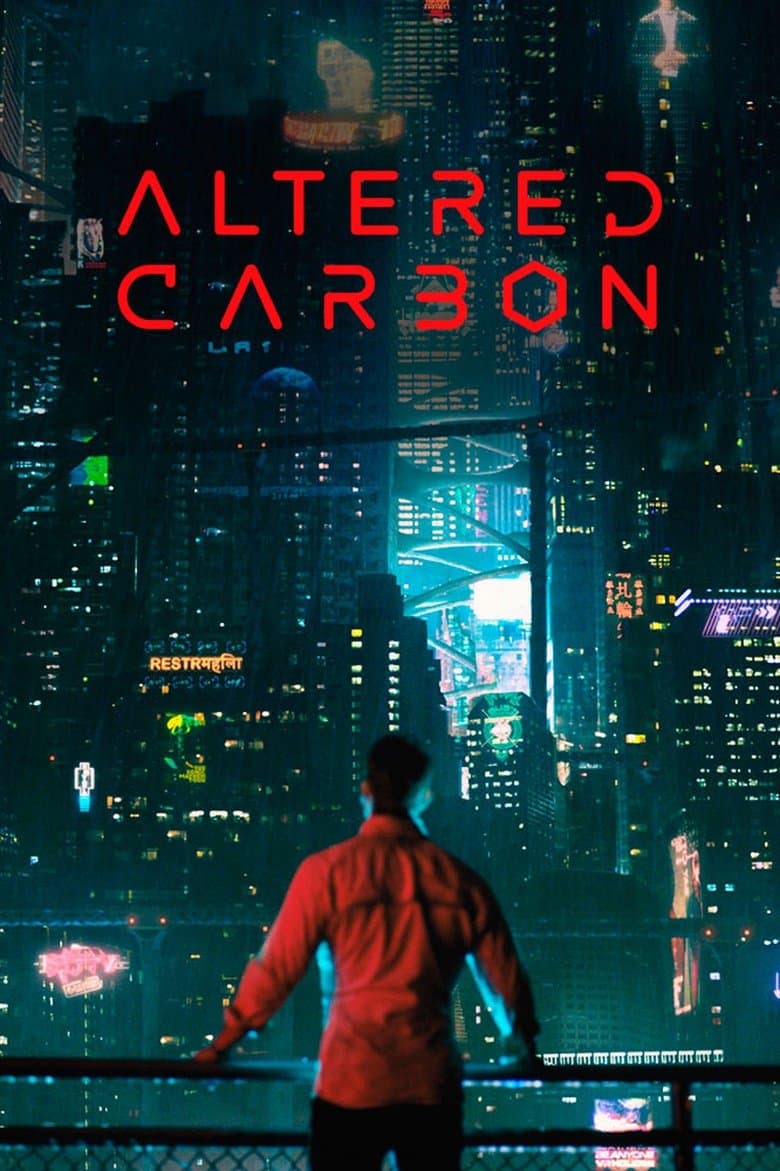
After 250 years on ice, a prisoner returns to life in a new body with one chance to win his freedom: by solving a mind-bending murder.
TV Show · 2017
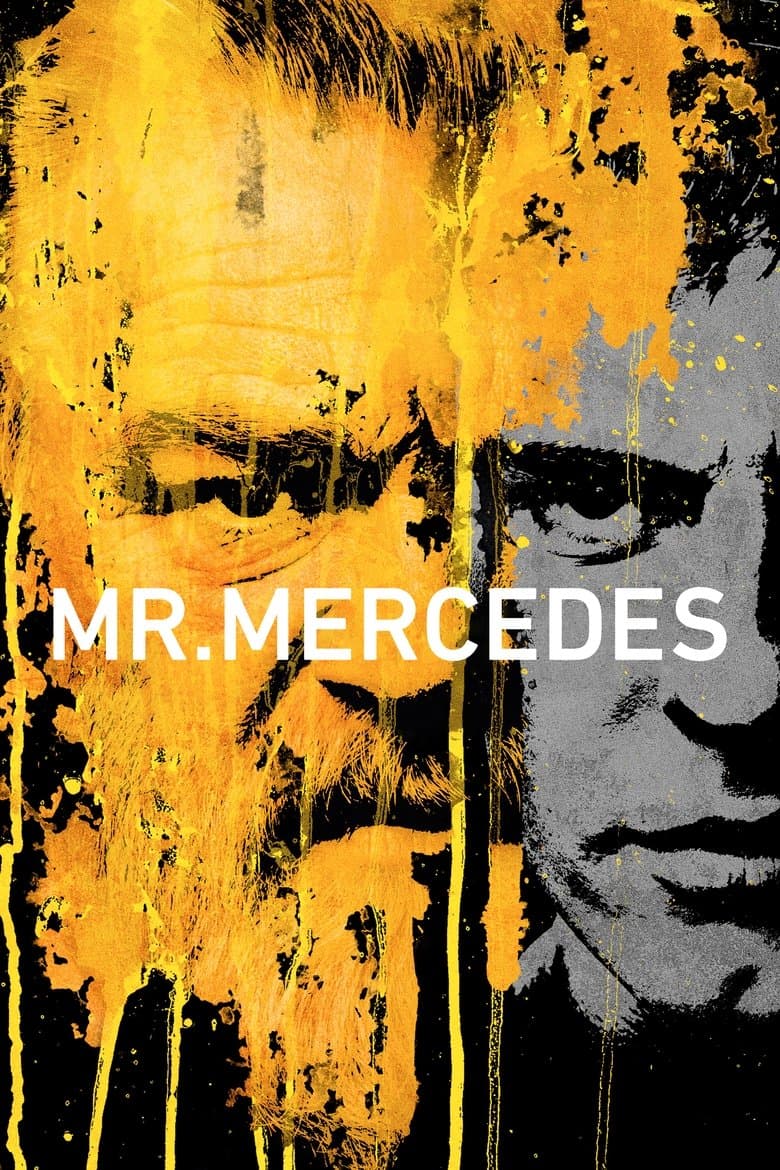
A demented serial killer taunts a retired police detective with a series of lurid letters and emails, forcing the ex-cop to undertake a private, and potentially felonious, crusade…
TV Show · 2020
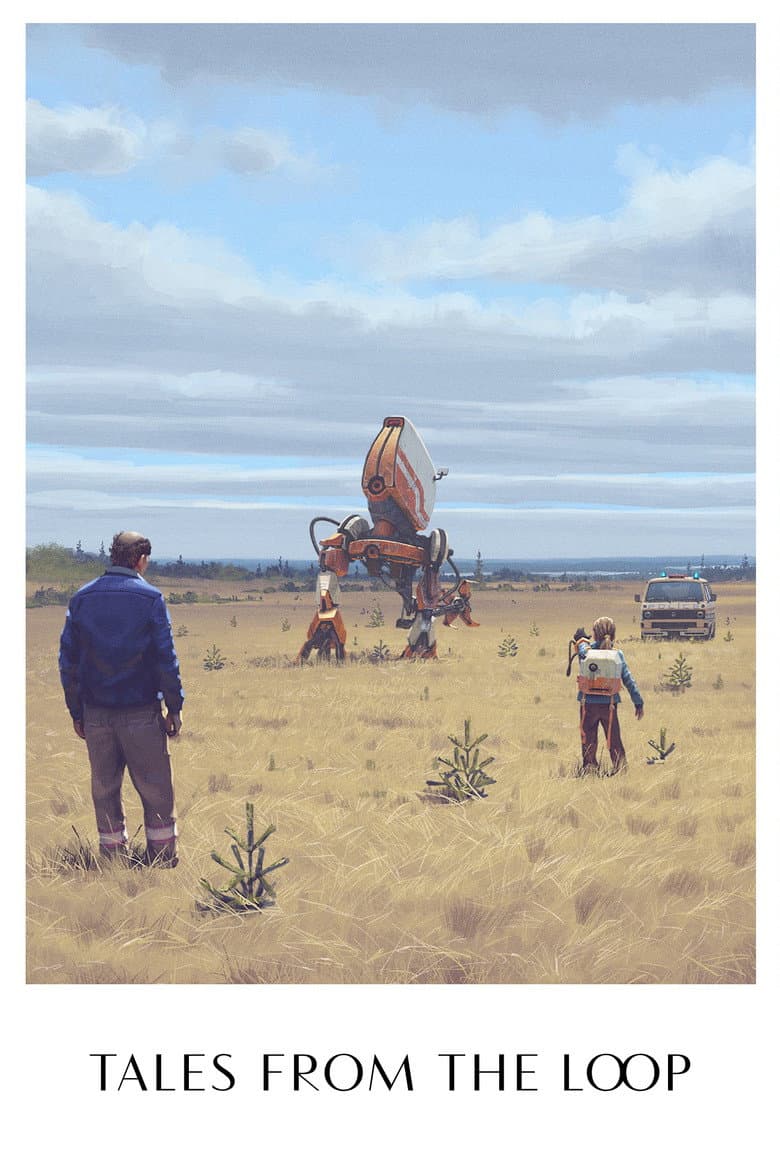
The story of the town and people who live above “The Loop,” a machine built to unlock and explore the mysteries of the universe – making things possible that were previously…
TV Show · 2018
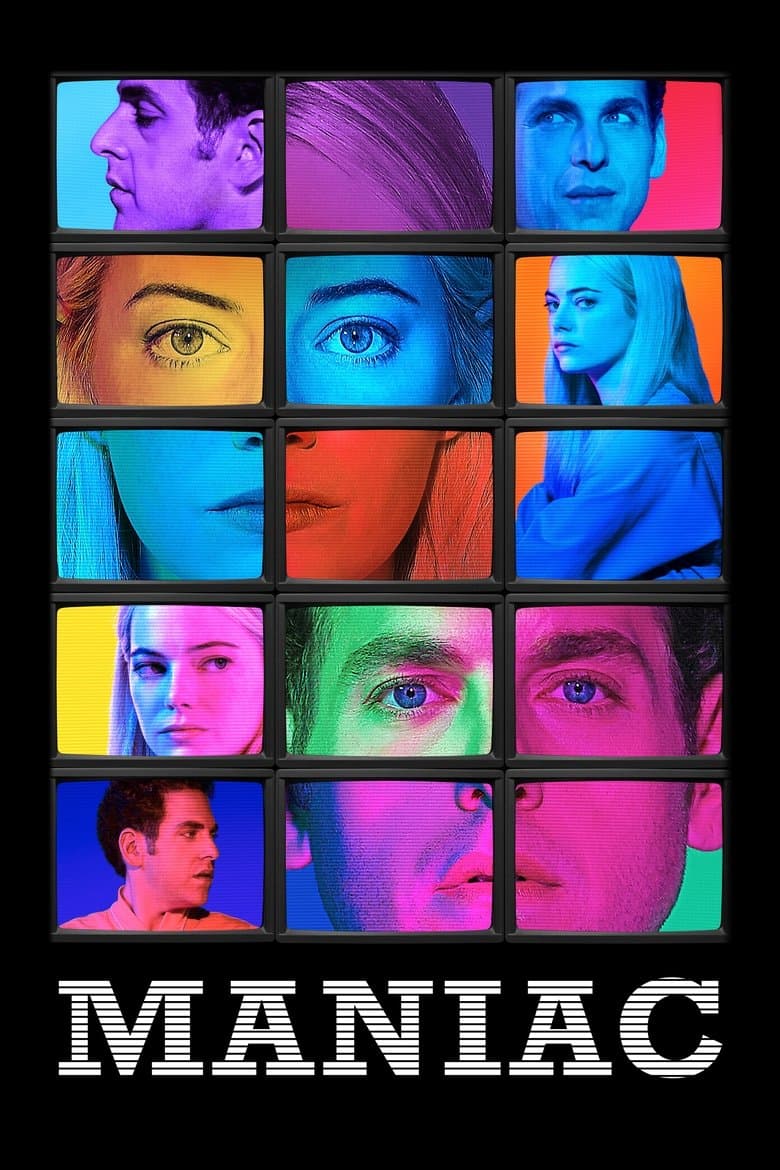
Two strangers are drawn to a mysterious pharmaceutical trial that will, they're assured, with no complications or side-effects whatsoever, solve all of their problems…
TV Show · 2021
Interconnected phone conversations chronicle the mysterious story of a group of strangers whose lives are thrown into disarray in the lead-up to an apocalyptic event.
