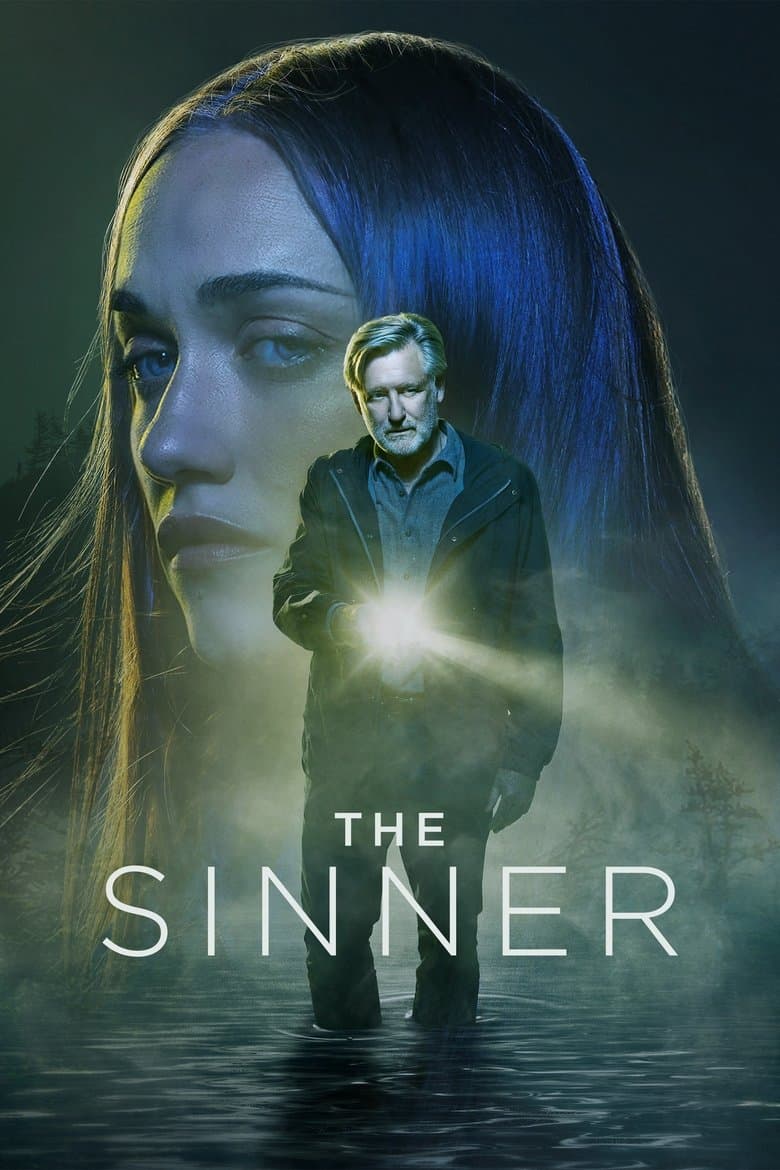
Started August 2, 2017 · Ended · Based on 4 seasons, 32 episodes through December 1, 2021 · TV-MA
Detective Harry Ambrose solves cases where the crime is clear but the reasons stay hidden. He digs into trauma, secrets, and the minds of people who seem unlikely to kill. Season 1 follows a beach stabbing based on a novel. Seasons 2 through 4 tell original stories about a cult, male pressure and control, and family secrets on a Maine island. The show runs on crime, memory, and empathy more than on one political message.
Viewers still see clear identity and culture themes across the seasons. A Black detective and a black biracial lesbian detective take major roles, and an Asian immigrant family sits at the center of a later conflict. Season 1 ties violence to a harsh Catholic home and sexual shame. Season 2 makes a lesbian history and first love important to the case. Season 3 looks hard at how men are told to act and includes a gay teen and a same-sex kiss. Season 4 frames outsider racism in a fishing feud. These layers show up on screen but do not replace the mystery premise.
Community feedback
Was our 50% Woke rating accurate?
Breakdown
These are the editorial factors and ratings behind our score for The Sinner.
Woke representation / casting
Many leads are white in small-town settings that do not require heavy diversity packaging. Still, identity shows up in major co-leads across seasons, including Black detectives, an interracial marriage, a Latino detective, and an Asian immigrant family. Heather’s race, gender, and sexuality are written as real pressure in a mostly uniform town. That pattern is clear to viewers without turning every season into full checklist casting.
42%
Woke political dialogue
The show does not fill scenes with long activist speeches or slogan talk. Most dialogue serves the mystery and the characters’ minds. Some lines touch identity, such as small-town friction around Heather, slurs in Season 3, and racial hostility around the Lams. Those moments are real but short and secondary to the plot.
18%
Identity-driven story themes
The main engine is still trauma and crime psychology. Across seasons, attentive viewers still see Catholic shame and abuse, a central lesbian arc, masculinity and male bonds with queer content, and racial outsider conflict. LGBTQ material is recurring and confirmed, which lifts this score. Crime and trauma still own the premise, so the score stays mid-band rather than high.
50%
Western institutional / cultural critique
The show repeatedly frames traditional religion and masculinity as sources of harm. Season 1 treats Catholicism as punitive and tied to sexual trauma. Season 3 explores how men are supposed to behave, emotional repression, and toxic male control. Small-town conformity and patriarchal family control also return. This is thematic, not campaign speech, but faith and gender norms are often shown as damaging.
45%
Woke character or canon changes
Season 1 follows the novel’s mix of sexuality, abuse, and religion instead of inventing identity swaps of known icons. Seasons 2 through 4 are original anthology stories, so canon rewrite barely applies. There are no race or gender swaps of established franchise characters. The score stays near the floor for ordinary adaptation and original work.
5%
Anti-woke backlash and complaints
Not present. There was no lasting right-leaning campaign that treated the show as DEI propaganda or race-swap bait. Coverage focused on prestige thriller praise and awards attention for Season 1. Queer press praised Heather, and moral panic about Season 1 sexual content is not the same as anti-woke backlash. Search evidence for anti-woke backlash on this title is effectively empty.
0%
Creator track record context
Cached scores point mainly to showrunner Derek Simonds at a mild level focused on empathy and masculinity, not activism. Episodic directors range from low scores to higher pulls from Cherien Dabis and Monica Raymund. Writers and producers mostly sit in low ranges. The weighted mix is a mild creator signal overall.
24%
Production

TV Show · 2017
A financial adviser drags his family from Chicago to the Missouri Ozarks, where he must launder $500 million in five years to appease a drug boss.
TV Show · 2017
Covert operative Tom Keen joins forces with Susan "Scottie" Hargrave, the brilliant and cunning chief of a covert mercenary organization that solves problems that are too…
TV Show · 2021
When family man Nick Brewer is abducted in a crime with a sinister online twist, those closest to him race to uncover who is behind it and why.
TV Show · 2019
Erica Shepherd is a brilliant former CIA operative, now known as the most notorious traitor in American history serving life in a Supermax prison.
TV Show · 2021
In a small Michigan town where the business of incarceration is the only thriving industry, the McClusky family are the power brokers between the police, criminals, inmates…
TV Show · 2020
New Orleans judge Michael Desiato is forced to confront his own deepest convictions when his son is involved in a hit and run that embroils an organized crime family.
TV Show · 2018
A writer gets caught up in a murder investigation involving his mentor, an esteemed American author. Based on the book of the same name, by Joël Dicker.
TV Show · 2019
Gypsy Blanchard struggles to deal with the toxic relationship with her overprotective mother, but her attempts to free herself lead to murder.
