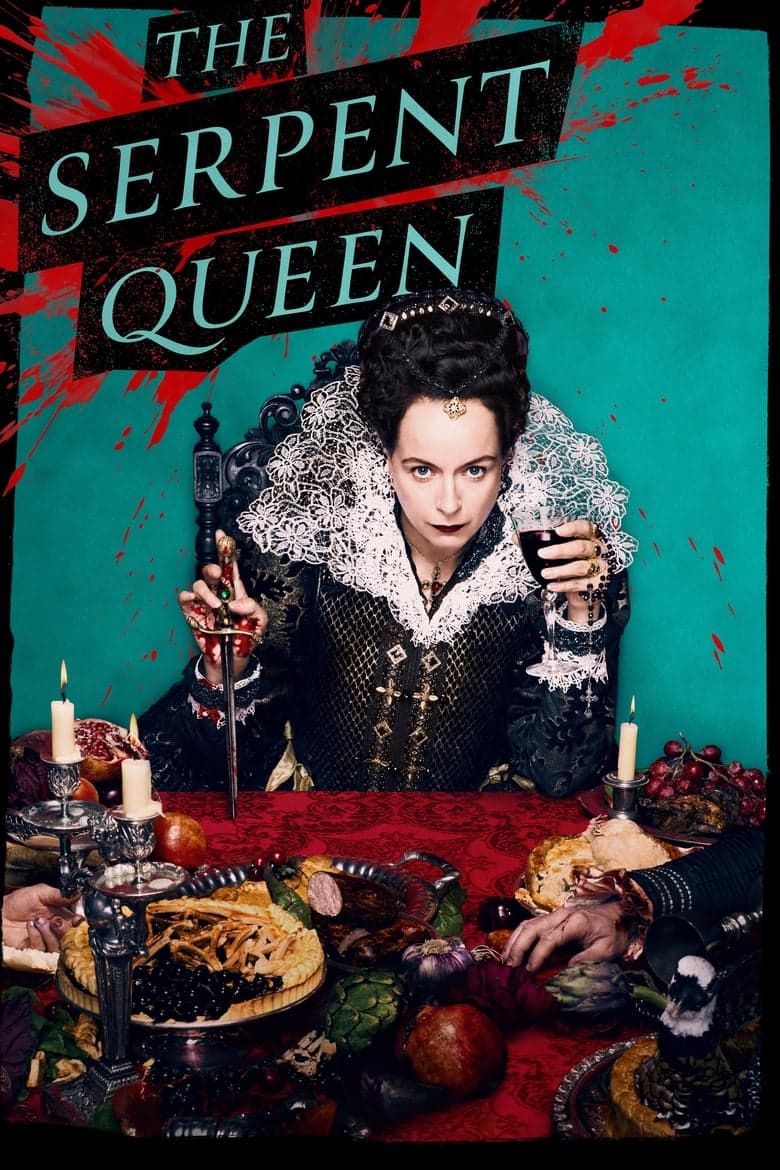
Started September 11, 2022 · Canceled · Based on 2 seasons, 16 episodes through August 30, 2024 · TV-MA
The Serpent Queen is a historical drama about Catherine de' Medici's rise to power in 16th-century France. The show uses a highly modernized, feminist lens to tell her story. It portrays Catherine as a strong woman fighting a system run by weak and corrupt men. The series also includes prominent modern diversity in its casting. There are active gay and lesbian storylines, such as a lesbian relationship involving a servant and an openly gay prince. The show frequently attacks traditional marriage, monarchy, and the church.
Community feedback
Was our 89% Woke rating accurate?
Breakdown
These are the editorial factors and ratings behind our score for The Serpent Queen.
Woke representation / casting
The show uses modern diverse casting for its historical setting. For example, Sennia Nanua, a black actress, plays the prominent role of Rahima. Amrita Acharia, who is of Nepalese descent, plays Aabis. In addition, the show has strong LGBTQ+ representation. There is an active lesbian affair between court members Angelica and Aabis. There is also a gay storyline where Catherine's son, Anjou, has explicit romantic scenes with his male lover. Under our scoring rules, these confirmed queer elements add a major boost of 25 points to this category.
65%
Woke political dialogue
The characters do not use modern activist buzzwords. However, the dialogue has a very modern, cynical tone. Women frequently discuss how hard it is to survive in a world run by men. Catherine regularly breaks the fourth wall to speak directly to the viewers. She explains and defends her ruthless actions. This frames her behavior as a necessary response to a sexist and patriarchal society.
45%
Identity-driven story themes
The entire show is framed as a modern feminist reclamation of Catherine de' Medici. Instead of a villain, she is shown as a survivor fighting a system of male oppression. Competence is given almost exclusively to female characters, while men are shown as weak, foolish, or corrupt. The show also places a strong emphasis on queer identities. This includes an active lesbian romance and a storyline about a gay prince. These confirmed LGBTQ+ elements add a heavy boost of 25 points to the theme score.
75%
Western institutional / cultural critique
The series consistently attacks traditional Western structures. It portrays the monarchy, the Catholic Church, and the institution of marriage as corrupt and hypocritical. Religion is shown as a tool used by powerful people to manipulate others. Traditional family values and gender roles are actively criticized and presented as oppressive traps for women.
65%
Woke character or canon changes
The show makes major changes to real history to push modern identity themes. It invents the character of Rahima, a black maid who becomes Catherine's main ally. It also invents Angelica, a lesbian perfumer. Real historical figures like King Henry III (Anjou) are given explicit, modernized queer storylines that go far beyond historical records. Important meetings, like Catherine meeting Queen Elizabeth I, are entirely fabricated for dramatic, feminist standoffs.
70%
Anti-woke backlash and complaints
Some viewers and fans of historical dramas expressed frustration online. They criticized the show for inserting modern race-conscious casting into 16th-century France. Others complained about the forced inclusion of explicit gay and lesbian storylines. However, because the show was a niche series on Starz and was canceled after two seasons, the backlash remained small and did not get much mainstream news coverage.
35%
Creator track record context
The creative team is a mix of backgrounds. Creator Justin Haythe has a low score of 22/100, and producers Francis Lawrence and Erwin Stoff also have low scores. However, director and executive producer Stacie Passon has a high score of 64/100 due to her career focus on LGBTQ+ representation. Her influence is highly visible in the show's prominent queer and feminist directions.
35%
Production
TV Show · 2026
Rip Wheeler and Beth Dutton gamble everything on a new life in South Texas, but the promise of building a future far from the ghosts of Yellowstone quickly collides with brutal…
TV Show · 2022
Oscar-winning producer Al Ruddy’s never before revealed experiences of making the iconic 1972 film The Godfather that Francis Ford Coppola directed and adapted with Mario Puzo.
TV Show · 2019
The true story of one of the worst man-made catastrophes in history: the catastrophic nuclear accident at Chernobyl.
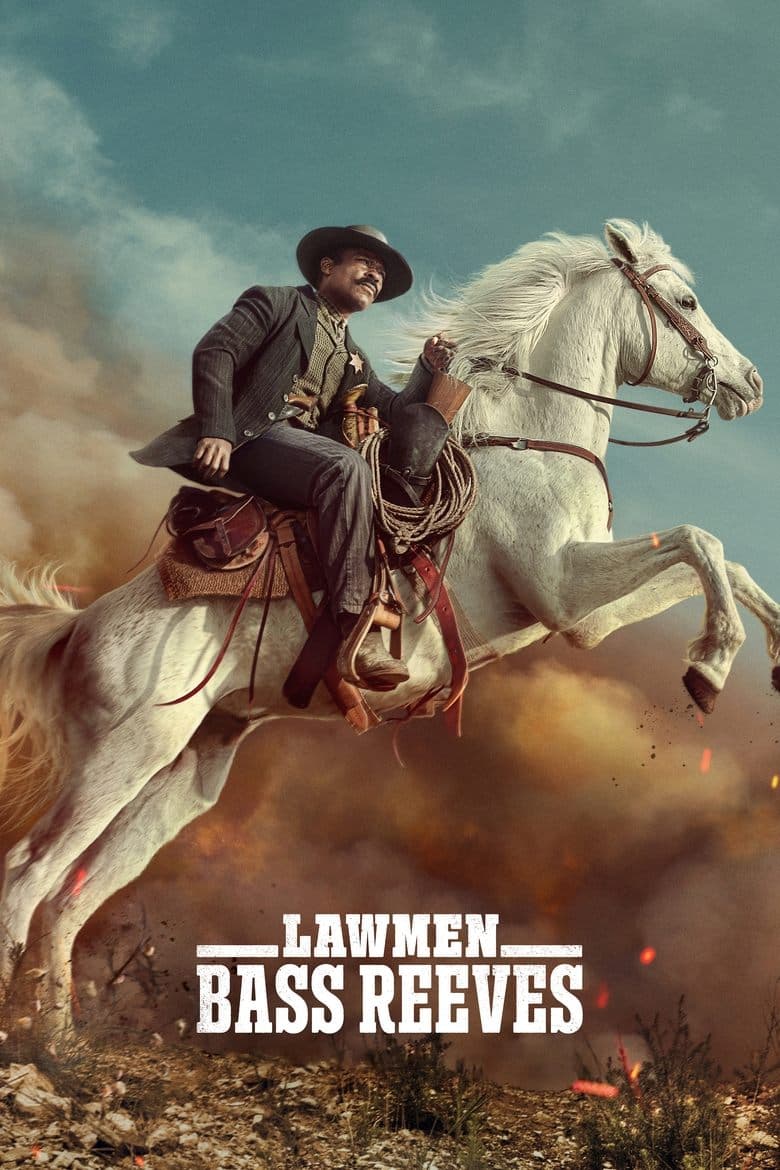
TV Show · 2023
The story of Bass Reeves, the legendary lawman of the wild West, is brought to life. Reeves worked in the post-Reconstruction era as a federal peace officer in the Indian…
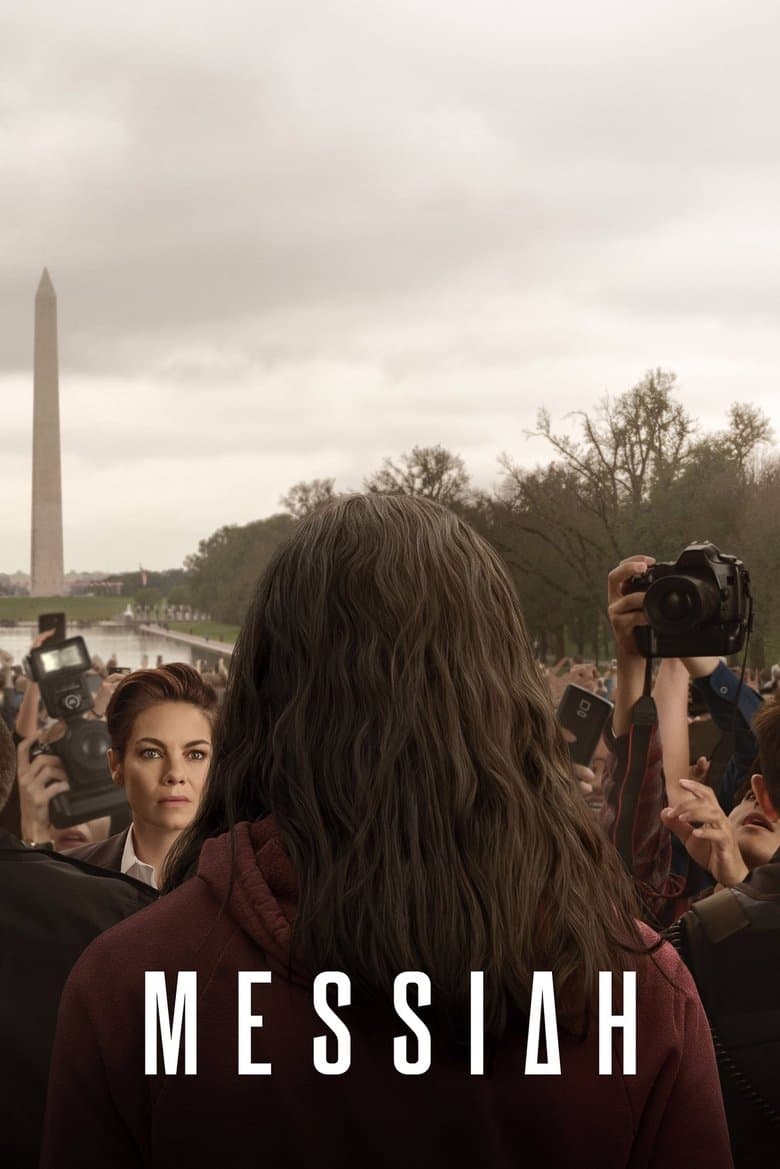
TV Show · 2020
A wary CIA officer investigates a charismatic man who sparks a spiritual movement and stirs political unrest. Who exactly is he? And what does he want?

TV Show · 2024
Fascinated by cars since childhood, Brazilian racer Ayrton Senna became a sports legend — until tragedy struck, changing Formula 1 forever.
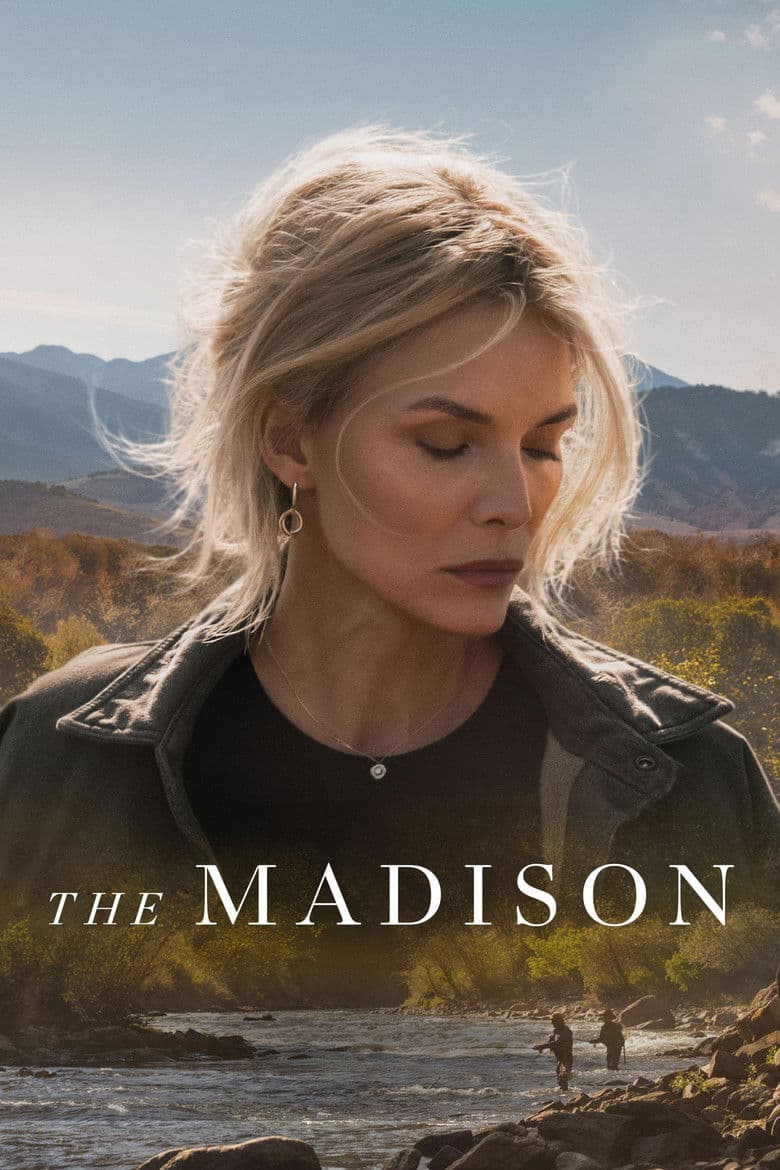
TV Show · 2026
The Clyburns uproot their comfortable New York City lives to the wild, untamed beauty of Montana's Madison River Valley on a search for connection.
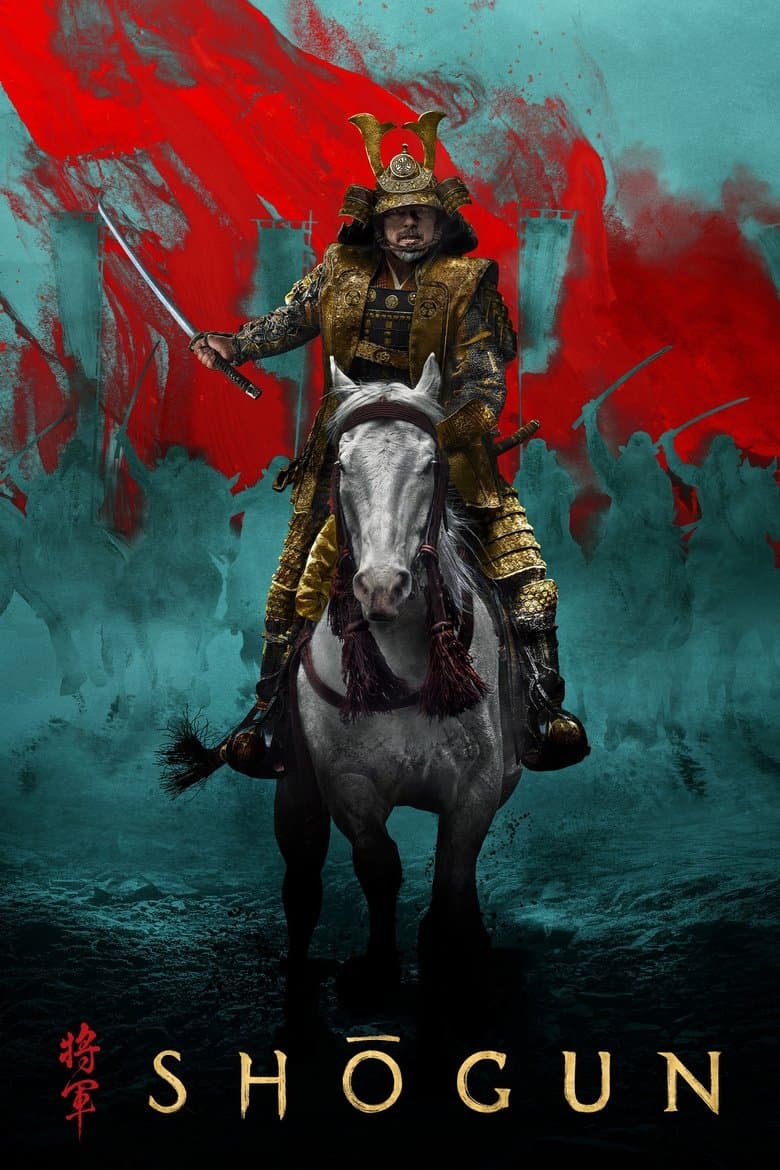
TV Show · 2024
In Japan in the year 1600, at the dawn of a century-defining civil war, Lord Yoshii Toranaga is fighting for his life as his enemies on the Council of Regents unite against him…
