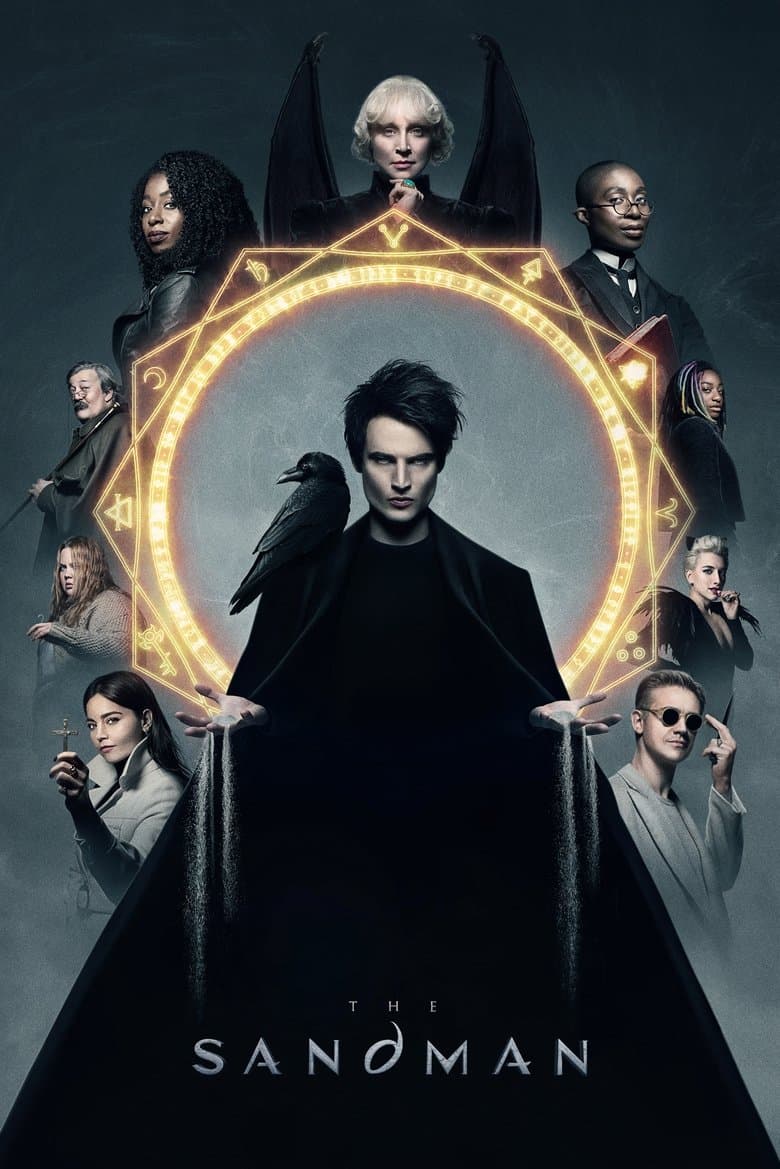
Started August 5, 2022 · Ended · Based on 2 seasons, 23 episodes through July 31, 2025 · TV-MA
Morpheus is the powerful King of Dreams who gets captured by a greedy human cult in 1916. He is locked in a glass basement for over one hundred years while his fantasy kingdom falls apart. After he finally escapes, he has to travel through different worlds, Hell, and modern England to find his stolen magical items. He must rebuild his strength and fix the nightmares that escaped into the human world while he was gone. Normal viewers will immediately notice massive identity-driven casting choices and character changes throughout the show. Several major characters are race-swapped, such as his sister Death, who is played by a black woman. Other characters are gender-swapped, like the librarian Lucienne and the modern spellcaster Johanna Constantine. The show also places a heavy focus on queer themes, featuring a large number of gay, lesbian, bisexual, and transgender characters in prominent storylines.
Community feedback
Was our 97% Woke rating accurate?
Breakdown
These are the editorial factors and ratings behind our score for The Sandman.
Woke representation / casting
The show focuses heavily on diversity and casting. Characters who were white or male in the comics are swapped. Death, Lucienne, and Rose Walker are race-swapped. Lucienne, Lucifer, and Johanna Constantine are gender-swapped. Major roles are also played by non-binary and trans actors.
92%
Woke political dialogue
Dialogue regularly focuses on modern identity issues. In Season 2, female characters and Death give heavy lectures to Morpheus about his male arrogance and mistakes. The show also has talks about trans identity, and Loki talks about letting women become priests.
58%
Identity-driven story themes
Storylines often focus on queer and trans struggles. The show features gay romances, a drag queen household, and a trans character named Wanda. A big story arc in Season 2 forces Morpheus to say sorry over and over for his past controlling behavior toward his black ex-lover, Nada.
82%
Western institutional / cultural critique
Traditional male roles and institutions are attacked. Morpheus is shown as an arrogant man who must constantly be corrected by women. Thor is shown as a stupid, sexist joke. Loki and Puck also break into the Vatican and mock Catholic rules about only having male priests.
74%
Woke character or canon changes
Many big changes are made to the original DC comics. Characters like Lucien, Death, Rose Walker, John Constantine, and Lucifer are race-swapped or gender-swapped. This was done to meet modern corporate diversity and representation goals instead of staying true to the original art.
85%
Anti-woke backlash and complaints
The show faced loud complaints from viewers who disliked the forced diversity. People online criticized the race-swapping of Death and the gender-swapping of Constantine. Many felt the high number of gay and trans characters was too unrealistic.
78%
Creator track record context
The show is run by Neil Gaiman and openly gay showrunner Allan Heinberg. Both have a long history of putting queer and trans themes into their work. Feminist director Coralie Fargeat also directed episodes, bringing her history of fighting male power.
68%
Production
TV Show · 2019
In the dark, early days of a zombie apocalypse, complete strangers band together to find the strength they need to survive and get back to loved ones.
TV Show · 2023
After washing ashore in France, Daryl struggles to piece together how he got there and why, as he navigates a fractured, walker-infested landscape to find his way home.
TV Show · 2026
A century before the events of Game of Thrones, two unlikely heroes wandered Westeros: a young, naive but courageous knight, Ser Duncan the Tall, and his diminutive squire, Egg.
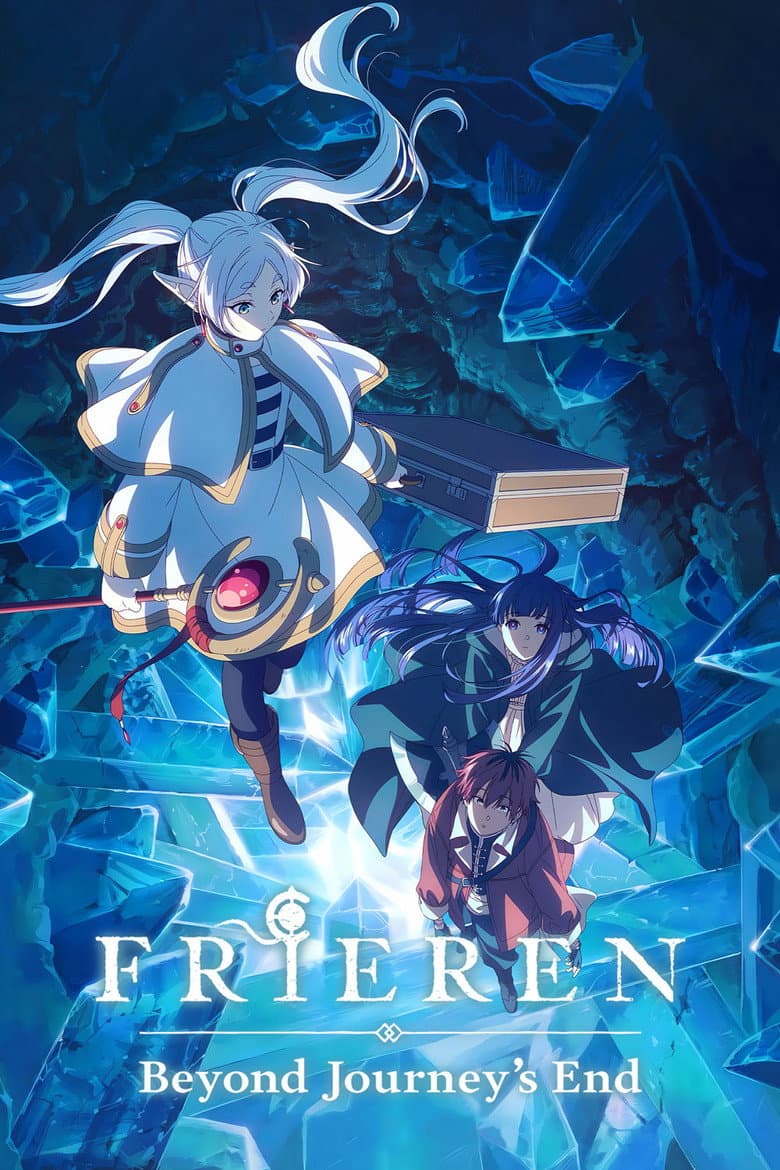
TV Show · 2023
After the party of heroes defeated the Demon King, they restored peace to the land and returned to lives of solitude.
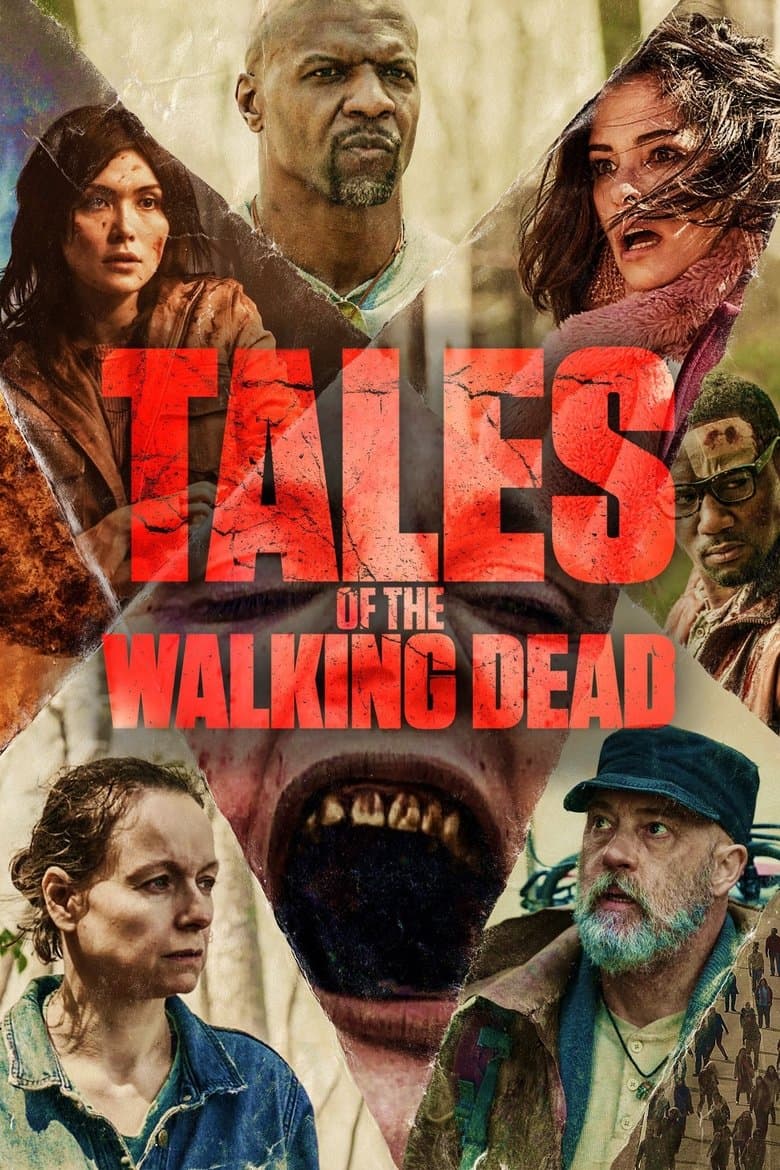
TV Show · 2022
An episodic anthology series focused on both new and established characters set in the world of "The Walking Dead."
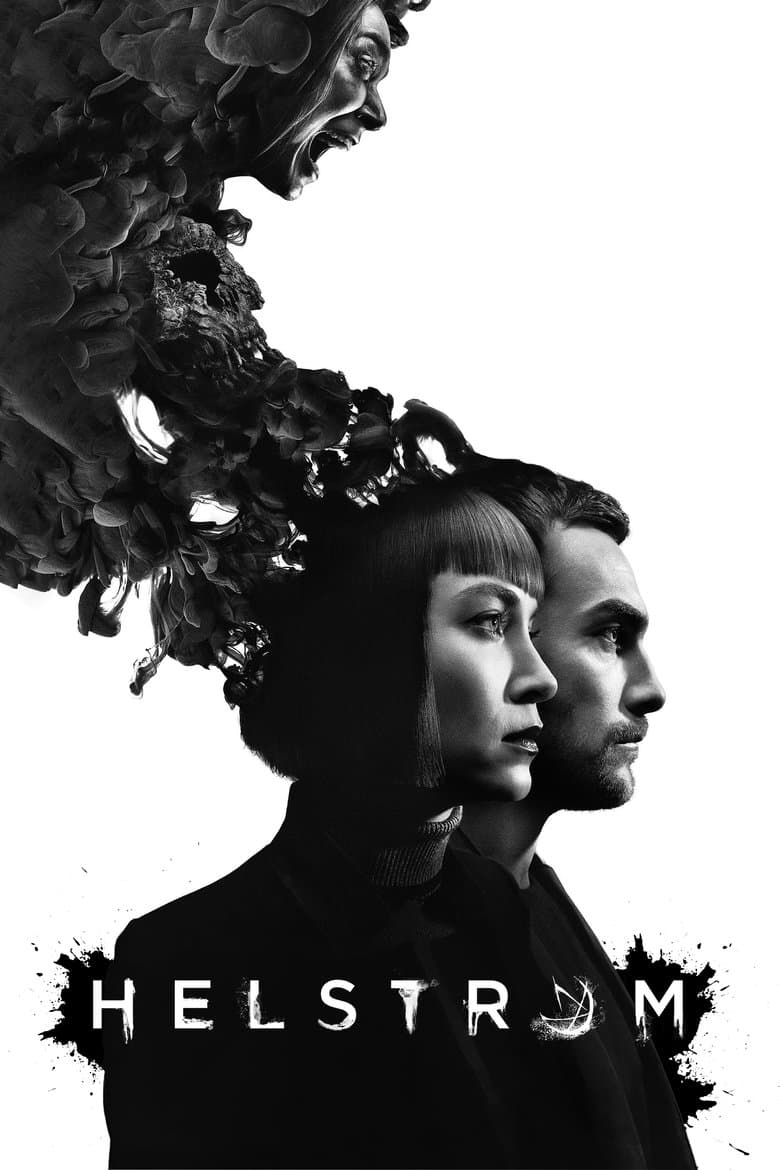
TV Show · 2020
Daimon and Ana Helstrom are the son and daughter of a mysterious and powerful serial killer. The siblings have a complicated dynamic as they track down the terrorizing worst of…
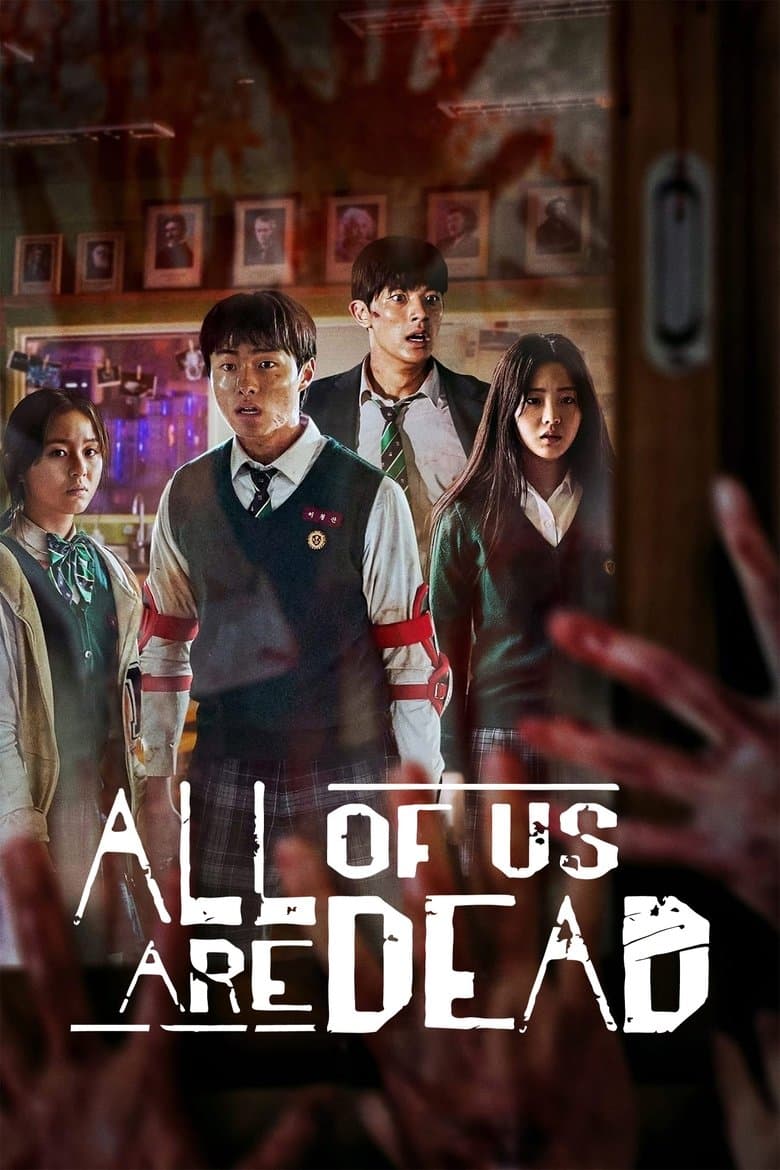
TV Show · 2022
A high school becomes ground zero for a zombie virus outbreak. Trapped students must fight their way out — or turn into one of the rabid infected.
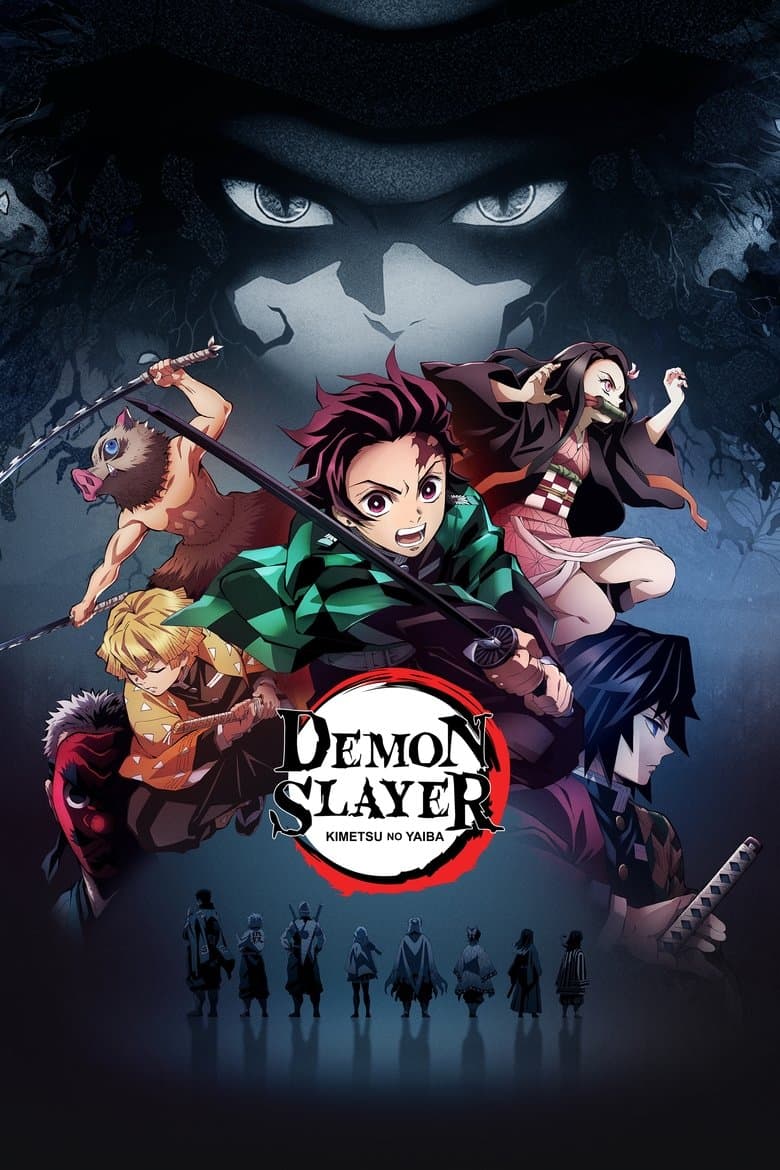
TV Show · 2019
After a demon attack leaves his family slain and his sister cursed, Tanjiro embarks upon a perilous journey to find a cure and avenge those he's lost.
