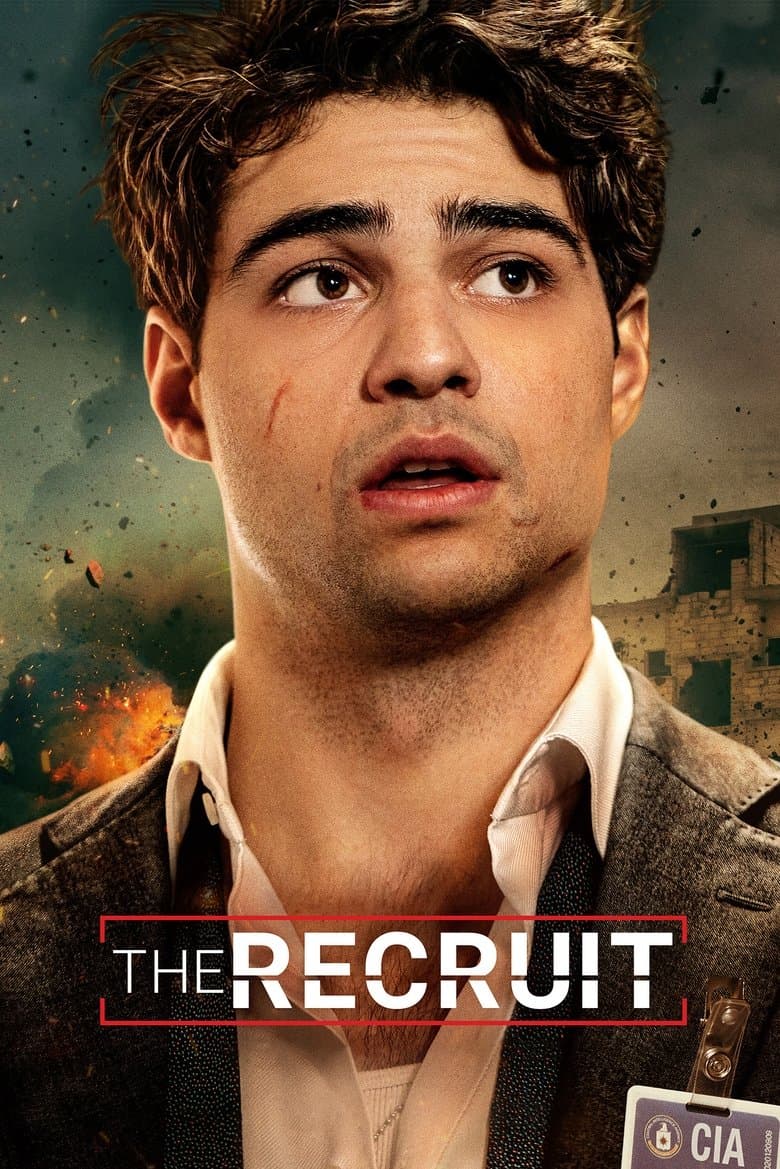
Started December 16, 2022 · Canceled · Based on 2 seasons, 14 episodes through January 30, 2025 · TV-MA
The Recruit is a Netflix spy dramedy created by Alexi Hawley. It follows rookie CIA lawyer Owen Hendricks (Noah Centineo) who gets pulled into high-stakes international espionage and agency infighting after handling "graymail" threats from assets. Across two seasons, the story mixes action, humor, office politics, and personal relationships as Owen travels from Eastern Europe and Russia to South Korea while navigating CIA bureaucracy and rivalries. Creator Alexi Hawley has publicly stressed the importance of diverse casting and a diverse writers room to reflect real-world demographics, which shows up in supporting CIA and intelligence roles filled by actors of black, South Asian, Asian, and other backgrounds. The tone stays light and entertaining with a cynical but not heavily ideological take on government institutions.
Community feedback
Was our 37% Woke rating accurate?
Breakdown
These are the editorial factors and ratings behind our score for The Recruit.
Woke representation / casting
Visible diversity in prominent supporting CIA office, legal, and allied intelligence roles (black, South Asian, Asian actors in competent professional positions across seasons). This aligns with showrunner Alexi Hawley's stated intent to build casts reflecting real-world demographics rather than pure story necessity or incidental background. Lead remains white male; no obvious quota-style signaling or mismatches with setting dominate audience-visible choices, but the pattern is noticeable and intentional per creator comments.
32%
Woke political dialogue
Dialogue centers on spy craft, graymail mechanics, personal rivalries, moral gray areas, and agency self-interest with occasional cynical jabs at bureaucracy. No explicit DEI language, identity-based lectures, gender or race essentialism, or modern activist political speech stands out.
5%
Identity-driven story themes
Core narrative follows individual ambition, romantic entanglements (hetero-focused with Owen and female characters like Max and Hannah), bureaucratic absurdity, and geopolitical espionage ops in Russia then South Korea. Themes emphasize personal loyalty, survival, and institutional dysfunction over race, gender, sexuality, or representation as central drivers or character motivations. No confirmed prominent queer or identity-centric plotlines.
15%
Western institutional / cultural critique
The CIA is repeatedly shown as a self-serving, dysfunctional bureaucracy of "con men" and lawyers for cheats and liars where employees prioritize covering themselves, petty sabotage, and career advancement over ethics or clear national interest. Senate oversight appears as an obstacle or antagonist in places. This fits classic spy-genre skepticism about intelligence agencies and government institutions; it is not reframed through modern activist lenses of systemic racism, patriarchy, whiteness, colonial guilt, or anti-capitalist messaging.
27%
Woke character or canon changes
Not relevant. This is an original series with no established characters, canon, source material, or real historical figures reinterpreted through identity or DEI-driven lenses. Ordinary adaptation or creative choices do not apply here.
0%
Anti-woke backlash and complaints
Public reaction, reviews, and social media discussion rarely treat the show as pushing woke, activist, DEI, or left-wing political content. Complaints focus on pacing, plot logic, tone, or the cancellation decision itself. Isolated flags on niche sites or general Netflix criticism exist, but no major wave of anti-woke or right-leaning backlash accusing it of identity politics or propaganda is evident. Evidence is weak.
5%
Creator track record context
Showrunner Alexi Hawley has a clear pattern of prioritizing diverse casts and writers rooms to reflect demographics and incorporating institutional challenges, as stated for this series and seen in The Rookie. Several writers bring left-leaning or activist backgrounds (labor organizing, civil rights/historical justice projects, feminist dystopian work), though the finished series stays within light spy entertainment rather than foregrounding those elements.
48%
Production
TV Show · 2022
With the aid of unexpected friends, a gifted but introverted student confronts bullies and violent foes — unaware of how dangerous his world will become.
TV Show · 2023
What if you lost your memory? What if a spy didn't know they were a spy? Years ago, the top agents of Citadel, Mason Kane and Nadia Sinh, had their minds wiped.
TV Show · 2017
Action drama series inspired by the real missions of Navy SEAL Team Six.
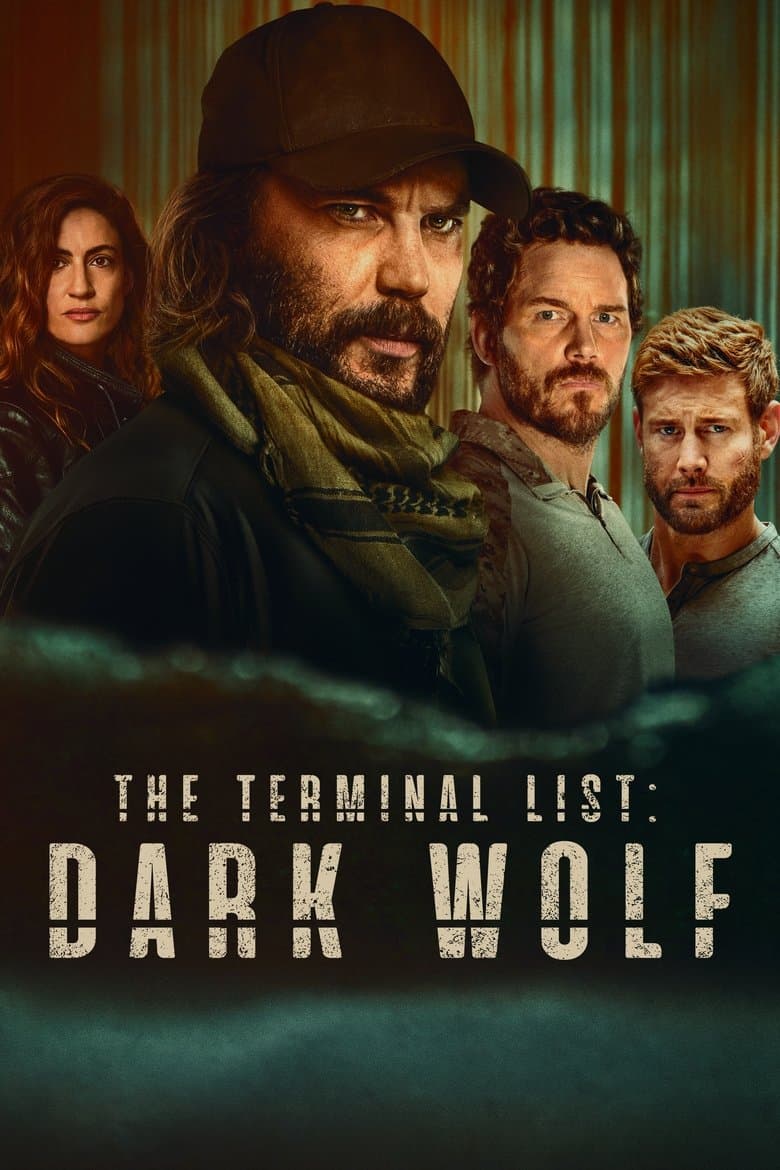
TV Show · 2025
Before The Terminal List, Navy SEAL Ben Edwards finds himself entangled in the black operations side of the CIA.
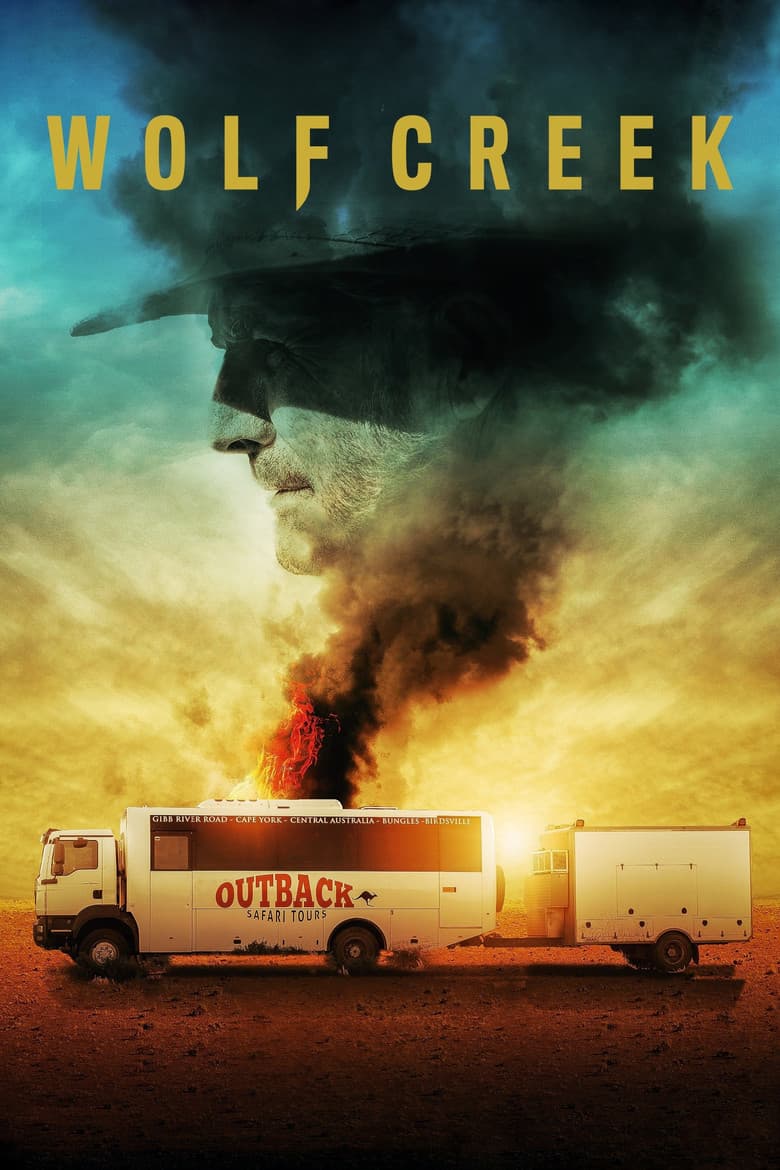
TV Show · 2016
An anthology series which centers on different characters being targeted by crazed serial killer Mick Taylor in the Australian outback.
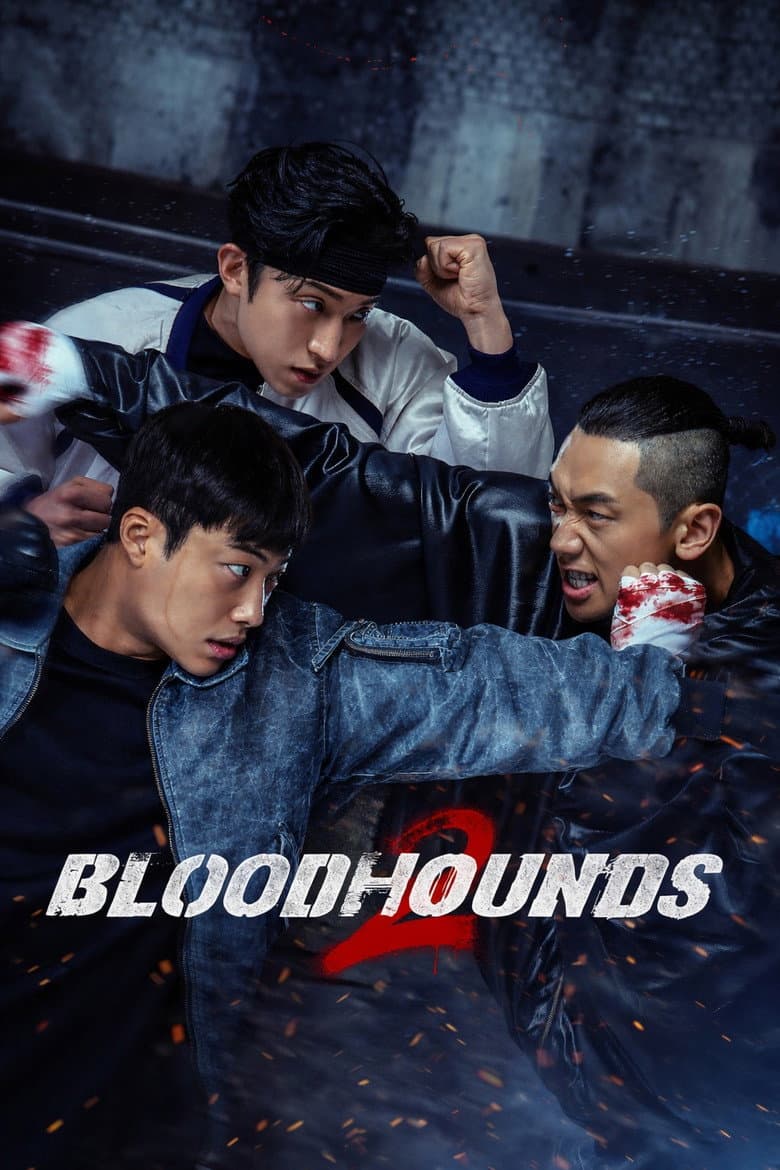
TV Show · 2023
Faced with ruthless foes with a violent thirst, two young boxers band together — risking life and limb to bring justice and protect their loved ones.
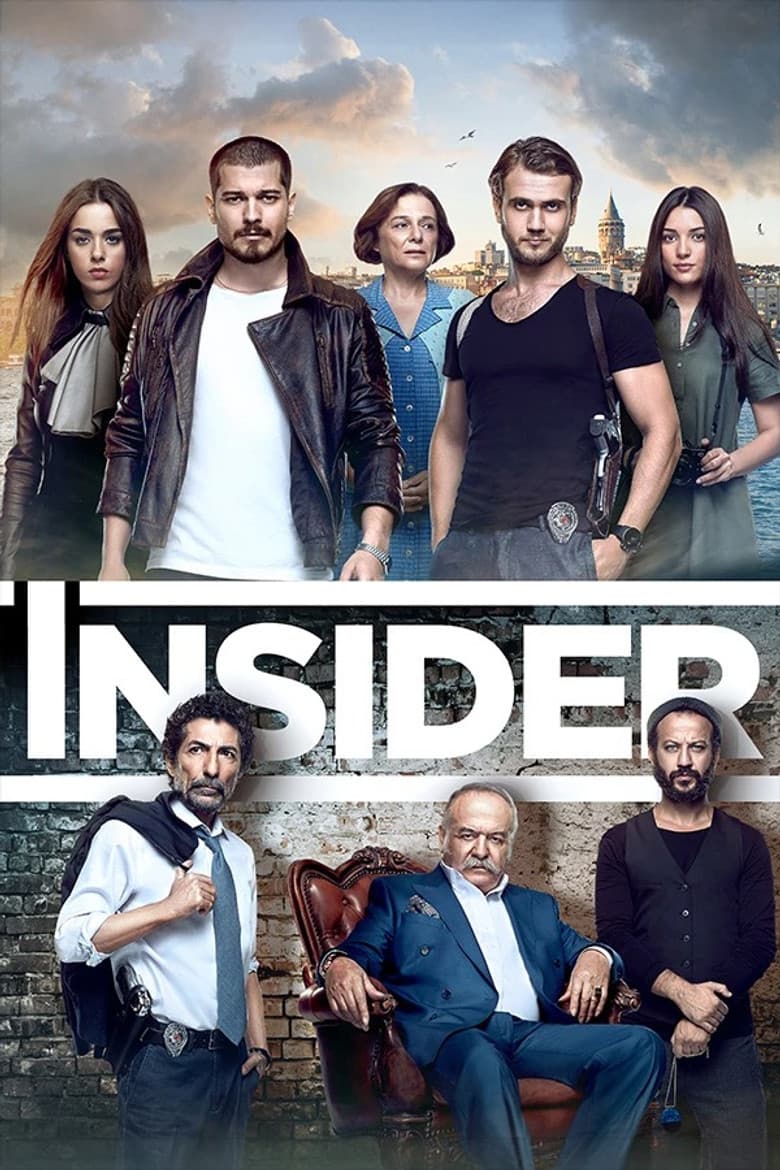
TV Show · 2016
Even though two brothers are completely separated from each other after the imprisoning of their father and the kidnapping of their twin brother, they meet by coincidence years…

TV Show · 2021
Takemichi Hanagaki is a freelancer that’s reached the absolute pits of despair in his life. He finds out that the only girlfriend he ever had, in middle school, Hinata Tachibana…
