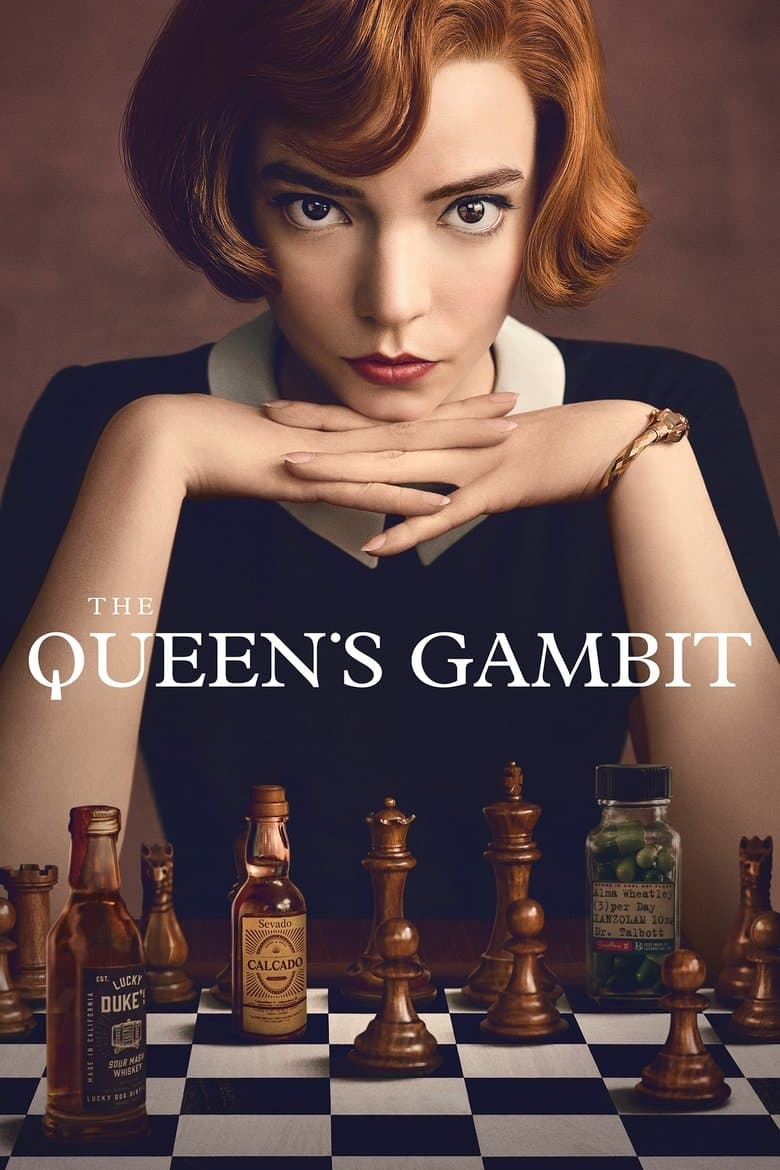
Started October 23, 2020 · Ended · Based on 1 season, 7 episodes through October 23, 2020 · TV-MA
Beth Harmon is an orphan in a Kentucky home for girls in the late 1950s. A janitor teaches her chess, and she soon shows a rare gift for the game. Beth enters tournaments, defeats stronger players, and travels toward a world title while she uses pills and alcohol. The quiet drama follows her through grief, loneliness, family trouble, and the hard work of recovery.
The show makes Beth's rise a repeated female success story because she becomes the leading player in a sport filled with men. The story also gives her a black childhood friend, Jolene, who later works in civil rights, and it shows a gay chess player named Townes. Beth shares an intimate night with Cleo, a French model, which adds a brief queer thread. These elements are easy to notice, but the main story remains Beth's chess talent, addiction, and need to accept help.
Community feedback
Was our 68% Woke rating accurate?
Breakdown
These are the editorial factors and ratings behind our score for The Queen's Gambit.
Woke representation / casting
Beth is a young woman who becomes the star of a chess world filled with men. Jolene is Beth's Black childhood friend, and adult Jolene works in civil rights. Townes is presented as a gay chess player with a male partner. Beth also shares an intimate night with Cleo. These choices make identity visible in major supporting roles, but the show does not build a large mix of identity groups.
43%
Woke political dialogue
The show includes short comments about Beth entering a male chess world. Beth faces questions about playing with men and about having a boyfriend. Jolene talks about the civil-rights struggle when she returns as an adult. The dialogue stays tied to the period and never becomes a long activist speech.
31%
Identity-driven story themes
Beth repeatedly defeats male players and becomes a model of female success in a male sport. The story treats her talent as real and earned, but it keeps her victory over men at the center of the sports plot. Beth explores attraction to Cleo, and Townes has a gay storyline. Jolene returns after building a life in civil-rights work and helps Beth face her addiction. Chess and recovery still take more space than identity politics.
55%
Western institutional / cultural critique
The orphanage is shown as a cold institution that controls girls with tranquilizer pills. Beth's adoptive home shows a marriage shaped by house rules, drinking, and limited choices for women. Chess leaders and reporters often treat Beth as a woman before they treat her as a player. Male friends later train her and help her win, so the show presents barriers without making every man or Western institution an enemy.
32%
Woke character or canon changes
The series changes Townes from the novel by making him a gay man with a male partner. The series adds Beth's intimate encounter with Cleo, and Scott Frank said the novel did not include this sexual fluidity. The series gives Jolene a larger adult role tied to civil-rights work. These identity changes are visible, but they affect supporting characters more than the main chess contest.
56%
Anti-woke backlash and complaints
Dinesh D'Souza called the series left-wing propaganda and said it advances a feminist view of women in chess. Conservative replies described the message as subtle propaganda or said the show had an agenda. Small accounts later called it a woke show or a girlboss fantasy. Other right-leaning viewers recommended it as a surprisingly non-woke Netflix show. The available X pass found no boycott, review-bombing drive, or organized campaign.
36%
Creator track record context
Scott Frank has a low cached woke score and no documented activist record. Scott Frank has discussed making Beth an unusual female lead and testing audience expectations about men around her. The other listed directors and producers have low cached scores and no known identity-driven public pattern. The creators' main public focus stays on chess, addiction, and the cost of genius.
16%
Production
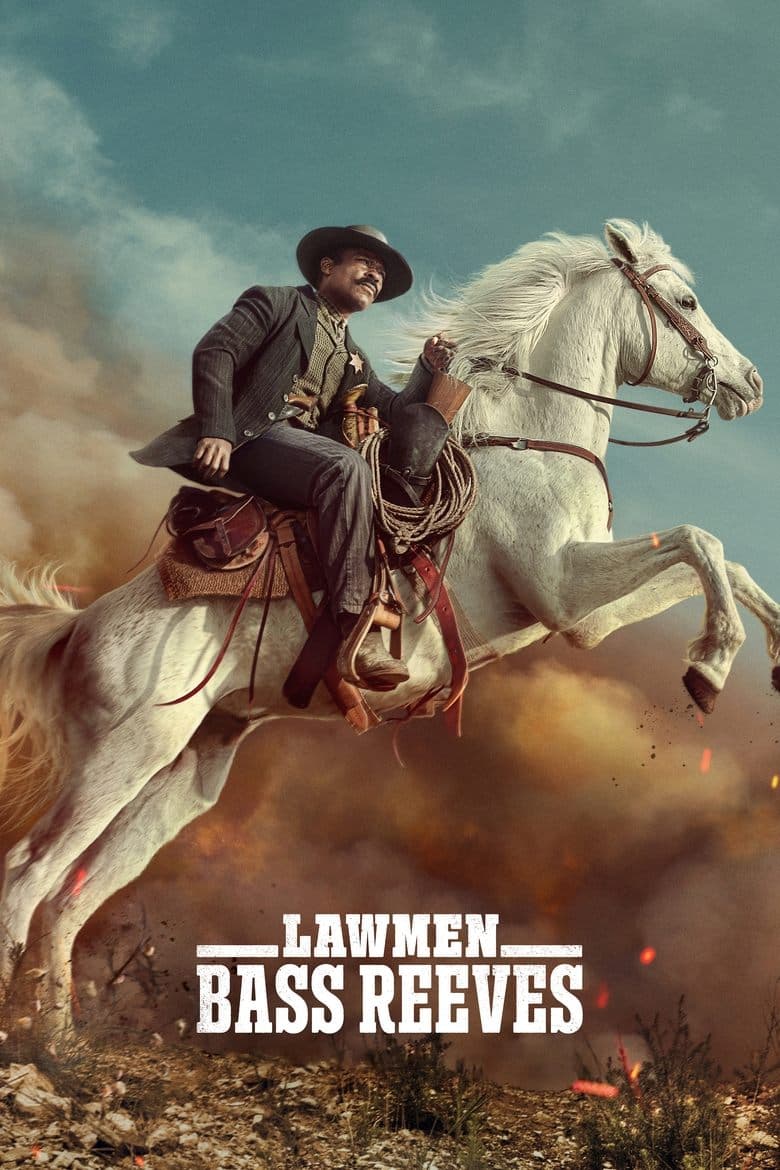
TV Show · 2023
The story of Bass Reeves, the legendary lawman of the wild West, is brought to life. Reeves worked in the post-Reconstruction era as a federal peace officer in the Indian…
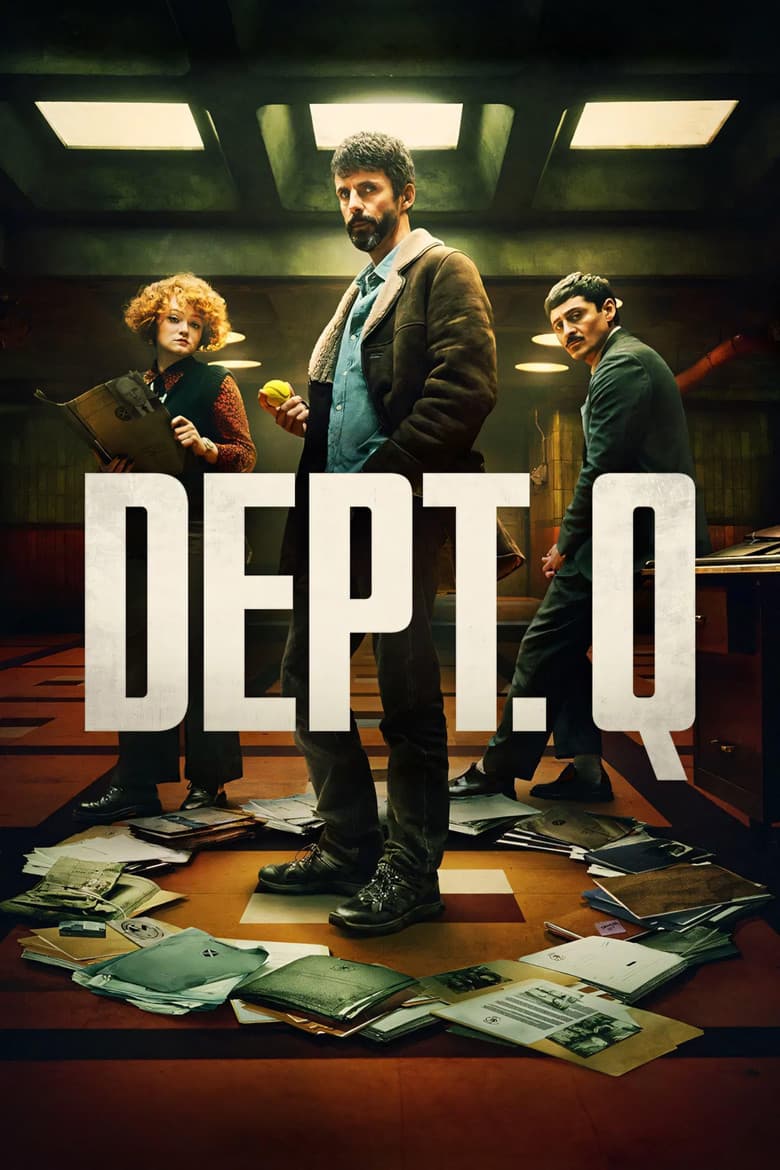
TV Show · 2025
A brash but brilliant cop becomes head of a new police department, where he leads an unlikely team of misfits in solving Edinburgh's cold cases.
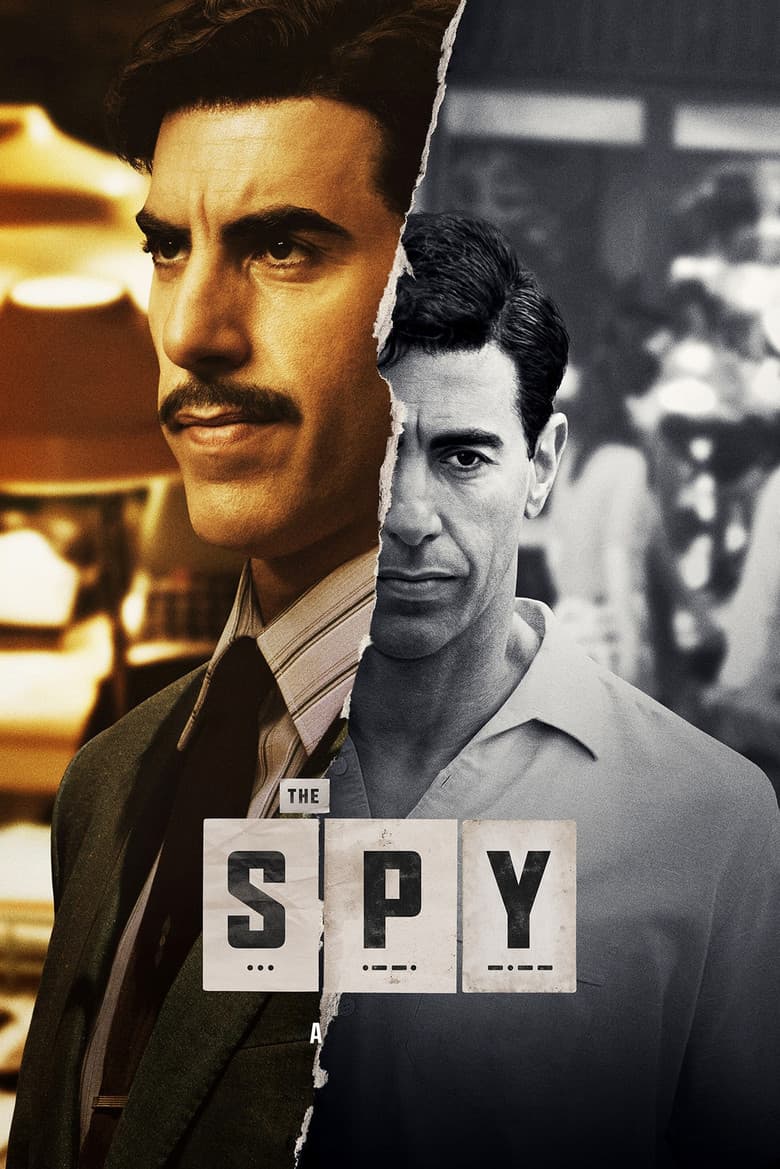
TV Show · 2019
In the 1960s, Israeli clerk-turned-secret agent Eli Cohen goes deep undercover inside Syria on a perilous, years-long mission to spy for Mossad.
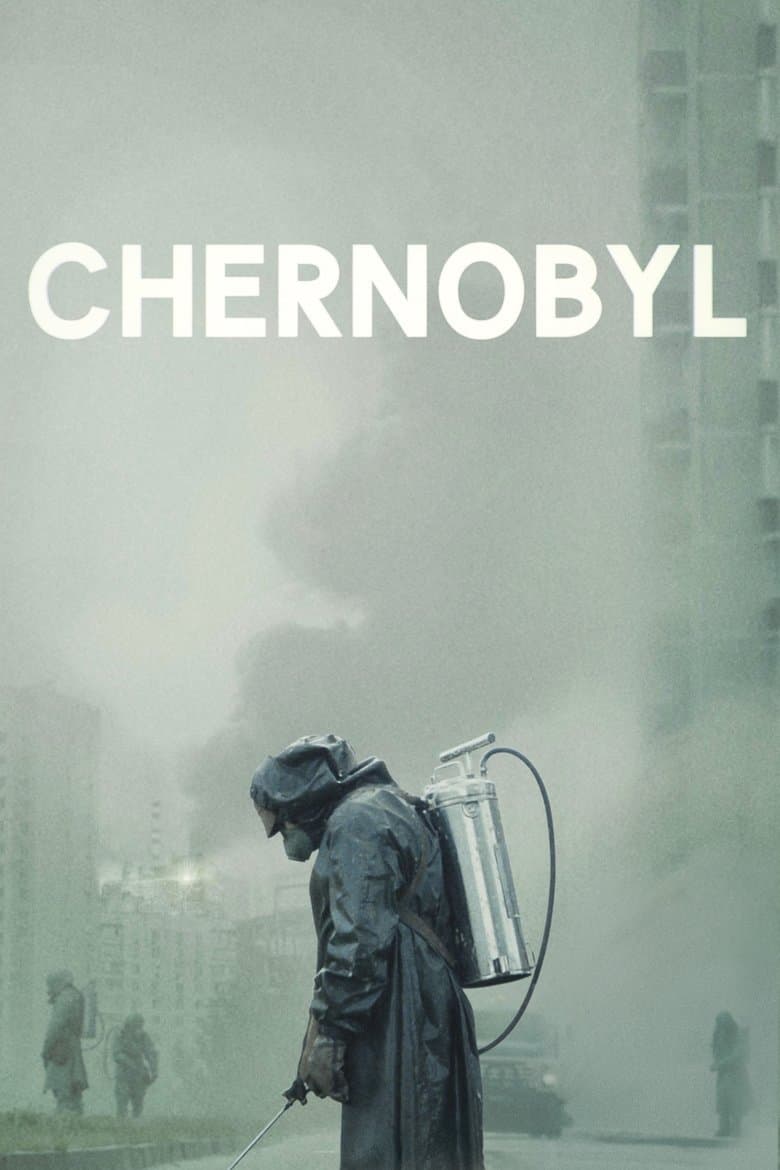
TV Show · 2019
The true story of one of the worst man-made catastrophes in history: the catastrophic nuclear accident at Chernobyl.

TV Show · 2026
As the Kargil War erupts between India and Pakistan, the Golden Arrows squadron of the Air Force takes flight on a dangerous mission behind enemy lines.
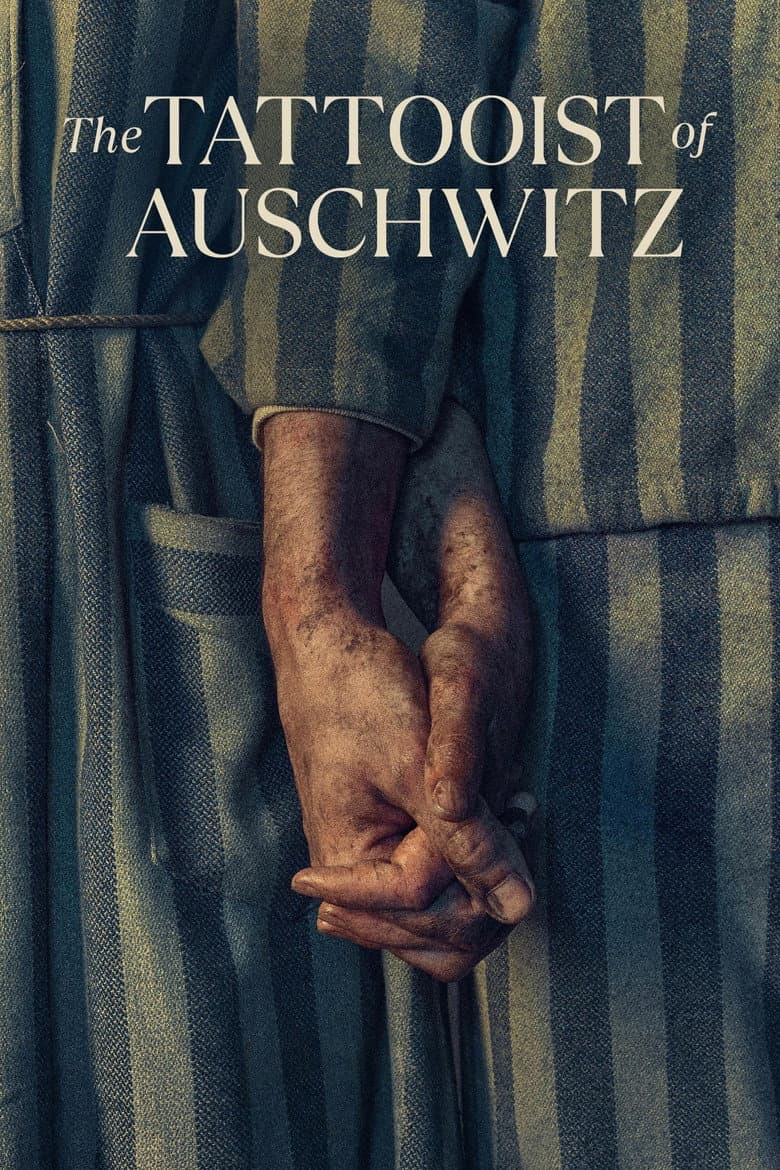
TV Show · 2024
The powerful real-life story of Lali Sokolov, a Jewish prisoner who was tasked with tattooing ID numbers on prisoners' arms in the Auschwitz-Birkenau concentration camp during…
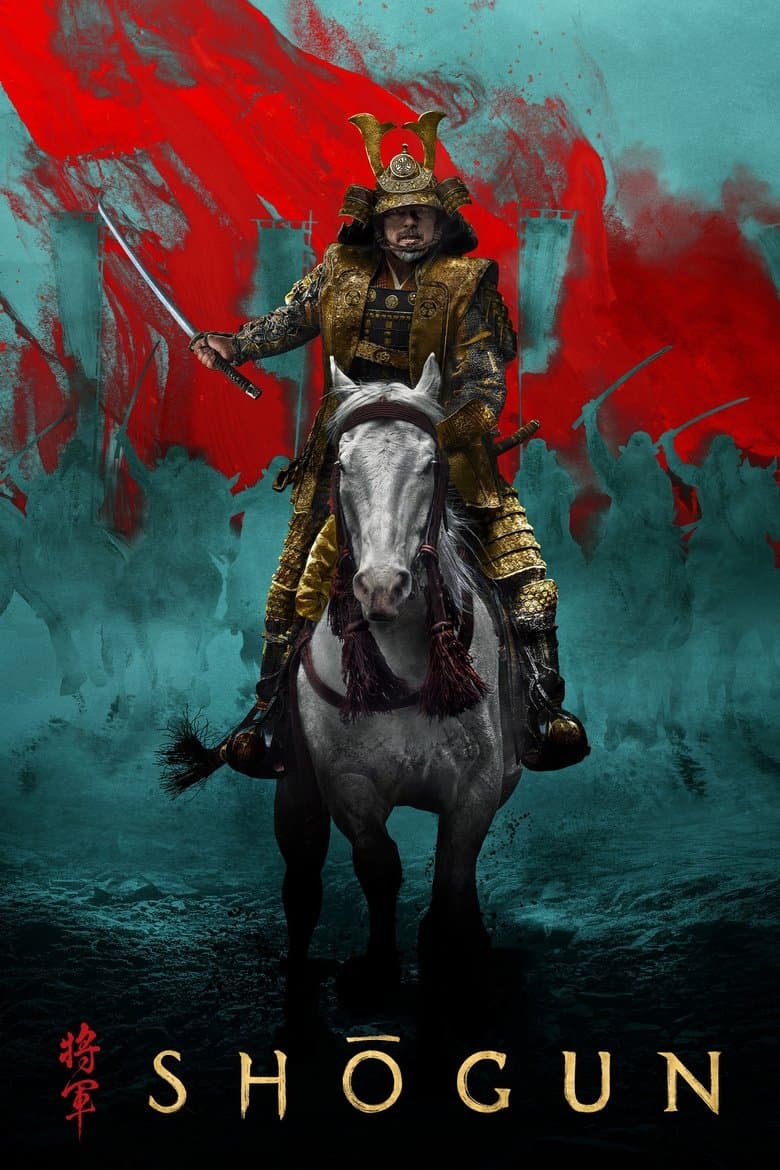
TV Show · 2024
In Japan in the year 1600, at the dawn of a century-defining civil war, Lord Yoshii Toranaga is fighting for his life as his enemies on the Council of Regents unite against him…

TV Show · 2022
This sweeping saga chronicles the hopes and dreams of a Korean immigrant family across four generations as they leave their homeland in an indomitable quest to survive and thrive.
