TV Show review
Kids · Sci-Fi · Fantasy · Animation · Comedy · Action · Adventure · Family
Started January 10, 2020 · Ended · Based on 3 seasons, 43 episodes through April 8, 2023 · TV-Y7
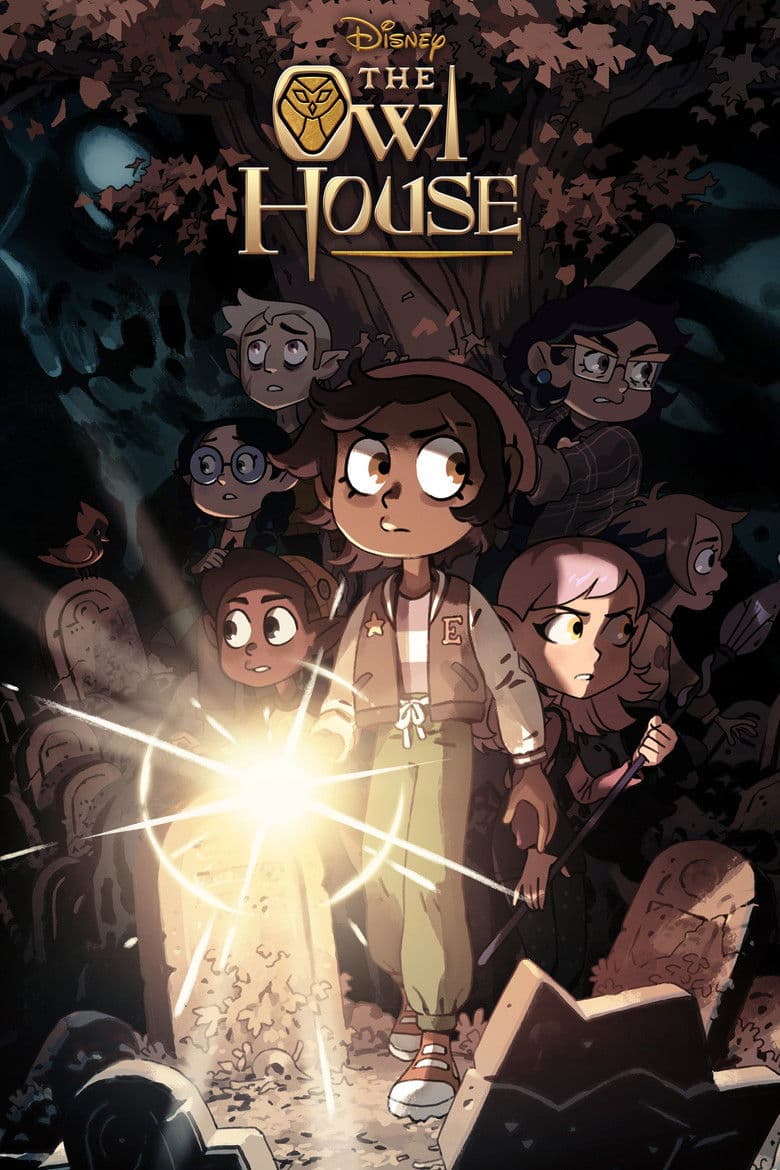
The Owl House is an animated fantasy series about Luz, a confident Dominican-American teenage girl who stumbles through a portal into the magical Boiling Isles. She befriends a rebellious witch named Eda and a tiny demon named King, trains to use magic, and joins friends in fighting a tyrannical emperor who wants to wipe out magic users.
The series centers a bisexual girl’s romantic relationship with another girl as a major story arc across later seasons, includes multiple queer main characters, and builds a fantasy world where queerness and gender diversity are completely normal with no homophobia or transphobia. It also stresses accepting people who feel different or neurodiverse and resisting an Earth colonizer who sees the magical community as evil and savage.
Community feedback
Was our 91% Woke rating accurate?
Breakdown
These are the editorial factors and ratings behind our score for The Owl House.
Woke representation / casting
The series places a Dominican-American bisexual protagonist and her lesbian love interest in central roles, with their same-sex romance and kiss developed as a major arc. Multiple other main characters are canonically queer or non-binary. Voice cast includes diverse actors of color in prominent parts. Queerness is presented as normal and positive across the fantasy setting.
78%
Woke political dialogue
Dialogue supports self-acceptance, standing against prejudice toward those who are “weird” or different, and found family bonds. Queer characters explore feelings and relationships with supportive talk around identity. Messaging stays tied to character growth rather than long explicit lectures.
42%
Identity-driven story themes
Queer romance and identity form a core throughline for the lead and key supporting characters. The entire magical world is designed as free of homophobia or transphobia, with queerness normalized by default. The story also centers embracing neurodiversity, disability, difference, and resistance to an outsider trying to erase a diverse community.
88%
Western institutional / cultural critique
The main villain is shown as a puritan human colonizer from Earth who invades the Boiling Isles to destroy witches and magic users he views as savage or evil. The narrative frames this as oppressive tyranny and celebrates the magical society’s diversity and fight for survival. Colonial conflict appears in lore and character histories.
52%
Woke character or canon changes
Not relevant. This is an original animated series with no prior established characters, canon, or real historical figures being reinterpreted.
0%
Anti-woke backlash and complaints
Conservative groups and parents objected to the LGBTQ+ romance and characters as inappropriate agenda content for children’s television and launched petitions for removal. Online commentary complained about the high number of queer characters and perceived focus on identity over plot. Some tied the shortened final season to these elements hurting broader marketability.
48%
Creator track record context
The lead creator has publicly identified as queer, advocated for LGBTQ+ main characters in family animation, organized charity events for LGBTQ+ causes, and criticized corporate resistance to queer stories in media. This shows a clear pattern of identity-focused priorities in recent years.
82%
Production
TV Show · 2018
The Boss Baby brings his big brother Tim to the office to teach him the art of business in this animated series sprung from the hit film.
TV Show · 2016
After uncovering a mysterious amulet, an average teen assumes an unlikely destiny and sets out to save two worlds.
TV Show · 2022
When an explosive battle with Dr. Eggman shatters the universe, Sonic races through parallel dimensions to reconnect with his friends and save the world.
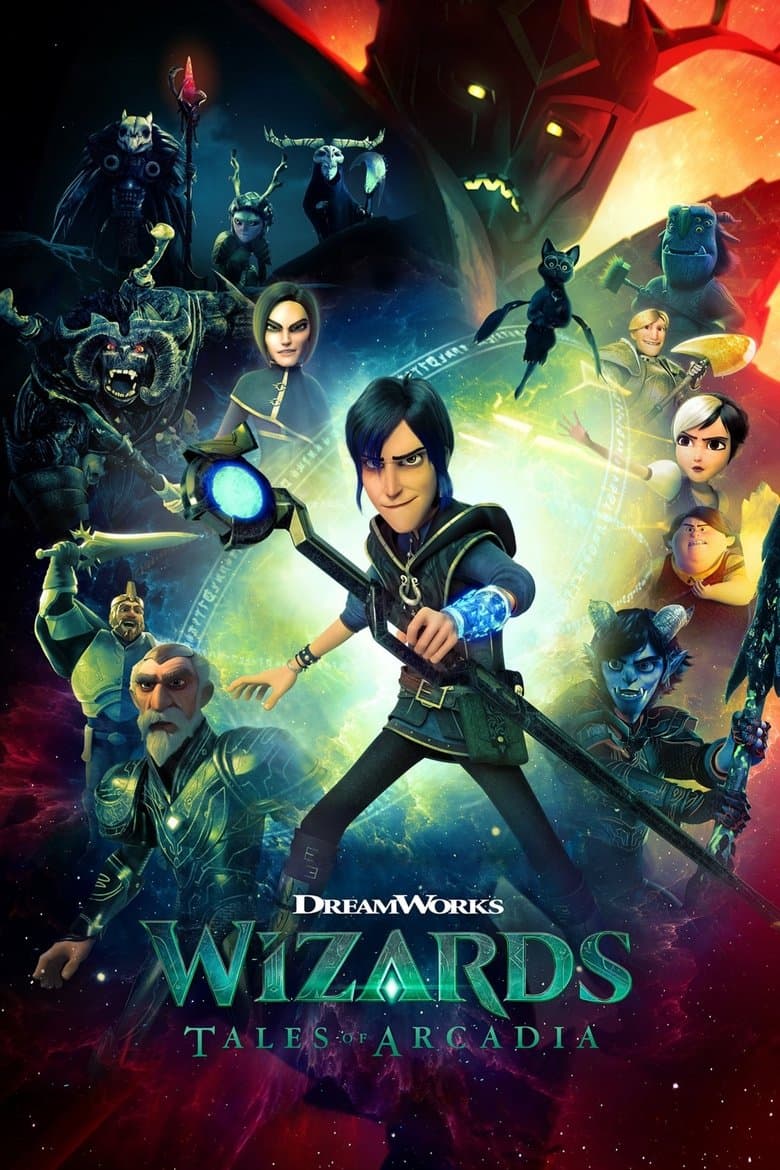
TV Show · 2020
Merlin’s apprentice joins Arcadia’s heroes on a time-bending adventure in Camelot, where conflict is brewing between the human, troll and magical worlds.
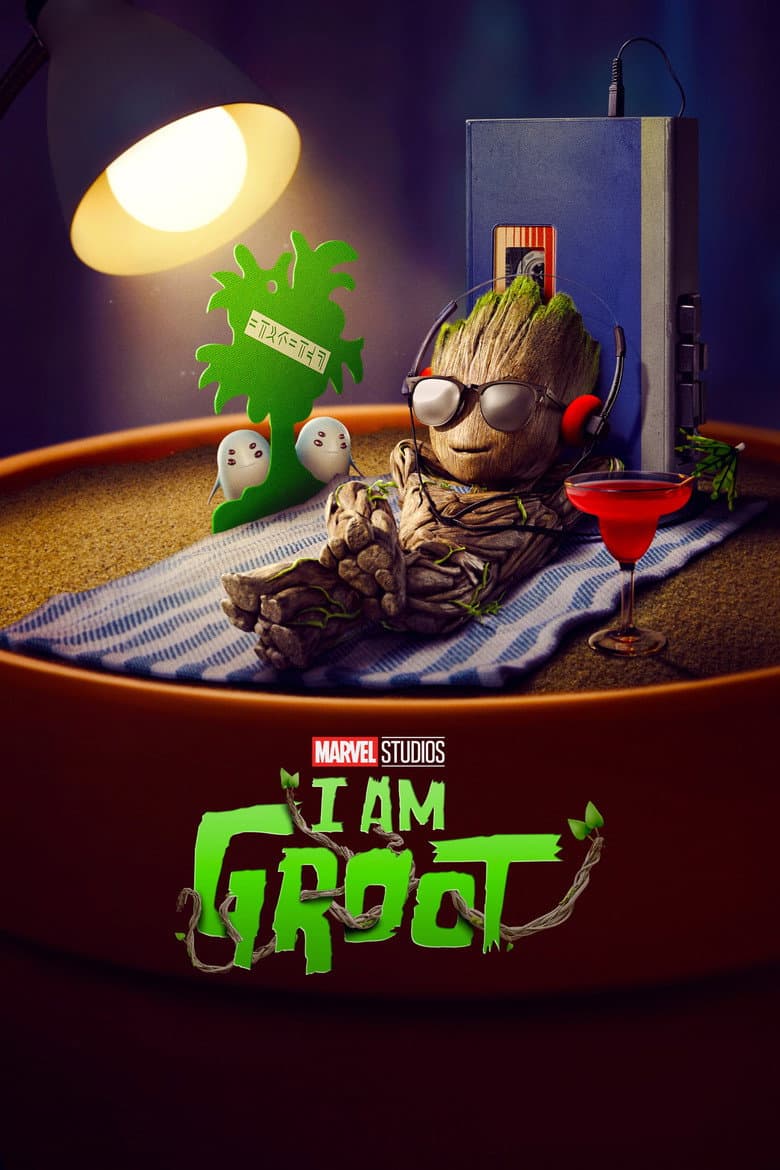
TV Show · 2022
There's no guarding the galaxy from this mischievous toddler! Get ready as Baby Groot takes center stage in his very own collection of shorts, exploring his glory days growing up…
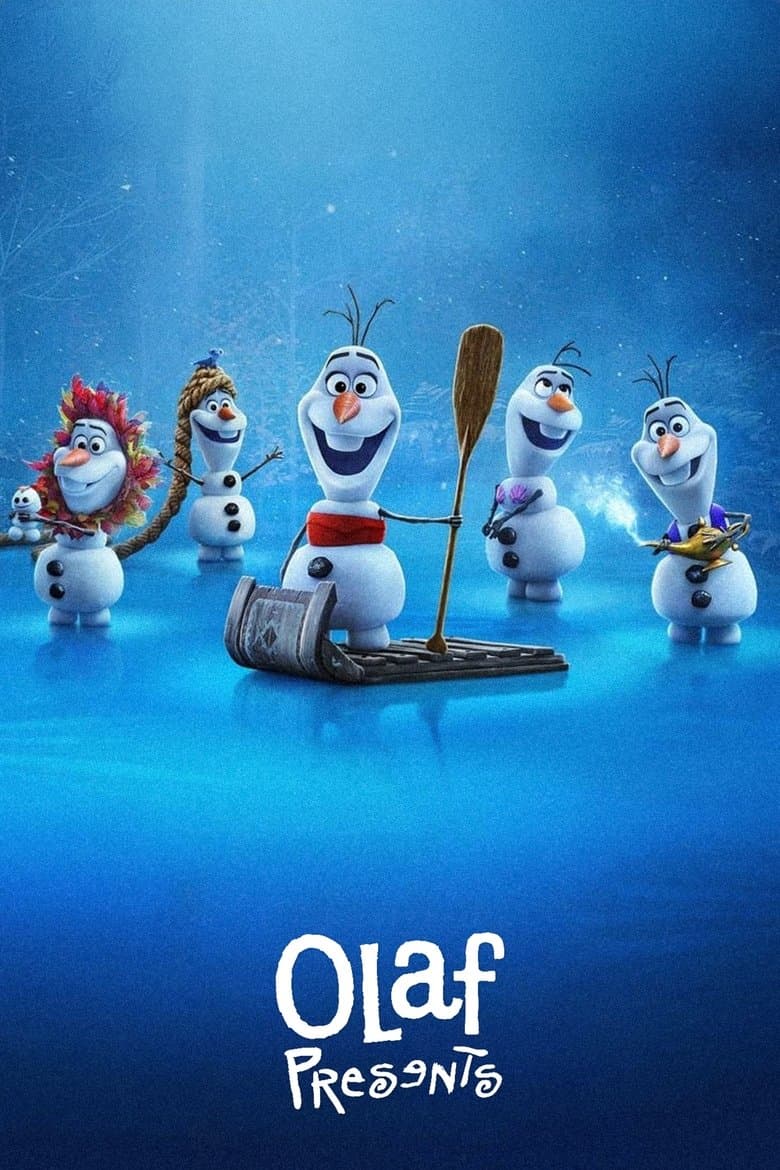
TV Show · 2021
Frozen’s beloved snowman retelling several classic Disney tales as only he can.
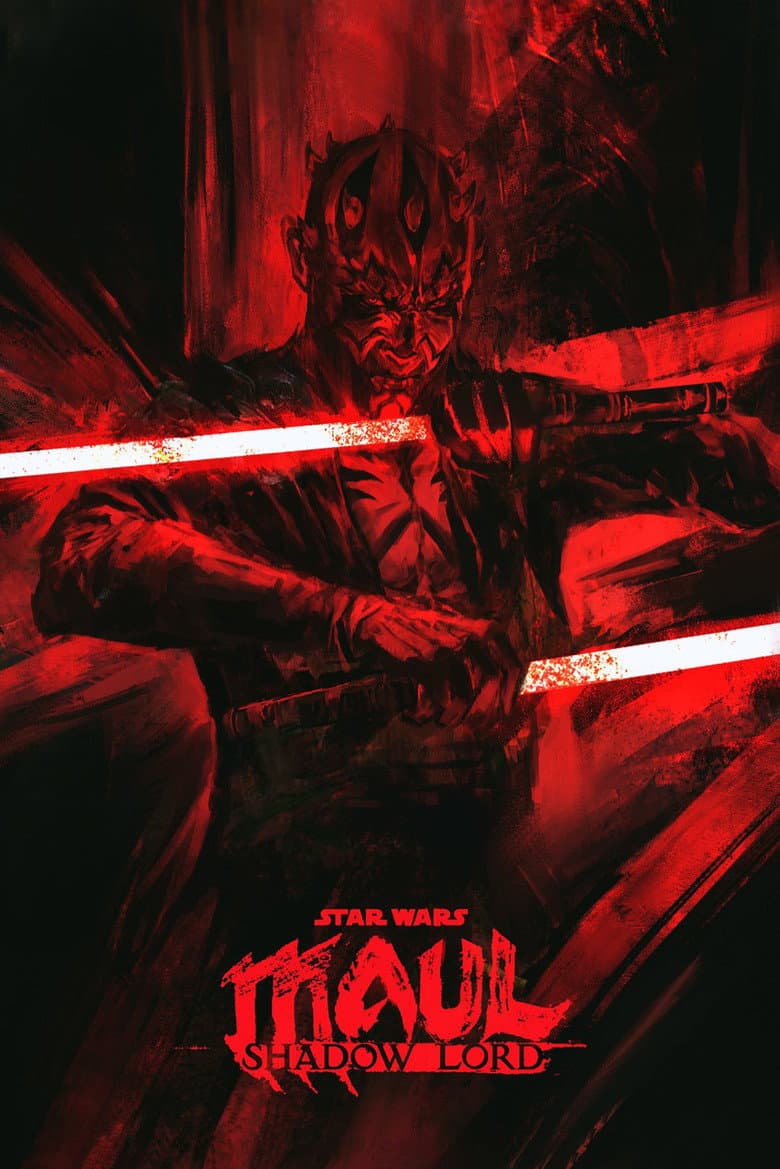
TV Show · 2026
After the Clone Wars, Maul plots to rebuild his criminal syndicate on a planet untouched by the Empire.
TV Show · 2021
The 'Bad Batch' of elite and experimental clones make their way through an ever-changing galaxy in the immediate aftermath of the Clone Wars.
