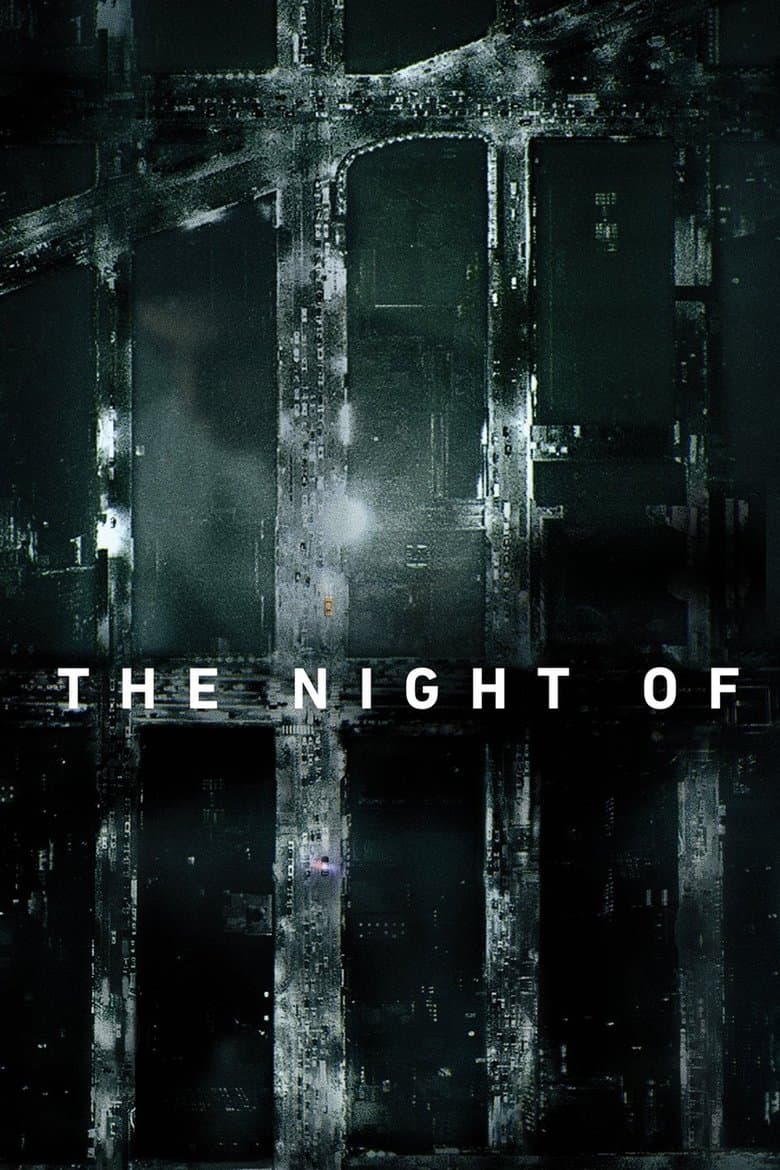
Started July 10, 2016 · Based on 1 season, 8 episodes · TV-MA · 60 min
The Night Of follows Nasir “Naz” Khan, a quiet Pakistani-American college student in Queens, New York. He takes his father’s taxi to a party, meets Andrea, and spends the night with her in her apartment. He wakes to find Andrea stabbed, and police arrest him after they find a knife and other clues that point to him. The eight-episode story follows his arrest, time at Rikers Island, trial, and damaged return home in a tense, bleak crime drama.
The show makes Naz’s Muslim family and his place between Pakistani roots and New York life part of the case. Police, prosecutors, neighbors, and even Naz’s family sometimes view him through fear linked to Islam and the attacks of September 11. The story also attacks the way bail, jail, lawyers, and court rules can turn an uncertain case into a life-changing trap. Naz changes from a shy student into a guarded drug user after prison, while the show keeps the murder answer uncertain and treats the system’s harm as more important than a clean victory.
Community feedback
Was our 35% Woke rating accurate?
Breakdown
These are the editorial factors and ratings behind our score for The Night Of.
Woke representation / casting
Not present in this title.
0%
Woke political dialogue
One courtroom exchange links Naz’s Muslim identity to the attacks of September 11 and to earlier bullying. The show also uses brief talk about Islamophobia, race, and class pressure. The dialogue stays inside the case and family history instead of becoming repeated activist speeches.
15%
Identity-driven story themes
Naz’s Pakistani Muslim background shapes how police, prosecutors, neighbors, and his own family judge him. The story shows Islamophobia, immigrant family pressure, and fear of being seen as foreign after September 11. Those themes matter across the trial, but the main arc follows prison, evidence, and Naz’s loss of innocence.
30%
Western institutional / cultural critique
The police, bail process, lawyers, jail, and trial push Naz toward a worse life. The story shows Rikers Island as violent and dehumanizing before Naz is found guilty. Money and legal rules often matter more than finding the truth. The show makes this system failure a major message, but it does not widen into attacks on capitalism, Christianity, or ordinary family life.
45%
Woke character or canon changes
Not present in this title.
0%
Anti-woke backlash and complaints
Not present in this title.
0%
Creator track record context
Richard Price, Steven Zaillian, and James Marsh have no known pattern of activist or identity-driven work in the supplied creator notes. Other listed producers also have low context scores. Price and Zaillian did discuss social justice and the choice to make Naz Pakistani in title interviews. That gives the show a mild creator-context signal, not a strong one.
15%
Production
TV Show · 2020
When an insidious supernatural force edges its way into a seemingly straightforward investigation into the gruesome murder of a young boy, it leads a seasoned cop and an…
TV Show · 2017
A war veteran turned private detective operates out of a tiny office in London’s Denmark Street. Although wounded both physically and psychologically, his unique insight and…
TV Show · 2018
A troubled war veteran is assigned to protect a controversial politician who may be the target of a terror plot.
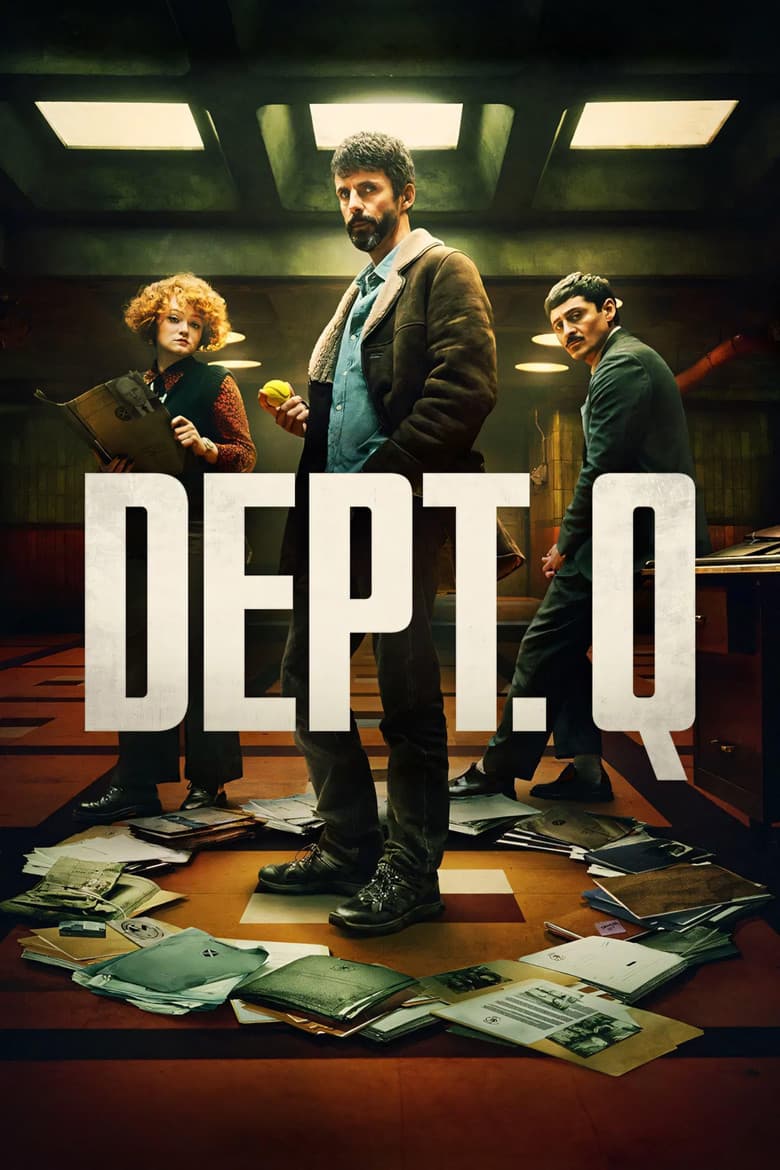
TV Show · 2025
A brash but brilliant cop becomes head of a new police department, where he leads an unlikely team of misfits in solving Edinburgh's cold cases.
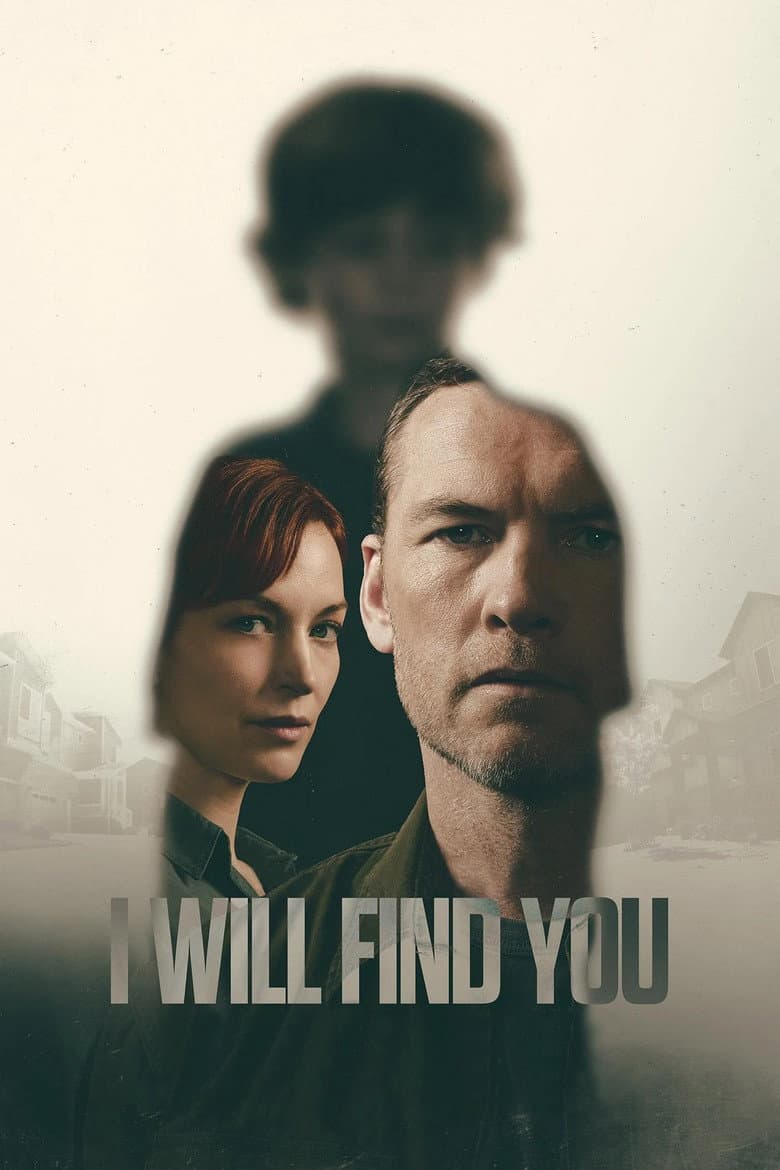
TV Show · 2026
Wrongfully imprisoned for murdering his own son, a father sets out on a desperate rescue mission after learning the boy may still be alive.
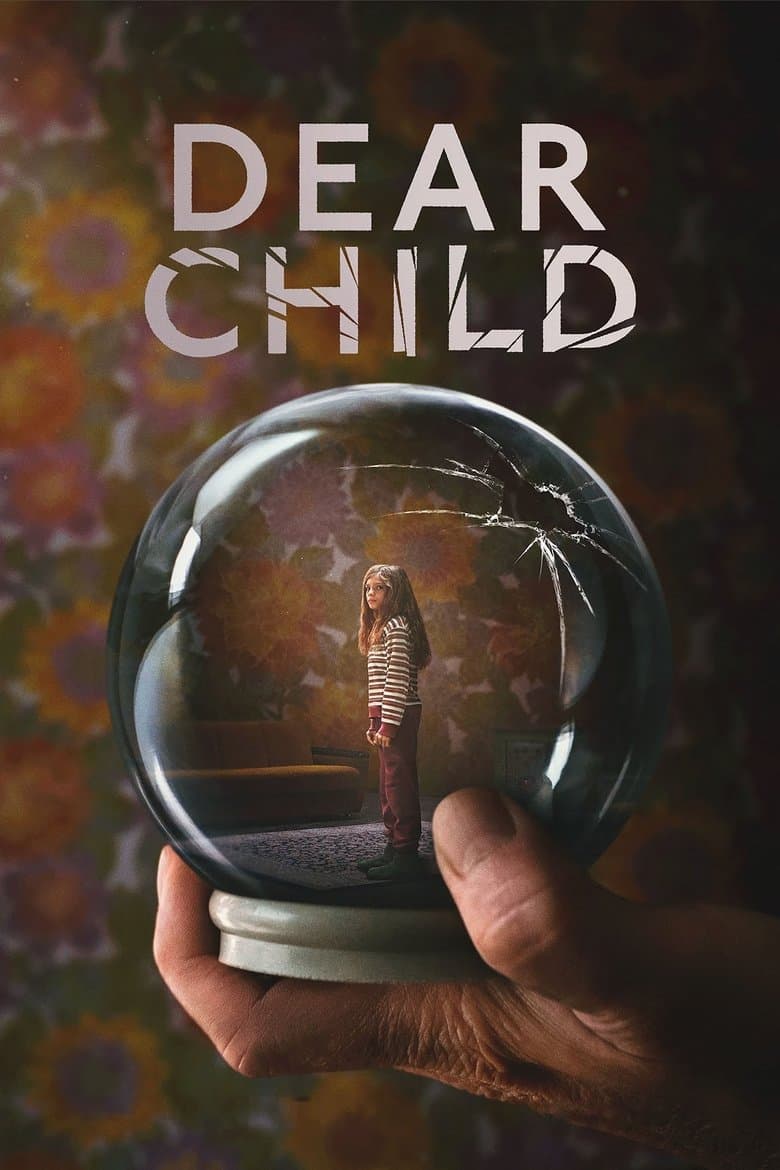
TV Show · 2023
A mysterious woman's escape from her harrowing captivity points investigators toward the dark truth behind an unsolved disappearance 13 years earlier.
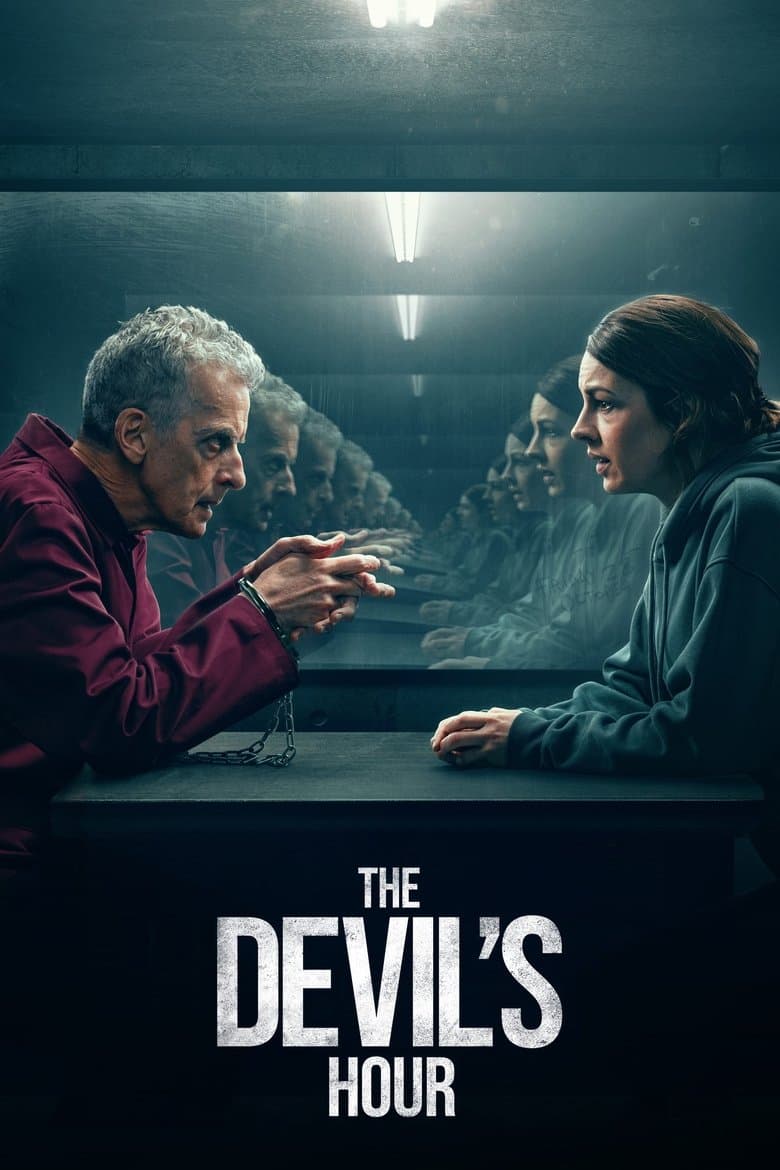
TV Show · 2022
Lucy wakes every night at exactly 3:33am. Nothing in her life has made sense for a long time. But the answers are out there, somewhere, at the end of a trail of brutal murders.
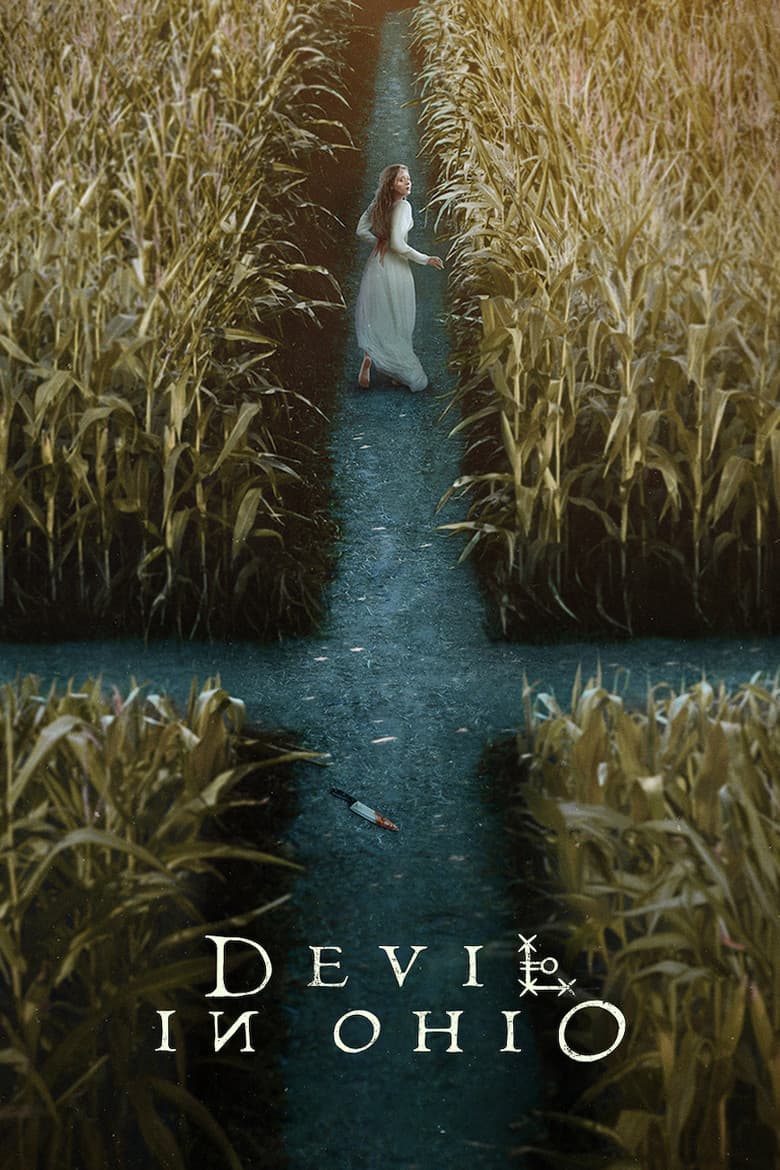
TV Show · 2022
Determined to protect a young patient who escaped a mysterious cult, a psychiatrist takes the girl in, putting her own family — and life — in danger.
