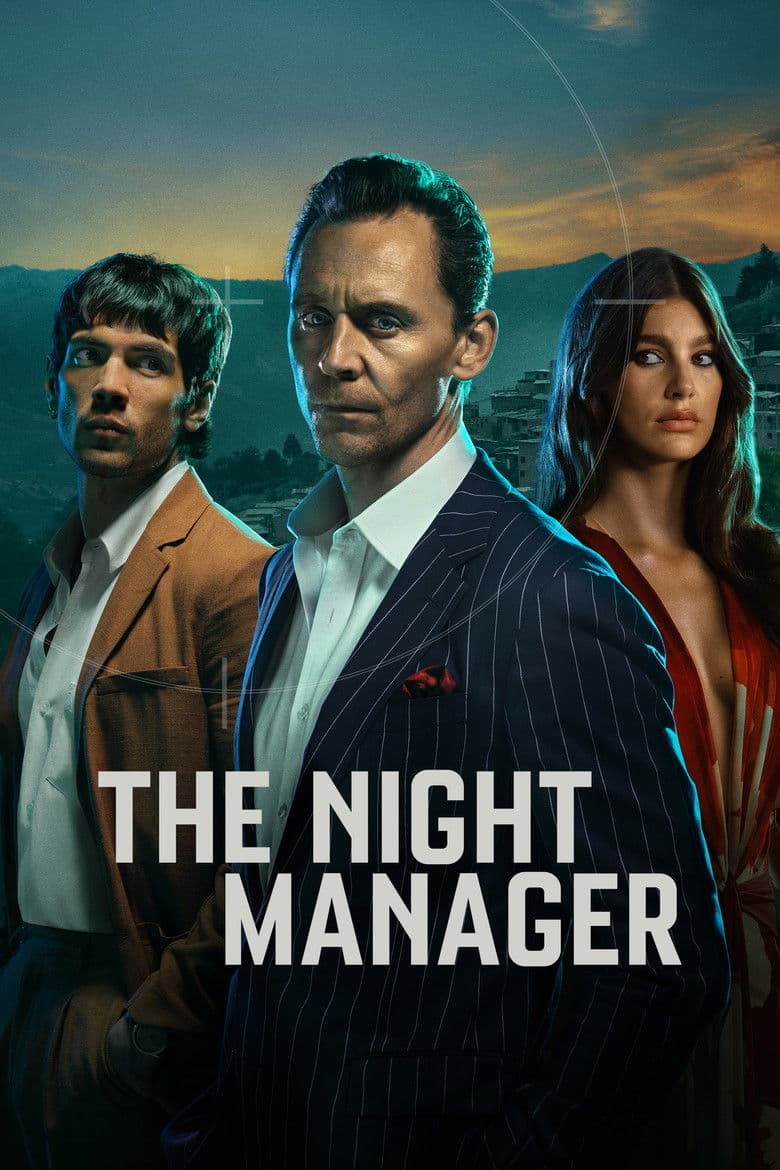
Started February 21, 2016 · Based on 2 seasons, 12 episodes · TV-MA
Former soldier Jonathan Pine works as a hotel night manager and is drawn into British intelligence work. He infiltrates the circle of ruthless arms dealer Richard Roper after a woman who trusted him is murdered. Investigator Angela Burr recruits him to go undercover inside Roper’s luxury world of shell companies and corrupt deals. Years later, Pine returns to chase a related Colombian operation built around arms kingpin Teddy Dos Santos. Across two seasons the show is a polished spy thriller about betrayal, cover identities, and the illegal arms trade.
Series 1 is mainly a classical spy revenge and infiltration plot with an Arab Spring backdrop rather than identity politics as the engine. Series 2 makes the Pine and Teddy flirtation, erotic charge, and sexual fluidity a central story thread that is hard to miss. LGBTQ identity becomes a major late-season theme even though the spine remains espionage. The series also presents a prominent pregnant female intelligence lead, stronger female agency, and more non-white faces in MI6, plus open critique of Western intelligence complicity in illegal arms dealing.
Community feedback
Was our 66% Woke rating accurate?
Breakdown
These are the editorial factors and ratings behind our score for The Night Manager.
Woke representation / casting
A gender-swapped Burr leads as a pregnant female intelligence officer. Series 2 puts more skilled women and non-white faces in MI6 and SIS roles. Major queer or queer-coded characters, including Teddy’s queerness and Pine’s fluid or bi presentation, add clear LGBTQ weight beyond ordinary modern casting.
46%
Woke political dialogue
Most talk is about tradecraft, betrayal, arms logistics, and bureaucratic roadblocks. It is not full of identity slogans. Mild Western exploitation ideas sit more in the premise than in speechmaking.
15%
Identity-driven story themes
Series 1 is a classic spy revenge and infiltration story, not driven by identity politics. Series 2 makes Pine and Teddy’s flirtation, erotic charge, and sexual fluidity a central, hard-to-miss thread. LGBTQ identity becomes a major late-season theme while the main spine stays espionage.
55%
Western institutional / cultural critique
The plot shows Western intelligence and the state helping illegal arms dealing and using conflict zones for gain. Farr openly tied le Carré’s anger about Western meddling to the Arab Spring. That is strong institutional critique in a classical anti-establishment mode, not modern DEI framing of whiteness or patriarchy.
42%
Woke character or canon changes
Male Leonard Burr becomes Angela Burr to show modern intelligence diversity and avoid an old gentlemen’s club feel. Series 2 invents a major queer or fluid side for Pine and a queer Teddy that the novel’s straight romance and Series 1 did not center. Ordinary setting updates are not scored as identity ideology.
50%
Anti-woke backlash and complaints
Some viewers on social media call Series 2 woke, gay bs, or girlboss bait-and-switch. There is no big mainstream anti-woke news wave. Most Series 2 complaints are about quality, tone, or character deaths, not DEI.
20%
Creator track record context
Cached profiles for most producers and stars are low. Farr and Series 2 director Banks-Davies add some lift through talk of Western exploitation, women’s agency, class and race diversity in MI6, and identity-era politics. That context matches Series 2’s representation and queer emphasis more than Series 1’s pure thriller mode.
24%
Production
TV Show · 2020
Grace and Jonathan Fraser are living the only lives they ever wanted. Overnight a chasm opens in their lives: a violent death and a chain of terrible revelations.
TV Show · 2017
A war veteran turned private detective operates out of a tiny office in London’s Denmark Street. Although wounded both physically and psychologically, his unique insight and…
TV Show · 2021
A detective in a small Pennsylvania town investigates a local murder while trying to keep her life from falling apart.
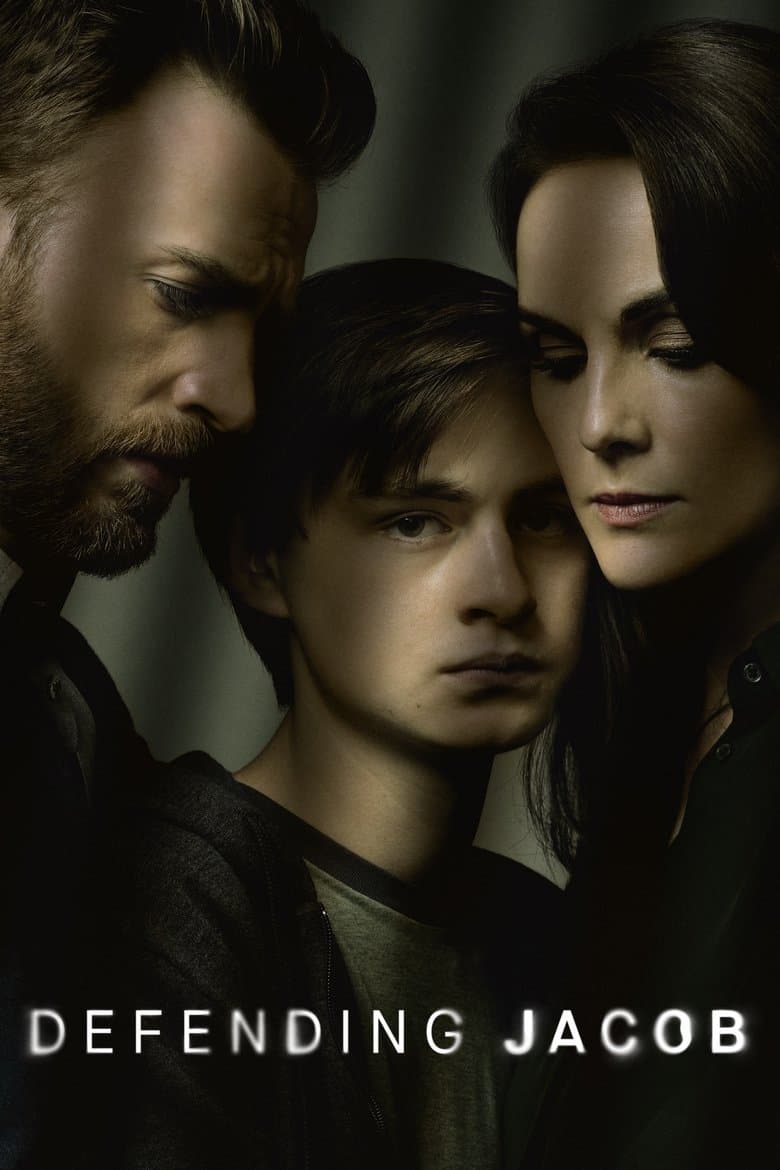
TV Show · 2020
A family's lives are irreparably disrupted when the 14-year-old son is accused of murdering a fellow classmate.
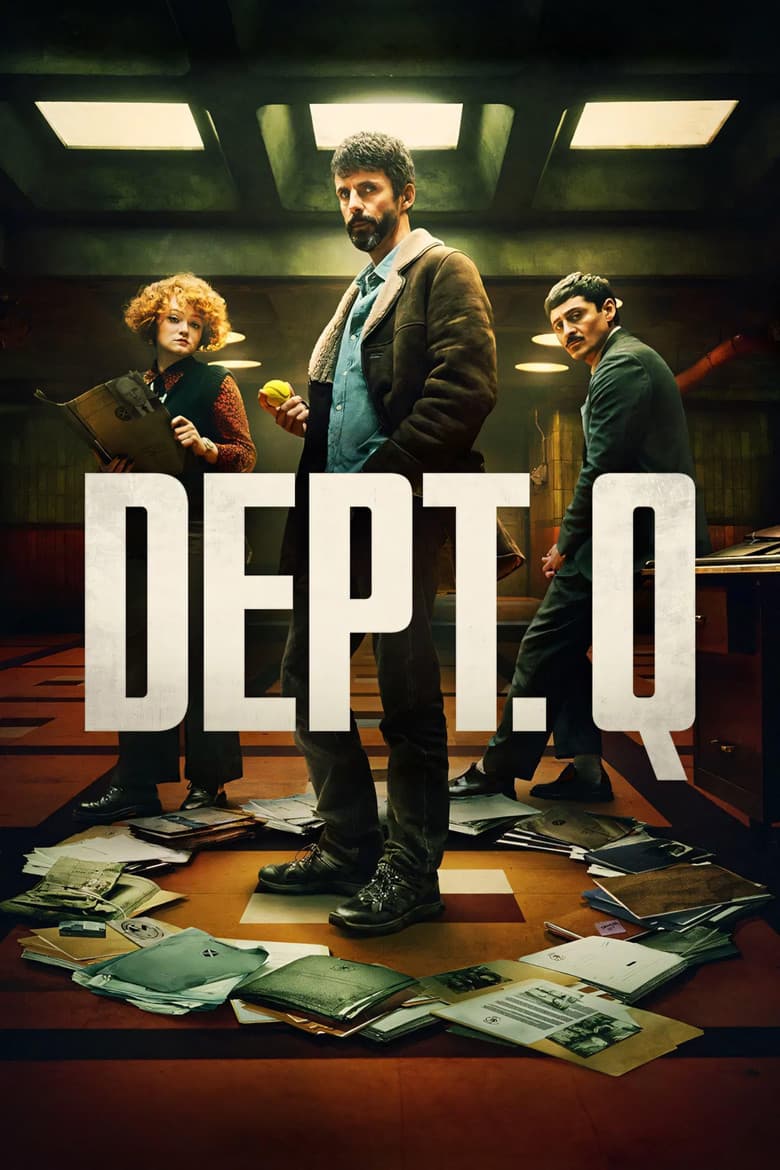
TV Show · 2025
A brash but brilliant cop becomes head of a new police department, where he leads an unlikely team of misfits in solving Edinburgh's cold cases.
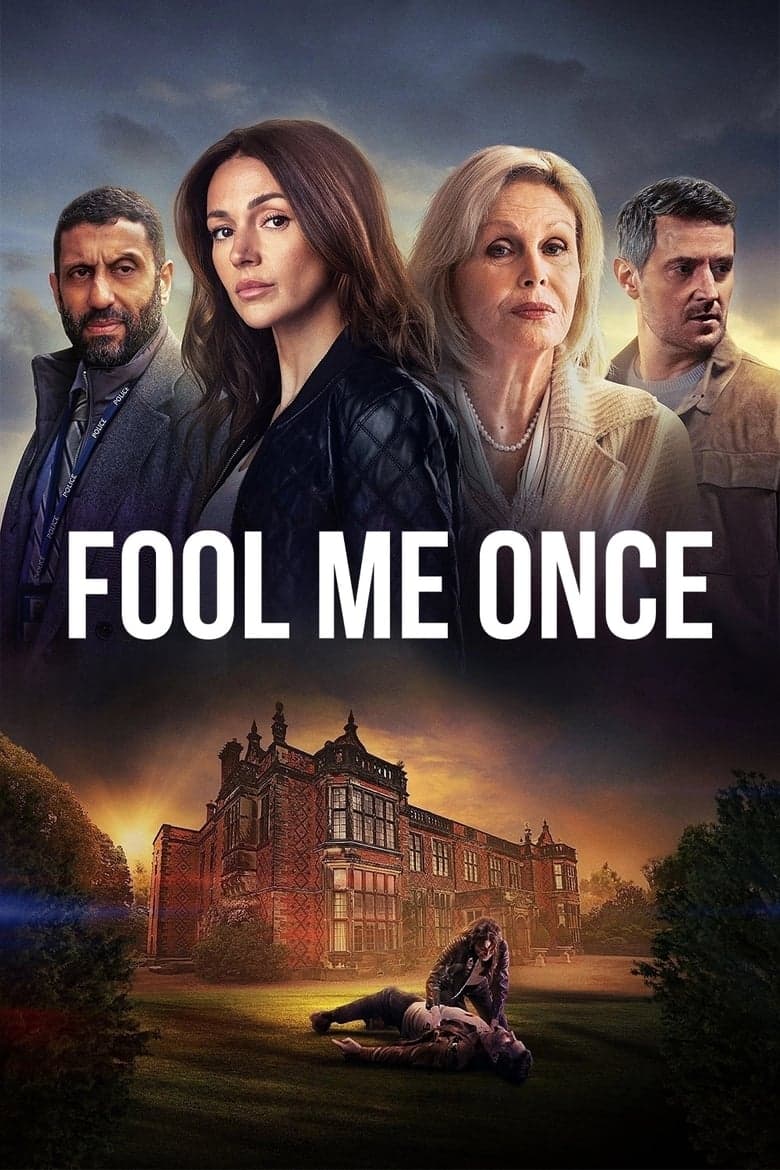
TV Show · 2024
When ex-soldier Maya sees her murdered husband on a secret nanny cam, she uncovers a deadly conspiracy that stretches deep into the past.

TV Show · 2022
Determined to protect a young patient who escaped a mysterious cult, a psychiatrist takes the girl in, putting her own family — and life — in danger.
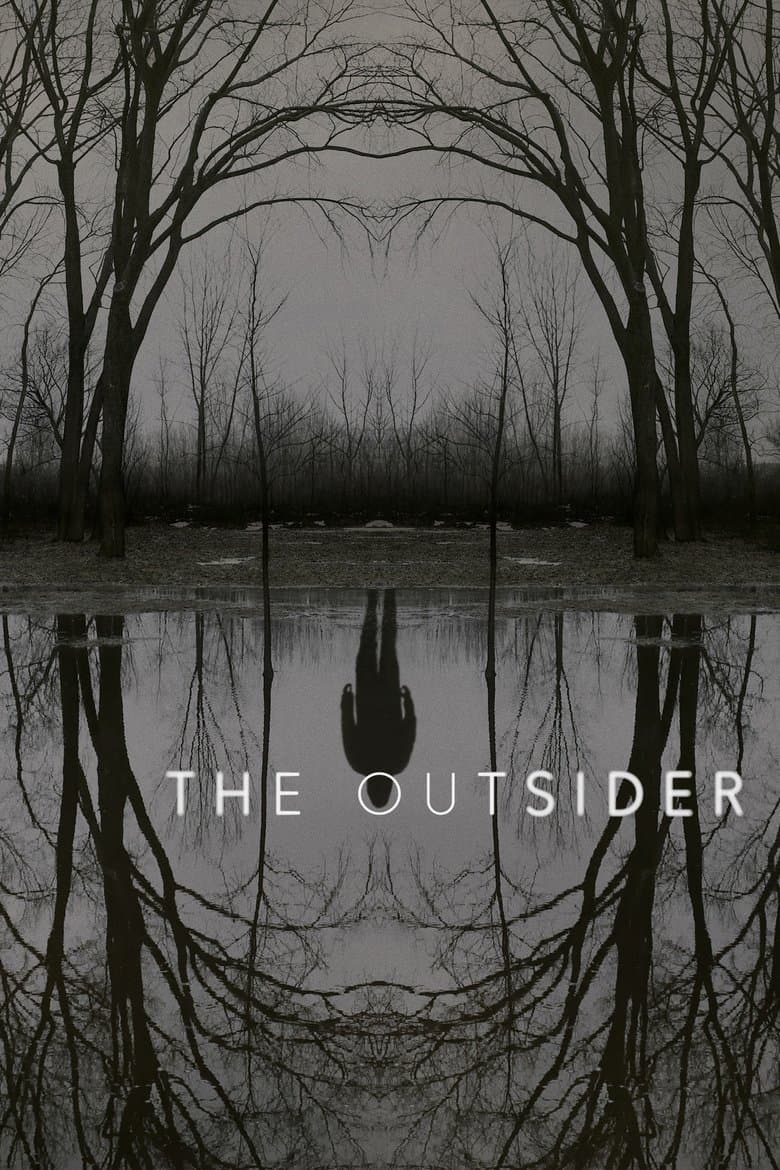
TV Show · 2020
When an insidious supernatural force edges its way into a seemingly straightforward investigation into the gruesome murder of a young boy, it leads a seasoned cop and an…
