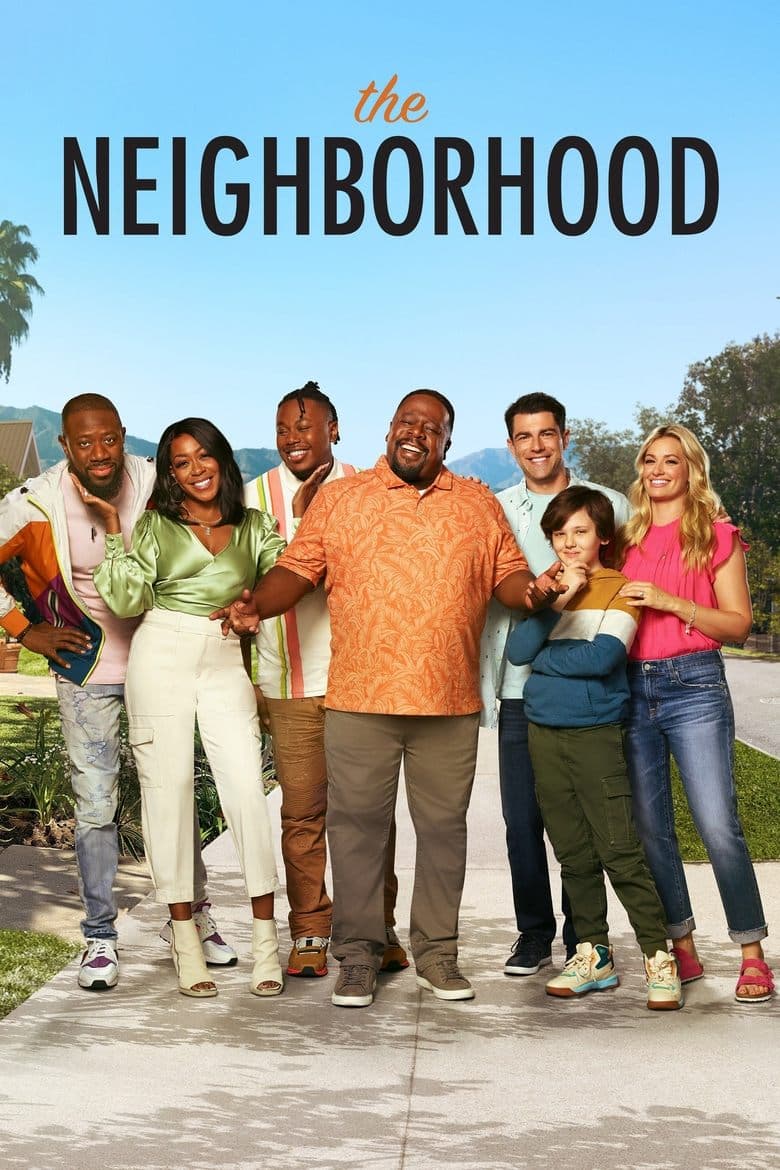
Started October 1, 2018 · Ended · Based on 8 seasons, 155 episodes through May 11, 2026 · TV-PG · 22 min
The Neighborhood is a CBS sitcom that ran for eight seasons from 2018 to 2026. It follows a friendly white Midwestern family that moves next door to a black family in a Pasadena neighborhood and slowly builds friendships despite initial cultural clashes. Early episodes directly address white privilege through a golf club outing and a season three premiere centered on a Black Lives Matter protest and police interactions.
Community feedback
Was our 50% Woke rating accurate?
Breakdown
These are the editorial factors and ratings behind our score for The Neighborhood.
Woke representation / casting
The core premise places a white family in a predominantly black neighborhood and builds stories around visible racial and cultural differences in prominent roles for both families, including competent black professionals in the established community.
32%
Woke political dialogue
Early episodes include direct discussion of white privilege in everyday settings and a season three premiere that portrays a BLM protest along with characters processing police interactions and differential treatment.
32%
Production
Identity-driven story themes
Racial and cultural adjustment between the white newcomers and black neighbors drives the initial setup and many early plots, though later seasons shift more toward general family and friendship stories.
48%
Western institutional / cultural critique
A few episodes use comedy to show race-based differences at a golf club and during a protest, but these stay episodic and light without broad attacks on Western institutions, patriarchy, or capitalism.
22%
Woke character or canon changes
Not present in this title.
0%
Anti-woke backlash and complaints
Viewers specifically called out the white privilege episode and BLM premiere as heavy-handed or agenda-pushing, with some labeling early content as preachy or DEI-style, though such complaints stayed limited across the show's eight-season run.
28%
Creator track record context
Jim Reynolds created a premise built on racial clashes and assembled a diverse writers room; Cedric the Entertainer advocated for the white privilege content; brief showrunner Meg DeLoatch highlighted inclusivity; most other writers and directors have conventional comedy track records.
28%
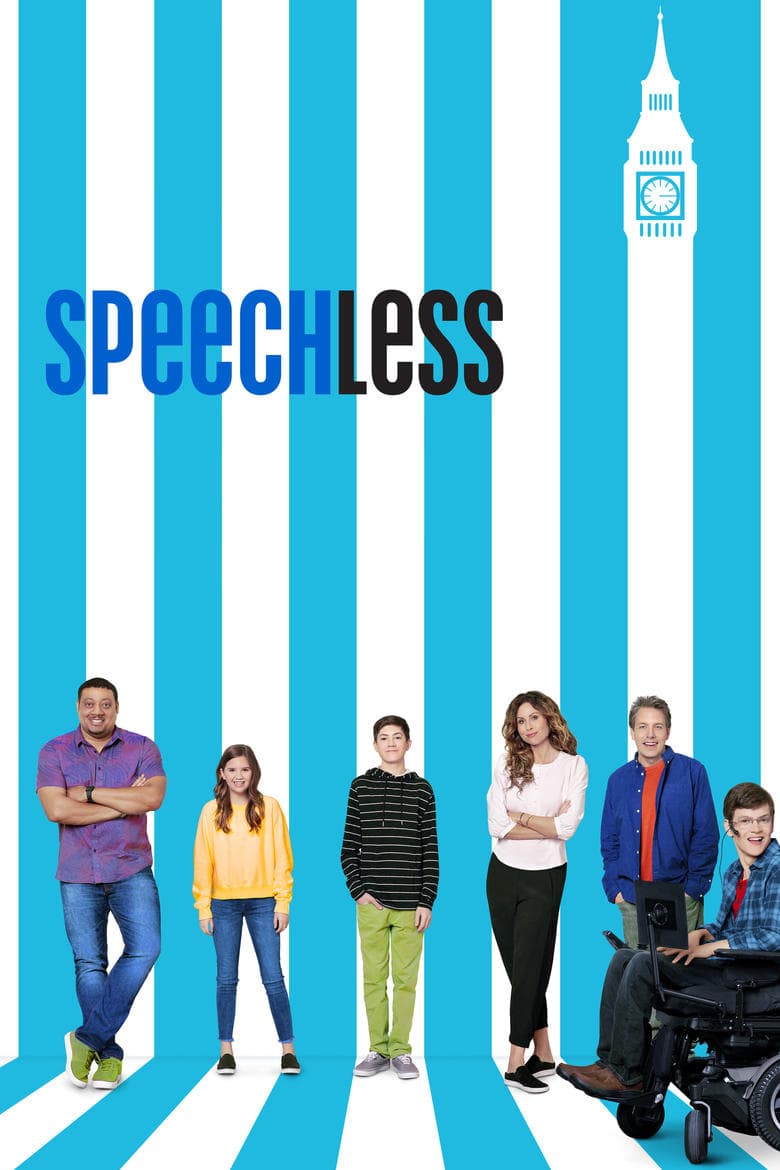
TV Show · 2016
Maya DiMeo is a mom on a mission who will do anything for her husband, Jimmy, and kids Ray, Dylan, and JJ, her eldest son with special needs.

TV Show · 2016
A dad finds out that parenting is harder than he thought after his wife goes back to work and he's left at home to take care of the kids.

TV Show · 2018
Lifelong best friends Alexa and Katie are eagerly anticipating the start of their freshman year of high school.

TV Show · 2021
Follow Jeremy Clarkson as he embarks on his latest adventure, farming. The man who on several occasions claims to be allergic to manual labour takes on the most manually labour…

TV Show · 2022
Bumbling dad Trevor tries to get the best of a cunning bee while house-sitting a posh mansion — but only unleashes more chaos in this comedy series.
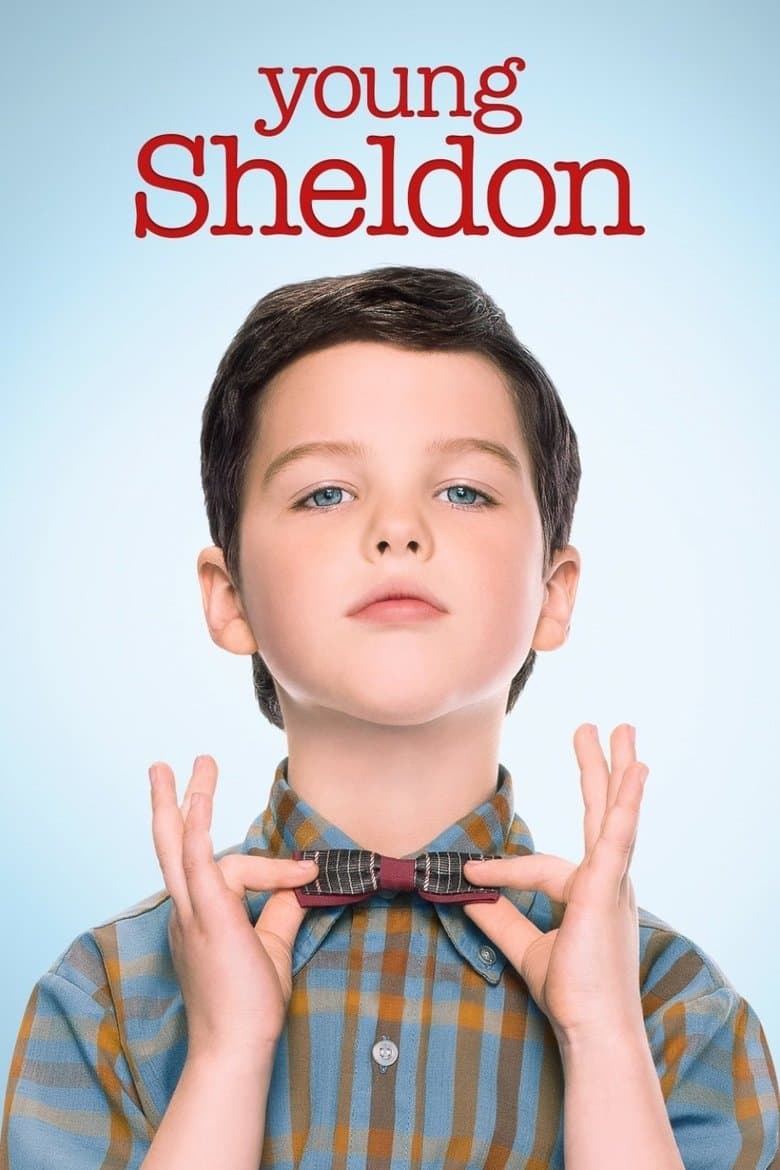
TV Show · 2017
The early life of child genius Sheldon Cooper, later seen in The Big Bang Theory.
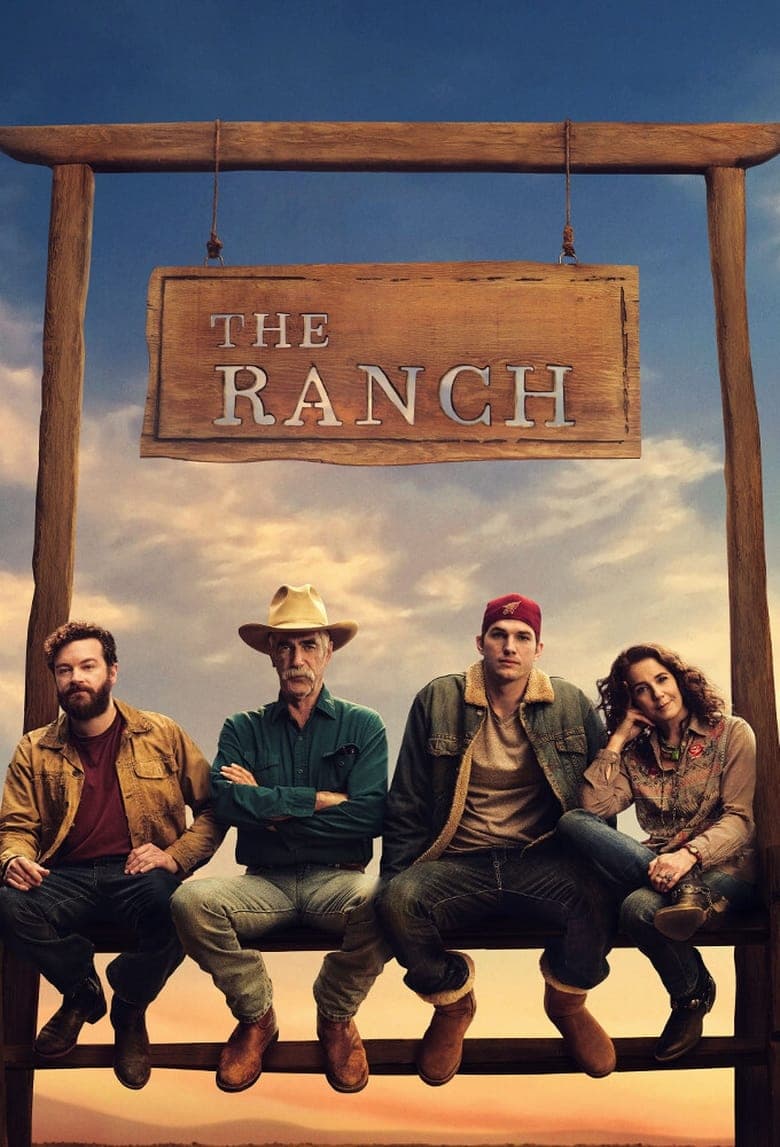
TV Show · 2016
Being a pro athlete didn't pan out for Colt. Now he's helping his dad and brother keep the ranch afloat, and figuring out how he fits into the family.
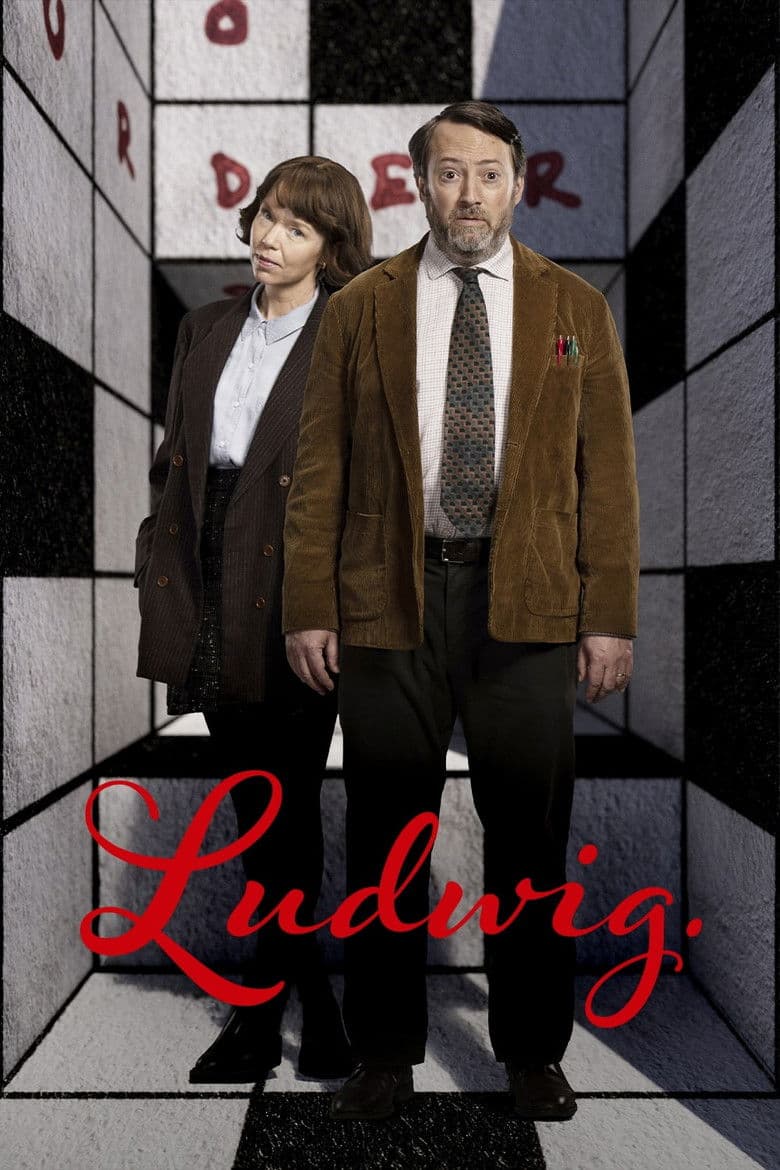
TV Show · 2024
John Taylor lives in quiet solitude, designing puzzles for a living, under the nom-de-plume of 'Ludwig'. When his identical twin, James, disappears off the face of the earth, John…
