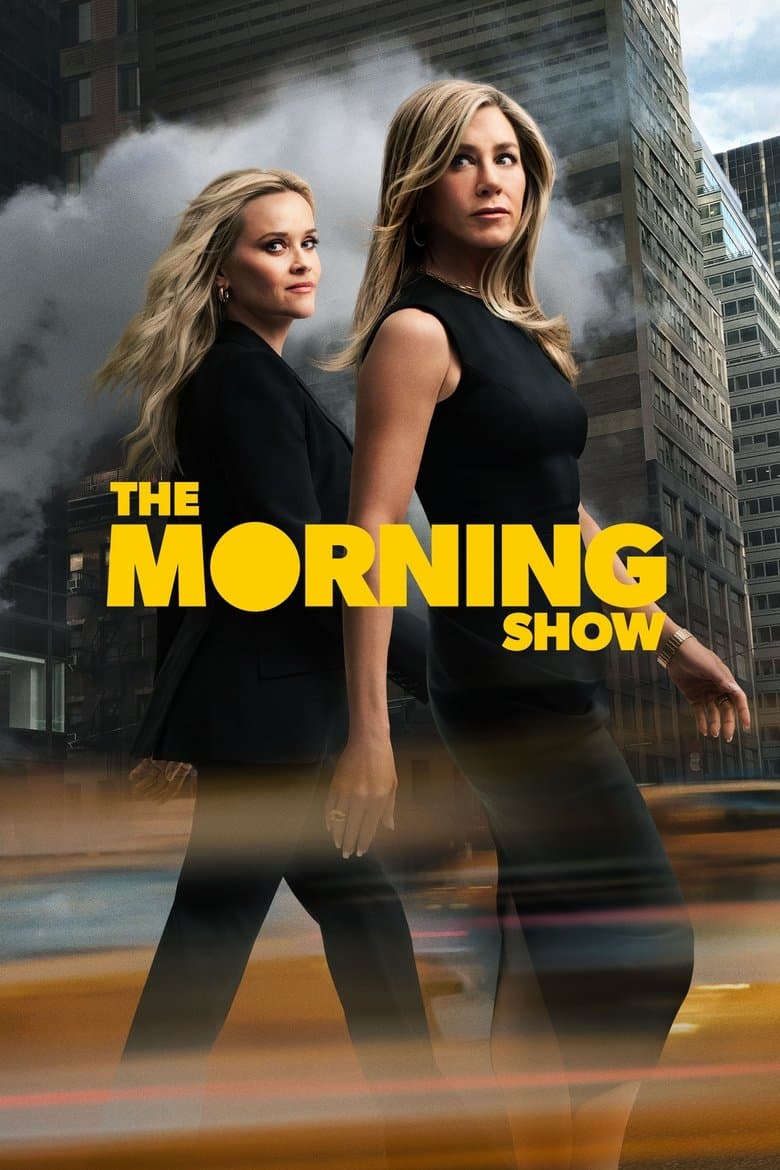
Started November 1, 2019 · Returning Series · Based on 4 seasons, 40 episodes through November 18, 2025 · TV-MA
The Morning Show is an Apple TV plus drama about a network morning news show after a famous male anchor is fired for sexual misconduct. The story follows anchors, producers, and bosses who try to keep the program running while protecting their jobs. Early seasons focus on workplace power, secrets, and who gets blamed after the scandal. Later seasons also bring in COVID, tech companies, network deals, and fights over politics in the media. The series stays centered on the people inside the newsroom and how they handle pressure on and off the air.
Viewers see heavy #MeToo talk about gender, power, and companies that shielded abusive men. A lead character’s bisexuality and her romance with a lesbian co-host become long, central storylines across many seasons. The show also puts women in top jobs, includes queer characters, and fills the newsroom with talk about feminism, race, and progressive news topics. Later seasons keep those identity and gender-power threads and add a conservative podcaster as an opposing voice. These parts are not small side notes. They shape the main plot and how the show frames right and wrong at work.
Community feedback
Was our 84% Woke rating accurate?
Breakdown
These are the editorial factors and ratings behind our score for The Morning Show.
Woke representation / casting
The modern New York network-news setting makes a multiethnic staff feel normal, and the top anchors stayed largely white for a long time. Still, power and skill often sit with female leads, and women of color hold major authority roles. There is also a Latino meteorologist, a gay black weekend host, and a multi-season queer romance. The casting is identity-aware beyond pure setting average without reading like pure checkbox marketing.
40%
Woke political dialogue
Season 1 is packed with clear #MeToo speeches and lines where men defend themselves or call the movement an overreach. Later seasons add open feminism talk, queer-label and coming-out arguments, and progressive newsroom chatter. Season 4 brings in a conservative bro podcaster as a planned foil. The dialogue keeps framing power, gender, and identity in activist-era language.
72%
Identity-driven story themes
The whole premise is built on post-#MeToo gender, power, and cover-ups after a male star falls. Bradley’s bisexuality and her relationship with Laura are multi-season main plots, not side stories. Later seasons keep grafting progressive news politics onto personal arcs. Queer and gender-power throughlines stay strong rather than fading away.
80%
Western institutional / cultural critique
The show strongly attacks patriarchal media power, male entitlement, and companies that protect abusive men. Male-star privilege is the central problem the plot is built around. Later seasons also criticize tech billionaires, network deal politics, and right-leaning bro-culture media. The focus is media patriarchy and elite accountability, not a broad attack on Christianity or Western civilization as a whole.
60%
Woke character or canon changes
Not relevant. Original series loosely inspired by nonfiction and real MeToo-era scandals, not an identity-driven rewrite of established fictional characters.
0%
Anti-woke backlash and complaints
Pushback exists but is limited and scattered rather than a mass boycott story. Some viewers call the show anti-male or full of gender lectures, and a few dismiss it as faux feminism or woke. Much louder criticism comes from other directions and does not count here. Anti-woke complaint is a secondary reaction to the MeToo and feminist framing.
28%
Creator track record context
The main creative mix lands in a moderate-high range for identity-aware prestige drama. Ehrin rebuilt the show for the MeToo era and later centered identity and Bradley’s queer arc. Leder and several writers and producers have public feminist or representation-linked patterns. Not every credit is activist-first, but the track record supports this kind of storytelling.
48%
Production
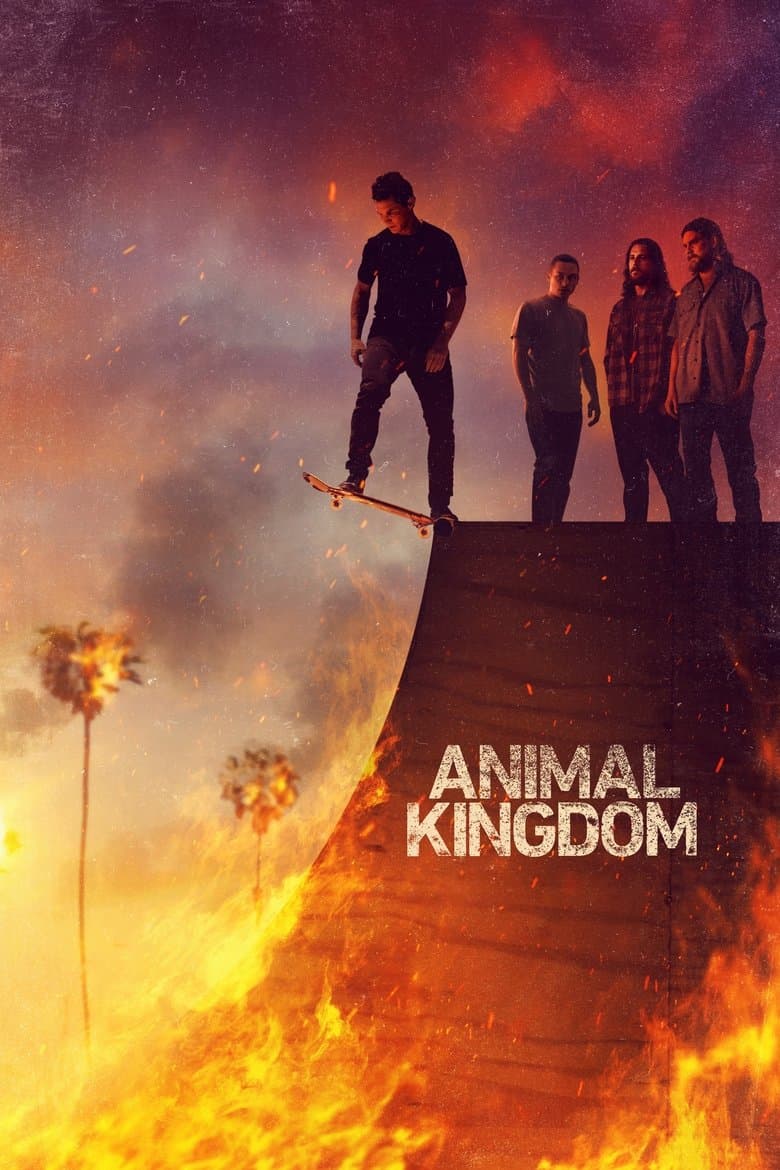
TV Show · 2016
17-year-old Joshua "J" Cody moves in with his freewheeling relatives in their Southern California beach town after his mother dies of a heroin overdose.
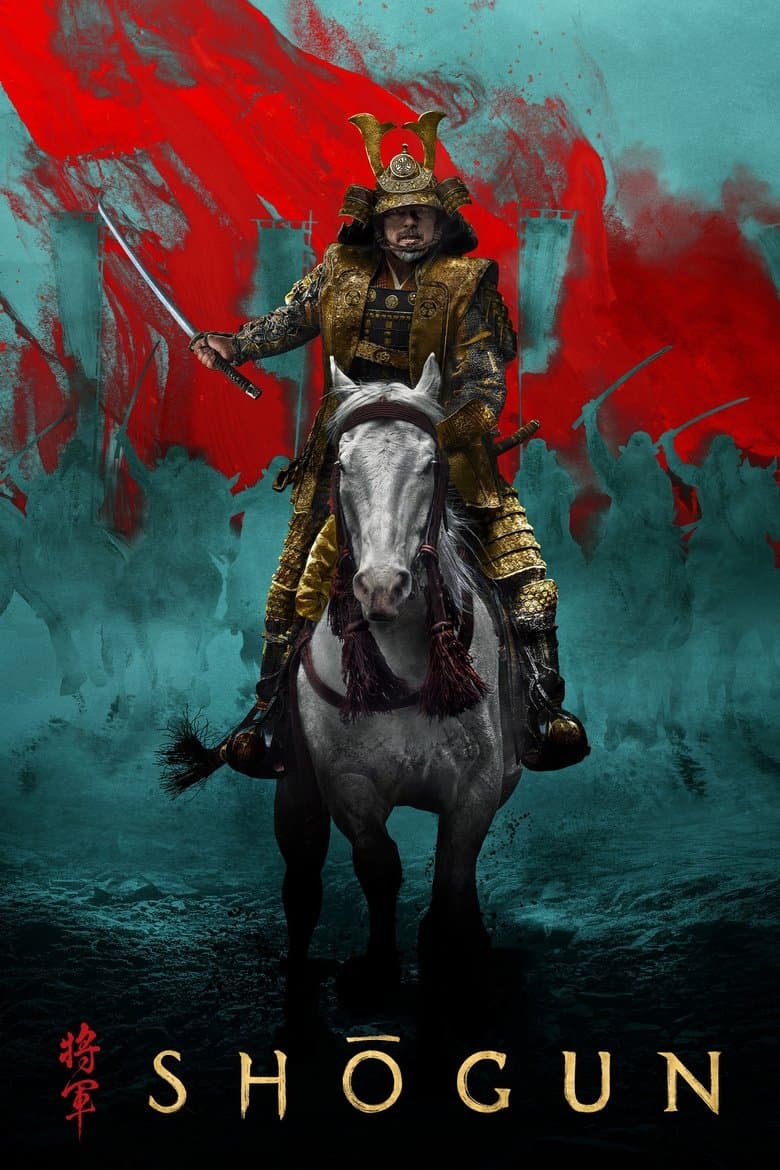
TV Show · 2024
In Japan in the year 1600, at the dawn of a century-defining civil war, Lord Yoshii Toranaga is fighting for his life as his enemies on the Council of Regents unite against him…
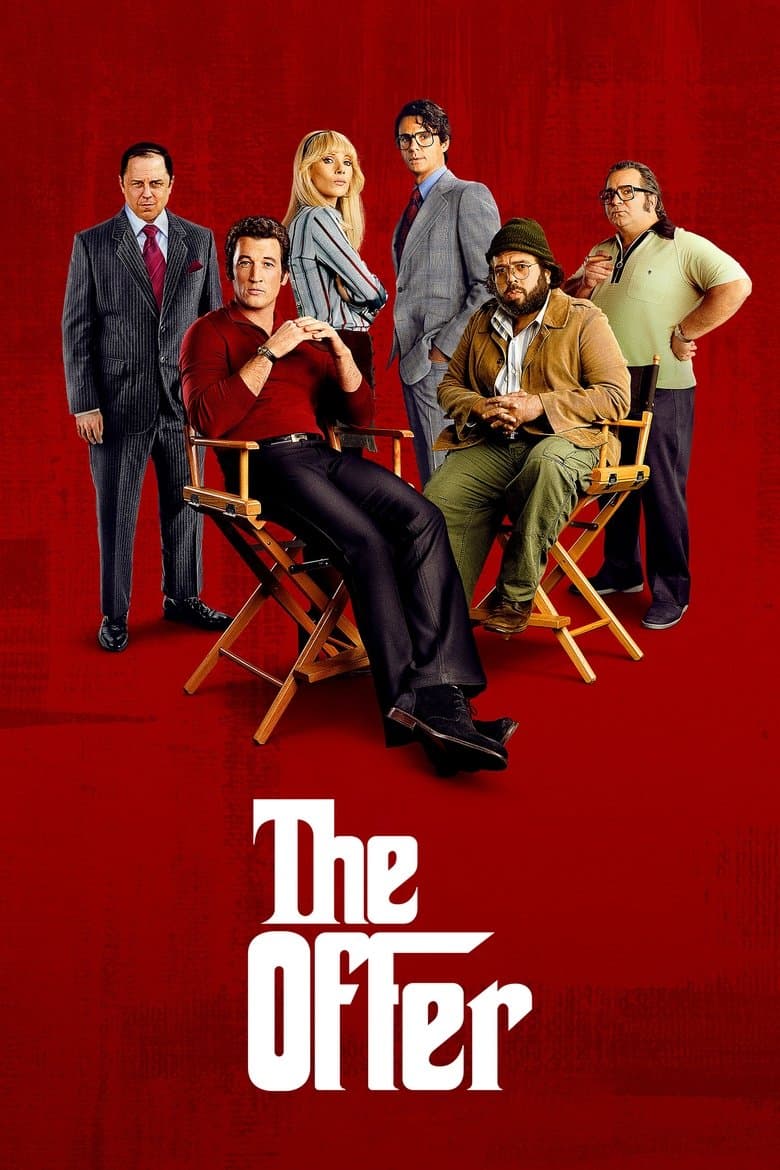
TV Show · 2022
Oscar-winning producer Al Ruddy’s never before revealed experiences of making the iconic 1972 film The Godfather that Francis Ford Coppola directed and adapted with Mario Puzo.
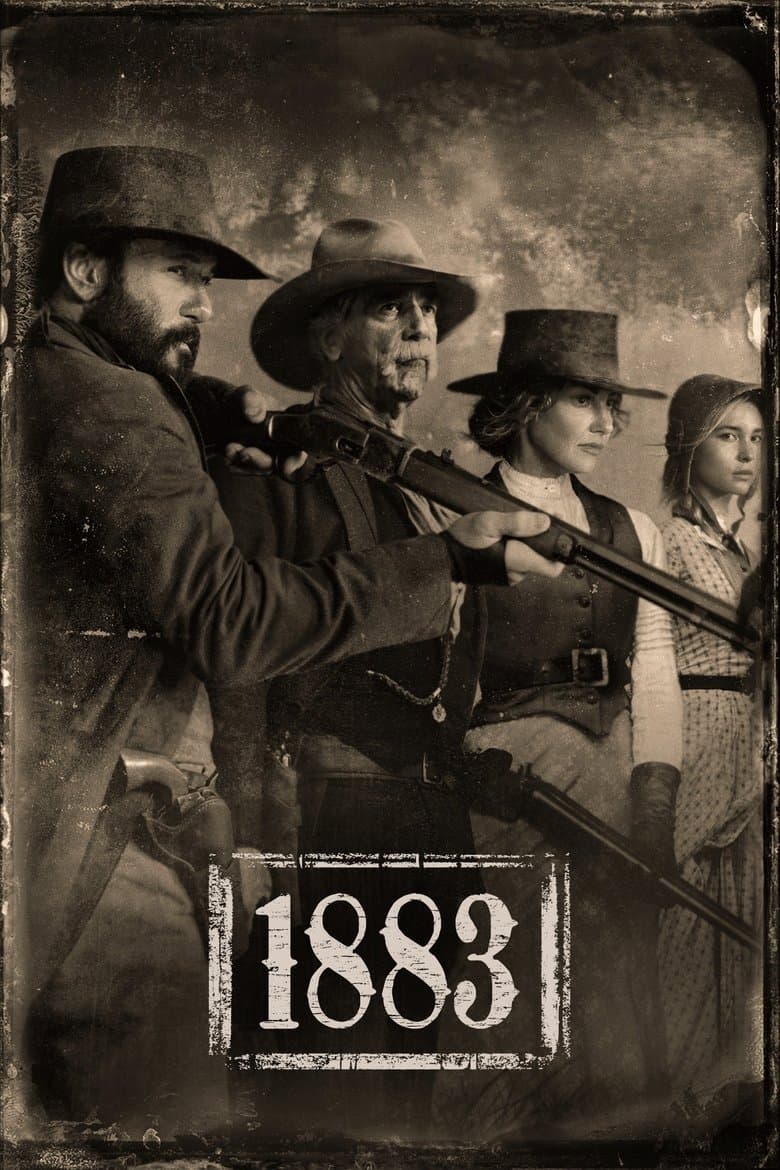
TV Show · 2021
Follow the Dutton family as they embark on a journey west through the Great Plains toward the last bastion of untamed America.
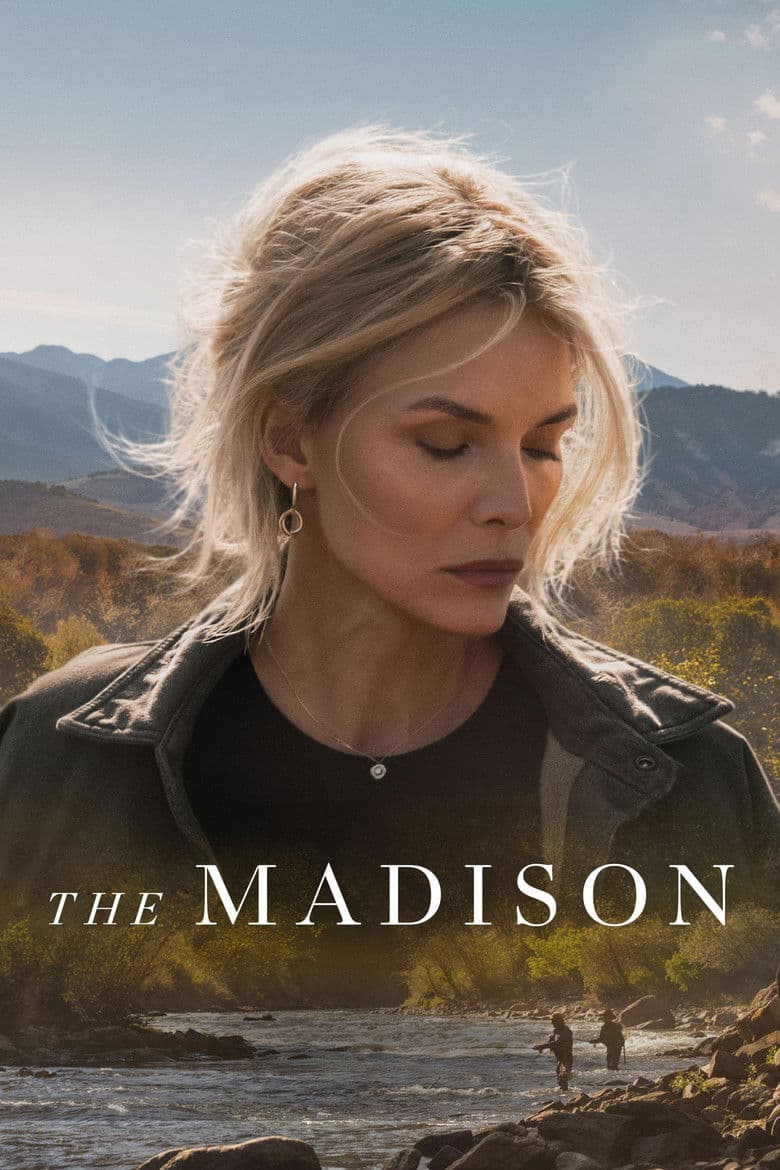
TV Show · 2026
The Clyburns uproot their comfortable New York City lives to the wild, untamed beauty of Montana's Madison River Valley on a search for connection.
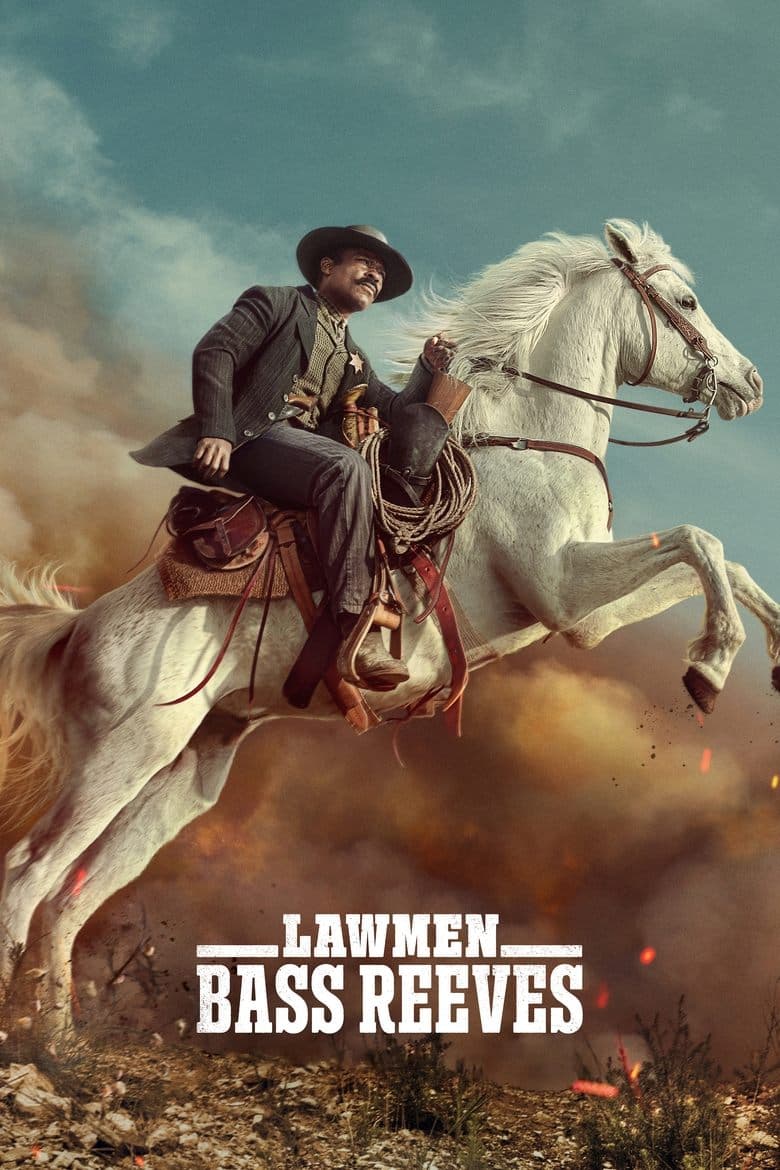
TV Show · 2023
The story of Bass Reeves, the legendary lawman of the wild West, is brought to life. Reeves worked in the post-Reconstruction era as a federal peace officer in the Indian…
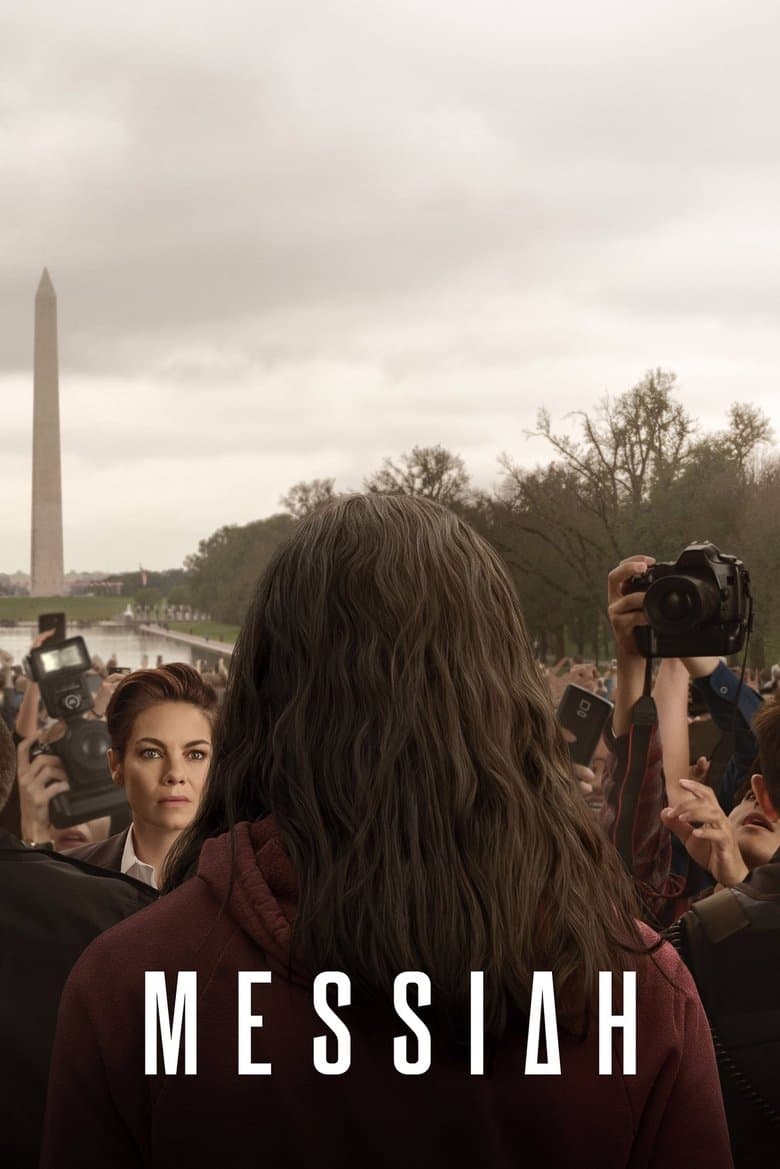
TV Show · 2020
A wary CIA officer investigates a charismatic man who sparks a spiritual movement and stirs political unrest. Who exactly is he? And what does he want?
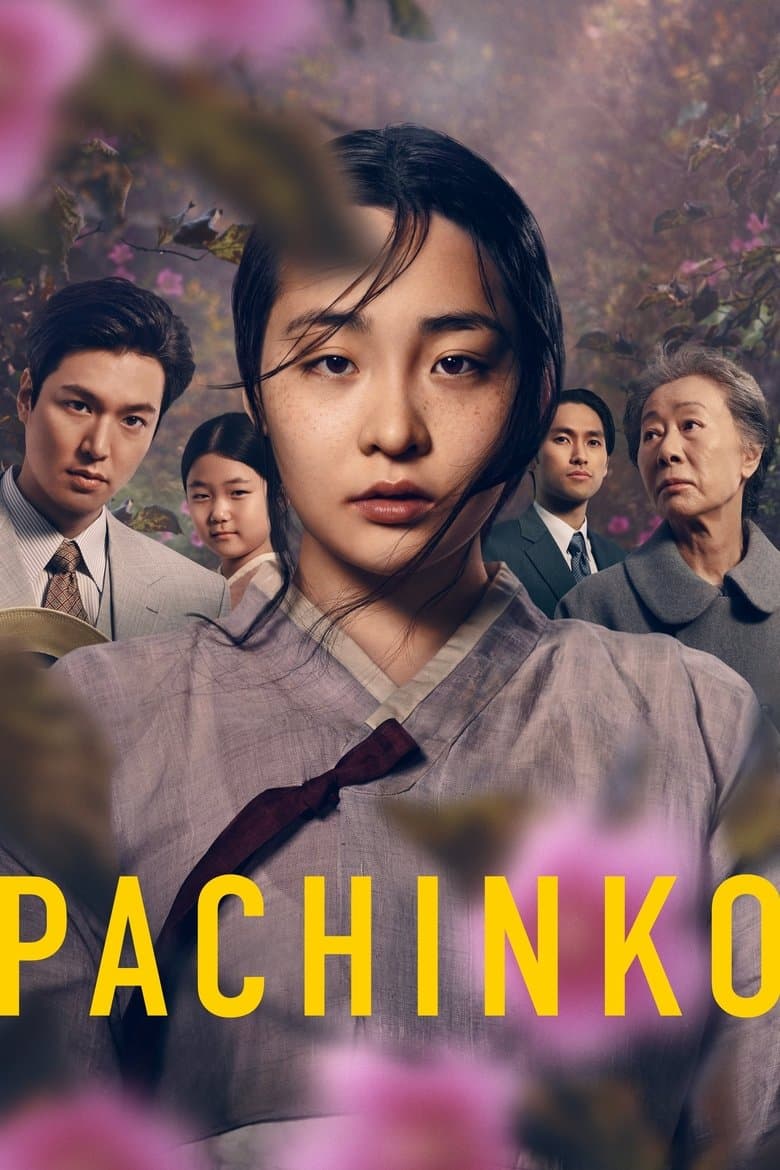
TV Show · 2022
This sweeping saga chronicles the hopes and dreams of a Korean immigrant family across four generations as they leave their homeland in an indomitable quest to survive and thrive.
