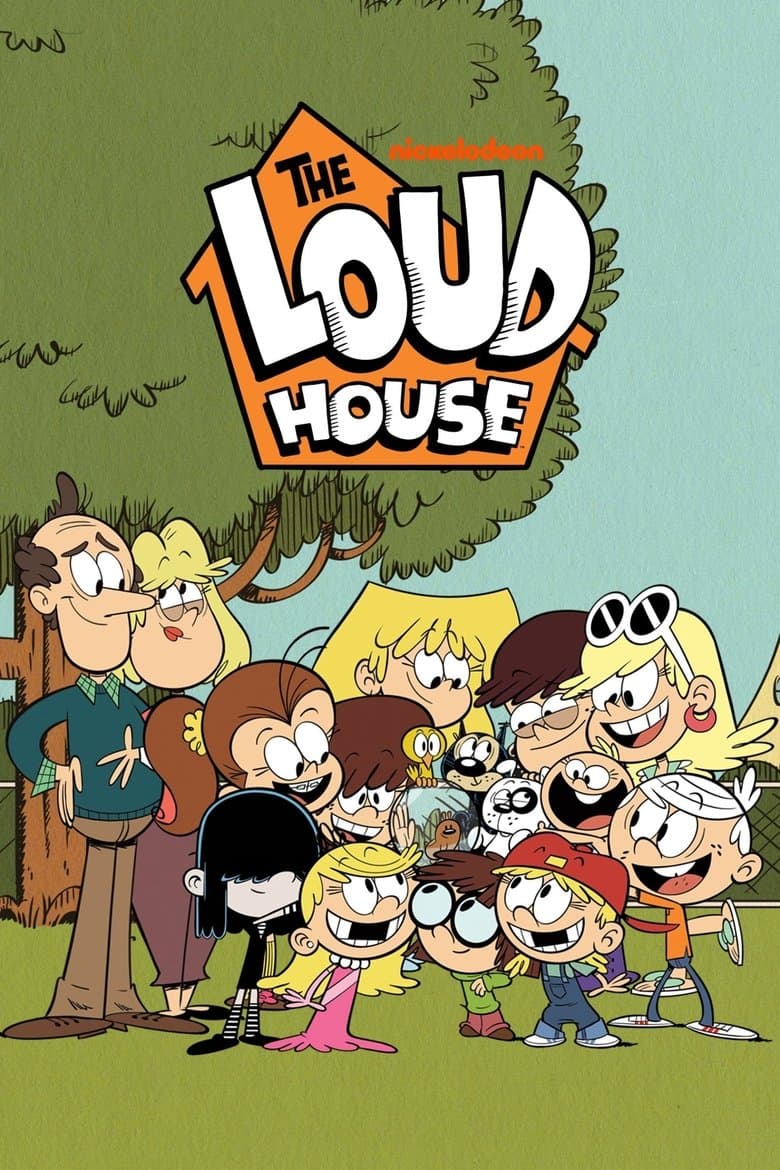
Started May 2, 2016 · Returning Series · Based on 10 seasons, 413 episodes through May 11, 2026 · TV-Y7 · 11 min
Lincoln Loud is an 11-year-old boy who lives with his parents and ten sisters in Royal Woods, Michigan. He uses plans, tricks, and help from his best friend Clyde to survive sibling fights, school problems, and family mistakes. Each sister has her own habits, skills, and goals, so Lincoln often gets pulled into their plans. The tone is fast, silly, and warm, and most stories end with teamwork or a lesson about family.
The clearest woke elements are the show's repeated LGBTQ stories. Clyde has two married dads, Howard and Harold McBride, who are an interracial gay couple, and Luna Loud has a long-running relationship with her girlfriend Sam Sharp. The Loud family treats Luna's feelings as normal and accepts Sam without a major rejection story. These plots are easy to notice and return across the series, but they remain side stories inside a comedy about sibling chaos.
Community feedback
Was our 53% Woke rating accurate?
Breakdown
These are the editorial factors and ratings behind our score for The Loud House.
Woke representation / casting
The main cast uses one boy and ten girls as its defining setup. The show gives Lincoln’s friend Clyde two married dads in an interracial gay couple. The show gives Luna a recurring girlfriend, Sam, and makes both relationships visible in family and school stories. These choices create a clear identity pattern, but most friends are still defined by personality and the family setting explains the large cast.
40%
Woke political dialogue
The show includes short acceptance lines about Clyde’s two dads and Luna’s feelings for Sam. The Loud family accepts Luna without a speech about rights, laws, or activism. One later story also uses an eco-minded character and a protest against a new invention. Most dialogue stays with jokes, school trouble, romance, and family problems.
20%
Identity-driven story themes
Luna’s crush on Sam becomes a recurring romance that includes dating and shared music stories. Clyde’s two dads return as a loving family and are treated as ordinary members of the community. The Loud siblings support Luna without making her face rejection or punishment for liking a girl. These threads recur over many seasons, but the main story still centers on family chaos rather than LGBTQ life.
48%
Western institutional / cultural critique
Not present in this title.
0%
Woke character or canon changes
Not present in this title.
0%
Anti-woke backlash and complaints
One Million Moms asked Nickelodeon to remove or edit the episode that introduced Clyde’s two dads. The group said the show was pushing an agenda, which makes the complaint clearly anti-woke. Polish group Ordo Iuris helped bring about a broadcast ban for episodes with the dads, and Kenya’s board called for suspension over LGBT content. The backlash drew news coverage, but it did not dominate the show’s long run.
47%
Creator track record context
Chris Savino based the series on growing up in a large Michigan family and has no known activist record. Michael Rubiner became showrunner after Savino left and supported continuing Luna and Sam’s story. Kevin Sullivan has said he was proud to show queer characters as part of normal family life. Lalo Alcaraz and Linda Yvette Chavez bring stronger backgrounds in Latino stories and representation, but most listed creators have no public activist record.
34%
Production
TV Show · 2018
Bluey is an inexhaustible six year-old Blue Heeler dog, who loves to play and turns everyday family life into extraordinary adventures, developing her imagination as well as her…
TV Show · 2018
The offbeat adventures of 10-year-old Cricket Green, a mischievous and optimistic country boy who moves to the big city with his wildly out of place family – older sister Tilly…
TV Show · 2021
Ever since he was a kid, Tylor Tuskmon has dreamed of becoming a Scarer just like his idol James P. Sullivan, and now that dream is about to come true... or not.
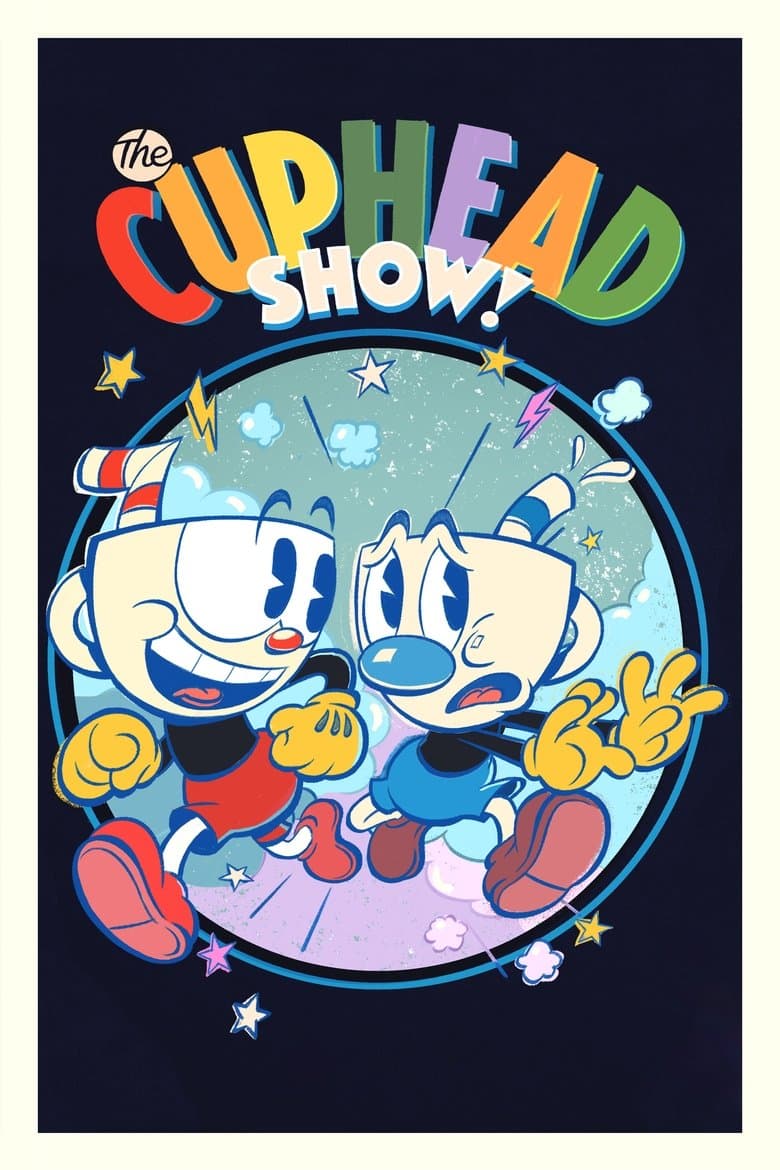
TV Show · 2022
Follow the misadventures of the impulsive Cuphead and his cautious but persuadable brother Mugman in this animated series based on the hit video game.
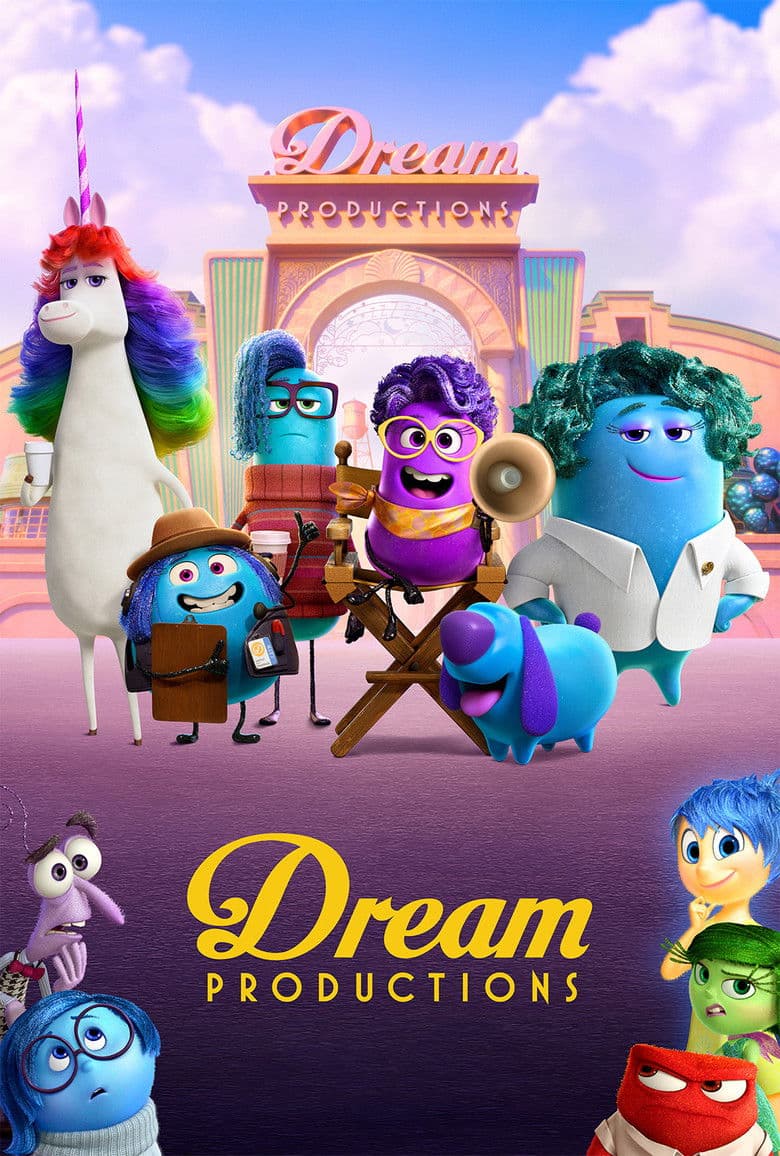
TV Show · 2024
Riley is growing up and when her memories need some extra processing, Joy and the rest of the Core Emotions send them to Dream Productions.
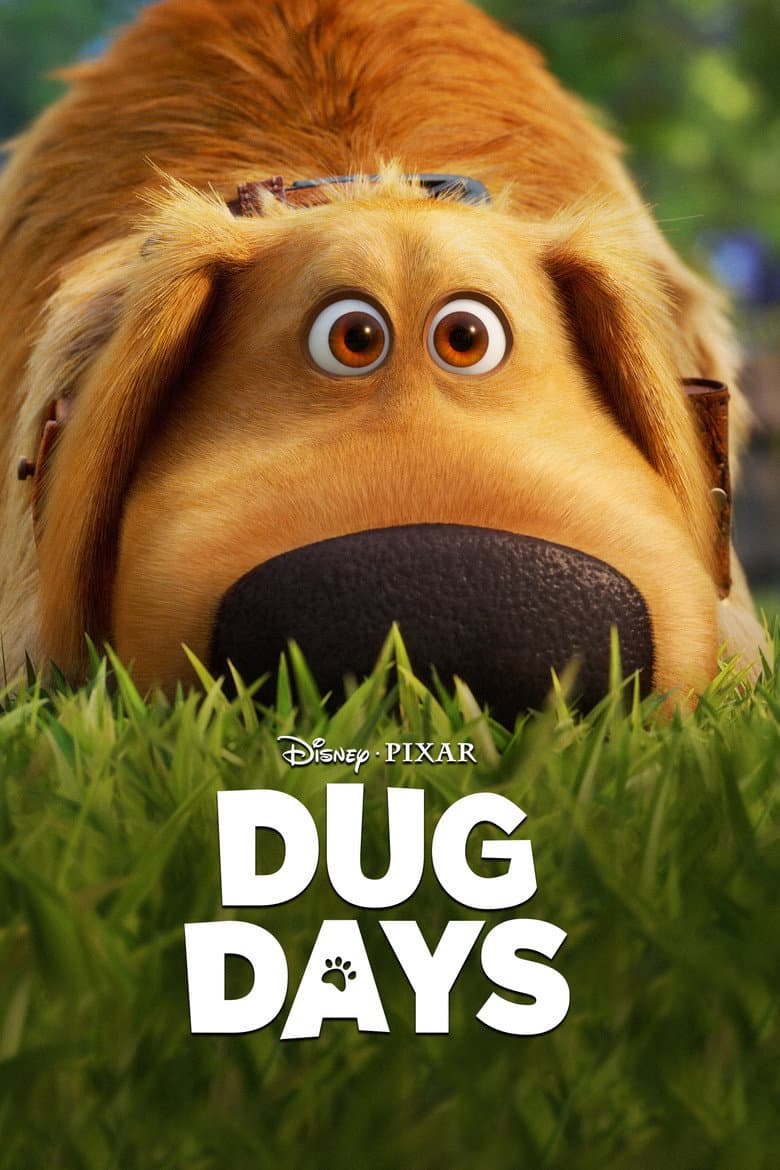
TV Show · 2021
A series of shorts that follows the humorous misadventures of Dug, the lovable dog from Disney and Pixar’s “Up.” Each short features everyday events that occur in Dug's backyard…
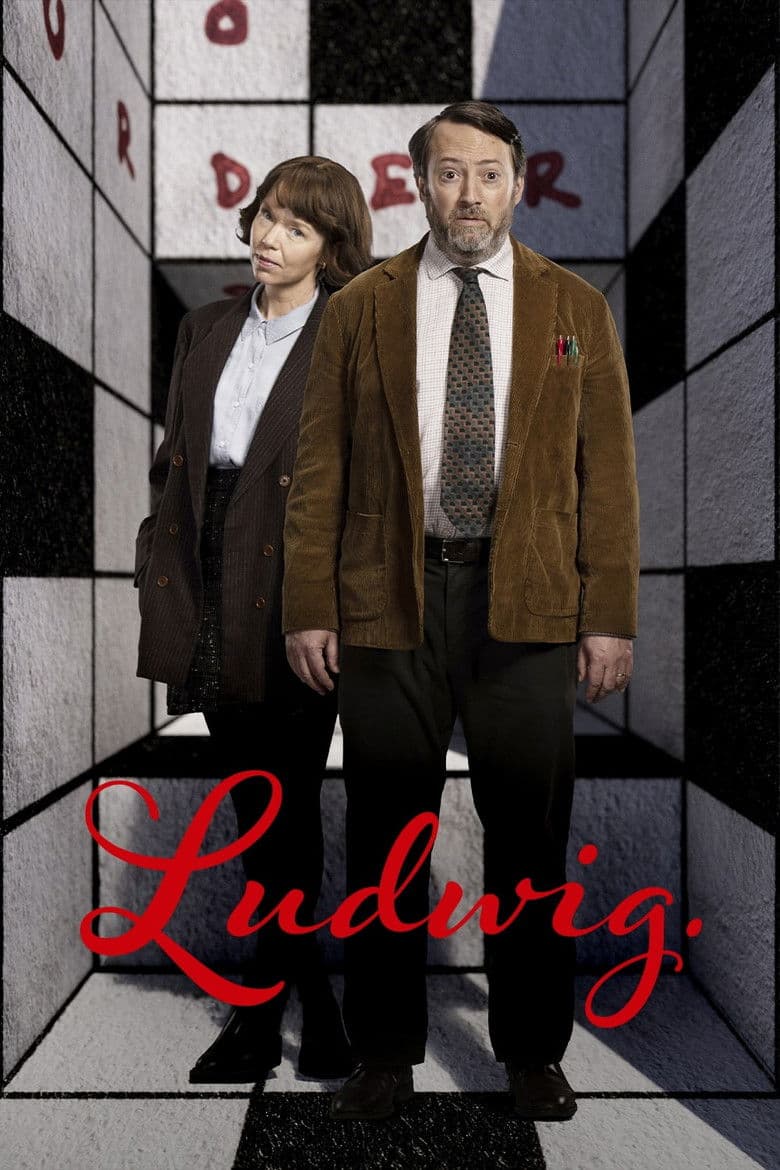
TV Show · 2024
John Taylor lives in quiet solitude, designing puzzles for a living, under the nom-de-plume of 'Ludwig'. When his identical twin, James, disappears off the face of the earth, John…
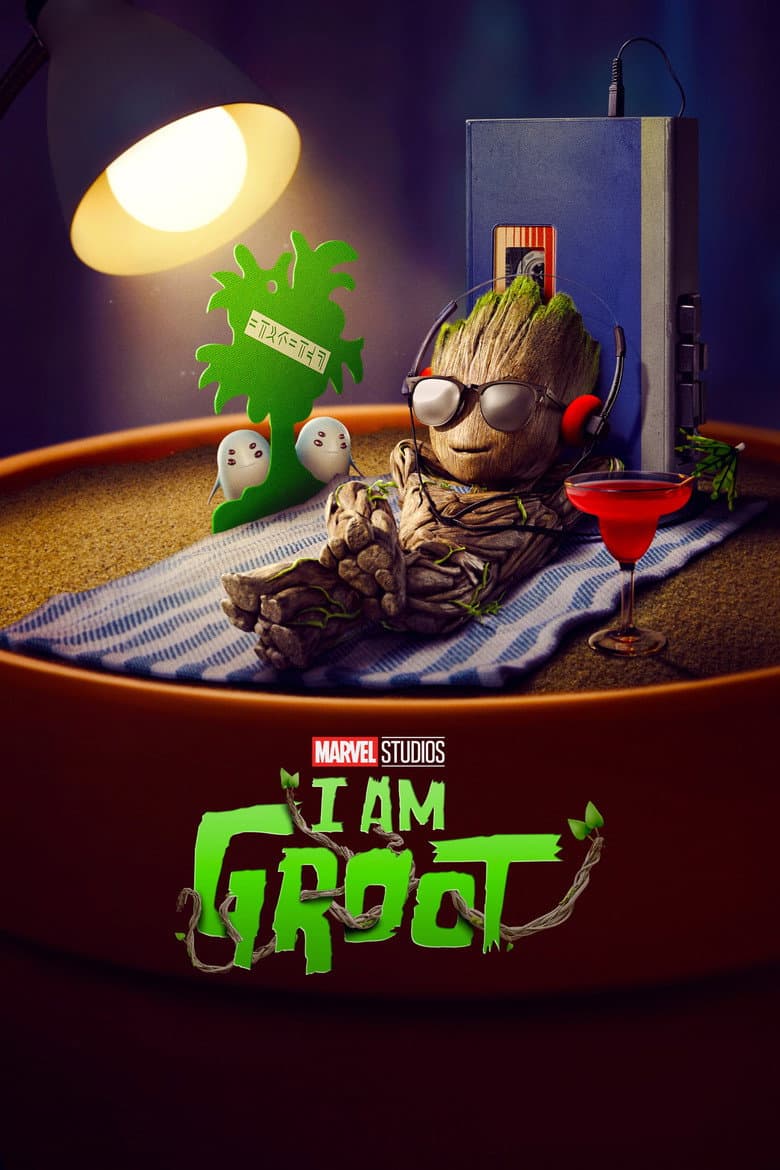
TV Show · 2022
There's no guarding the galaxy from this mischievous toddler! Get ready as Baby Groot takes center stage in his very own collection of shorts, exploring his glory days growing up…
