TV Show review
Started September 1, 2022 · Returning Series · Based on 2 seasons, 16 episodes through October 3, 2024 · TV-14
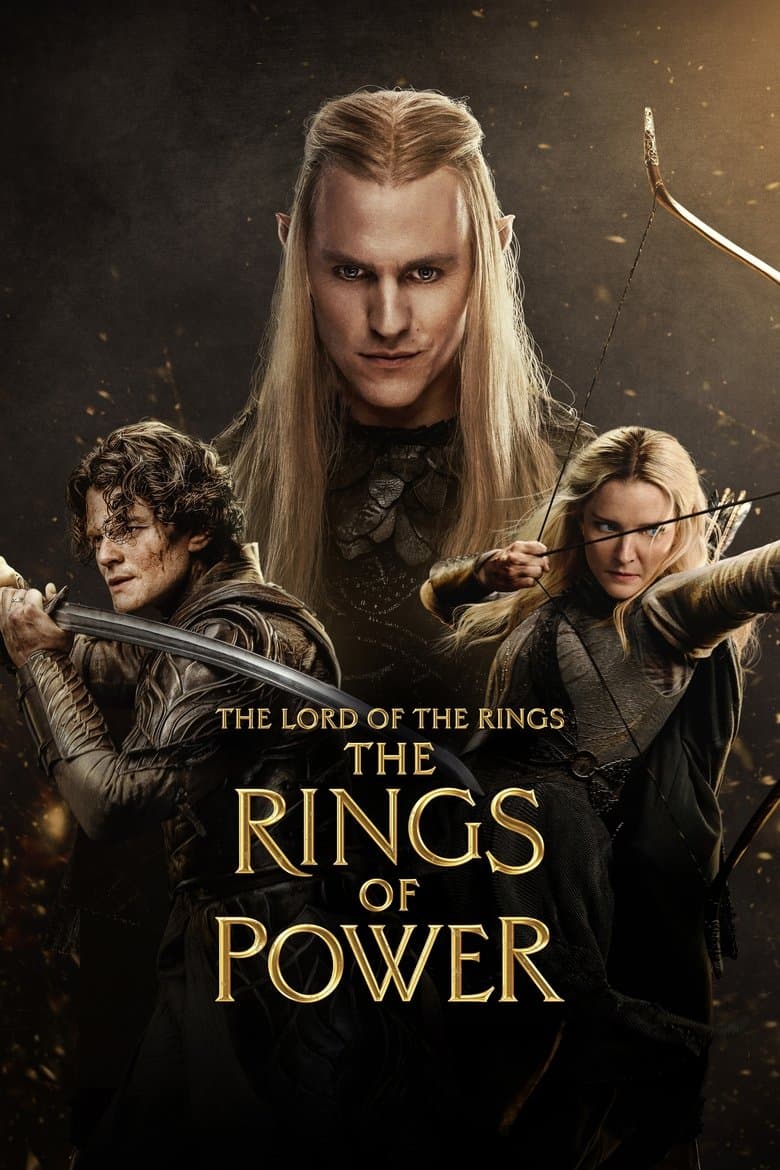
This epic fantasy show is set in Middle-earth thousands of years before the famous Lord of the Rings story. It follows a large cast of elves, dwarves, humans, and harfoots as they face a rising dark force. The main story centers on the elf Galadriel, who wants to find and destroy Sauron before he conquers their world. As the dark lord uses lies to forge powerful magical rings, these different kingdoms must decide whether to trust each other. Viewers will easily spot a modern "girlboss" focus, making Galadriel an aggressive physical warrior who constantly dominates and scolds the men around her. The casting pushes modern diversity priorities, placing actors of color in roles like elves and dwarves in a setting historically based on European myth. There are also modern political parallels, like a plot about immigrants taking local jobs, and a scene that humanizes the evil orcs as a loving family with a baby.
Community feedback
Was our 89% Woke rating accurate?
Breakdown
These are the editorial factors and ratings behind our score for The Lord of the Rings: The Rings of Power.
Woke representation / casting
The show heavily implements modern diversity standards across all its main fantasy groups. It casts actors of color as elves, dwarves, hobbit ancestors, and humans, which breaks from the traditional northern European folklore of J.R.R. Tolkien's Middle-earth. Because the diverse casting is spread across small, isolated populations like the Harfoots and Númenóreans rather than distinct geographical regions, it struggles to fit the setting's internal logic and makes these ancient societies look like modern Western cities.
75%
Woke political dialogue
The dialogue occasionally relies on modern political parallels. The clearest example is in Númenor, where working-class humans complain that the elves will "take our trades" because they do not sleep or tire. This subplot serves as a very obvious, clumsy allegory for modern anti-immigration rhetoric. However, outside of this specific storyline, the script generally avoids direct activist slogans or heavy-handed modern phrasing.
15%
Identity-driven story themes
The show places a heavy emphasis on "girl power" and "girlboss" leadership styles. Female leaders like Galadriel, Queen Regent Míriel, Princess Disa, and Bronwyn are consistently written as the most competent and morally correct figures. Meanwhile, the men around them are frequently shown as weak, foolish, easily manipulated, or overly emotional. This represents a clear shift from the spiritual fellowship and traditional themes of Tolkien's original work.
65%
Western institutional / cultural critique
The series features a mild deconstruction of traditional fantasy tropes and structures. Most notably, in season two, the show humanizes the monstrous Orcs by showing them with a loving family and a crying baby, framing them as sympathetic victims who do not want to go to war. This subverts the classic good-versus-evil framing of Tolkien's world by introducing modern ideas of sympathetic victimhood.
45%
Woke character or canon changes
The show makes massive, ideologically driven changes to Tolkien's established canon and characters. The most glaring change is Galadriel, who is stripped of her mystical, ethereal wisdom and turned into a brash, physically aggressive action hero who constantly scolds her male peers. Additionally, the show invents new diverse characters, swaps the backgrounds of established figures, and introduces Orc families to fit modern Hollywood representation standards.
85%
Anti-woke backlash and complaints
The series faced a massive and historic wave of anti-woke backlash from traditional fans and commentators. Critics heavily targeted the race-swapped casting of elves and dwarves, the "girlboss" portrayal of Galadriel, and the "they took our jobs" dialogue in season one. The controversy flared up again in season two over the humanization of the Orcs. The backlash was so widespread that Amazon actively delayed user reviews to stop negative feedback.
92%
Creator track record context
The showrunners, Patrick McKay and J.D. Payne, do not have a strong personal history of activist work, but they publicly framed the series around themes of modern diversity and unity. Casting director Theo Park has a track record of actively advocating for representation priorities in major productions. While directors like Sanaa Hamri align with Hollywood's diversity initiatives, other creative team members have standard professional profiles with no notable history of pushing activist agendas.
38%
Production
TV Show · 2023
A girl with extraordinary psychic abilities joins two gifted teen boys at a small ghost-hunting agency to fight the many deadly spirits haunting London.
TV Show · 2022
An episodic anthology series focused on both new and established characters set in the world of "The Walking Dead."
TV Show · 2025
Backwoods bounty hunter Hub Halloran comes back from the dead with an unexpected second chance at life, love, and a nearly-forgotten musical career — only to find that his old job…
TV Show · 2023
After the party of heroes defeated the Demon King, they restored peace to the land and returned to lives of solitude.
TV Show · 2022
A powerful sorceress in a blind woman's body encounters a man from a prestigious family, who wants her help to change his destiny.
TV Show · 2019
A grim drama that unfolds against the backdrop of a global catastrophe. An unknown new virus turns Moscow into a city of the dead.
TV Show · 2019
Iwatani Naofumi, a run-of-the-mill otaku, finds a book in the library that summons him to another world. He is tasked with joining the sword, spear, and bow as one of the Four…
TV Show · 2017
Go deep into the clandestine world of the legendary brotherhood of warrior monks known as The Knights Templar.
