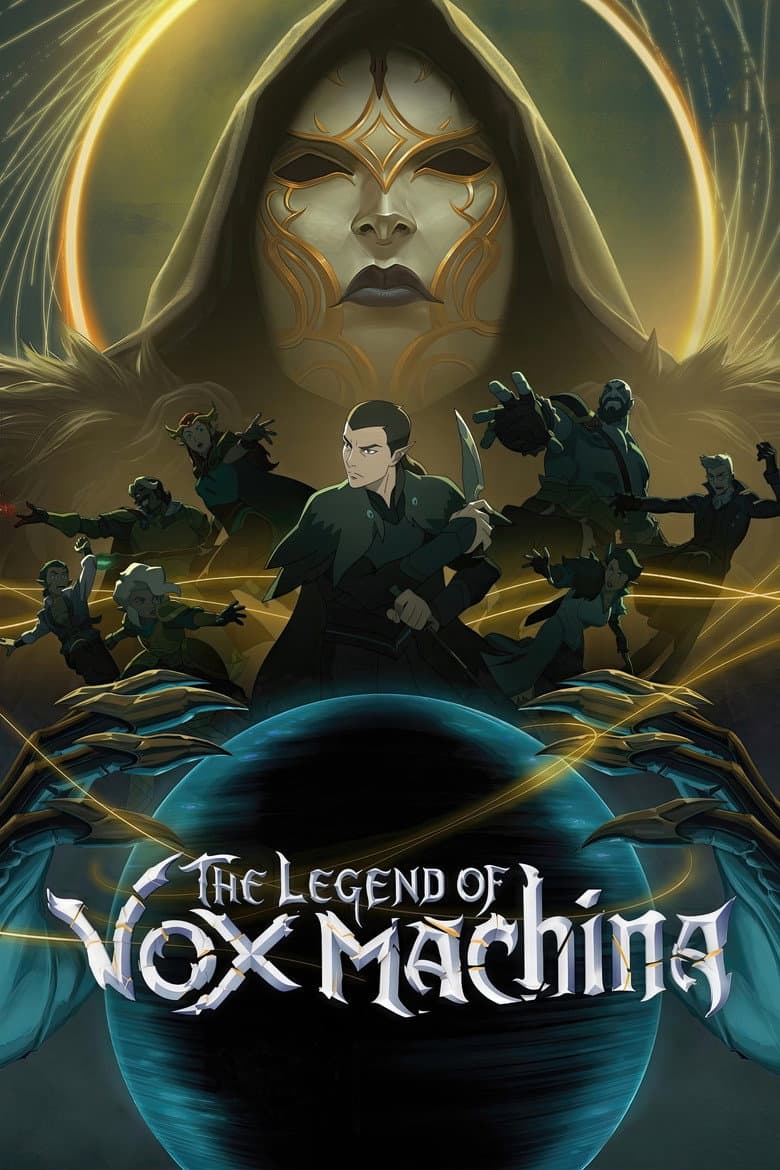
Started January 27, 2022 · Returning Series · Based on 4 seasons, 48 episodes through June 10, 2026 · TV-MA
The Legend of Vox Machina follows seven reckless adventurers who begin as selfish mercenaries in the fantasy land of Exandria. The group becomes a team when evil rulers, dragons, and dark magic threaten their homes and friends. Percy faces the vampire Briarwoods, while the others gain new powers and face their own fears. By the first six episodes of season four, the heroes have split up, then reunite to fight the Whispered One and his cult. The show mixes bloody battles, crude jokes, romance, grief, and warm found family moments.
The clearest woke element is recurring LGBTQ+ representation among the heroes and their allies. Vax flirts with the male mage Gilmore, and Kima and Allura have a continuing romance that includes a kiss and shared history. The show also gives major heroic roles to women such as Vex, Pike, Keyleth, Kima, and Allura, but it does not turn their identity into a modern political lesson. These elements are easy to notice in the relationships, yet the main story remains a fantasy fight about family, loyalty, faith, revenge, and survival.
Community feedback
Was our 49% Woke rating accurate?
Breakdown
These are the editorial factors and ratings behind our score for The Legend of Vox Machina.
Woke representation / casting
The main party has three prominent female heroes, including a druid who becomes a tribal leader and a cleric whose faith journey matters. The show also gives visible queer representation through Vax's flirtation with Gilmore and the romance between Kima and Allura, including a kiss. The group is not built around a stated diversity message, and the cast choices come from the original Critical Role characters. This is a noticeable pattern, but it is not a quota-style ensemble.
45%
Woke political dialogue
Not present in this title.
0%
Identity-driven story themes
The show treats same-sex attraction and queer identity as normal parts of its fantasy world. Vax flirts with Gilmore and later has a romance with Keyleth. Kima and Allura have a continuing love story with flashbacks, conflict, and an on-screen kiss. These threads recur across the seasons, but the main story remains about monsters, gods, death, loyalty, and survival.
38%
Western institutional / cultural critique
Not present. Story involves fighting evil vampire aristocrats and rampaging dragons as standard fantasy tyranny and monster threats. No reframing into modern critiques of patriarchy, whiteness, capitalism, colonialism, or Western institutions.
0%
Woke character or canon changes
Not relevant. Characters and story originated in the cast's own 2015 D&D game; TV adaptation includes pacing and condensation changes but does not introduce ideological identity swaps or DEI-driven reinterpretations of established material.
0%
Anti-woke backlash and complaints
Some Reddit users call the show woke and complain about a diversity checklist, queer side characters, and female empowerment scenes. Other users say the characters came from the original Critical Role game and reject those complaints. The discussion is mostly found in small fan threads rather than major news coverage or an organized campaign. No larger anti-woke controversy appeared around the first six season-four episodes by June 10.
28%
Creator track record context
The Critical Role team has a repeated pattern of inclusive fantasy stories with queer and non-binary characters. Matthew Mercer and Ashly Burch have the strongest relevant scores in the supplied creator notes, while Marisha Ray has a milder progressive record. The team also has charity and community work, which is a weaker signal than its storytelling choices. This context supports the show's queer normalization, but it does not show that the series is a political campaign.
55%
Production
TV Show · 2021
When a 34-year-old underachiever gets run over by a truck, his story doesn't end there. Reincarnated in a new world as an infant, Rudy will seize every opportunity to live the…
TV Show · 2017
Asta and Yuno are two orphans who want the same thing: to become the Wizard King. Locked in a friendly rivalry, they work hard towards their goal.
TV Show · 2022
After losing his home to a powerful enemy, a hot-tempered fighter trains under his zealous grandfather while awaiting his chance for revenge.
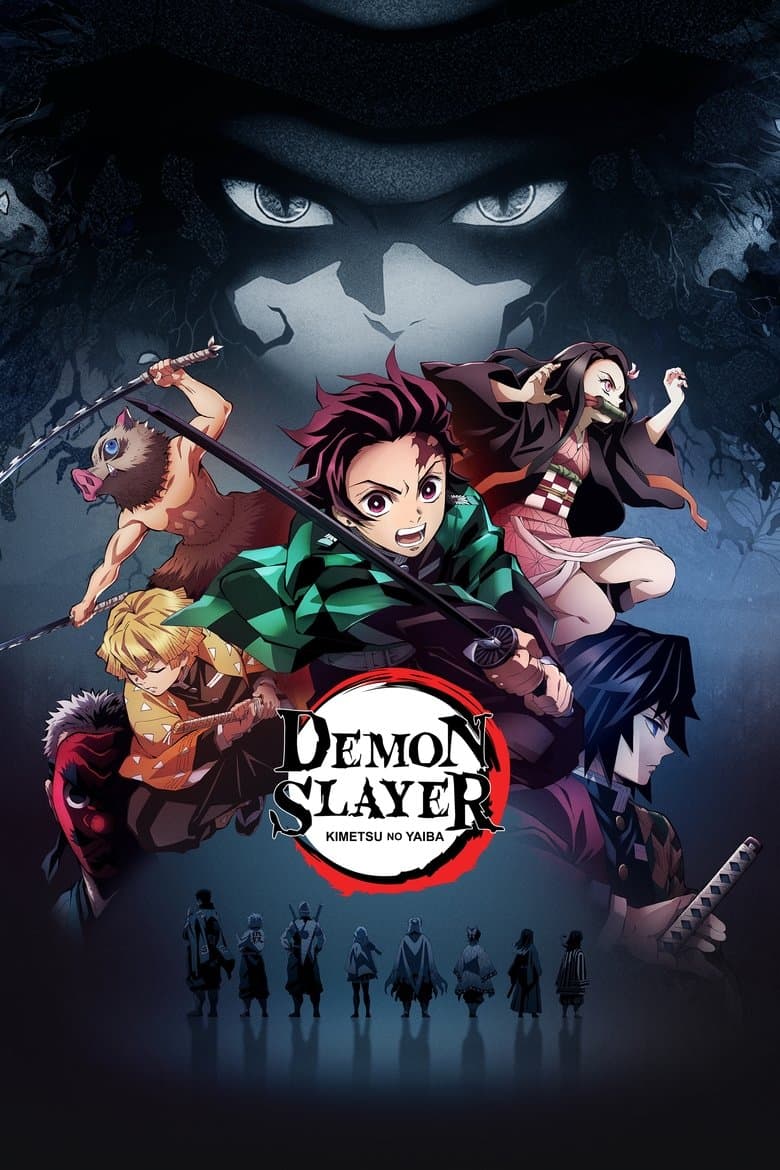
TV Show · 2019
After a demon attack leaves his family slain and his sister cursed, Tanjiro embarks upon a perilous journey to find a cure and avenge those he's lost.
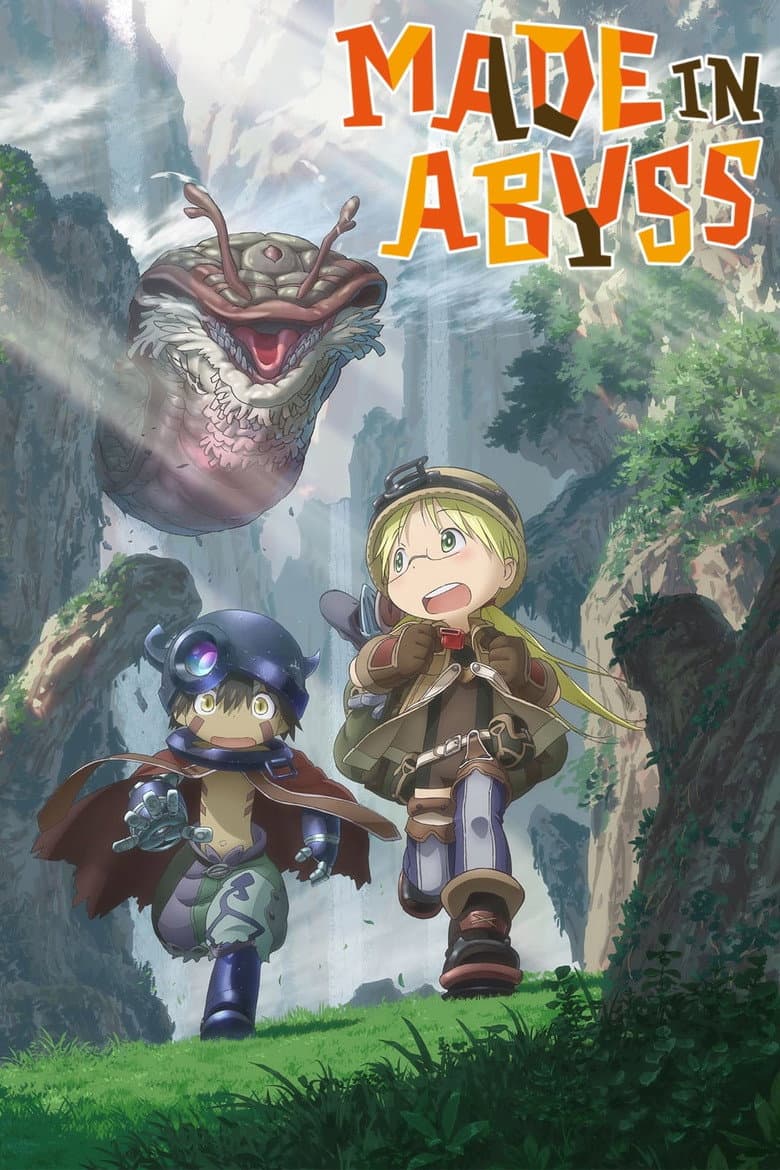
TV Show · 2017
Located in the center of a remote island, the Abyss is the last unexplored region, a huge and treacherous fathomless hole inhabited by strange creatures where only the bravest…
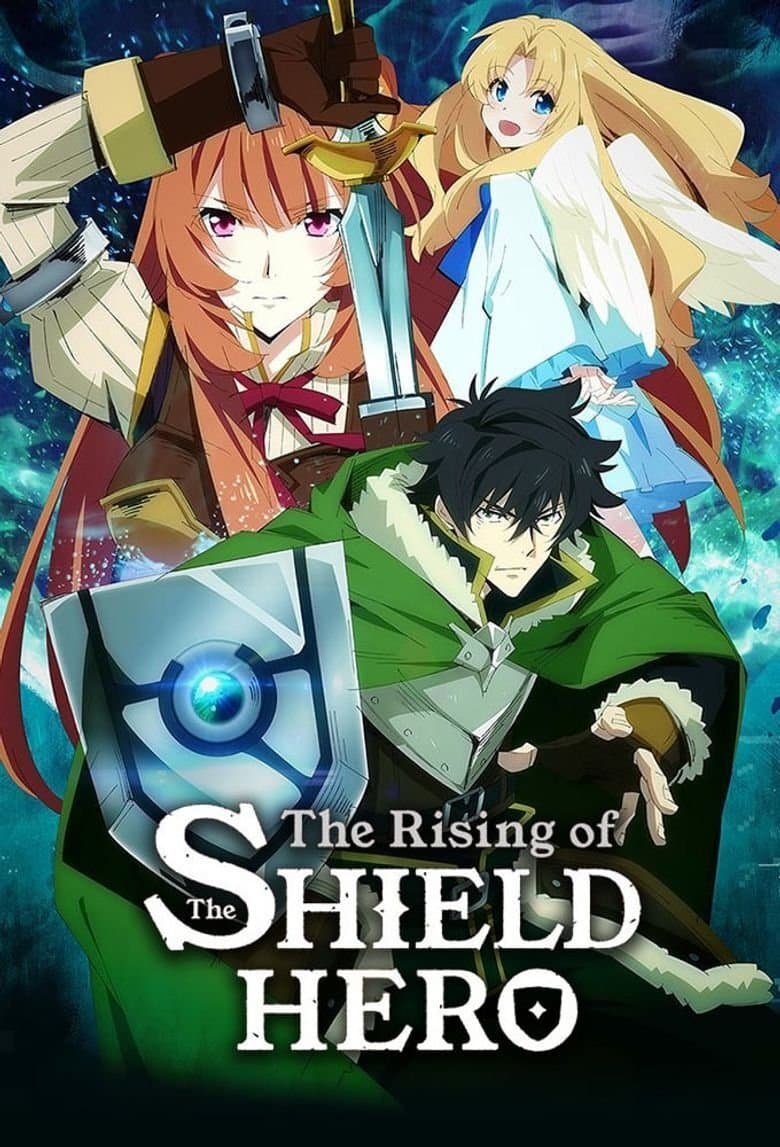
TV Show · 2019
Iwatani Naofumi, a run-of-the-mill otaku, finds a book in the library that summons him to another world. He is tasked with joining the sword, spear, and bow as one of the Four…
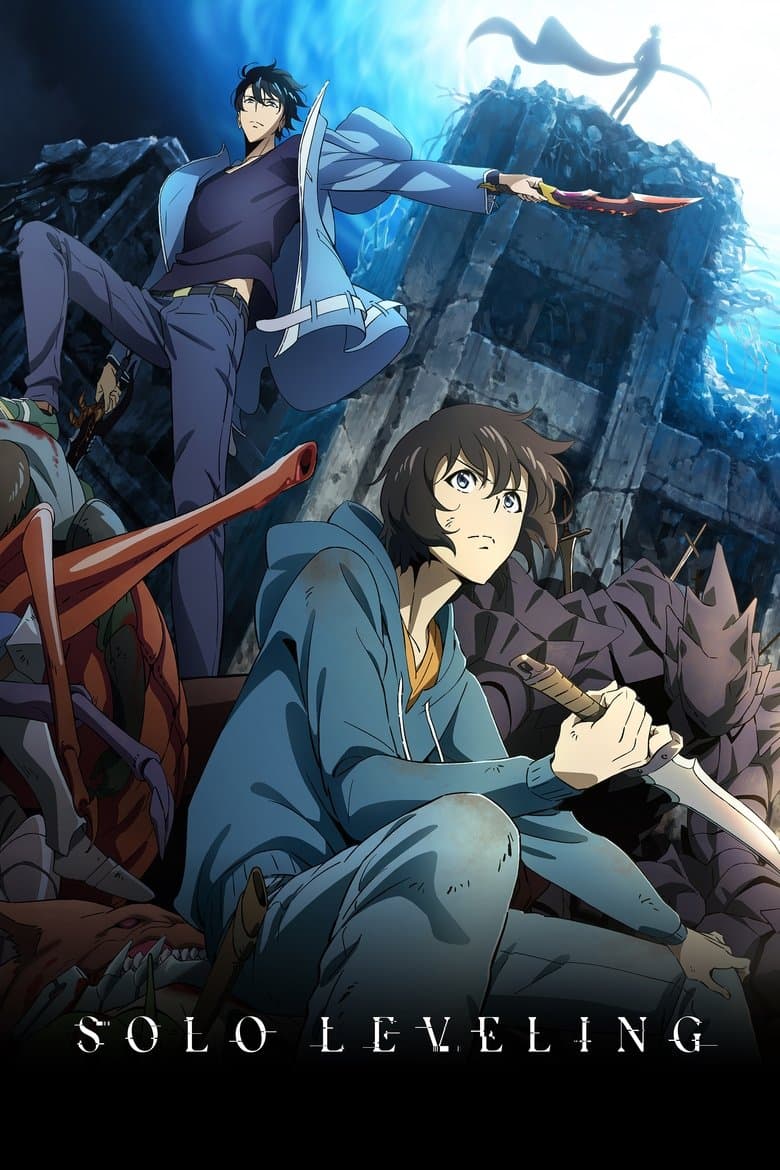
TV Show · 2024
They say whatever doesn’t kill you makes you stronger, but that’s not the case for the world’s weakest hunter Sung Jinwoo.
TV Show · 2016
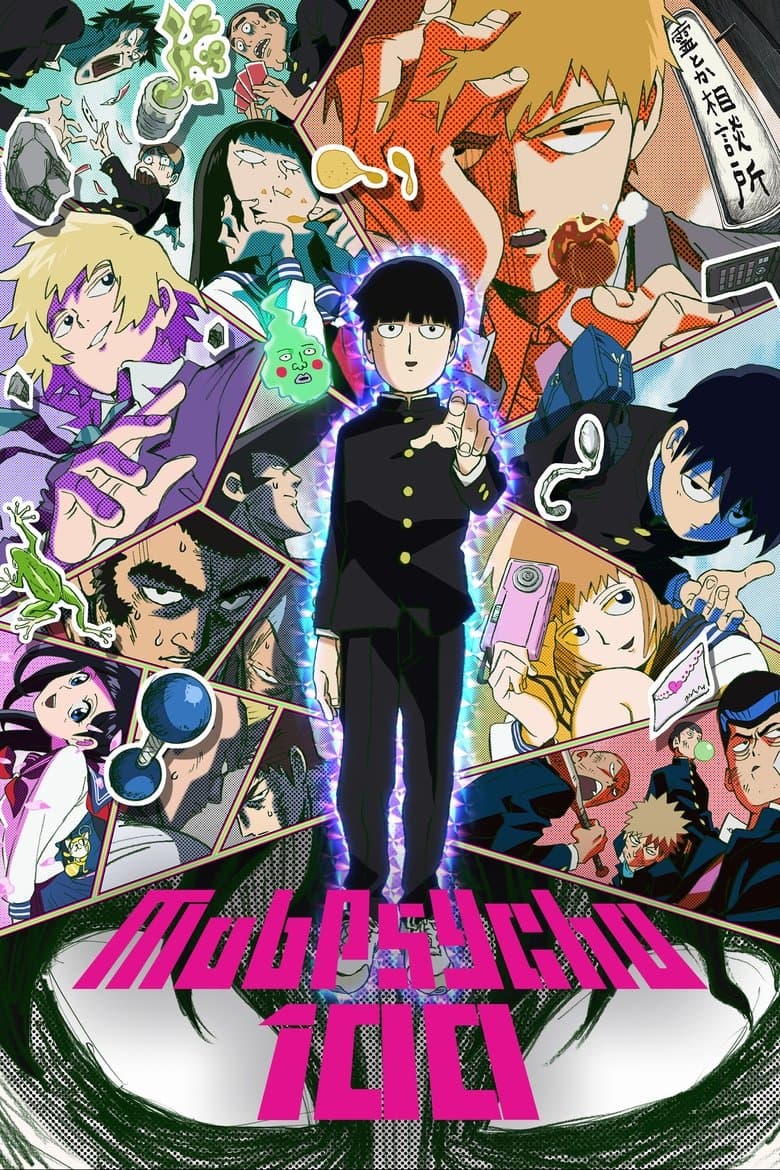
Shigeo Kageyama, a.k.a. "Mob," is a boy who has trouble expressing himself, but who happens to be a powerful esper.
