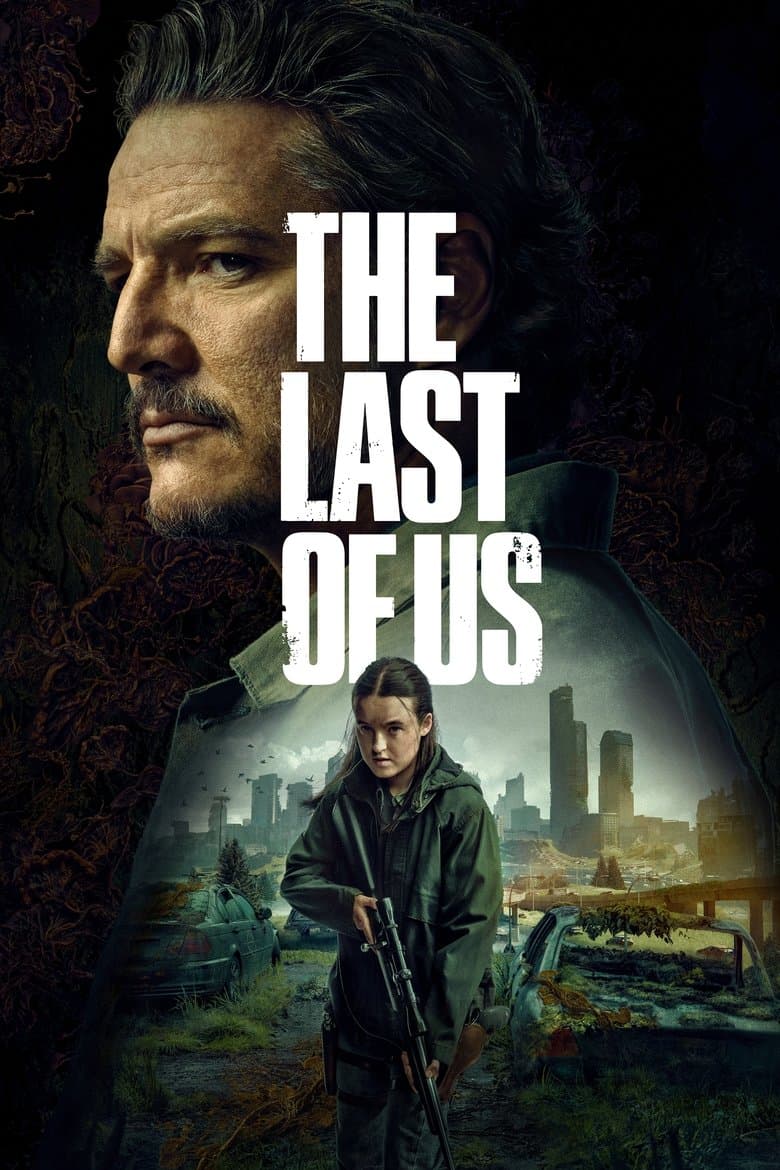
Started January 15, 2023 · Returning Series · Based on 2 seasons, 16 episodes through May 25, 2025 · TV-MA
The Last of Us follows Joel, a hardened survivor, who escorts Ellie, a fourteen-year-old girl with a rare immunity, across a ruined United States. A fungal outbreak has killed most people, and armed groups, military zones, and infected creatures make every journey dangerous. Joel and Ellie slowly become like father and daughter while they face loss, violence, and hard choices about love and survival. Season 1 is sad but warm, while Season 2 becomes darker as Ellie hunts the people who killed Joel.
The show gives repeated and clear space to same-sex relationships. Bill and Frank receive a full love story in Season 1, Ellie and Riley share a first kiss, and Season 2 makes Ellie and Dina a central couple. Dina says that she likes boys and girls, and Ellie says she will be a dad after learning that Dina is pregnant. These moments are easy to notice, but the larger story still centers on family, revenge, violence, and the cost of love.
Community feedback
Was our 78% Woke rating accurate?
Breakdown
These are the editorial factors and ratings behind our score for The Last of Us.
Woke representation / casting
The show places queer identity in several visible roles. Ellie is a lesbian, Dina is bisexual, and Bill and Frank are a gay couple. Bella Ramsey’s public nonbinary identity also became part of the casting debate around the central Ellie role. The show’s racial mix mostly fits a diverse United States after the collapse, so it is not the main reason for this score.
34%
Woke political dialogue
Not present in this title.
0%
Identity-driven story themes
Ellie’s first love with Riley is shown in a full flashback episode. Bill and Frank’s relationship fills most of one Season 1 episode and is treated as a complete love story. Ellie and Dina’s romance becomes a major part of Season 2, with a kiss, sex, pregnancy, and a talk about bisexuality. These identity stories are prominent, even though the larger plot follows revenge and the breakdown of family bonds.
74%
Western institutional / cultural critique
Not present in this title.
0%
Woke character or canon changes
The game only hints at Bill having a partner, but the show makes Bill and Frank’s gay romance the main story of an entire episode. The show also changes the timing and shape of Ellie and Dina’s first romantic scenes for television. The “I’m gonna be a dad” line adds a clear gender-role statement around Dina’s pregnancy. The changes raise queer visibility, but they do not replace the main survival and revenge plot.
40%
Anti-woke backlash and complaints
Season 1 episode 3 drew review bombs and posts calling Bill and Frank’s romance gay propaganda or an agenda. Season 2 drew new low ratings and posts calling the lesbian romance, sex scene, pregnancy, and dad line woke or political. Large right-leaning accounts and entertainment accounts repeated claims that the show went full WOKE or tricked viewers into a gay love story. The evidence is widespread, but some complaints were about pacing, game changes, casting, or actor appearance instead.
88%
Creator track record context
Creator records describe Mazin and Druckmann as writers focused on moral choices, love, violence, and revenge. Mazin has publicly defended the expanded Bill and Frank story as part of the show’s larger idea about love. Druckmann’s game work includes major LGBTQ characters, but the available record shows no broad activist or DEI campaign. Other listed producers and directors have little public political history.
30%
Production
TV Show · 2021
Follow the Dutton family as they embark on a journey west through the Great Plains toward the last bastion of untamed America.

TV Show · 2022
This sweeping saga chronicles the hopes and dreams of a Korean immigrant family across four generations as they leave their homeland in an indomitable quest to survive and thrive.
TV Show · 2024
The powerful real-life story of Lali Sokolov, a Jewish prisoner who was tasked with tattooing ID numbers on prisoners' arms in the Auschwitz-Birkenau concentration camp during…
TV Show · 2019
In the early 1990s in New York, during the height of the crack cocaine epidemic, a visionary musician named Bobby Diggs aka The RZA begins to form a super group of a dozen young…
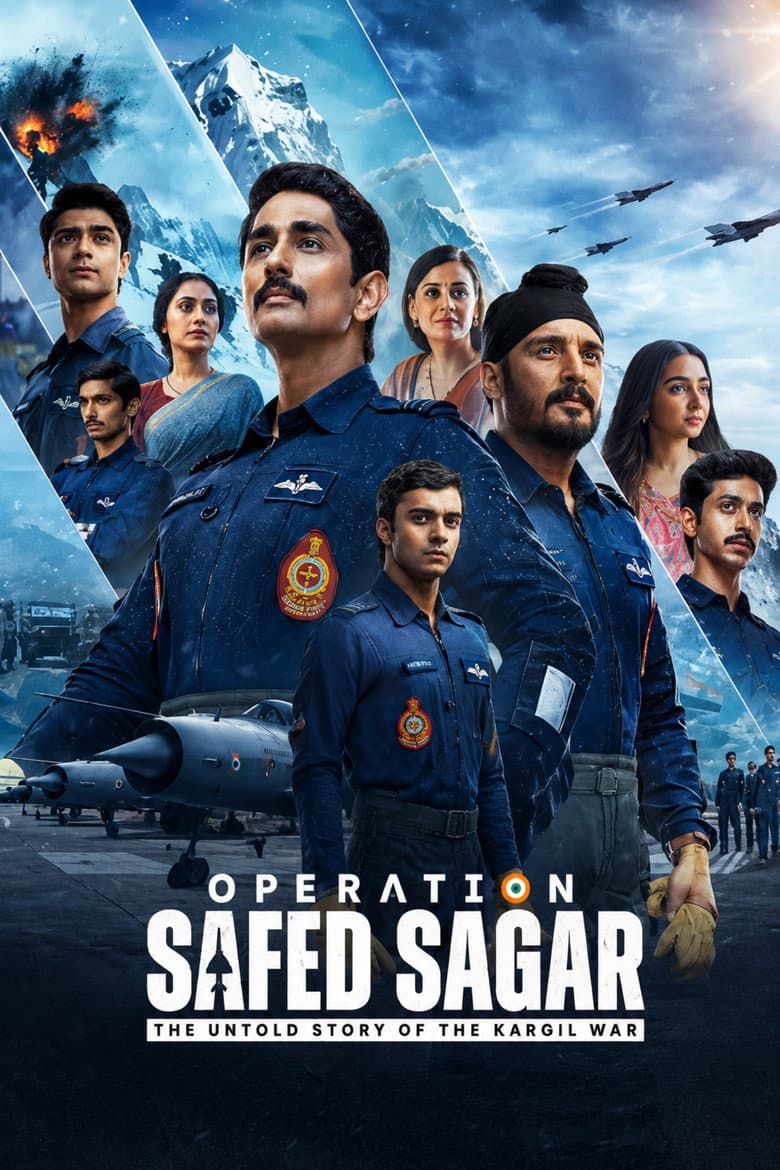
TV Show · 2026
As the Kargil War erupts between India and Pakistan, the Golden Arrows squadron of the Air Force takes flight on a dangerous mission behind enemy lines.
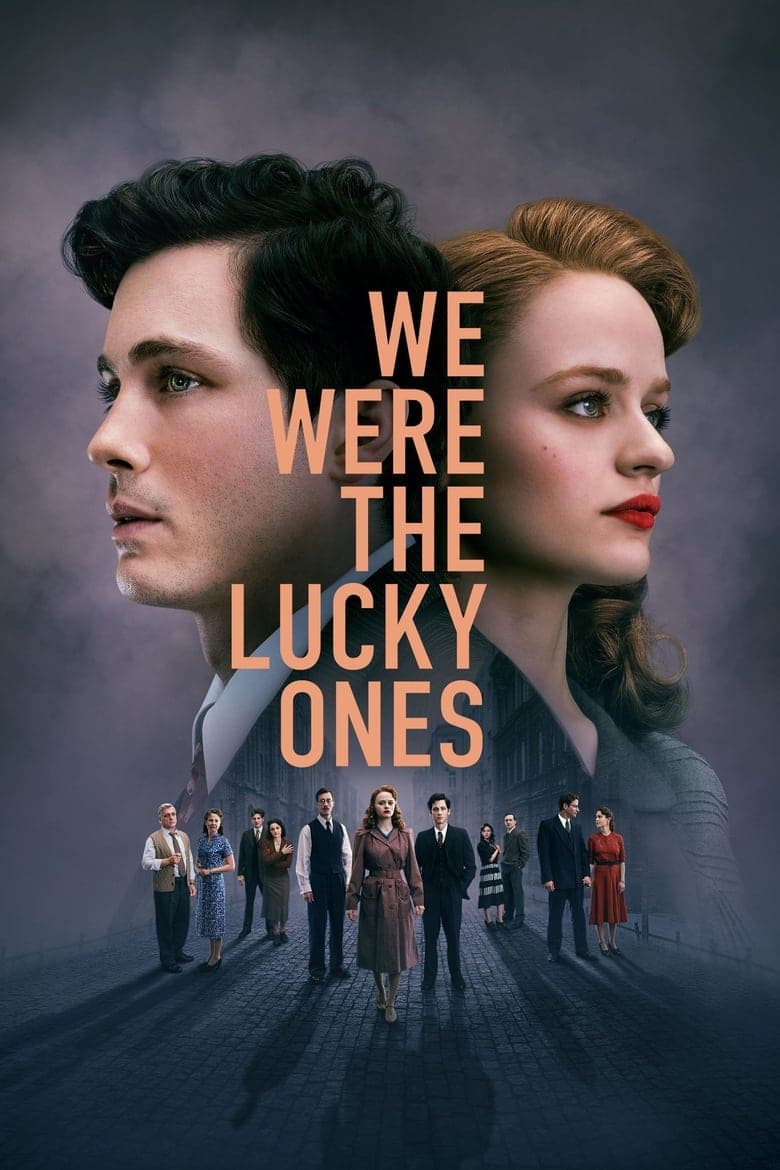
TV Show · 2024
The true story of one Jewish family separated at the start of World War II, determined to survive—and to reunite.
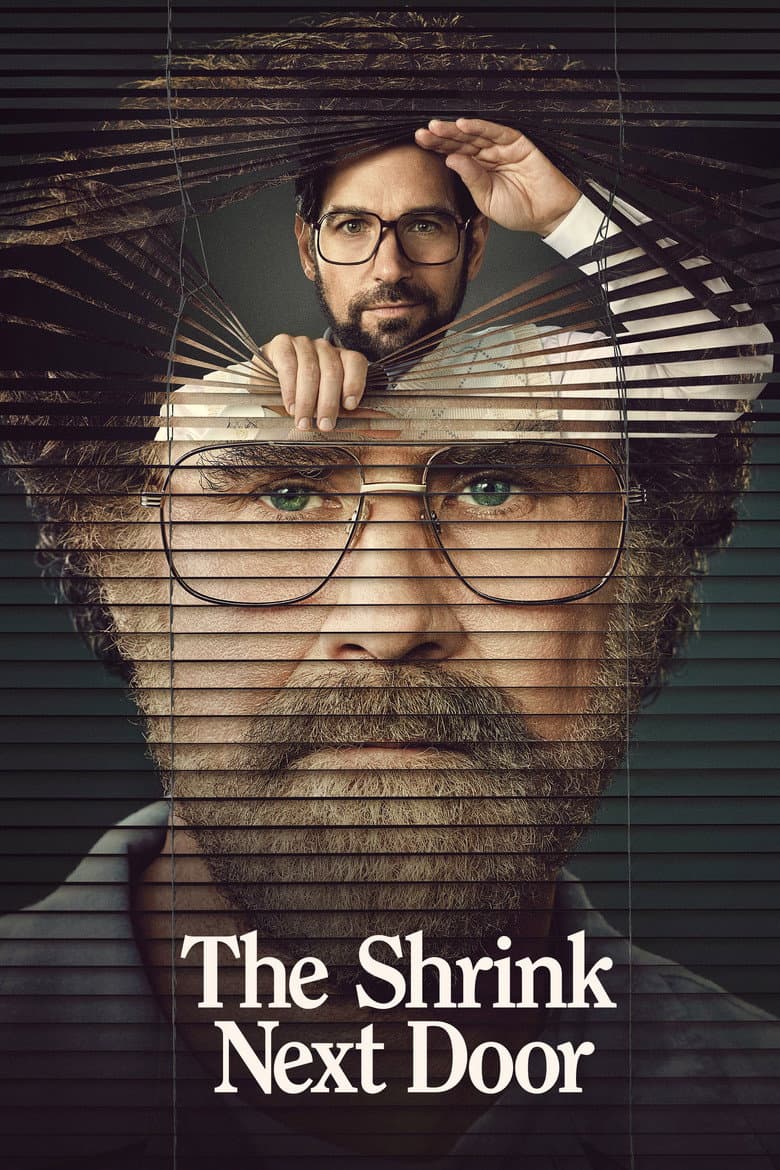
TV Show · 2021
Inspired by the true story of Marty and the therapist who turned his life around...then took it over. When he first meets Dr. Ike, Marty just wants to get better at boundaries.
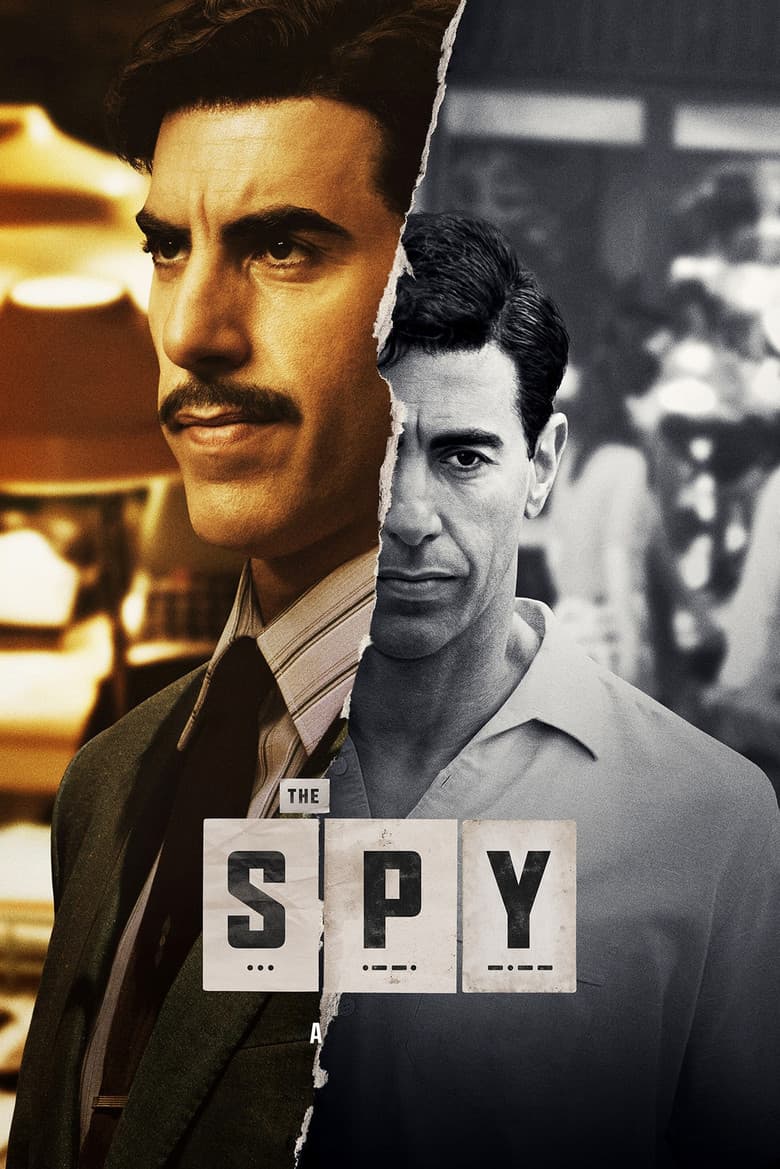
TV Show · 2019
In the 1960s, Israeli clerk-turned-secret agent Eli Cohen goes deep undercover inside Syria on a perilous, years-long mission to spy for Mossad.
