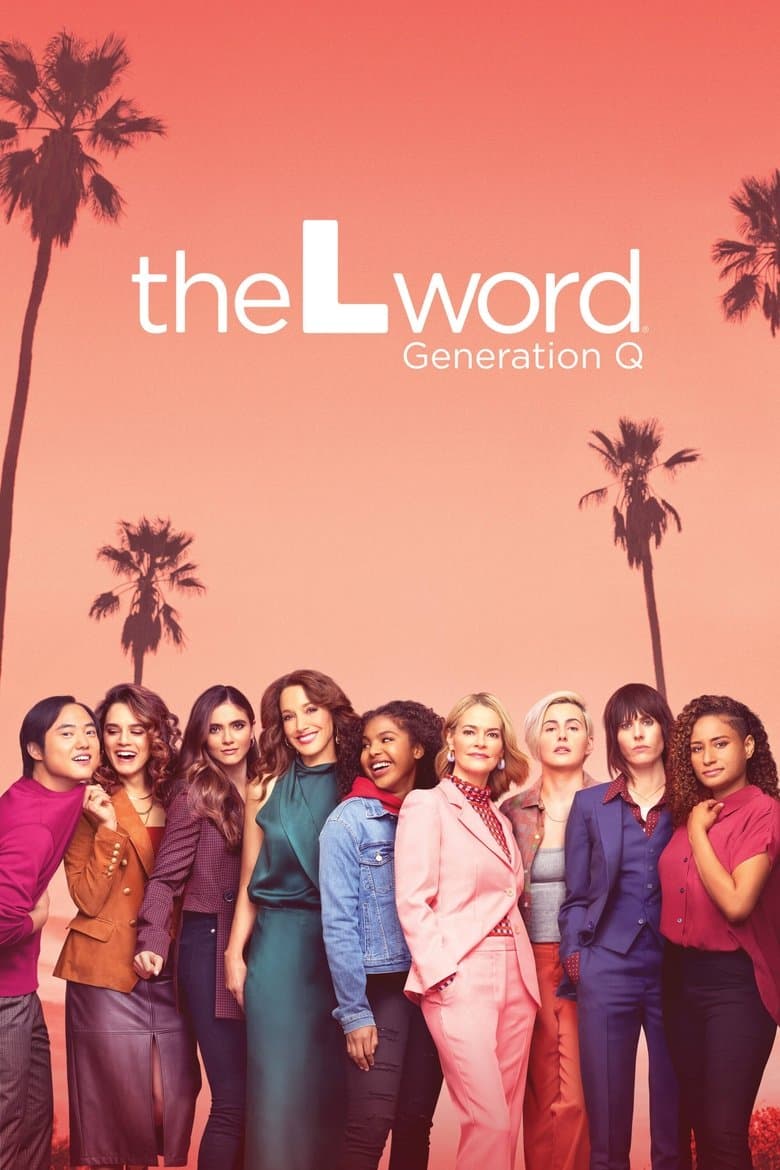
Started December 8, 2019 · Canceled · Based on 3 seasons, 28 episodes through January 22, 2023 · TV-MA
The L Word: Generation Q is a television drama sequel that follows the lives of a group of LGBTQ+ individuals in Los Angeles. The show mixes returning characters from the original series with a new, younger group of friends navigating relationships and careers. It features a heavy focus on modern queer identity, diverse casting, and social justice themes. This makes the show's activist messages very clear and hard to miss for any viewer.
Community feedback
Was our 100% Woke rating accurate?
Breakdown
These are the editorial factors and ratings behind our score for The L Word: Generation Q.
Woke representation / casting
The show features an incredibly diverse and highly visible group of LGBTQ+ and BIPOC characters. Casting choices were made to highlight specific marginalized identities, including hiring trans actor Leo Sheng to play a trans man. This heavy focus on intersectional representation is central to the entire cast and is impossible for viewers to miss.
95%
Woke political dialogue
Characters regularly engage in discussions that feature modern activist language and social justice buzzwords. Dialogue includes conversations about white privilege, gender pronouns, systemic racism, and reparations. These political talking points often feel inserted into everyday interactions, making the political messaging highly noticeable.
85%
Identity-driven story themes
The entire plot of the show is built around queer identity, transitioning, coming out, and intersectionality. Narrative arcs focus heavily on the personal and political struggles of being LGBTQ+ in modern Los Angeles. Because it is a queer-centric show designed to address modern gender and sexual identity, these themes dominate almost every episode.
98%
Western institutional / cultural critique
The show frequently criticizes traditional Western social norms, traditional family structures, and corporate systems. It portrays heteronormative standards and traditional marriage as outdated or flawed. Characters also confront institutional issues like racism and corporate corruption, aligning closely with modern left-wing systemic critiques.
80%
Woke character or canon changes
As a sequel, the show actively retcons the tone and themes of the original series to fit 21st-century social justice views. It rewrites legacy characters or places them in scenarios to correct what the creators saw as the non-PC mistakes of the original show, especially regarding past trans and bisexual representation.
75%
Anti-woke backlash and complaints
The series faced strong backlash from anti-woke and conservative viewers who criticized its heavy-handed identity politics and preachy tone. Critics and viewers often complained that the show felt like a forced checklist of DEI representation that came at the expense of good storytelling and character logic.
80%
Creator track record context
The show was led by a highly activist creative team. Showrunner Marja-Lewis Ryan and writers like Thomas Page McBee have strong backgrounds in pushing for intersectional queer representation. Legacy creators and actors like Ilene Chaiken, Kate Moennig, and Leisha Hailey also have long histories of LGBTQ+ advocacy.
85%
Production
TV Show · 2022
Bosch is now making a living as a private investigator two years after he quit the LAPD and finds himself working with one time enemy and top-notch attorney Honey “Money”…
TV Show · 2024
The true story of one Jewish family separated at the start of World War II, determined to survive—and to reunite.

TV Show · 2024
Fascinated by cars since childhood, Brazilian racer Ayrton Senna became a sports legend — until tragedy struck, changing Formula 1 forever.
TV Show · 2023
The story of Bass Reeves, the legendary lawman of the wild West, is brought to life. Reeves worked in the post-Reconstruction era as a federal peace officer in the Indian…
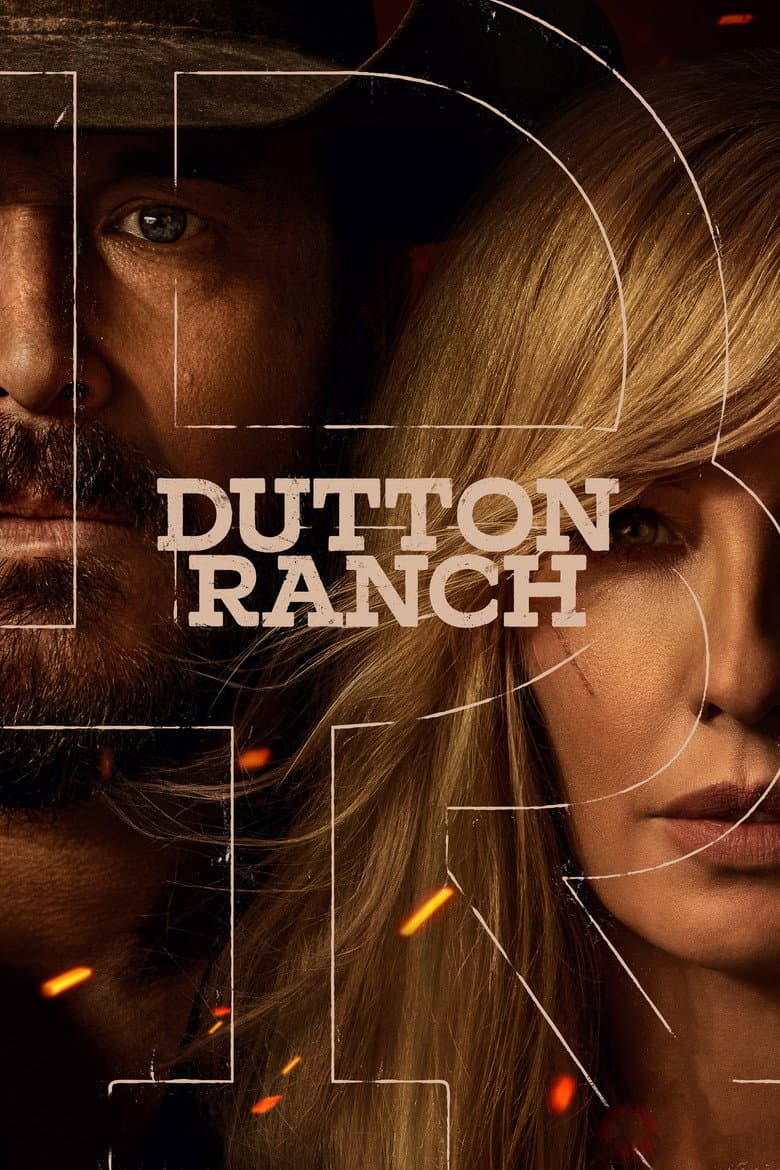
TV Show · 2026
Rip Wheeler and Beth Dutton gamble everything on a new life in South Texas, but the promise of building a future far from the ghosts of Yellowstone quickly collides with brutal…
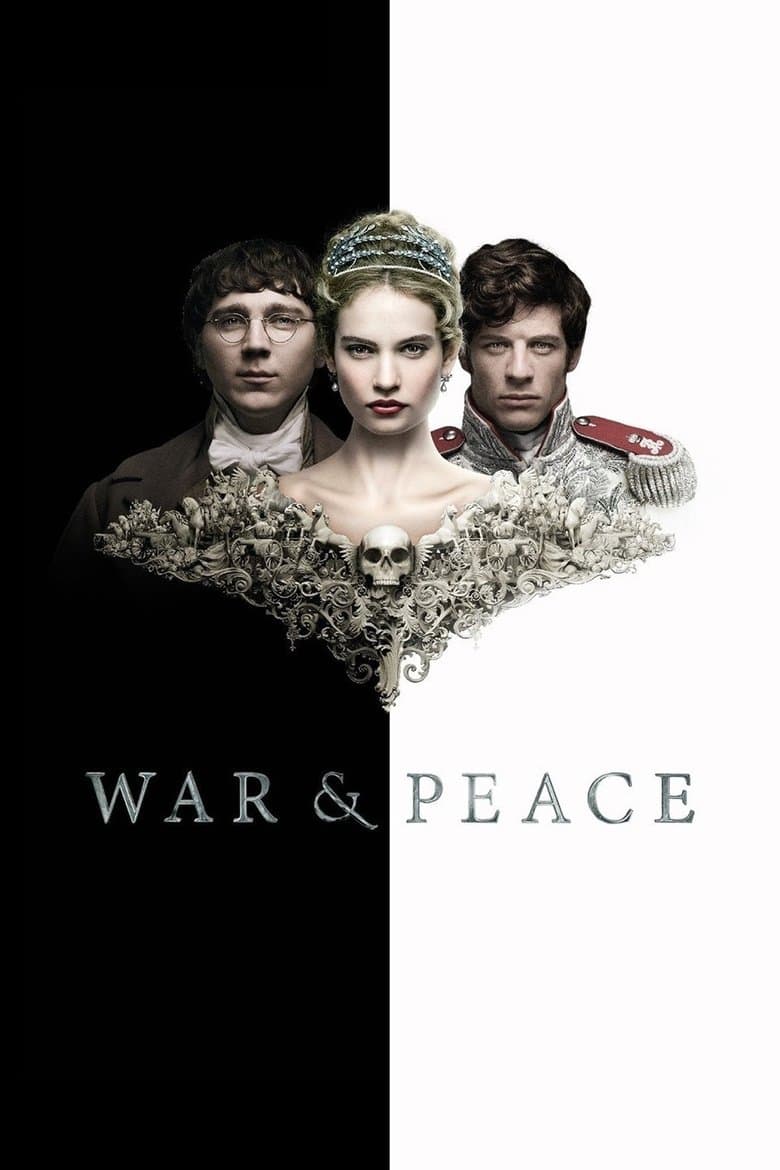
TV Show · 2016
The love story of young Countess Natasha Rostova and Count Pierre Bezukhov is interwoven with the Great Patriotic War of 1812 against Napoleon's invading army.
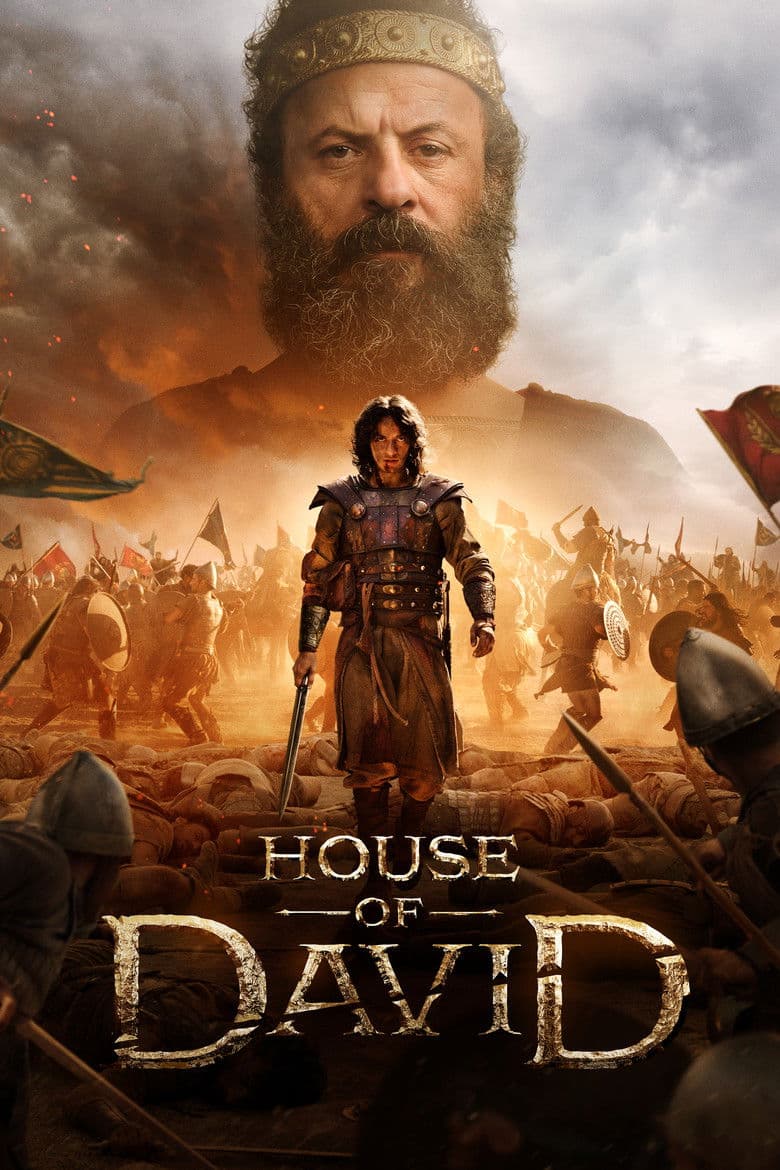
TV Show · 2025
Tells the story of the ascent of the biblical figure, David, who becomes the most celebrated king of Israel. The series follows the once-mighty King Saul as he falls victim to his…
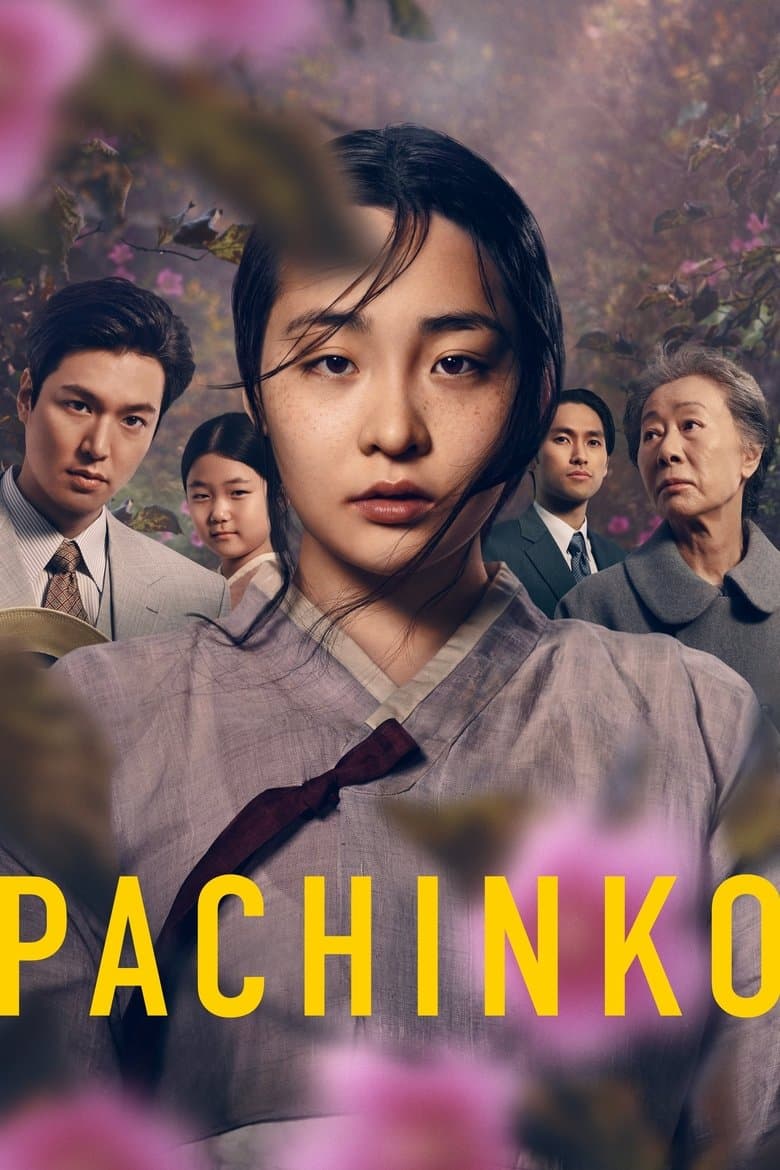
TV Show · 2022
This sweeping saga chronicles the hopes and dreams of a Korean immigrant family across four generations as they leave their homeland in an indomitable quest to survive and thrive.
