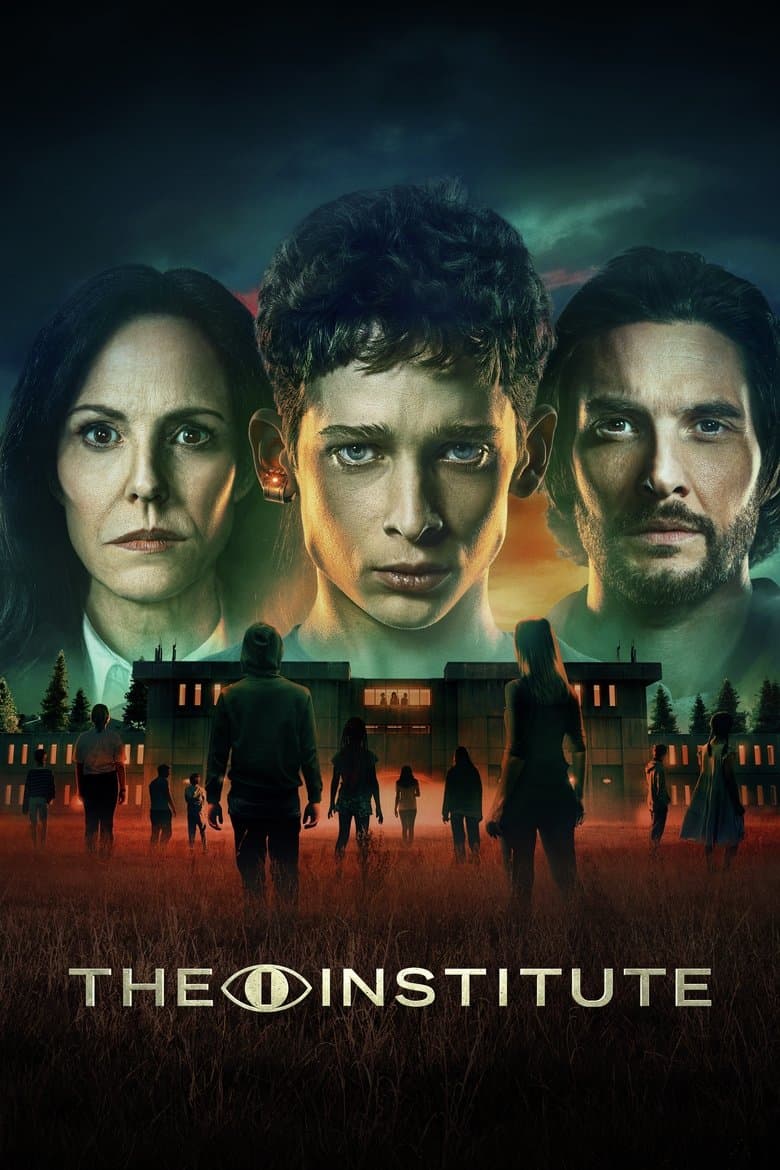
Started July 13, 2025 · Returning Series · Based on 1 season, 8 episodes through August 24, 2025 · TV-MA · 58 min
The Institute is a sci-fi thriller about children with special powers who are kidnapped and tortured in a secret lab. A local night watchman helps a young genius escape and works to shut the facility down. Woke elements are visible but stay in the background of the main plot. These include an added lesbian relationship in the first episode that ends in a shooting, and a speech from a Muslim refugee in the second episode about starting over in America. The directors also shaped the kids' escape to feel like modern youth activism.
Community feedback
Was our 56% Woke rating accurate?
Breakdown
These are the editorial factors and ratings behind our score for The Institute.
Woke representation / casting
The show features a diverse ensemble cast, including Simone Miller, Jordan Alexander, and Birva Pandya. While much of this aligns with statistical diversity or the book's descriptions, the adaptation adds a prominent lesbian subplot in Episode 1 involving Michelle and Kate.
40%
Woke political dialogue
The political dialogue is relatively light, but Episode 2 features a prominent scene where a Somali Muslim shopkeeper delivers a speech about his life as a refugee, which drew some eye-rolls from viewers who found it heavy-handed. There is also general anti-authoritarian dialogue, but it mostly fits the story-logical context of children escaping a sinister government facility.
20%
Identity-driven story themes
The core story centers on children with supernatural abilities escaping torture, which is a classic Stephen King trope. However, the adaptation adds a romantic lesbian hookup between Michelle and Kate to initiate the conspiracy subplot. Furthermore, creators Jack Bender and Benjamin Cavell explicitly framed the kids' rebellion as an allegory for modern youth activism, citing the Parkland school shooting survivors as their primary inspiration for how the children organize and fight back.
40%
Western institutional / cultural critique
The show's critique of the government and the shadowy "Institute" is a standard sci-fi trope of institutional abuse (like Stranger Things or Firestarter). However, it modernizes this critique by depicting local authority figures as either highly bumbling, corrupt, or compromised, while framing the corporate/state-backed scientists as sociopathic torturers who claim to be "saving the world." It remains mostly a classic thriller setup, without heavy-handed critiques of Christianity or traditional family units.
25%
Woke character or canon changes
While the show keeps many of the core characters close to their book descriptions (such as Kalisha being black), the writers made a significant, identity-driven departure by adding a tragic lesbian relationship between snatch team leader Michelle and journalist Kate in Episode 1. In the book, this subplot does not exist, and its addition serves to inject an explicit queer relationship and subsequent betrayal into the story, which carries elevated "woke" weight.
45%
Anti-woke backlash and complaints
The show received noticeable backlash from conservative and anti-woke viewers on platforms like Reddit and Rotten Tomatoes. Viewers complained about the inclusion of a "peak woke" monologue by a Somali Muslim refugee in Episode 2. Others criticized the show's decision to insert an explicit, highly sexualized lesbian hookup in the very first episode as unnecessary identity-signaling that departed from Stephen King's source material.
35%
Creator track record context
The creative team behind the series has a historically low-to-moderate woke footprint. Creator Benjamin Cavell holds a score of 15, and veteran director Jack Bender is at 6. While Stephen King (32) is a vocal critic of conservative politics on social media, his fiction writing generally avoids modern identity-politics framing, and the rest of the writing team has neutral-to-mild records regarding activist or social justice advocacy.
18%
Production
TV Show · 2017
A demented serial killer taunts a retired police detective with a series of lurid letters and emails, forcing the ex-cop to undertake a private, and potentially felonious, crusade…
TV Show · 2024
When a fatal accident occurs on board the International Space Station, a lone astronaut makes the heroic journey back to Earth, only to discover key pieces of her life—including…
TV Show · 2020
Young computer engineer Lily Chan investigates the secretive development division of her employer, a cutting-edge tech company based in San Francisco, which she believes is behind…
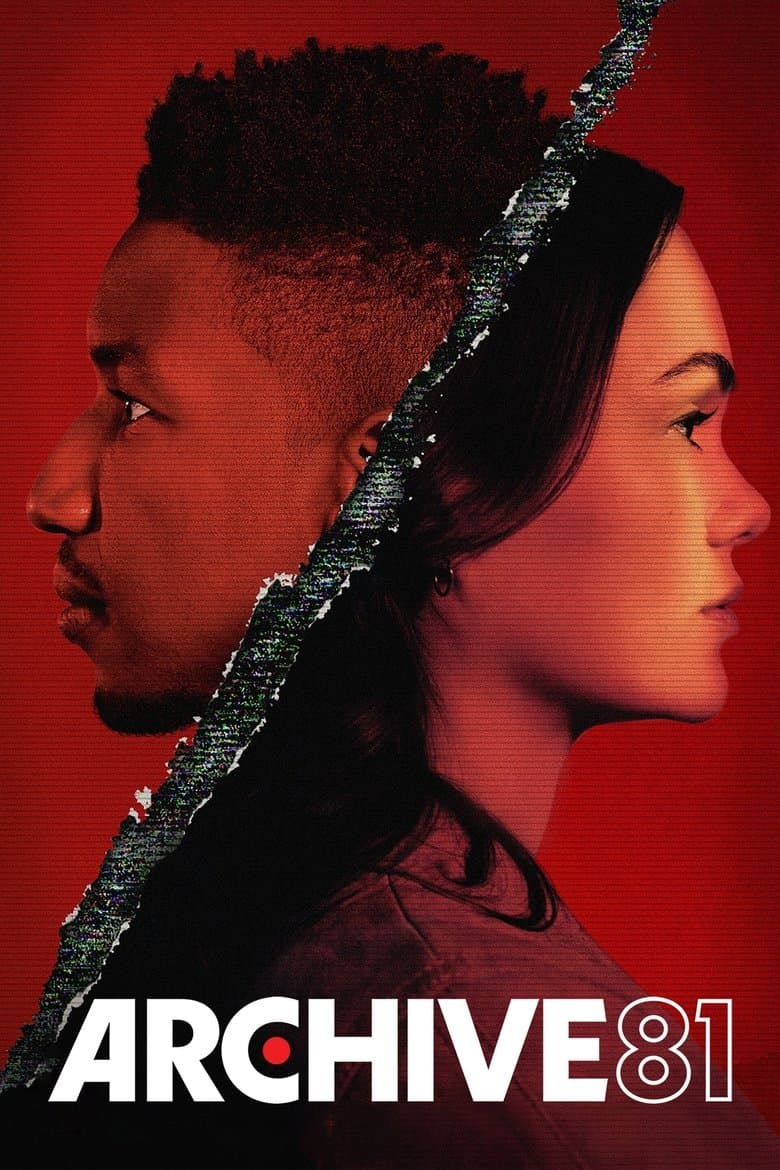
TV Show · 2022
An archivist takes a job restoring damaged videotapes and gets pulled into the vortex of a mystery involving the missing director and a demonic cult.
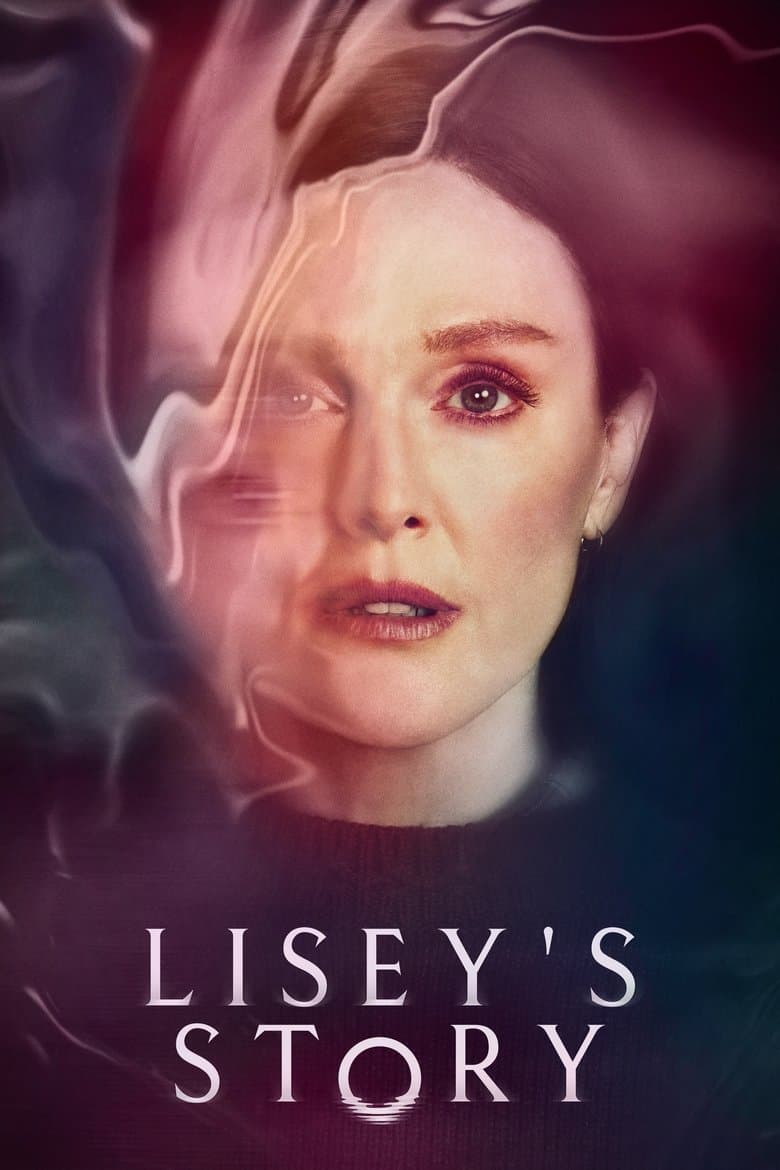
TV Show · 2021
This terrifying thriller follows widow Lisey Landon as a series of disturbing events revives memories of her marriage to author Scott Landon and the darkness that plagued him.
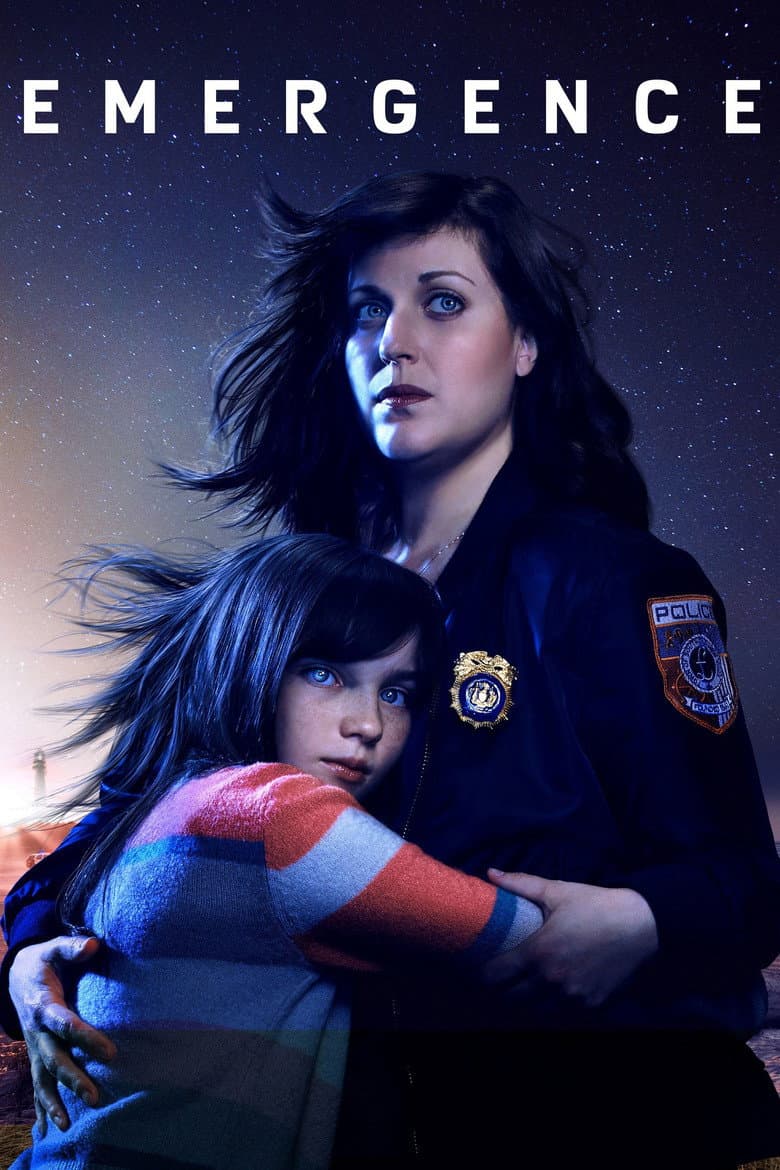
TV Show · 2019
A police chief takes in a young child she finds near the site of a mysterious accident who has no memory of what has happened.
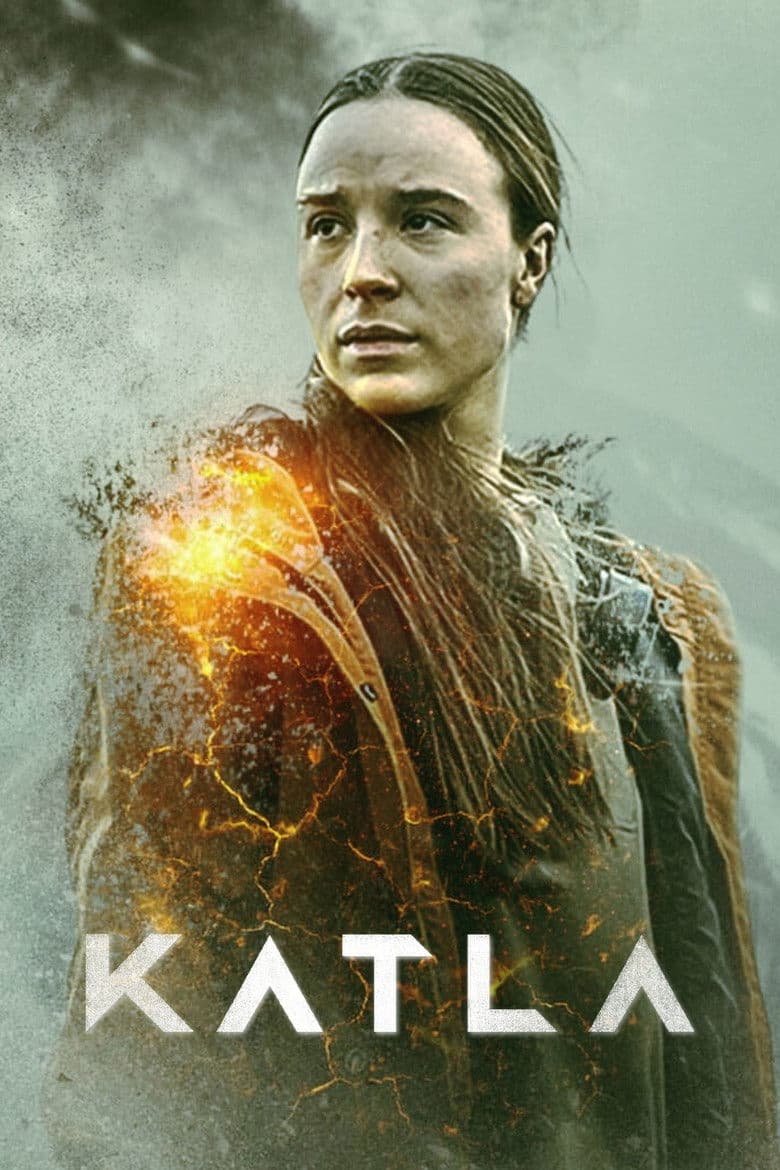
TV Show · 2021
A year after a subglacial volcano erupts, mysterious elements from prehistoric times emerge from the melting ice, bringing unforeseen consequences.
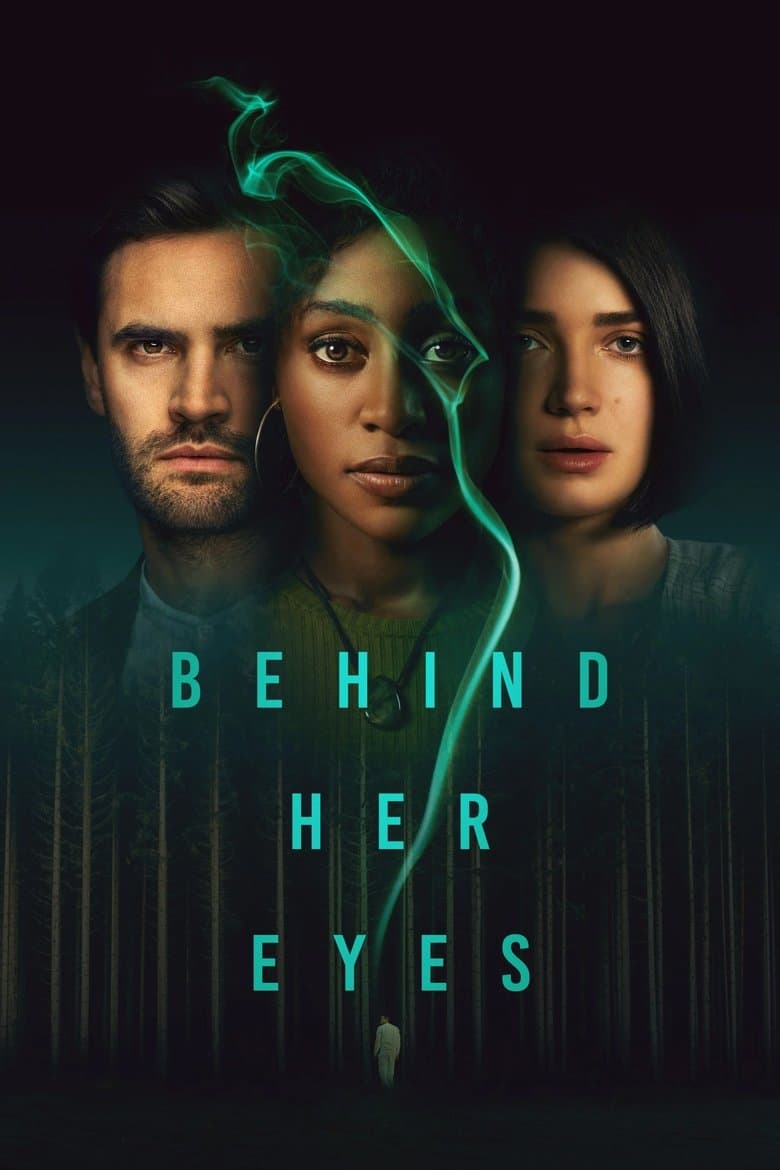
TV Show · 2021
A single mother enters a world of twisted mind games when she begins an affair with her psychiatrist boss while secretly befriending his mysterious wife.
