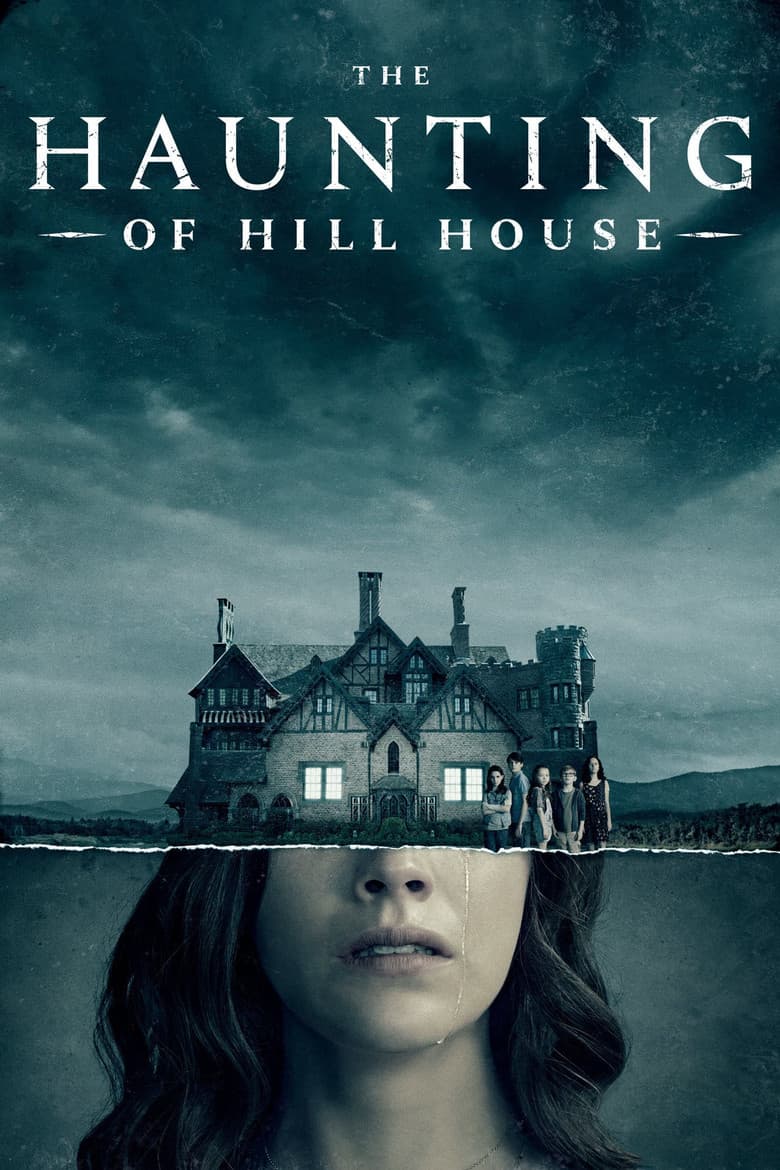
Started October 12, 2018 · Ended · Based on 1 season, 10 episodes through October 12, 2018 · TV-MA
The Haunting of Hill House follows the five Crain children as adults after a terrible summer in a haunted home. The story moves between their childhood and their broken lives years later. Their mother died in the house, and the siblings must face grief, addiction, fear, and old lies when their youngest sister returns there and dies. The show mixes slow horror with family drama, sadness, and a small amount of hope.
The clearest woke element is Theo Crain, a main character who dates women and lives with her girlfriend, Trish, by the end. The show presents Theo’s sexuality as normal, gives her a recurring romantic story, and lets her survive and heal. The family also includes two visible interracial relationships, although the cast is mostly a white family in a modern American setting. These choices are easy to notice, but the main story stays focused on ghosts, family damage, mental health, addiction, guilt, and forgiveness.
Community feedback
Was our 45% Woke rating accurate?
Breakdown
These are the editorial factors and ratings behind our score for The Haunting of Hill House.
Woke representation / casting
The Crain family is shown as mostly white, which fits a modern American family in the story. Shirley has an interracial marriage with Kevin, and Theo has an interracial relationship with Trish. Theo is also a prominent lesbian character, so the show gives identity and queer representation clear screen time. The story does not call attention to these choices as a cause or campaign.
32%
Woke political dialogue
Not present. No explicit political, activist, or ideological dialogue present; focus remains on personal grief and supernatural events.
0%
Identity-driven story themes
Theo’s sexuality is shown through her attraction to women, her relationship with Trish, and her life after Hill House. The show treats her as a full person rather than making her sexuality a source of shame or a political debate. Her work with troubled children and her fear of closeness are tied to her trauma, not to an activist speech. Her queer story is recurring and ends positively, but family grief and supernatural fear remain the main themes.
45%
Western institutional / cultural critique
Not present. No modern activist framing of patriarchy, systemic issues, or cultural institutions; the haunted house serves as a personal trauma metaphor.
0%
Woke character or canon changes
Theodora is only hinted to be queer in Shirley Jackson’s novel, but the series makes her openly lesbian with an on-screen girlfriend. It also makes Theo and Nell sisters, so the possible romance between them is removed. The first change is an audience-visible identity update, while the family change mainly serves the new plot. The show makes many other changes, but they are ordinary parts of turning a short novel into a ten-episode family story.
32%
Anti-woke backlash and complaints
One Metacritic user review called the lesbian character and interracial relationships deliberate DEI choices and claimed they showed social engineering. A forum comment used similar SJW language about the casting. These were isolated complaints, and the posts did not lead to a major campaign or viewer boycott. Most public reaction praised the scares, hidden ghosts, family story, and emotional ending.
16%
Creator track record context
Mike Flanagan’s known work is mainly horror about grief, addiction, and family trauma. His interviews about this show focus on adapting Shirley Jackson and building a family story about grief. Most other listed writers have low and genre-focused scores in the supplied context. Charise Castro Smith has supported more Latine voices in writers’ rooms, but this show does not use that issue as a story message.
24%
Production
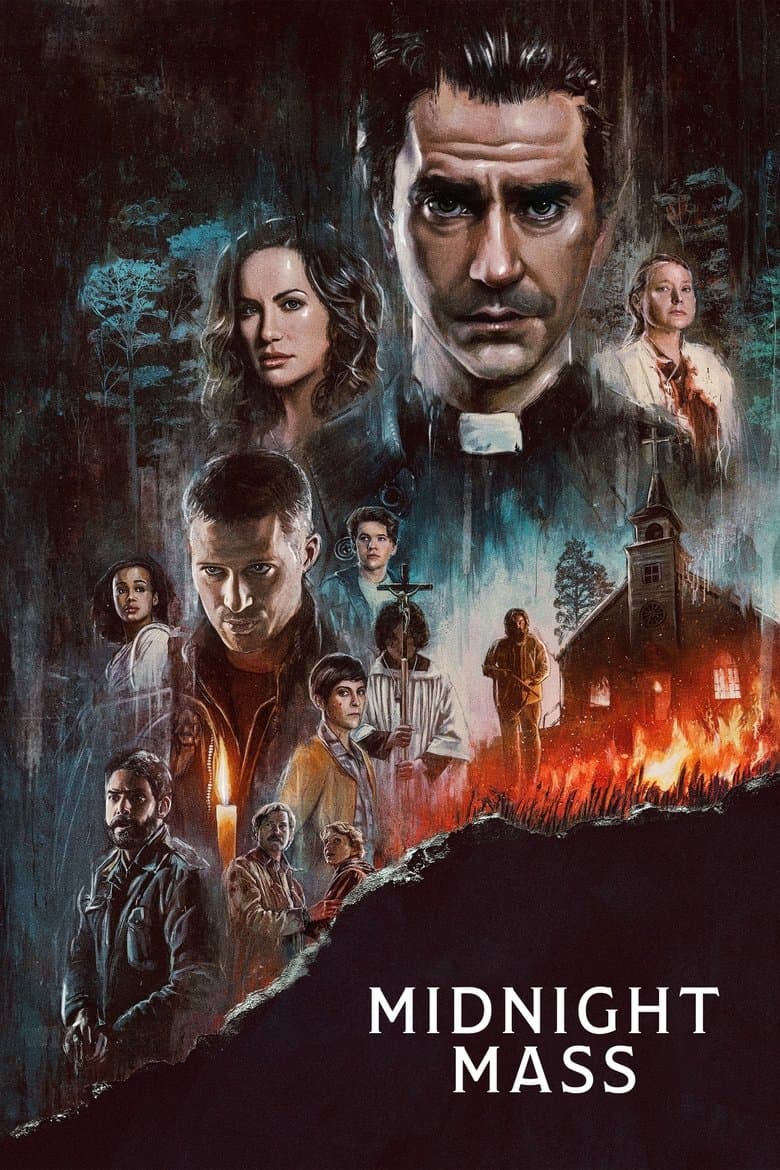
TV Show · 2021
The arrival of a charismatic young priest brings glorious miracles, ominous mysteries and renewed religious fervor to a dying town desperate to believe.
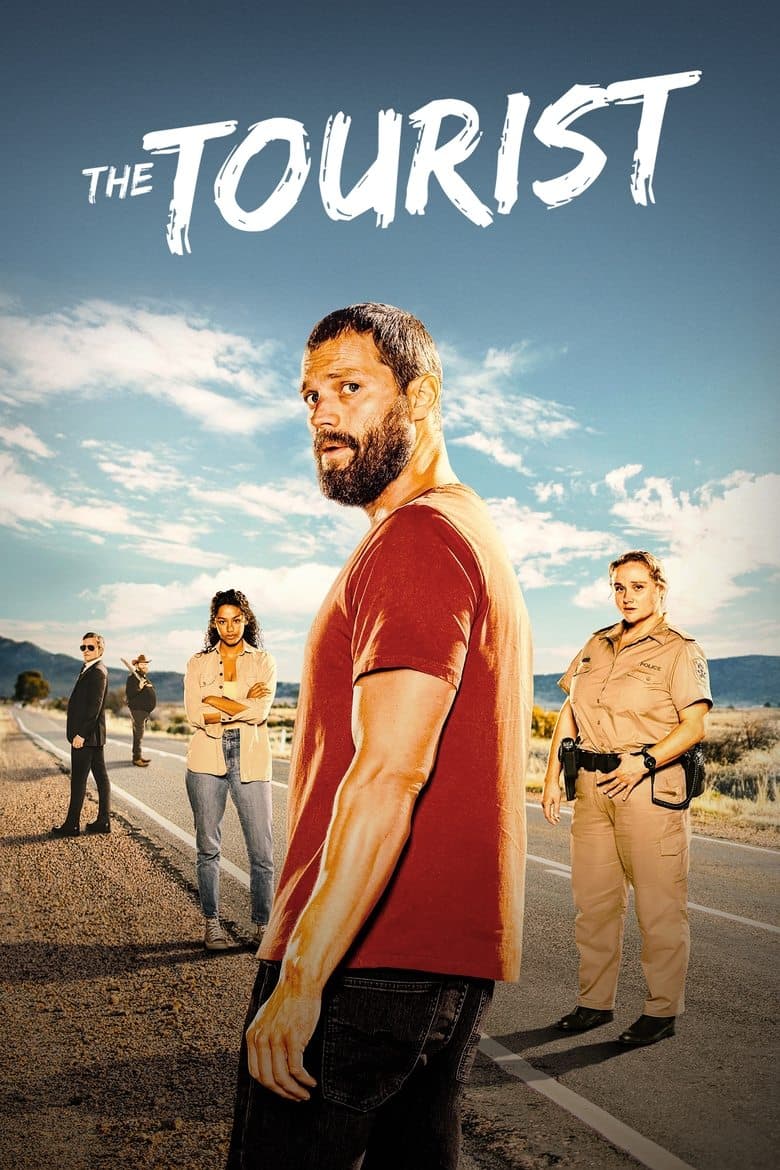
TV Show · 2022
When a man wakes up in the Australian outback with no memory, he must use the few clues he has to discover his identity before his past catches up with him.
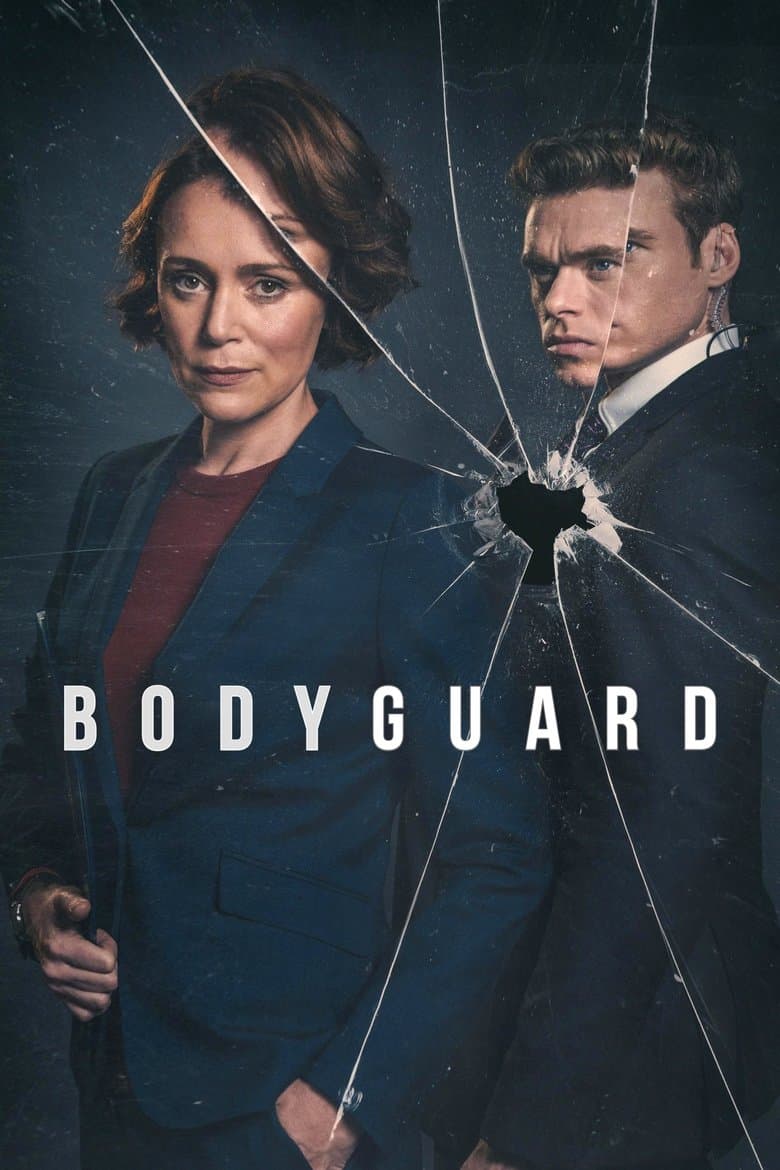
TV Show · 2018
A troubled war veteran is assigned to protect a controversial politician who may be the target of a terror plot.
TV Show · 2022
When one of a group of friends downloads the mysterious Red Rose app, plans change. What starts innocently as a game of admiration rapidly descends into something much darker.
TV Show · 2026
A desperate father searching for his runaway daughter gets caught up in a murder case — and stumbles upon secrets which could destroy his family for good.
TV Show · 2022
Lucy wakes every night at exactly 3:33am. Nothing in her life has made sense for a long time. But the answers are out there, somewhere, at the end of a trail of brutal murders.

TV Show · 2023
A disgraced cop in debt is forced to return to his home state of Florida for a shady mission only to get swept up in a wild — and deadly — treasure hunt.
TV Show · 2024
When ex-soldier Maya sees her murdered husband on a secret nanny cam, she uncovers a deadly conspiracy that stretches deep into the past.
