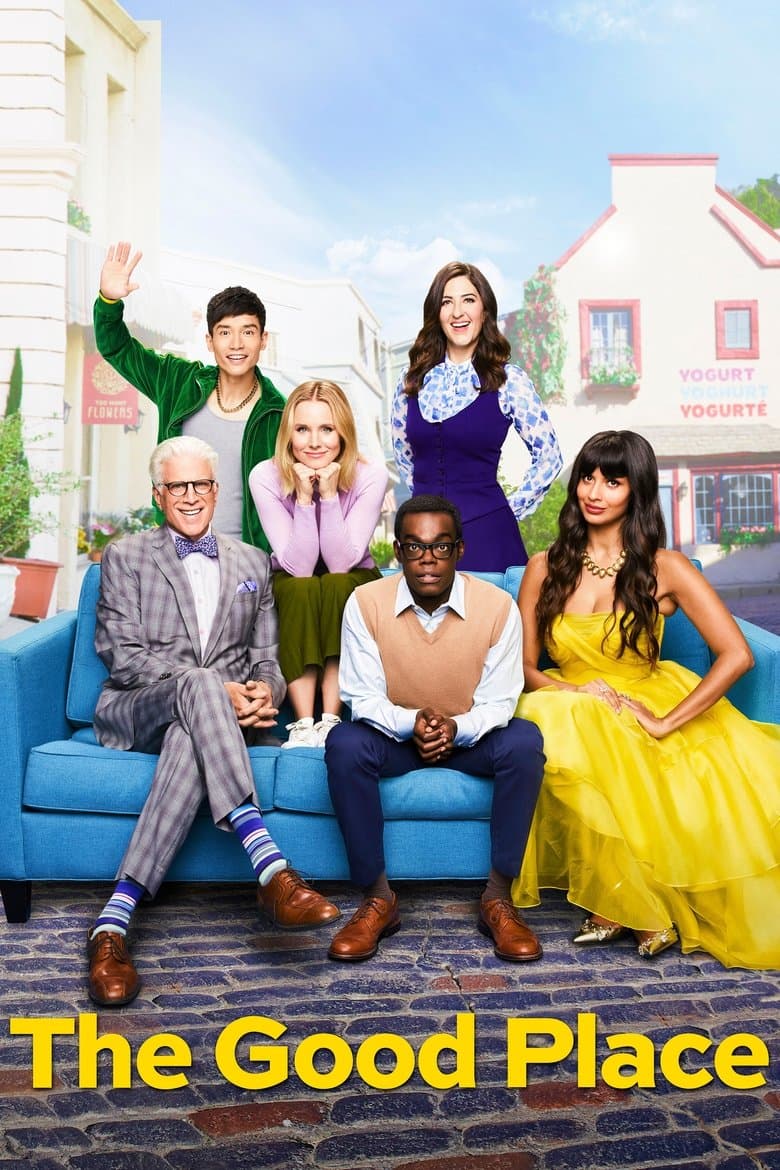
Started September 19, 2016 · Based on 4 seasons, 50 episodes · TV-14 · 22 min
The Good Place is a comedy TV show about Eleanor Shellstrop, a selfish woman wrongly sent to a heaven-like afterlife. She studies ethics so she can become a better person. Over four seasons the story grows into a larger look at moral scoring, modern life, and the afterlife bureaucracy. The core through-line is classical moral philosophy delivered as comedy. Identity politics is not the main engine of the show.
Later seasons and casting choices still put progressive signals in clear view. The lead ensemble is multi-racial by design, and Eleanor is confirmed bisexual on screen. The show treats racism and sexism as moral failures the group must confront. Seasons three and four argue that modern capitalism and complex supply chains make pure good deeds nearly impossible. The heroes then reform the cosmic judgment system itself. Queer and diversity elements matter, but personal ethics remains the spine of the story.
Community feedback
Was our 60% Woke rating accurate?
Breakdown
These are the editorial factors and ratings behind our score for The Good Place.
Woke representation / casting
The show builds a multi-racial lead ensemble in strong heroic roles. Chidi, Tahani, Jason, and later Simone sit in major competent parts. The all-nations afterlife softens pure mismatch claims, but the pattern and press around representation still read as intentional diversity-first design. White leads stay central, so it is not a pure quota caricature.
32%
Woke political dialogue
Most talk is ethics-class banter, not activist slogans. Clear progressive spikes appear, including the Book of Dougs claim that modern supply chains and harm make pure good deeds near impossible. Season four frames Brent’s racism and sexism as moral failure the group must face. The spikes are noticeable, not wall-to-wall preaching.
38%
Identity-driven story themes
The main theme is personal moral growth and what people owe each other. Identity layers still count through Eleanor’s bisexuality and anti-bigotry in the Brent arc. Janet’s not-a-girl framing is often read as nonbinary coding even when creators call her non-human. Queer and diversity signals are real but not the center of the show.
48%
Western institutional / cultural critique
Later seasons argue modern capitalism and supply chains broke the moral points system. The heroes reform cosmic judgment itself. Secular pluralism undercuts exclusive religious claims. The Brent arc targets entitled white-male bigotry. Early seasons focus on personal ethics, while later seasons lean harder into systemic critique.
55%
Woke character or canon changes
Not relevant. This is an original series with no prior source characters, historical figures, or franchise canon to rewrite.
0%
Anti-woke backlash and complaints
The show was not a major culture-war flashpoint and had no large boycott. Real criticism still exists, including a 2025 essay that treats its cast, religious relativism, and late-series tone as woke sitcom traits. Online complaints about diversity casting and liberal messaging also appear. The volume is thin to moderate and mostly retrospective.
28%
Creator track record context
Michael Schur scores low on identity activism and focuses on ethics comedy. The writers’ room averages more progressive, with some higher scores and many lower ones. Kristen Bell brings equality advocacy around the edges. The overall brand is liberal-humanist comedy, not a hard activist project.
30%
Production
TV Show · 2016
An aging police sheriff who has recently lost his position due to an angry outburst begrudgingly joins an alliance with new sheriff, Evie Barret to battle angry demons haunting…
TV Show · 2022
Smart, sarcastic and a little dead inside, Wednesday Addams investigates twisted mysteries while making new friends — and foes — at Nevermore Academy.
TV Show · 2016
A comedic thriller that follows the bizarre adventures of eccentric “holistic” detective Dirk Gently and his reluctant assistant Todd.
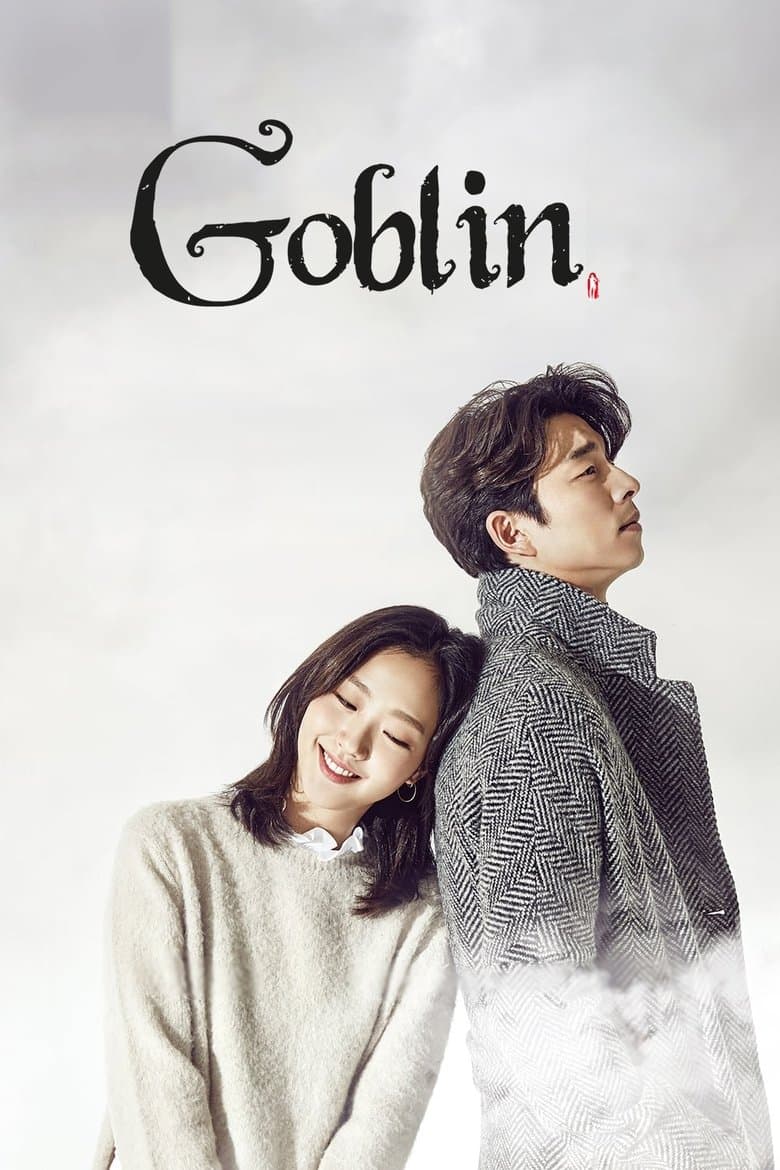
TV Show · 2016
In his quest for a bride to break his immortal curse, a 939-year-old guardian of souls meets a grim reaper and a sprightly student with a tragic past.
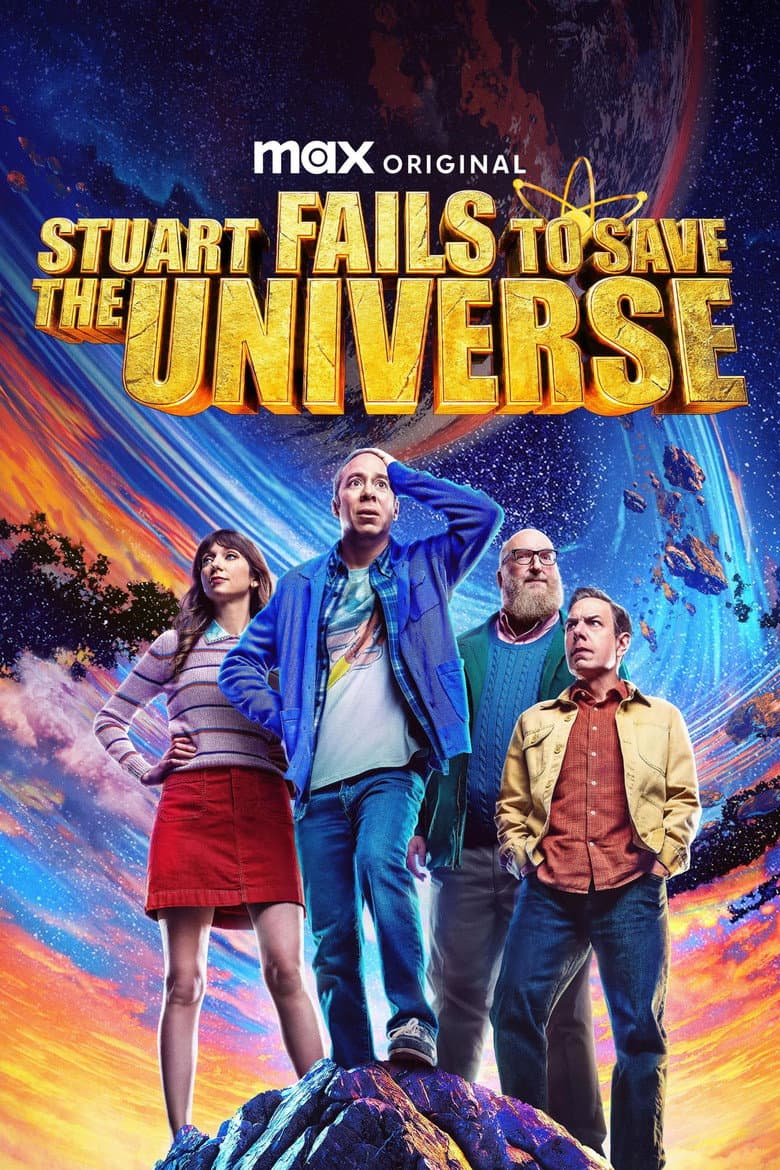
TV Show · 2026
After accidentally creating a new multiverse, comic book store owner Stuart Bloom must locate a quantum-interference device to restore reality.
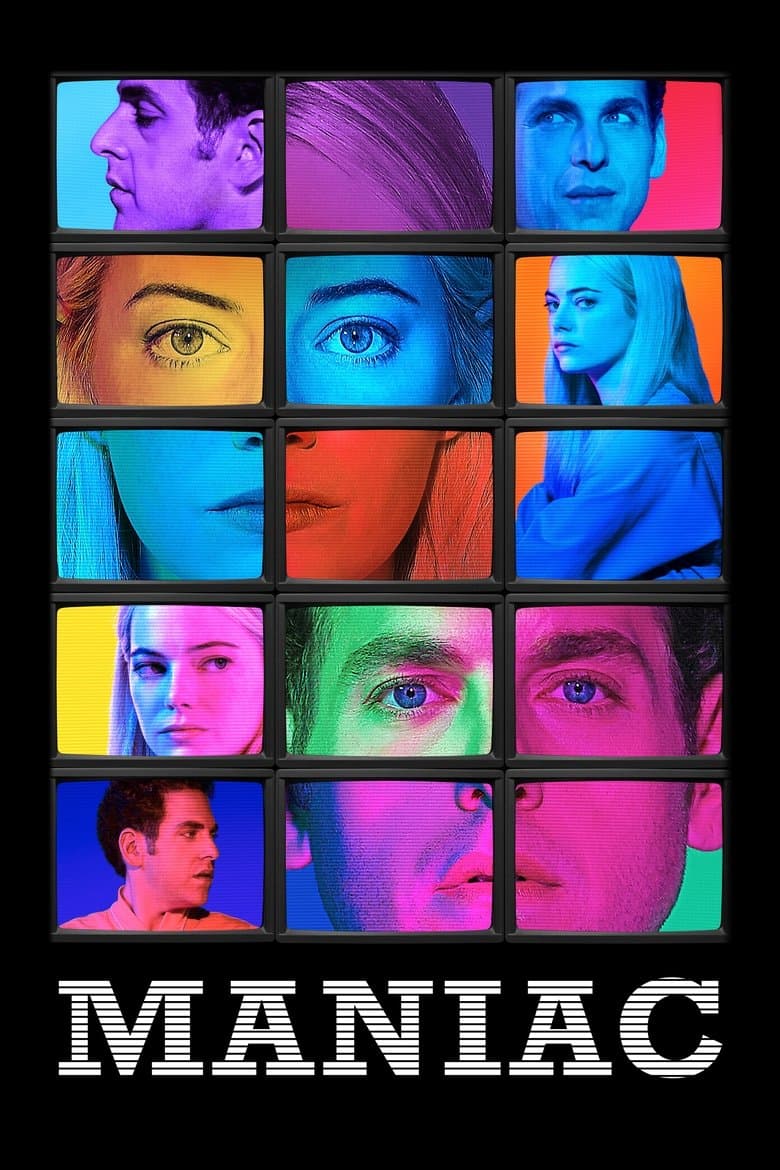
TV Show · 2018
Two strangers are drawn to a mysterious pharmaceutical trial that will, they're assured, with no complications or side-effects whatsoever, solve all of their problems…
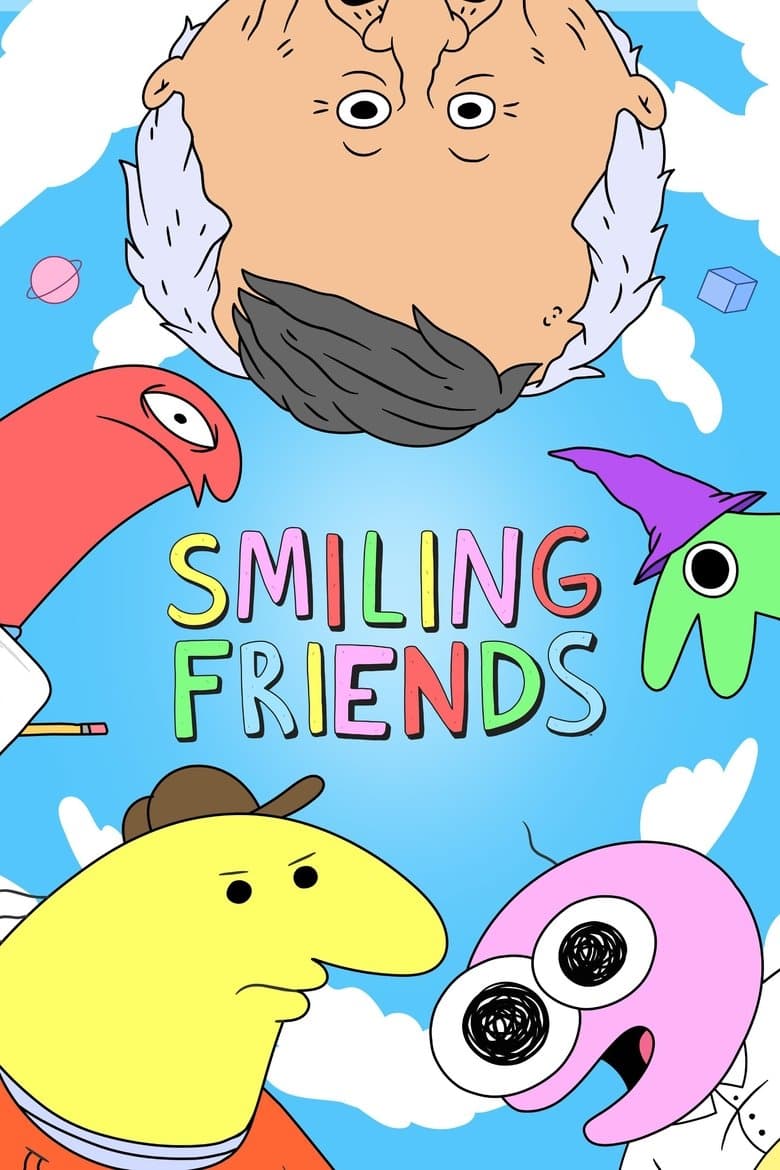
TV Show · 2020
Smiling Friends Inc. is a small company whose main purpose is to bring happiness and make people smile. The series follows the day-to-day lives and misadventures of its…
TV Show · 2022
Gary is an emotional wreck and struggles to provide for his daughter since the death of his wife. Mary has a secret she can't bring herself to share with anyone.
