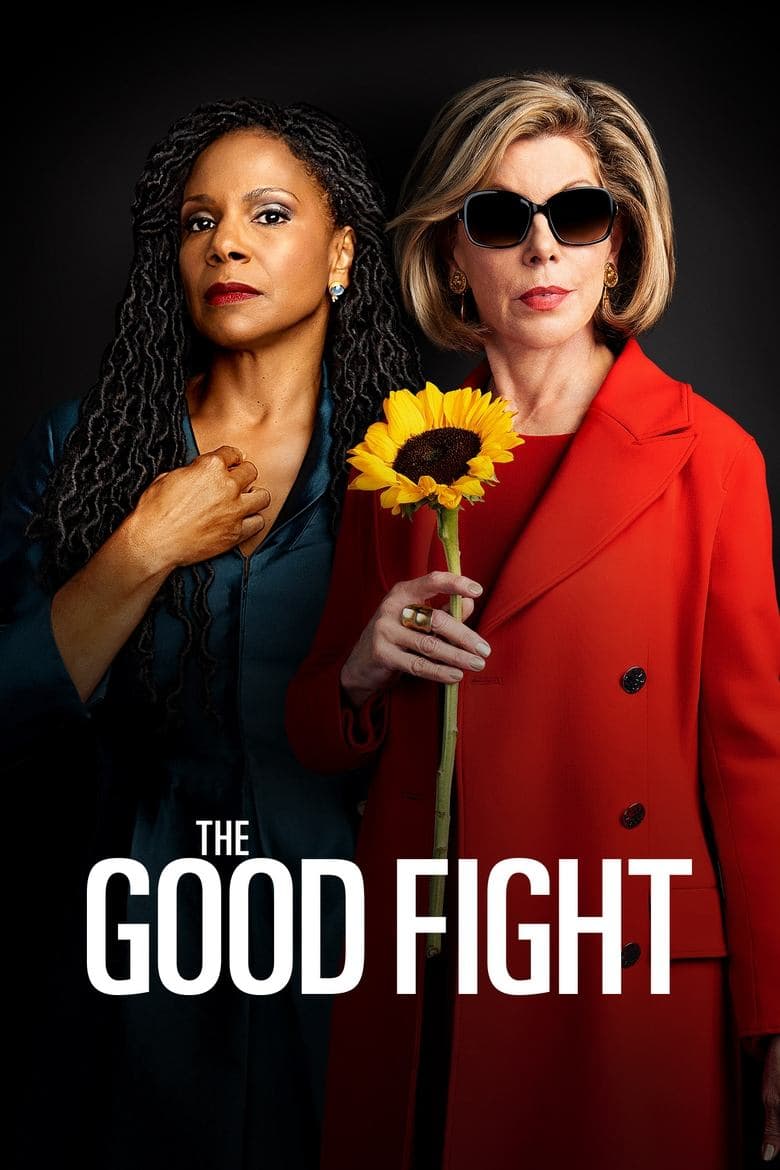
Started February 19, 2017 · Ended · Based on 6 seasons, 60 episodes through November 10, 2022 · TV-MA · 50 min
The Good Fight is a six-season legal drama spin-off of The Good Wife. It follows veteran liberal lawyer Diane Lockhart and her goddaughter Maia after a financial scam destroys their savings and reputations. They join a prominent black-owned Chicago law firm known for police brutality cases against the city, with Diane joining as what the show frames as a diversity hire.
The series weaves its legal cases and firm storylines with direct commentary on Trump-era politics, racial dynamics inside the firm, MeToo, fake news, and other headlines. It features a prominent lesbian lead character whose relationships form part of her arc and were highlighted in early marketing. Later seasons include a major storyline where the white lead steps back from named partner status at the historically black firm amid explicit discussions of privilege and race.
Community feedback
Was our 86% Woke rating accurate?
Breakdown
These are the editorial factors and ratings behind our score for The Good Fight.
Woke representation / casting
The core premise and marketing emphasize a prestigious African American-owned law firm with Diane explicitly positioned as a white "diversity hire"; the show features a prominent out lesbian lead (Maia) with romantic arcs highlighted early on; the ensemble includes multiple high-profile black lawyers and strong female leads in powerful professional roles, with racial and gender makeup of the firm repeatedly addressed in storylines.
62%
Woke political dialogue
Characters regularly discuss and react to real-world events with direct, often satirical liberal framing, including fictionalized Trump tweets and administration actions, the firm's work on Democratic impeachment efforts against the president, harsh alt-right troll caricatures, MeToo cases, George Floyd-era racial inequality, January 6, and post-Roe despair.
78%
Identity-driven story themes
Racial identity of the firm and its police brutality caseload forms a central ongoing premise and driver of arcs; season 5 devotes significant time to white privilege, backlash against Diane's leadership at a historically black firm, and her stepping down; Maia's lesbian identity and relationships are integrated into her character story and were part of launch marketing; gender dynamics and professional power for women recur.
72%
Western institutional / cultural critique
The narrative centers ongoing critiques of police practices and the justice system (core to the firm's work), political institutions under a conservative administration (portrayed as chaotic and threatening), media/fake news, corporate power, and aspects of patriarchy via MeToo; it frames much through lenses of systemic issues and resistance, while including some examination of liberal hypocrisy and blind spots.
65%
Woke character or canon changes
Not present in this title.
0%
Anti-woke backlash and complaints
Scattered online viewer complaints on forums criticize the show as overly political, preachy, or pushing identity and left-wing messaging, especially the explicit anti-Trump plots, racial firm dynamics, and topical satire; these appear mostly as individual posts rather than widespread organized backlash or major news stories.
28%
Creator track record context
Key creators Michelle King and Robert King have a documented pattern of legal dramas that incorporate current political events, racial tensions, and social issues from liberal perspectives; co-creator Phil Alden Robinson has civil rights-themed historical work; supporting writer Jonathan Tolins has a strongly queer-focused career; producer Alison Cross has prior credits on socially conscious women's and lesbian stories; other contributors show milder or no such patterns.
50%
Production
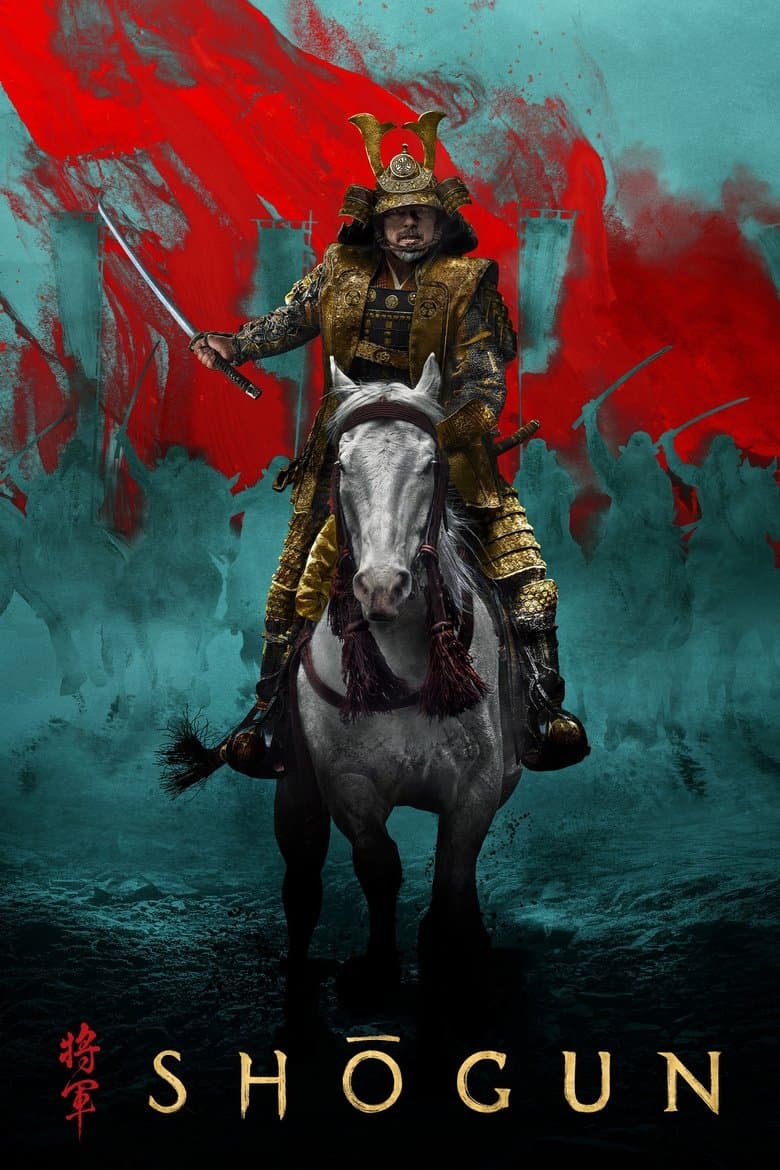
TV Show · 2024
In Japan in the year 1600, at the dawn of a century-defining civil war, Lord Yoshii Toranaga is fighting for his life as his enemies on the Council of Regents unite against him…
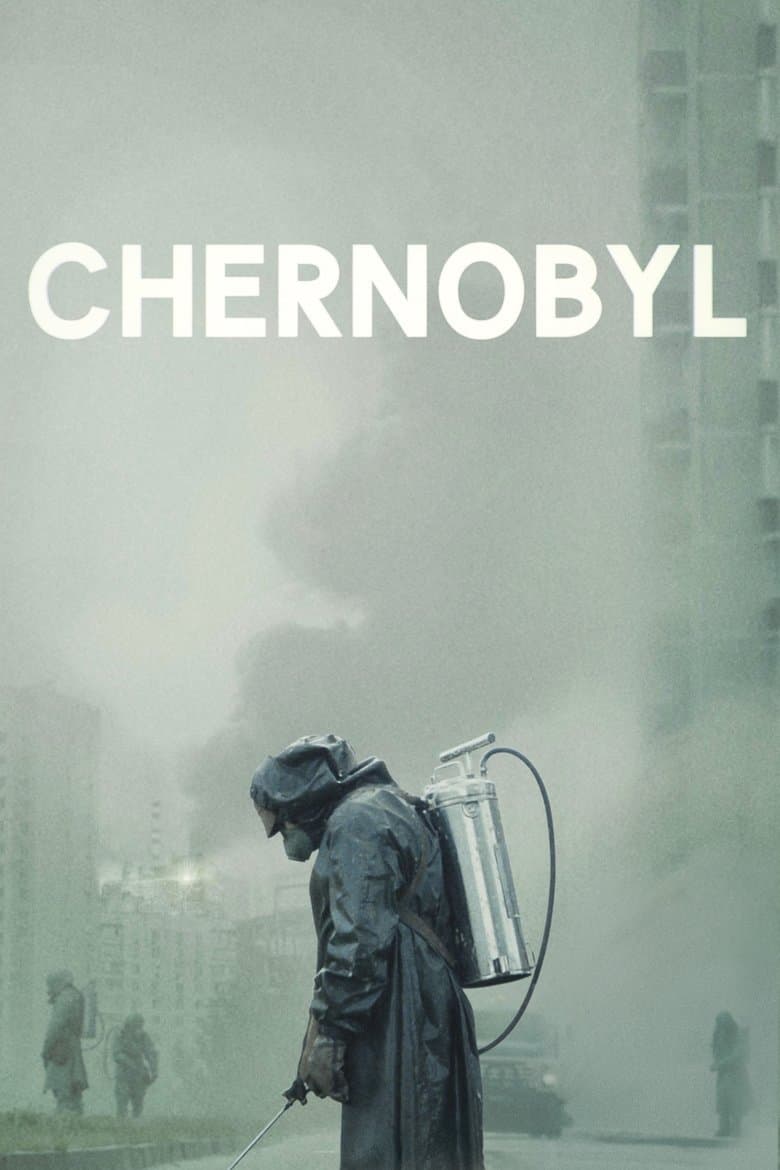
TV Show · 2019
The true story of one of the worst man-made catastrophes in history: the catastrophic nuclear accident at Chernobyl.
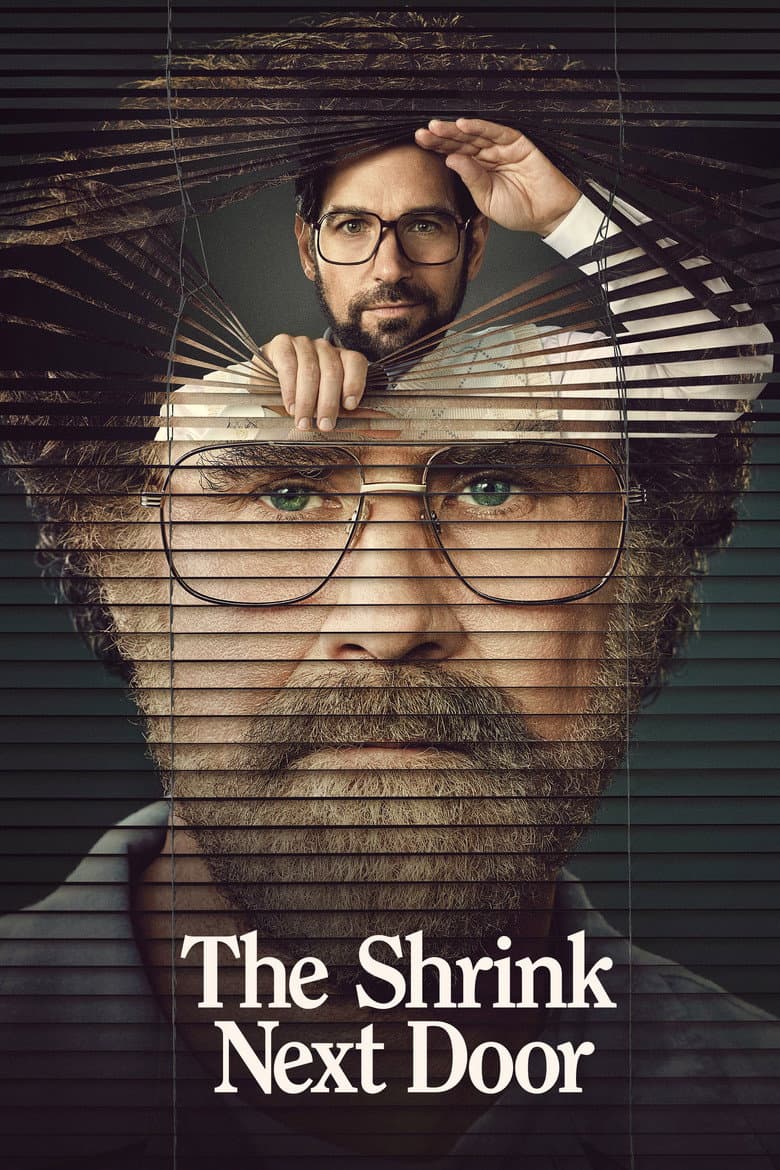
TV Show · 2021
Inspired by the true story of Marty and the therapist who turned his life around...then took it over. When he first meets Dr. Ike, Marty just wants to get better at boundaries.
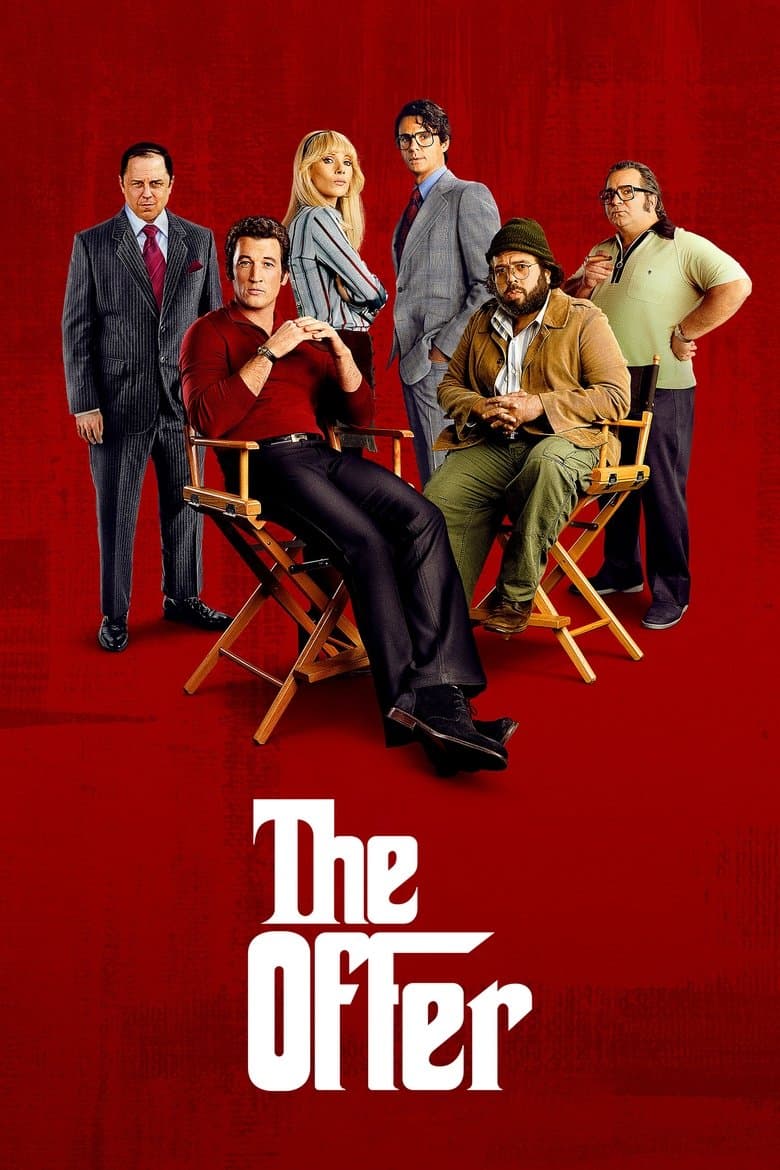
TV Show · 2022
Oscar-winning producer Al Ruddy’s never before revealed experiences of making the iconic 1972 film The Godfather that Francis Ford Coppola directed and adapted with Mario Puzo.
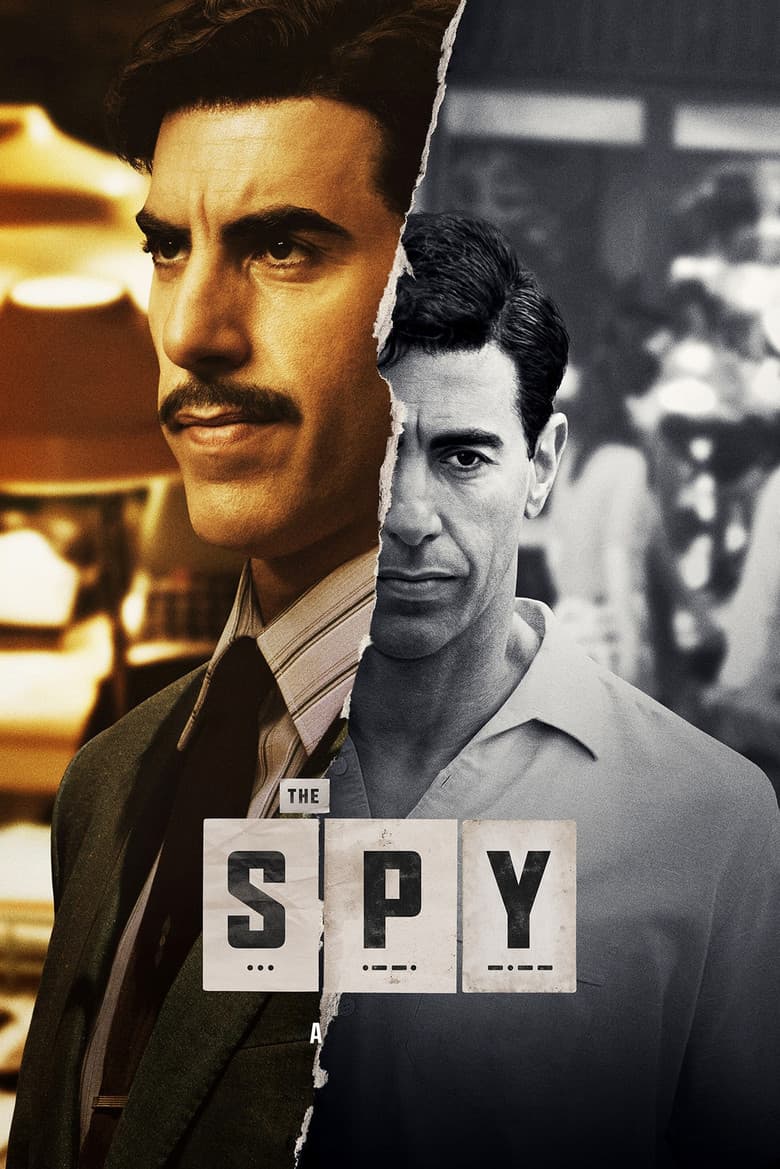
TV Show · 2019
In the 1960s, Israeli clerk-turned-secret agent Eli Cohen goes deep undercover inside Syria on a perilous, years-long mission to spy for Mossad.
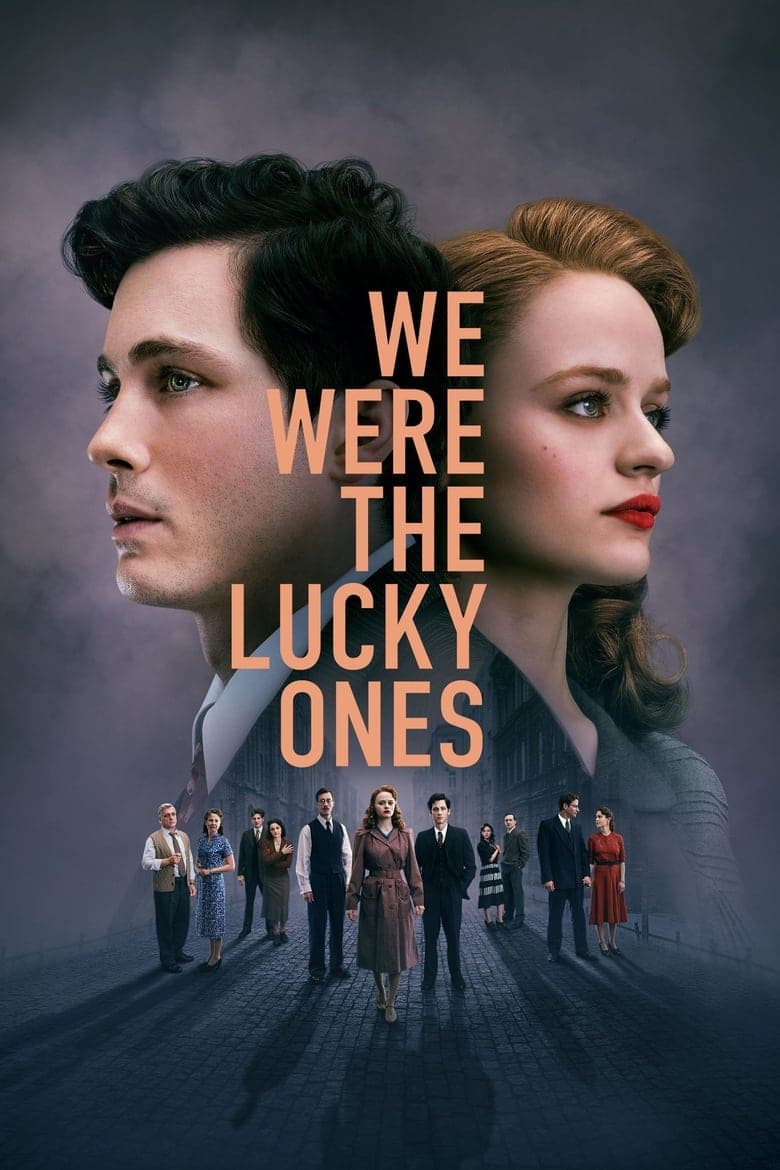
TV Show · 2024
The true story of one Jewish family separated at the start of World War II, determined to survive—and to reunite.
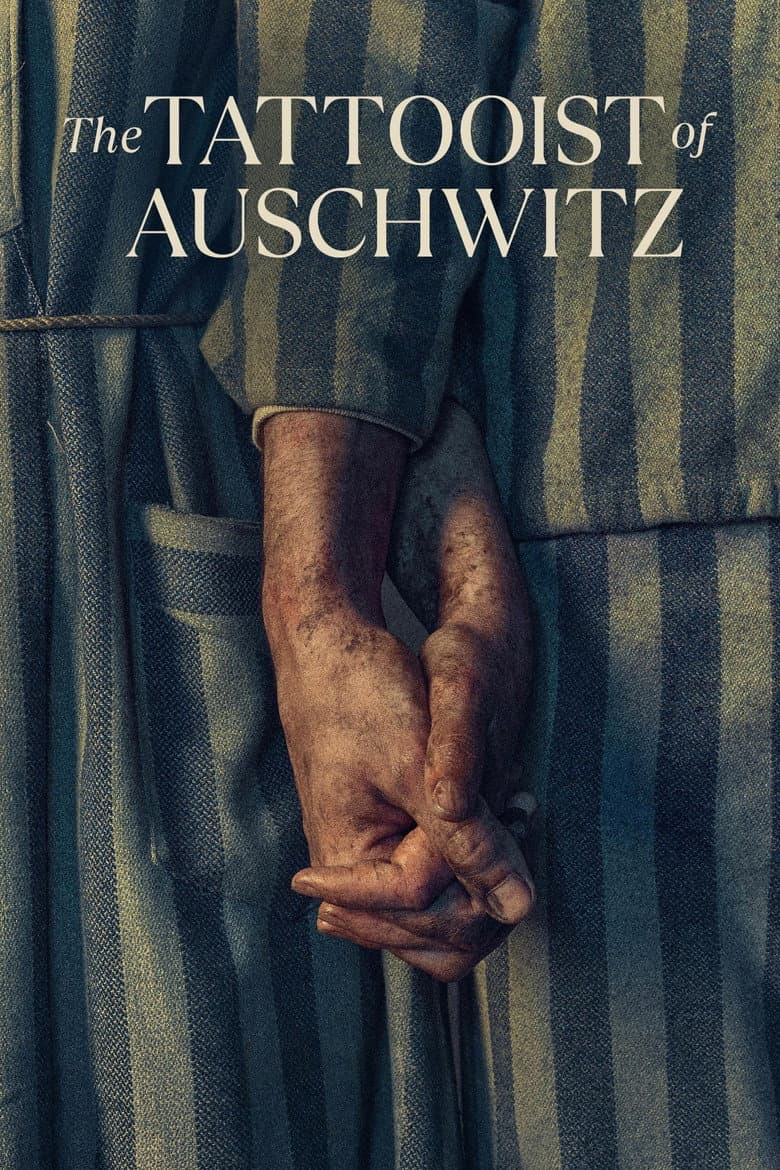
TV Show · 2024
The powerful real-life story of Lali Sokolov, a Jewish prisoner who was tasked with tattooing ID numbers on prisoners' arms in the Auschwitz-Birkenau concentration camp during…
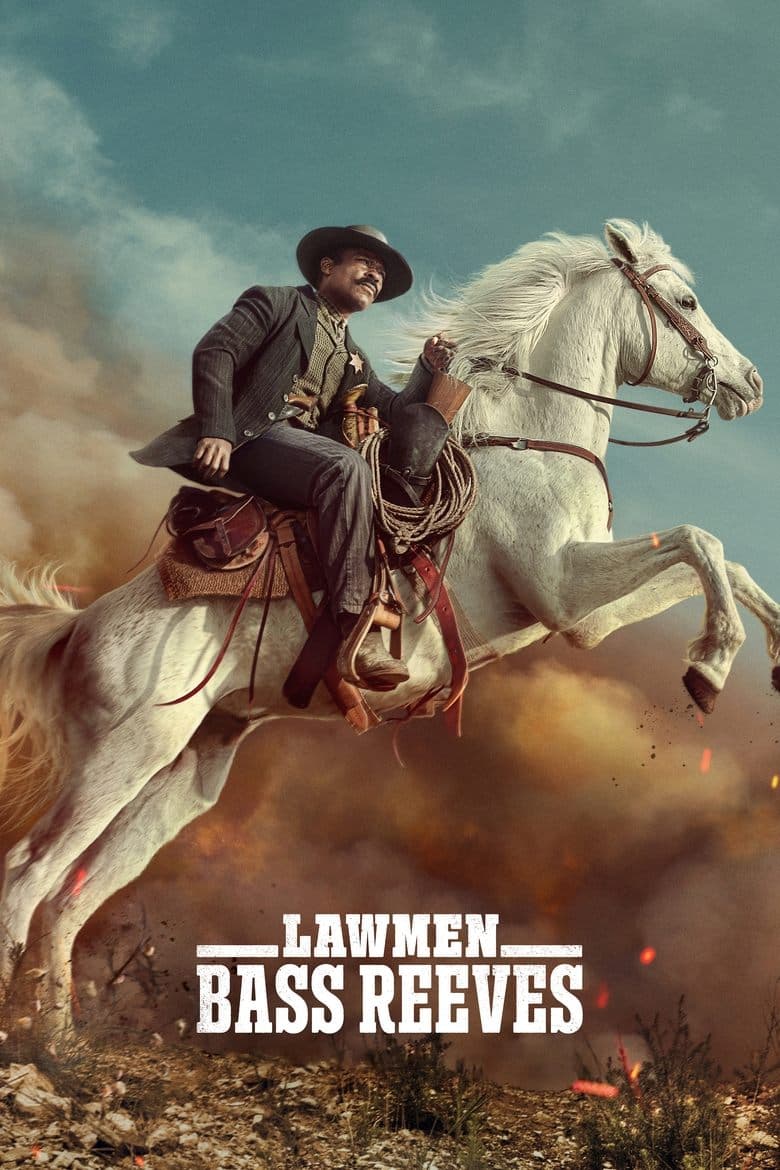
TV Show · 2023
The story of Bass Reeves, the legendary lawman of the wild West, is brought to life. Reeves worked in the post-Reconstruction era as a federal peace officer in the Indian…
