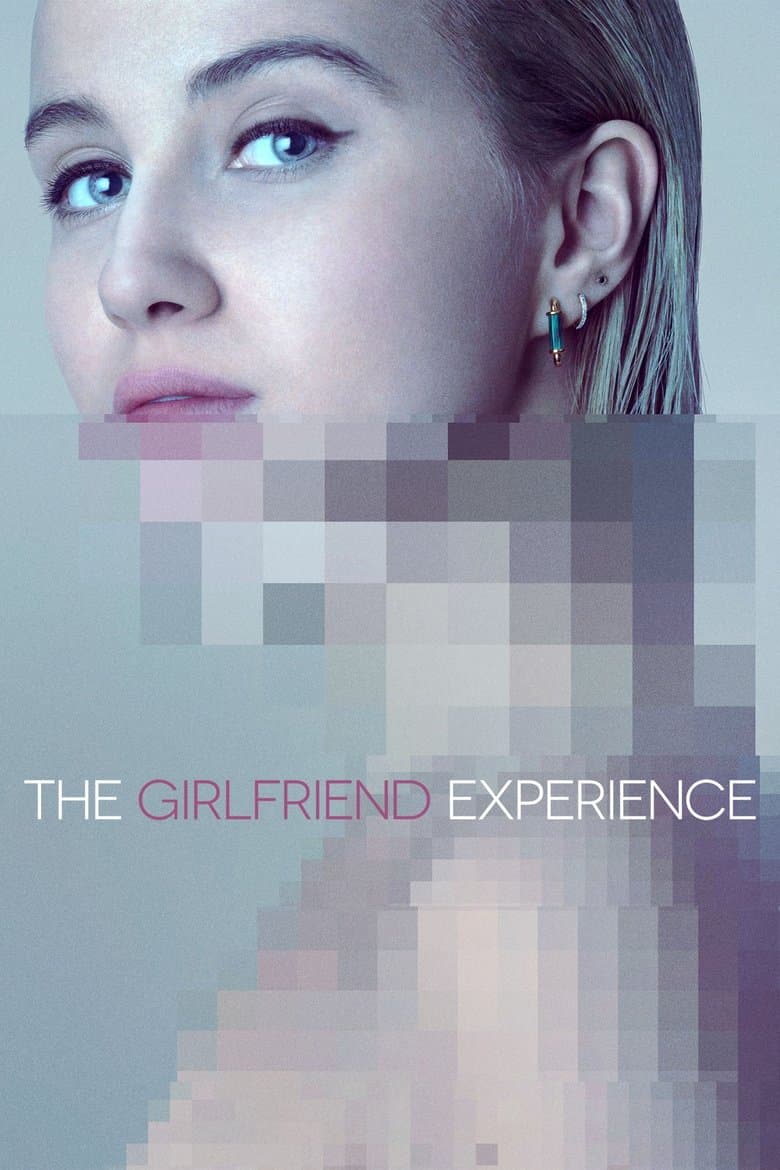
Started April 10, 2016 · Ended · Based on 3 seasons, 37 episodes through June 20, 2021 · TV-MA
The show follows different high-end female escorts as they navigate complex relationships with wealthy clients. These women offer both physical and emotional companionship for high prices while managing their own personal lives. Feminist themes of female control, power, and independence are highly visible across all three seasons. A major storyline in the second season focuses on a complex lesbian relationship and explores queer identity themes, which strongly raises the overall woke factor.
Community feedback
Was our 69% Woke rating accurate?
Breakdown
These are the editorial factors and ratings behind our score for The Girlfriend Experience.
Woke representation / casting
The show places independent, highly competent, and complex female leads at the absolute center of every season. Season 2 introduces a prominent storyline entirely focused on a lesbian relationship between a female political director and a high-end escort, with multiple other queer characters. While the casting fits the modern professional and cosmopolitan settings, the focus on female agency and queer identities is very strong.
33%
Woke political dialogue
The series mostly avoids overt activist speeches or preachy political slogans. However, there are notable discussions about consent, female agency, and the ethics of sex work. Season 2 involves high-stakes Washington political fundraising, though the political angles are portrayed through a cynical and transactional lens. Season 3 features tech startup executives who use modern, progressive-sounding business speak. Because the dialogue centers on personal power, control, and transactional relationships rather than direct ideological lectures, the political dialogue remains noticeable but mostly backgrounded.
23%
Identity-driven story themes
The core themes of the series are heavily tied to female agency, power, and sexual independence. It actively rejects traditional relationship norms and the classic trope of sex workers as helpless victims. Instead, it portrays them as highly calculated and in control. Season 2 places a complex lesbian BDSM relationship at the very center of its plot, heavily focusing on queer identity dynamics, control, and emotional manipulation. Because of the heavy narrative emphasis on feminist self-determination and central LGBTQ+ themes across the seasons, this factor is strong and clearly visible.
72%
Western institutional / cultural critique
The show presents a strong critique of traditional Western institutions and social norms. Throughout all three seasons, traditional romantic relationships, family units, and corporate structures are depicted as highly flawed, sterile, and purely transactional. Many male clients are shown as desperate, entitled, or operating from a position of toxic power that the female leads must navigate or exploit. By framing traditional gender roles as outdated and showcasing corporate, political, and tech systems as inherently corrupting, the series presents a noticeable and cynical critique of modern Western culture.
65%
Woke character or canon changes
Not present in this title.
0%
Anti-woke backlash and complaints
There is no recorded history of anti-woke backlash or major right-leaning public controversy surrounding this series. The show aired on a premium cable network and remained a niche, critically acclaimed drama without attracting significant political debate or culture-war complaints.
0%
Creator track record context
The show's creative team has a mixed track record. Co-creator Amy Seimetz has a high woke score of 70 for her vocal feminist filmmaking and rejection of patriarchal standards. Other creators and writers have much lower scores, such as Lodge Kerrigan (15) and Anja Marquardt (22), who focus more on independent character studies. Producers like Steven Soderbergh (39) and Adele Romanski (50) bring a history of supporting independent, socially conscious films, leading to a moderate overall score for the collective team.
45%
Production
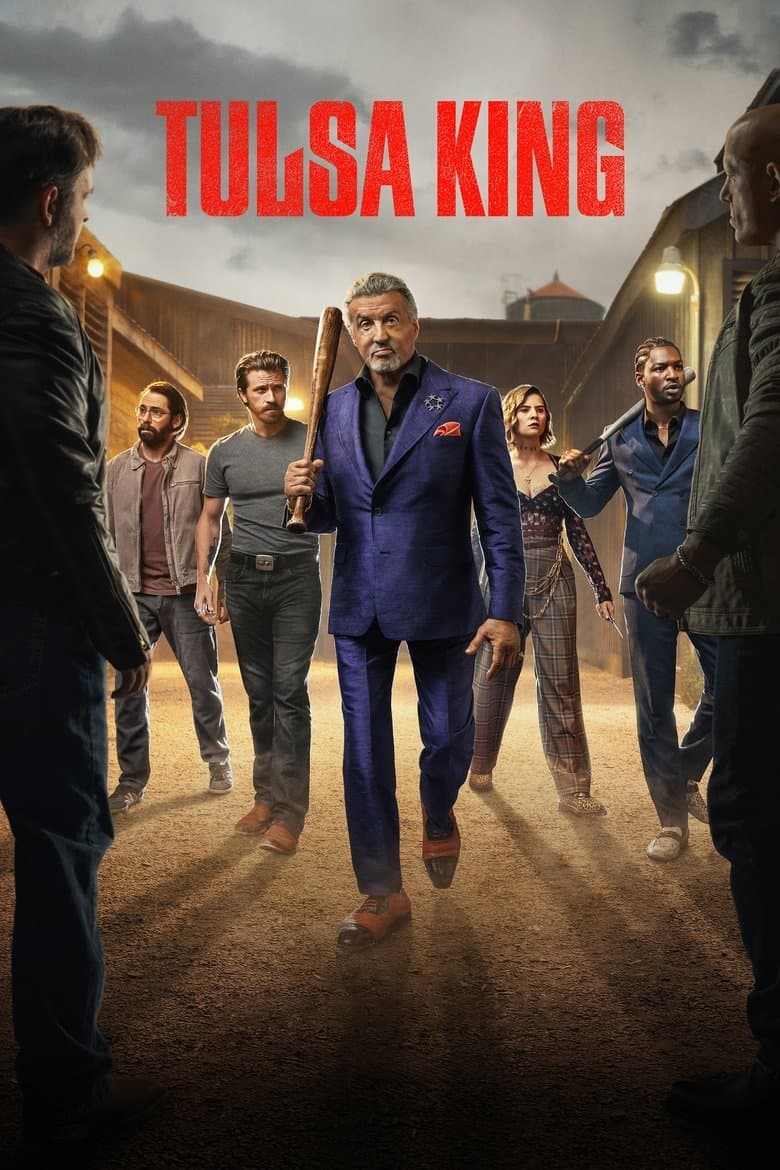
TV Show · 2022
New York mafia capo Dwight "The General" Manfredi is released from prison after 25 years and exiled by his boss to set up shop in Tulsa, Oklahoma.
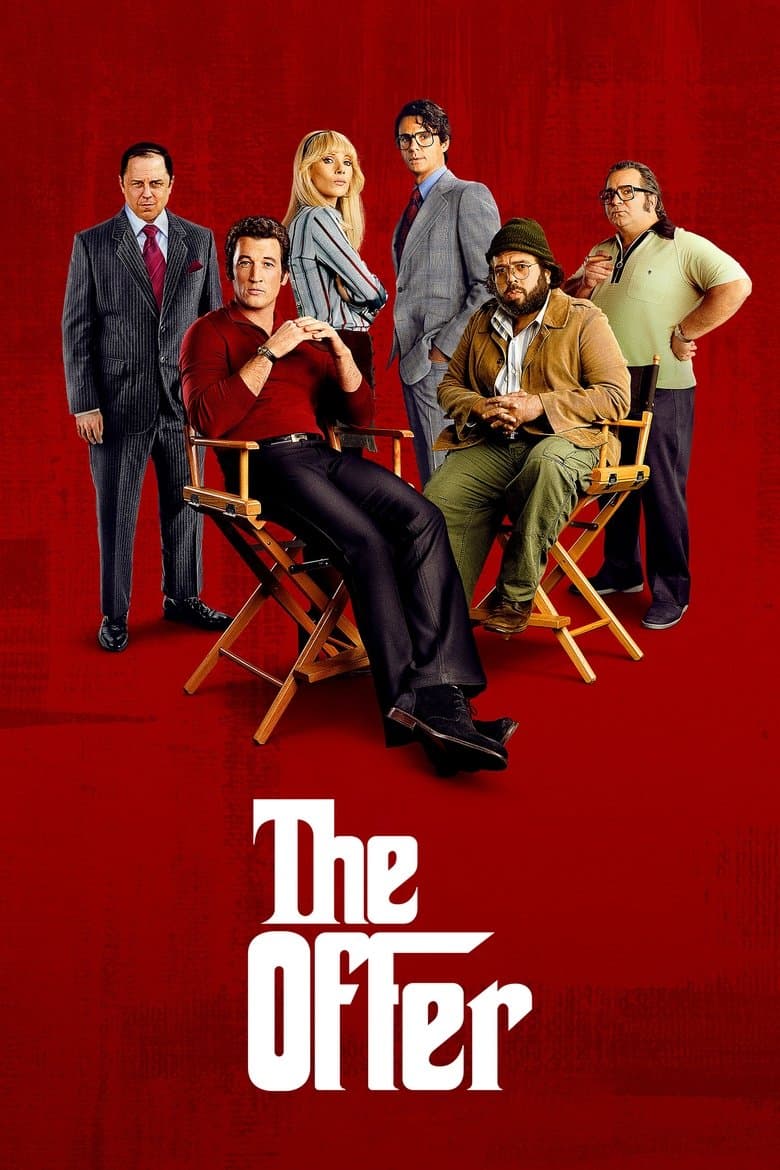
TV Show · 2022
Oscar-winning producer Al Ruddy’s never before revealed experiences of making the iconic 1972 film The Godfather that Francis Ford Coppola directed and adapted with Mario Puzo.
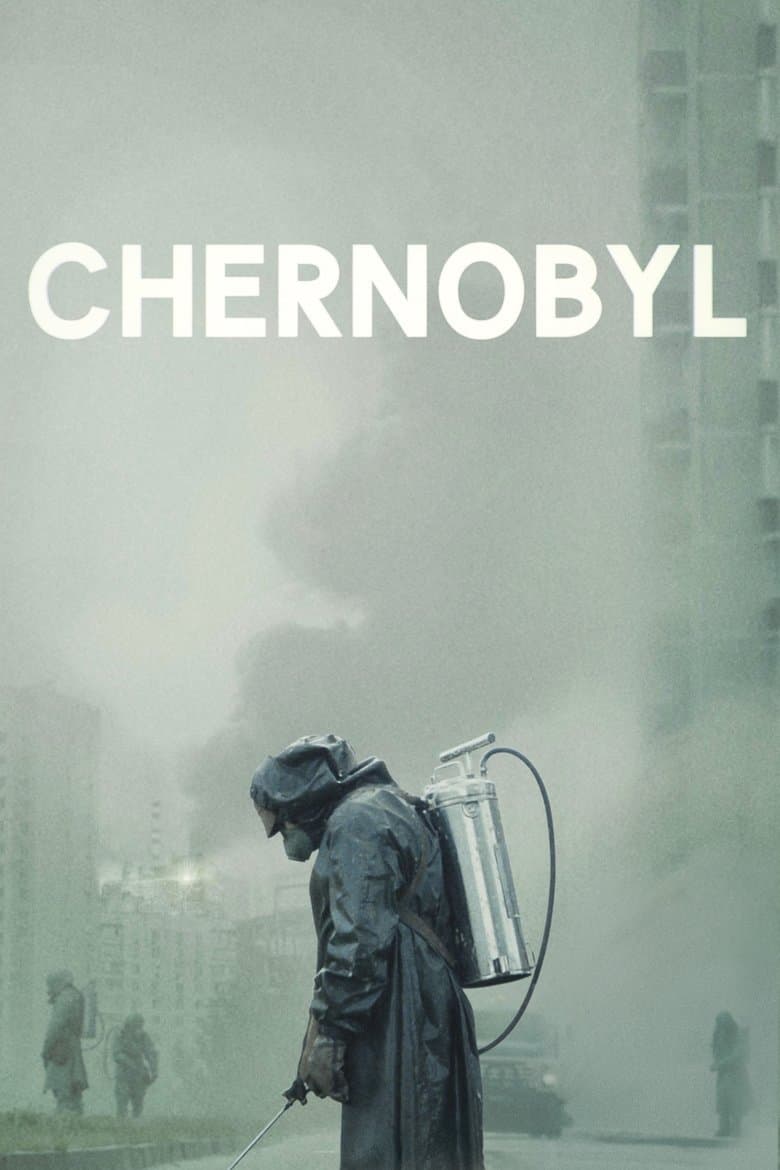
TV Show · 2019
The true story of one of the worst man-made catastrophes in history: the catastrophic nuclear accident at Chernobyl.
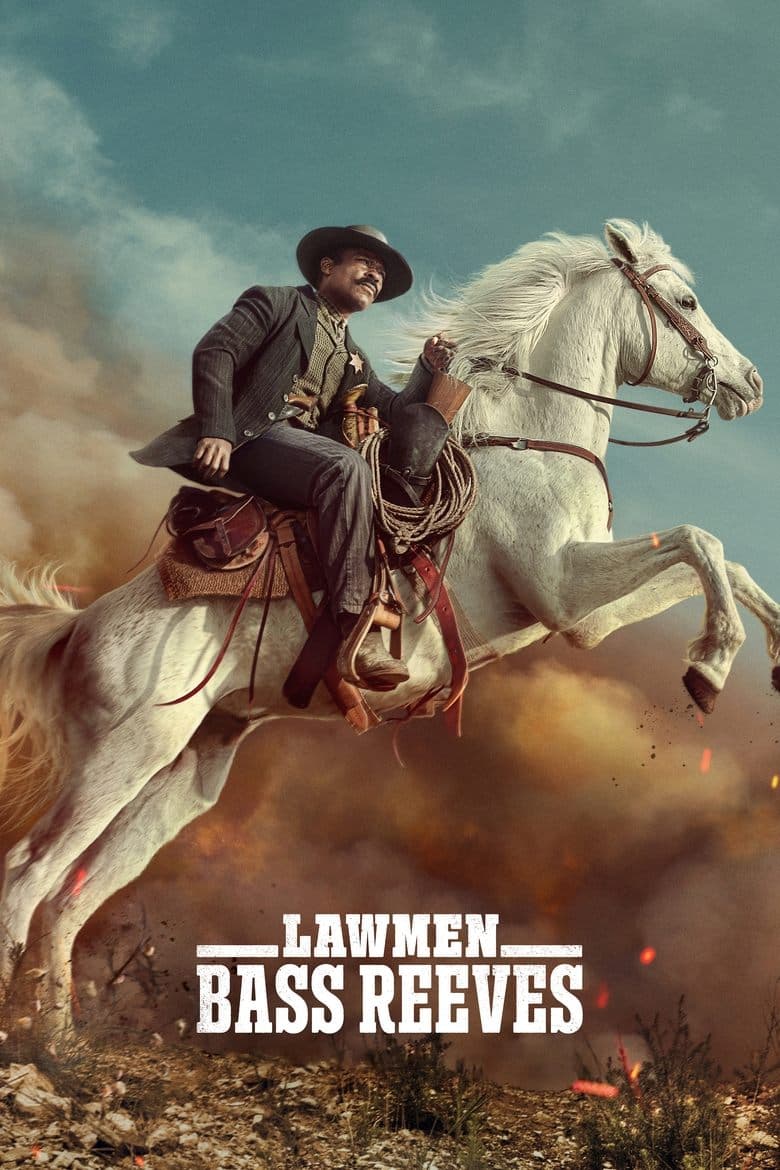
TV Show · 2023
The story of Bass Reeves, the legendary lawman of the wild West, is brought to life. Reeves worked in the post-Reconstruction era as a federal peace officer in the Indian…
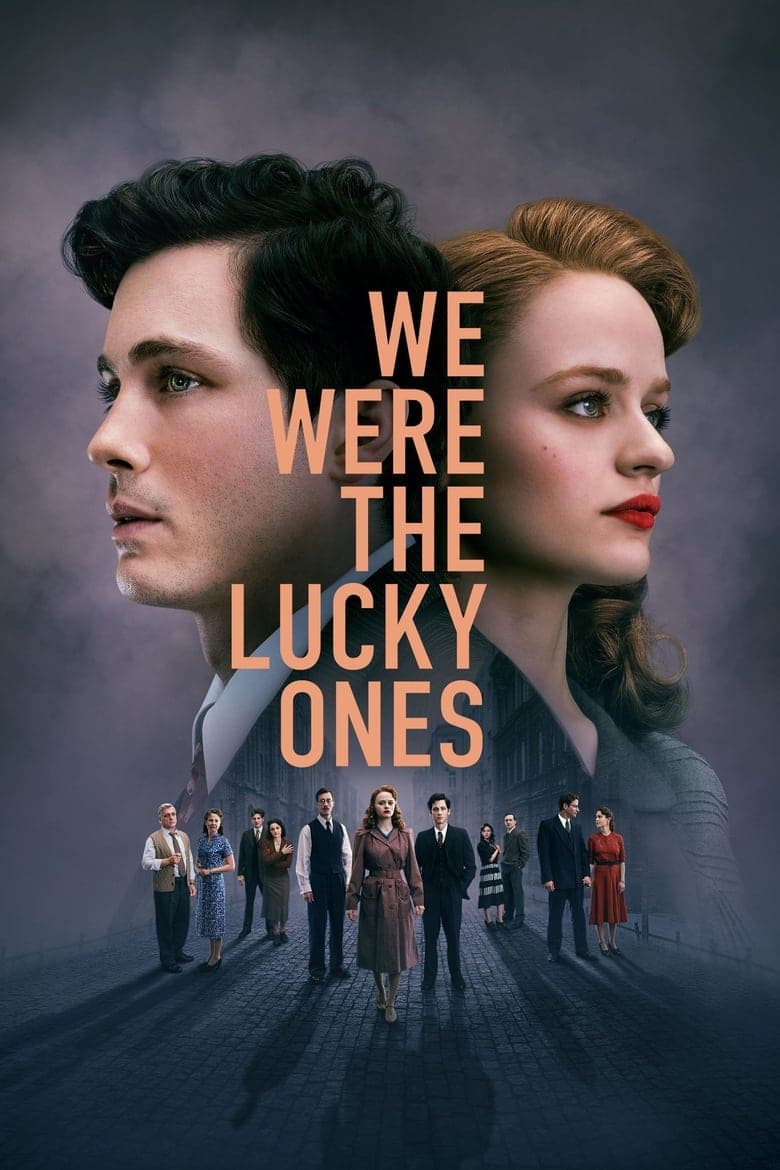
TV Show · 2024
The true story of one Jewish family separated at the start of World War II, determined to survive—and to reunite.
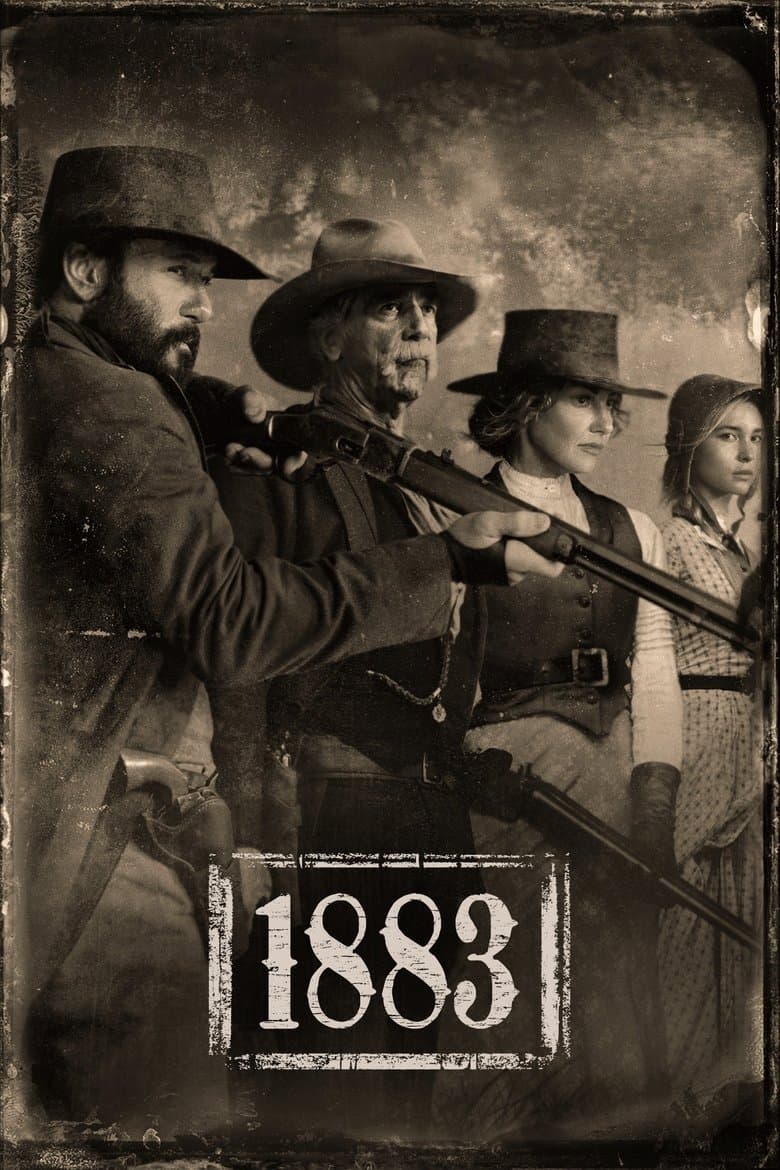
TV Show · 2021
Follow the Dutton family as they embark on a journey west through the Great Plains toward the last bastion of untamed America.
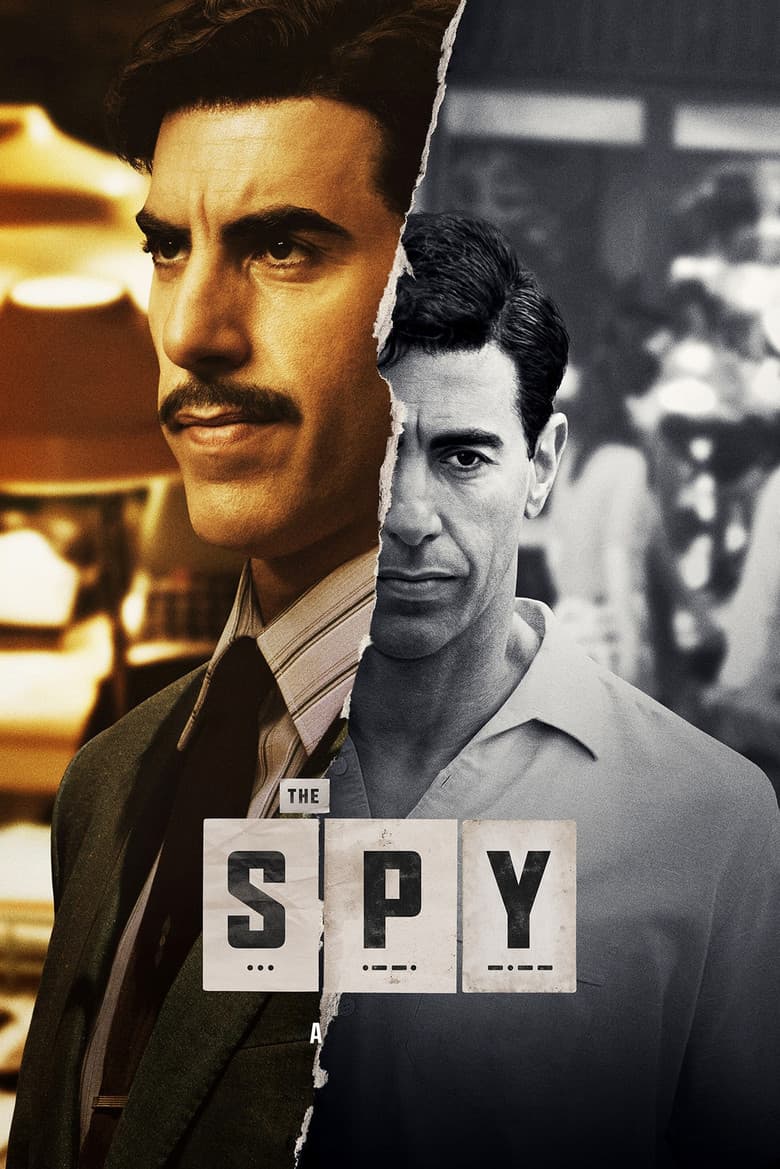
TV Show · 2019
In the 1960s, Israeli clerk-turned-secret agent Eli Cohen goes deep undercover inside Syria on a perilous, years-long mission to spy for Mossad.
TV Show · 2021
Inspired by the true story of Marty and the therapist who turned his life around...then took it over. When he first meets Dr. Ike, Marty just wants to get better at boundaries.
