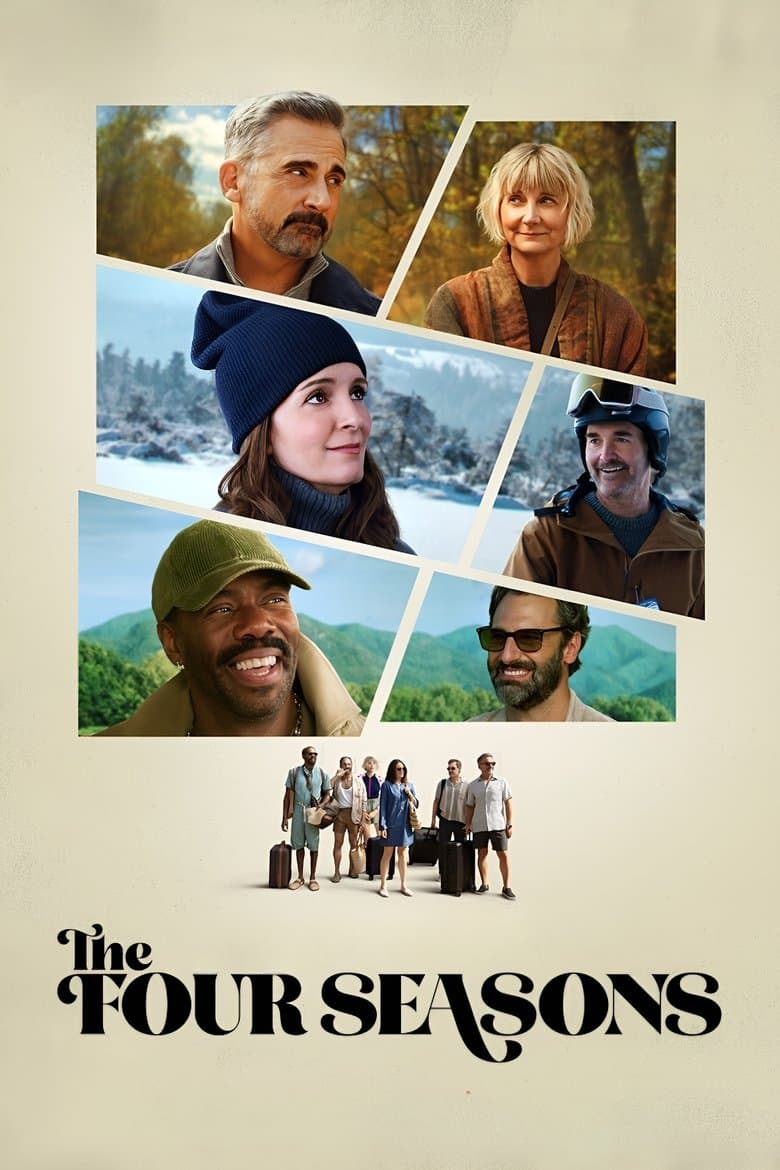
Started May 1, 2025 · Returning Series · Based on 2 seasons, 16 episodes through May 28, 2026 · TV-MA
The Four Seasons is a Netflix comedy-drama about three couples who have taken seasonal vacations together for decades. Their long friendship faces tests when one husband leaves his wife for a much younger woman, and the group keeps meeting for trips across two seasons while dealing with divorce fallout, grief, marriage strains, and personal changes. The show updates the 1981 source film by making one core couple a gay married pair (including a black actor) in an open relationship and includes brief modern talk about relationship "fluidity."
Community feedback
Was our 52% Woke rating accurate?
Breakdown
These are the editorial factors and ratings behind our score for The Four Seasons.
Woke representation / casting
The core update makes one of the three main friend couples a gay married pair (Colman Domingo, a black actor, as Danny with Marco Calvani as Claude) in an open relationship. This is one of the three central couples and is publicly described by creators as a deliberate modern change from the 1981 source material’s three straight couples. The rest of the prominent cast is mostly white; reviews explicitly call it a diversity update or “two-fer.” The emphasis is audience-visible in the premise and group dynamics but not a full quota-style overhaul.
45%
Woke political dialogue
A single noted scene has an older straight character (Nick) ask Danny to explain “fluidity” after learning details about the younger girlfriend’s past relationships. No other explicit political, institutional, or identity-politics dialogue appears in summaries or reviews. Conversations stay focused on personal marriage, friendship, and life changes.
12%
Identity-driven story themes
The gay couple and open-relationship element represent a clear identity update to the premise and receive screen time, but the main arcs revolve around a heterosexual divorce, introducing a much younger partner, group awkwardness, grief (S2), loneliness, child decisions, and long-term marriage work. Creators stated the non-monogamy is “the least of their issues.” Themes are personal and relationship-driven rather than centered on representation, queer identity, or social-justice messaging. The LGBTQ+ element adds visible weight per scoring guidelines.
25%
Western institutional / cultural critique
No reported modern activist framing of toxic masculinity, patriarchy, capitalism, whiteness, colonial guilt, or systemic critiques. Marriage and friendship dynamics include natural flaws, power imbalances, or generational notes that arise from the story (e.g., older man/younger woman, alpha female characters per some reviews), but these are not presented as institutional or ideological problems. The tone stays comedic and observational about middle-aged life.
5%
Woke character or canon changes
The series makes an explicit identity-driven change to the source material by turning one established straight couple from Alan Alda’s 1981 film into a gay married couple in an open relationship. Creators and cast discussed this publicly as an intentional update (“It was a male-female relationship, and now it’s a gay couple”). This goes beyond ordinary modernization, compression, or non-ideological adaptation. Other updates (smartphones, contemporary details) are standard. The LGBTQ+ casting and premise shift receive elevated weighting.
58%
Anti-woke backlash and complaints
Backlash is minor and not widespread. A single notable conservative social media post labeled it “woke comedy” while mainly complaining about it as dry, endless relationship drama. No major news stories, organized complaints, or broad “too woke/DEI” discourse appear in coverage. Most public and critical reaction addresses humor, tone, plot, or midlife relatability. Left-side criticism (e.g., not diverse enough or tone-deaf on race/queer elements) is ignored for this score. Evidence remains fringe.
18%
Creator track record context
Primary creators Tina Fey and Lang Fisher have backgrounds in smart, satirical comedy (30 Rock) that is entertainment-focused rather than activist. Tracey Wigfield’s prior work includes explicit diversity and representation efforts in the Saved by the Bell revival (aiming to reflect LA demographics and diverse rooms amid 2020-era conversations). Colman Domingo (director and star) has a career with prominent black and queer roles and projects (e.g., Rustin biopic). The overall team reflects standard liberal Hollywood patterns with moderate representation emphasis from some members, not repeated hard identity/DEI or activist centering. Uses cached scores and calibration for classical vs. modern signals.
28%
Production
TV Show · 2023
The inner workings of an American jury trial through the eyes of one particular juror, Ronald Gladden. Gladden is unaware the entire case is fake, everyone except him is an actor…
TV Show · 2019
There is no such thing as an ordinary interaction in this offbeat sketch comedy series that features a deep roster of guest stars.
TV Show · 2025
Eight years after an unforgivable mistake nukes his promising college football career, hotshot quarterback Russ Holliday tries to resurrect his dreams by disguising himself as…
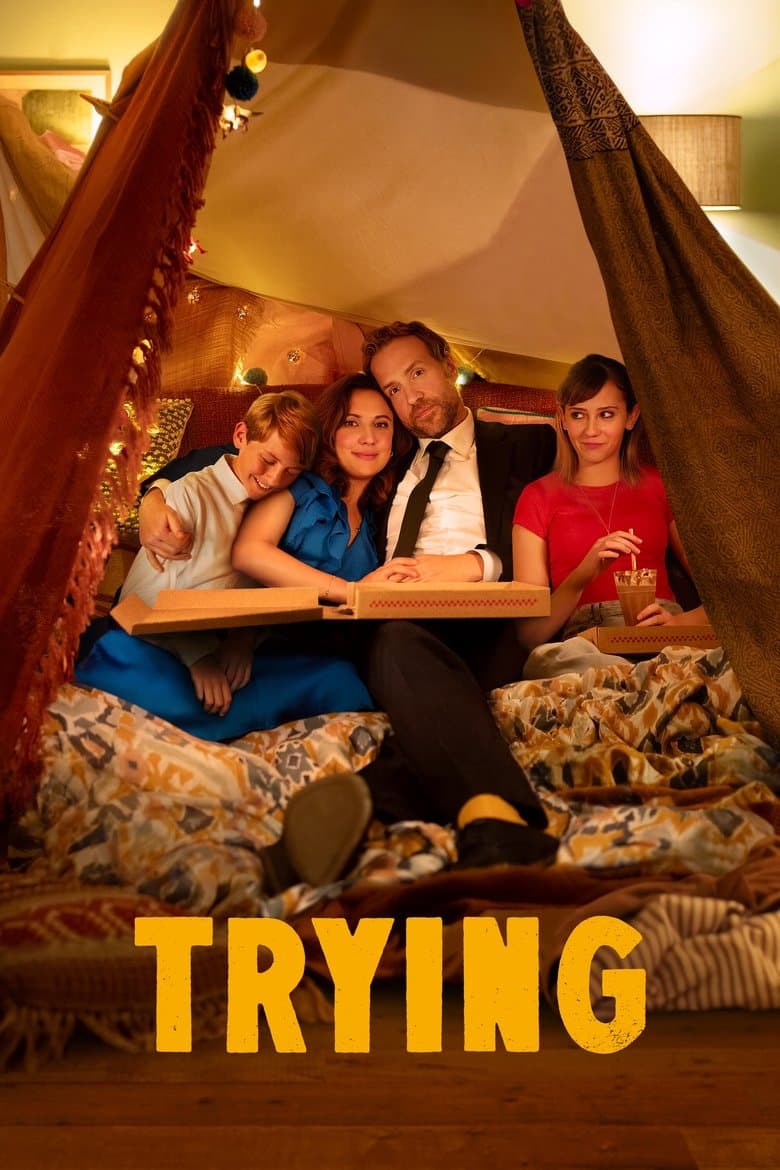
TV Show · 2020
All Nikki and Jason want is a baby—the one thing they can't have. So they decide to adopt. With their dysfunctional friends, screwball families, and chaotic lives, will the…
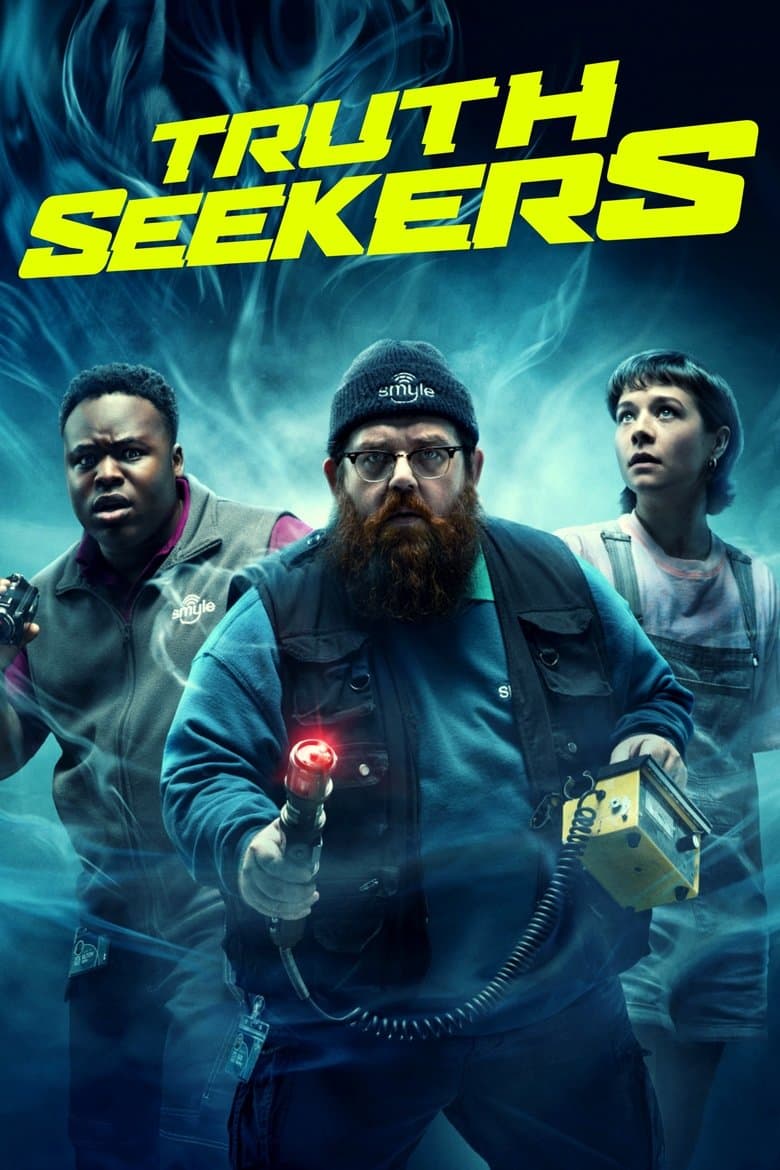
TV Show · 2020
A ghost-hunting duo team up to uncover and film paranormal sightings across the U.K. and share their adventures on an online channel.

TV Show · 2016
Jeremy Clarkson, Richard Hammond and James May are back with a show about adventure, excitement and friendship...
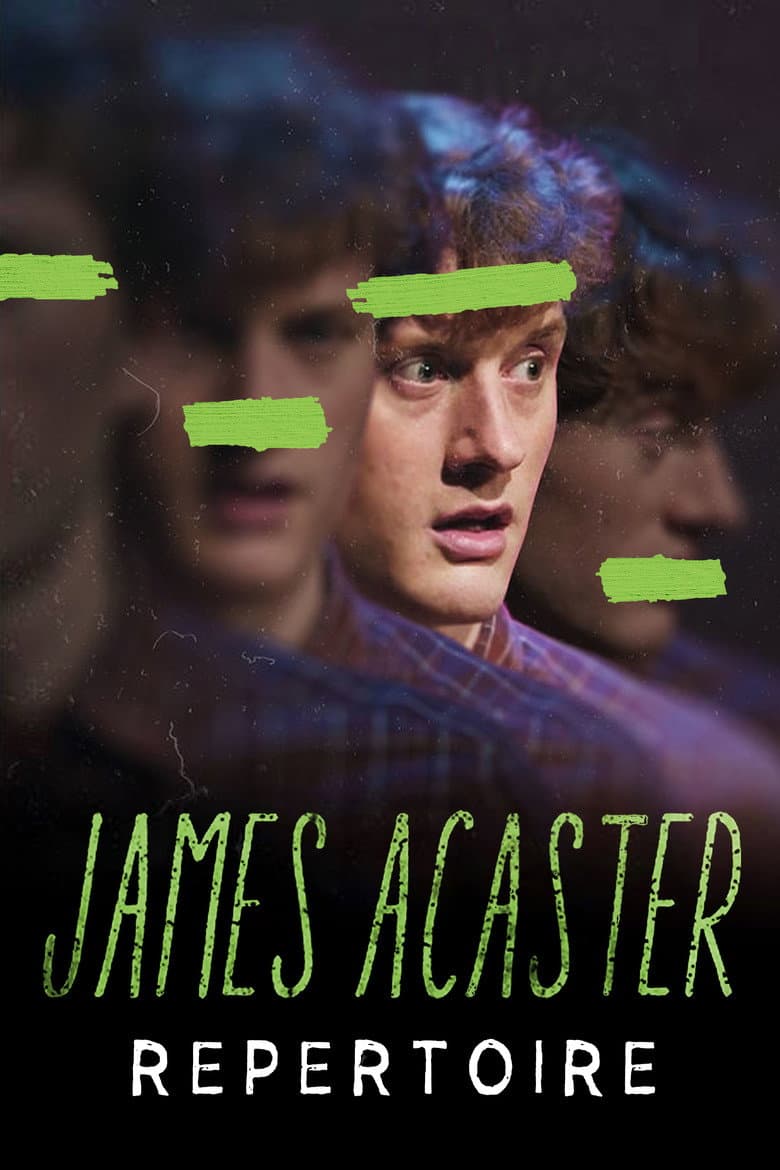
TV Show · 2018
Offbeat comic James Acaster covers the strange, the mundane and everything in between in this collection of four wide-ranging stand-up specials.
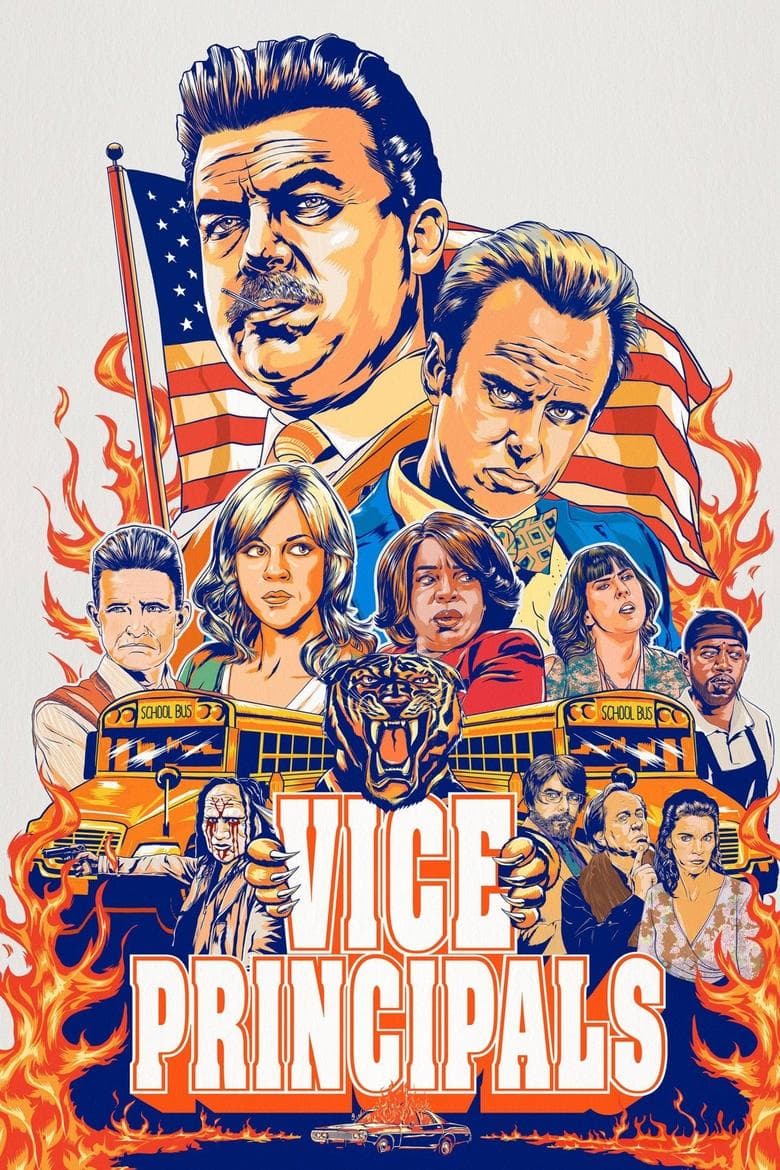
TV Show · 2016
After North Jackson High's long-time principal steps down to tend to his ailing wife, Neal Gamby and Lee Russell, the school's vice principals, are forced to put their mutual…
