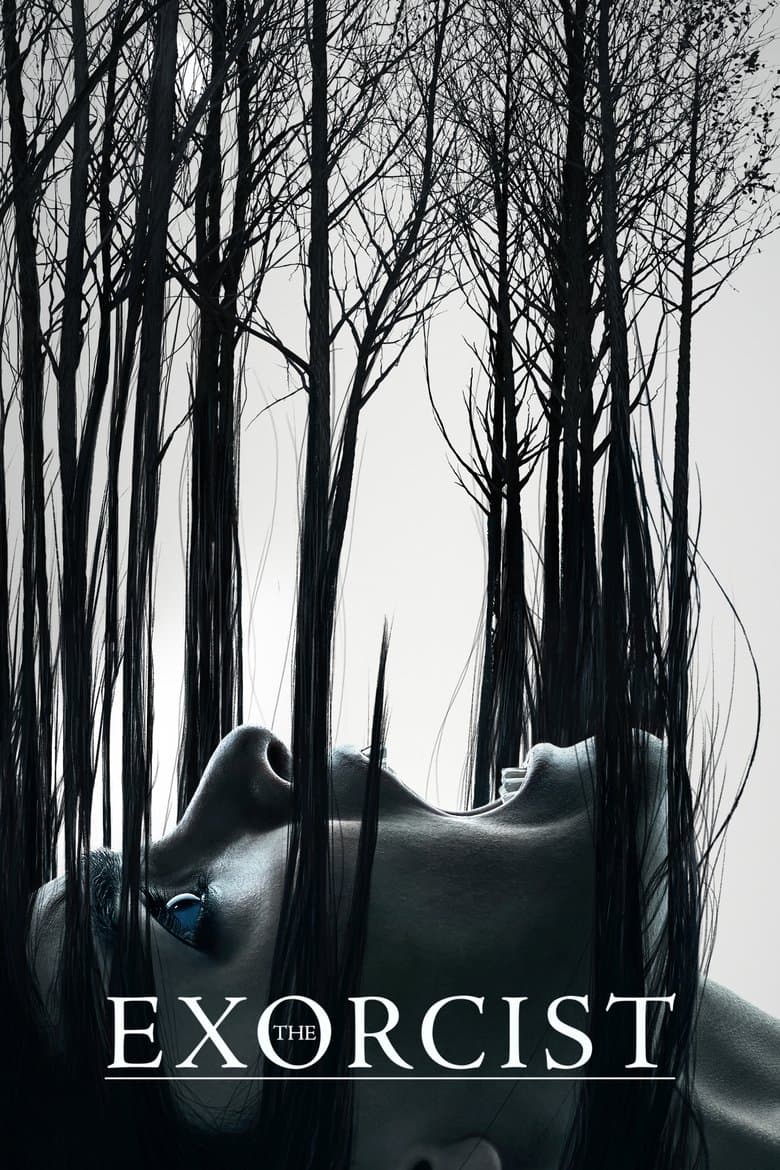
Started September 23, 2016 · Based on 2 seasons, 20 episodes · TV-14
The 2016 Fox TV series The Exorcist follows two priests, one Latino and one bisexual, who investigate demonic possession in a Chicago family while facing their own personal struggles and questions of faith. The core story centers on horror, family trauma, and the battle against supernatural evil across two seasons. It includes visible diverse casting choices and a same-sex kiss for a lead character that drew limited fan complaints, along with production notes on women writers and inclusive storytelling praised by star Geena Davis.
Community feedback
Was our 44% Woke rating accurate?
Breakdown
These are the editorial factors and ratings behind our score for The Exorcist.
Woke representation / casting
Latino actor leads as a priest in a Chicago setting and a bisexual priest receives on-screen romantic scenes; producers and star Geena Davis emphasized women in the writers room and inclusive storytelling.
40%
Woke political dialogue
Occasional tension with Catholic Church rules appears, but dialogue stays focused on faith, doubt, and exorcism rather than modern activist ideas.
Production
10%
Identity-driven story themes
The bisexual priest’s personal life and Latino priest’s background receive screen time alongside the main possession plot; strong female family roles stand out, yet demonic horror drives the narrative.
30%
Western institutional / cultural critique
Shows friction between independent exorcists and strict Church hierarchy, a classic element of the genre, without reframing it as current-day systemic or identity-based attacks.
15%
Woke character or canon changes
Adult Regan from the original film appears as a main character; no reported identity swaps or ideological rewrites of source material.
5%
Anti-woke backlash and complaints
Limited fan pushback against the bisexual kiss scene, met with defiant comments from creator Jeremy Slater; some media praise for diversity, but complaints stayed minor and did not spark broad debate.
25%
Creator track record context
Jeremy Slater actively supported queer representation and dismissed critics; writers Charise Castro Smith and Marcus Gardley have careers centered on diverse and politically pointed stories; most other crew lack similar public records.
35%
TV Show · 2026
The mayor of a New England town resolves to turn it into the next tourist hot spot, despite local warnings that it's cursed.
TV Show · 2018
After landing from a turbulent but routine flight, the crew and passengers of Montego Air Flight 828 discover five years have passed in what seemed like a few hours.
TV Show · 2017
This anthology series brings to life Aaron Mahnke's titular podcast and uncovers the real-life events that spawn our darkest nightmares.
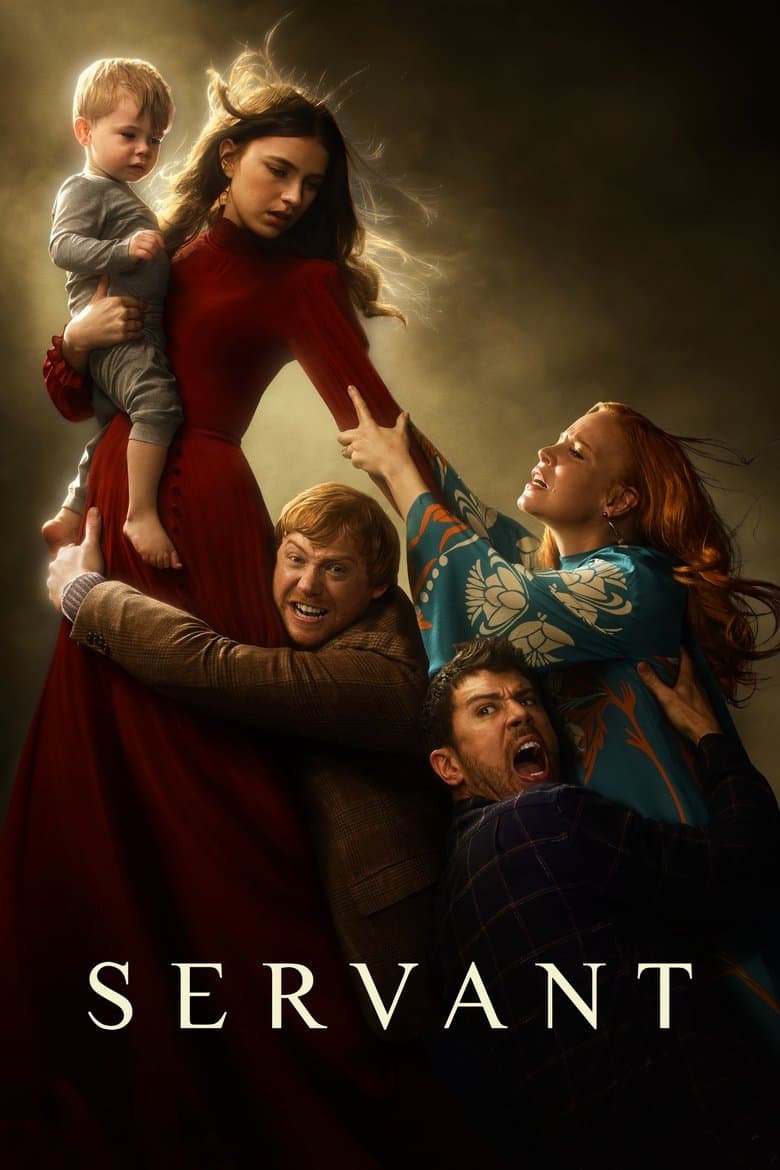
TV Show · 2019
A Philadelphia couple are in mourning after an unspeakable tragedy creates a rift in their marriage and opens the door for a mysterious force to enter their home.
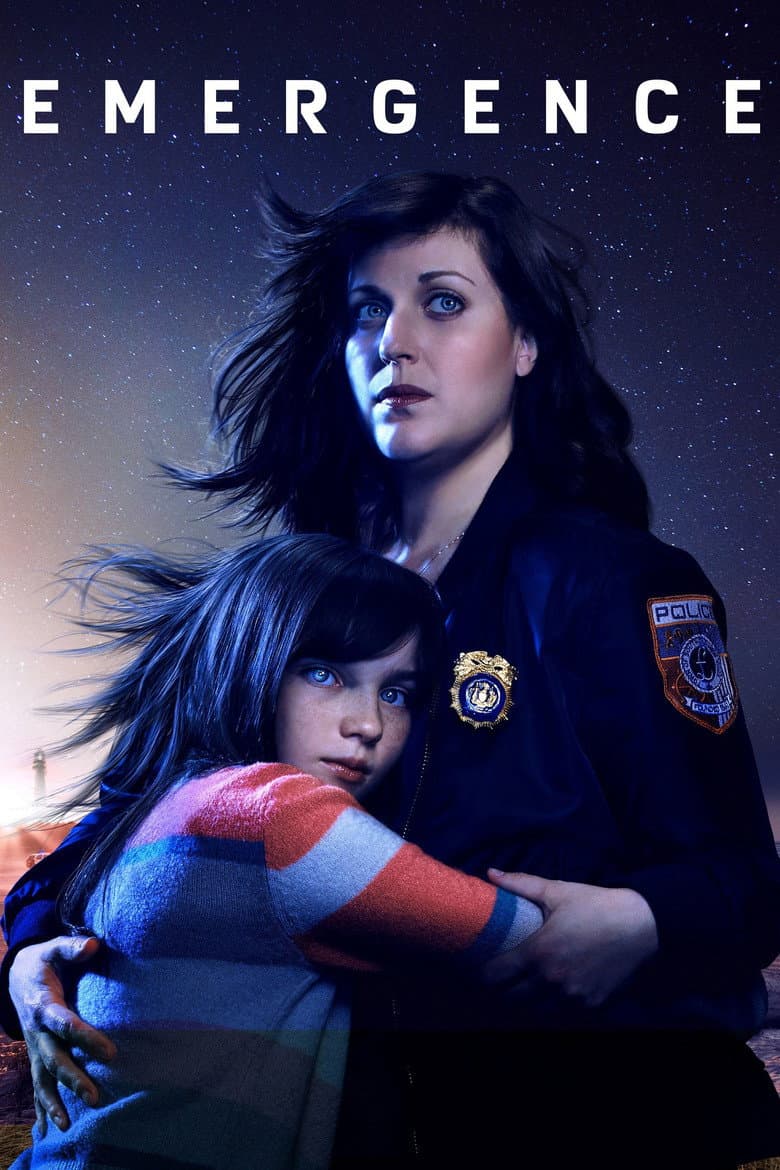
TV Show · 2019
A police chief takes in a young child she finds near the site of a mysterious accident who has no memory of what has happened.
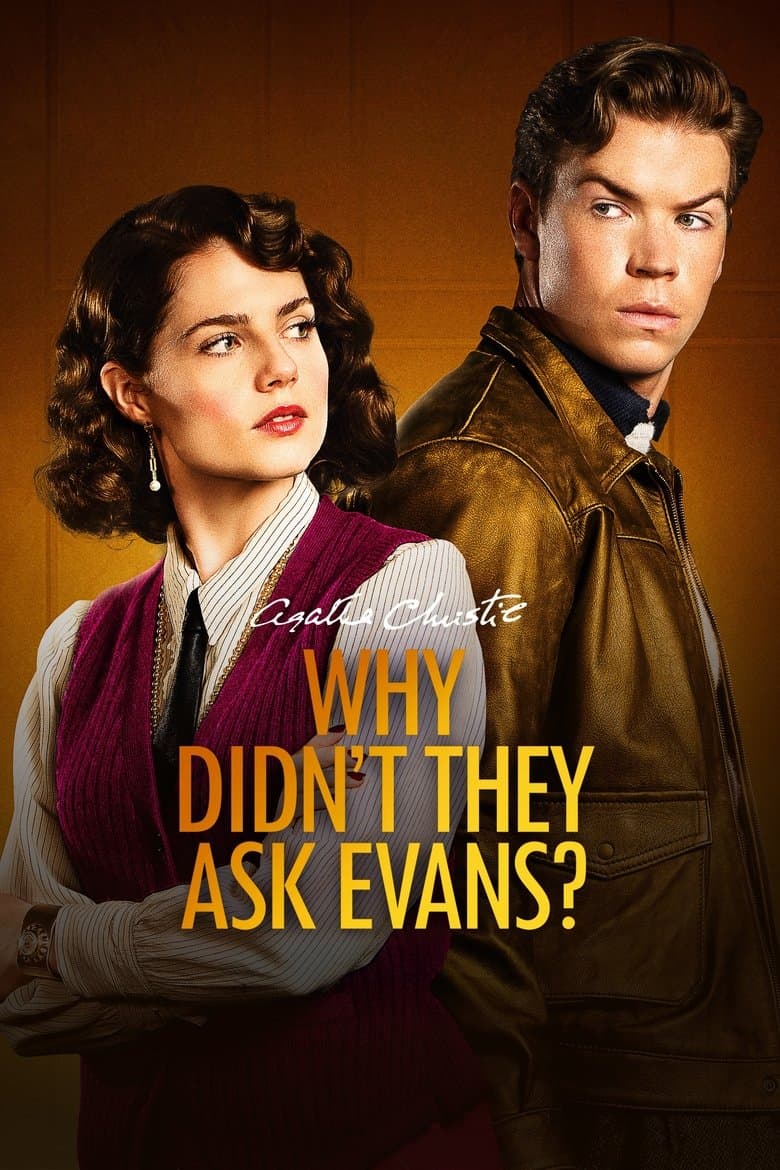
TV Show · 2022
A dying man's enigmatic last words send vicar's son, Bobby Jones, and his socialite friend, Lady Frankie Derwent, on a crime-solving adventure.
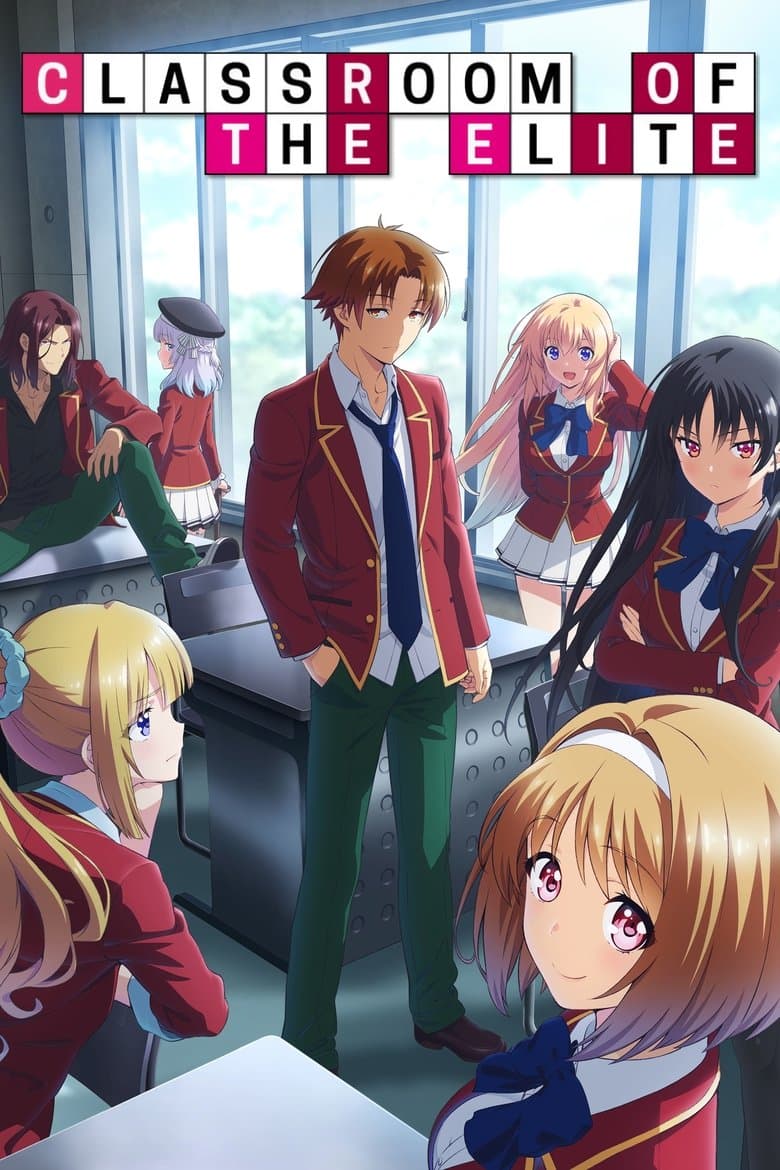
TV Show · 2017
Kiyotaka Ayanokouji enrolls at the prestigious Tokyo Koudo Ikusei Academy, but is assigned to Class 1-D, where students with behavioral problems are housed.
TV Show · 2021
Facing an existential threat that could bring down the Crime Lab, a brilliant team of forensic investigators must welcome back old friends and deploy new techniques to preserve…
