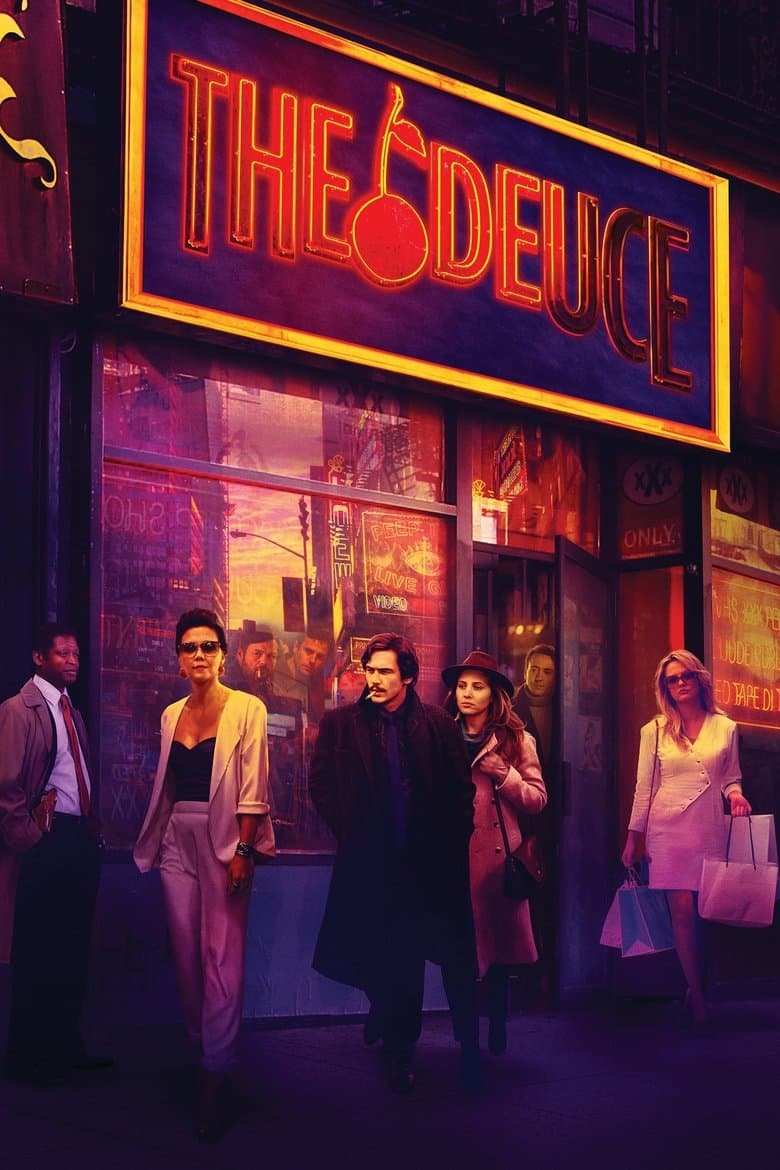
Started September 10, 2017 · Ended · Based on 3 seasons, 25 episodes through October 28, 2019 · TV-MA
The Deuce is a drama series about the rise of the adult film industry in Times Square from the 1970s to the 1980s. The show follows twin brothers, sex workers, pimps, and police navigating a changing city. It has a strong and highly visible focus on feminist themes and queer representation. Female characters actively fight for control over their lives and bodies against a male-dominated system. Prominent storylines also follow gay and lesbian characters during the gay liberation movement and the rise of the AIDS crisis.
Community feedback
Was our 74% Woke rating accurate?
Breakdown
These are the editorial factors and ratings behind our score for The Deuce.
Woke representation / casting
The casting of street workers and police fits the 1970s Times Square setting. However, the show has an intentional emphasis on queer representation. Prominent LGBTQ+ characters, like Paul (a gay bartender who opens a club) and Irene (a lesbian cab business manager), are given major, visible storylines.
40%
Woke political dialogue
The characters frequently engage in dialogue about second-wave feminism, the commodification of female bodies, and gay liberation. Abby often speaks in activist, anti-capitalist, and feminist terms. In Season 1, Paul corrects Vincent on the preferred pronouns of a transgender customer. While these conversations are mostly realistic for the era, the modern ideological subtext regarding gender politics and identity is very clear and noticeable.
45%
Identity-driven story themes
Feminist and queer themes are central to the series. Eileen's arc is framed around female autonomy, overcoming patriarchal exploitation, and trying to bring a feminist gaze to porn. Abby's story focuses on radical feminist activism. The show also strongly emphasizes LGBTQ+ themes, including Paul's journey through the gay liberation movement and the devastating impact of the AIDS epidemic in Season 3. These prominent queer subplots add substantial points.
61%
Western institutional / cultural critique
The entire series is a heavy critique of American capitalism, patriarchy, and institutional corruption. It portrays the rise of the adult industry as a system of capitalist exploitation and male entitlement that commodifies female bodies. The show critiques the police department, city hall, and the real estate market for enabling or profiting from systemic abuse, framing these issues through a modern, progressive lens.
68%
Woke character or canon changes
Not present in this title.
0%
Anti-woke backlash and complaints
There was some online backlash from viewers who criticized the creator as hyper-woke and complained about preachy feminist themes, particularly through the activist character of Abby. However, because of the show's dark tone, realistic violence, and explicit content, it did not face a massive mainstream anti-woke campaign. Most controversy centered on the real-world allegations against star James Franco.
20%
Creator track record context
The creative team is populated by progressive and feminist creators. This includes co-creator David Simon, a progressive critic of capitalism, and producer Maggie Gyllenhaal, a vocal feminist activist. The writing team also features transgender screenwriter Will Ralston and feminist author Megan Abbott. Their shared track record strongly aligns with the show's themes.
52%
Production
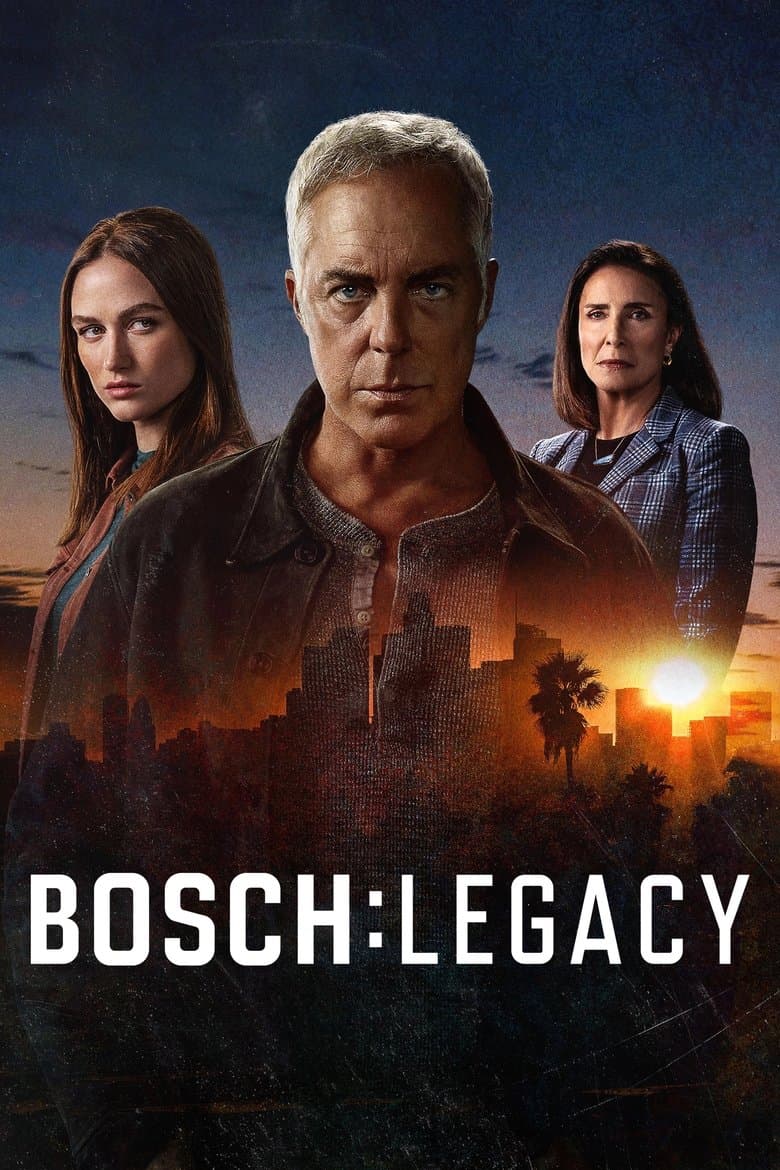
TV Show · 2022
Bosch is now making a living as a private investigator two years after he quit the LAPD and finds himself working with one time enemy and top-notch attorney Honey “Money”…
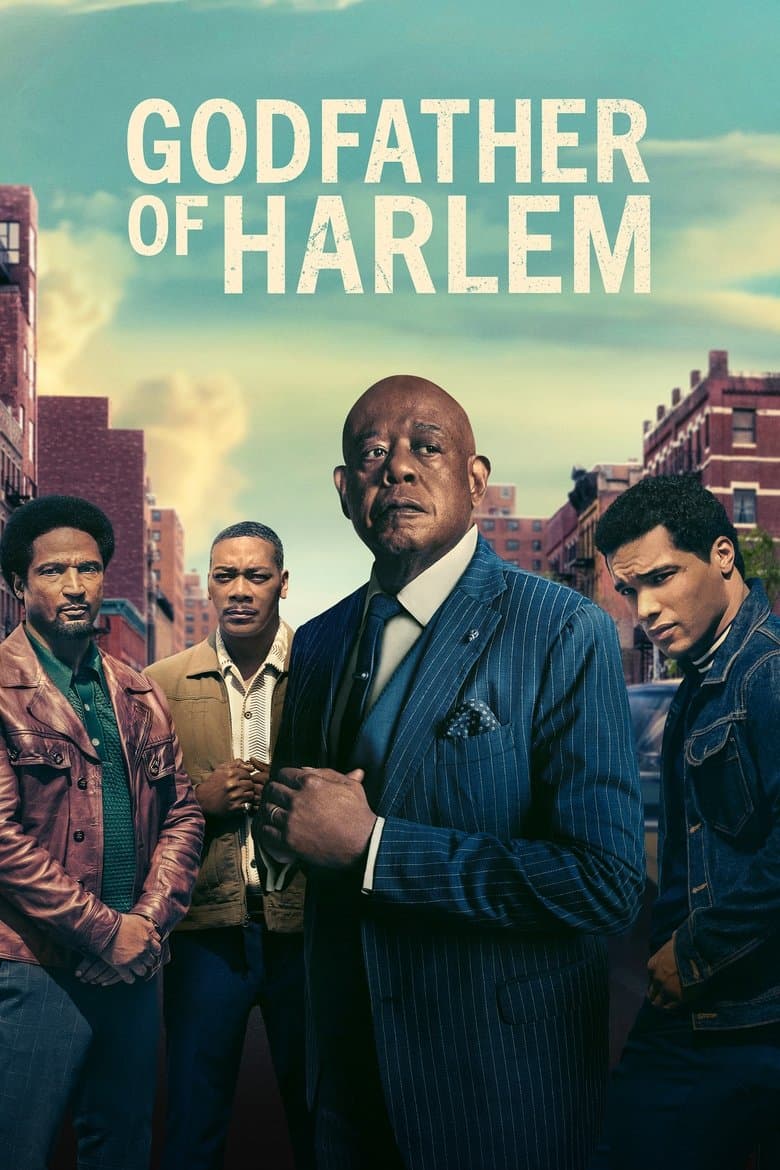
TV Show · 2019
Loosely based on infamous crime boss Bumpy Johnson, who in the early 1960s returned from ten years in prison to find the neighborhood he once ruled in shambles.
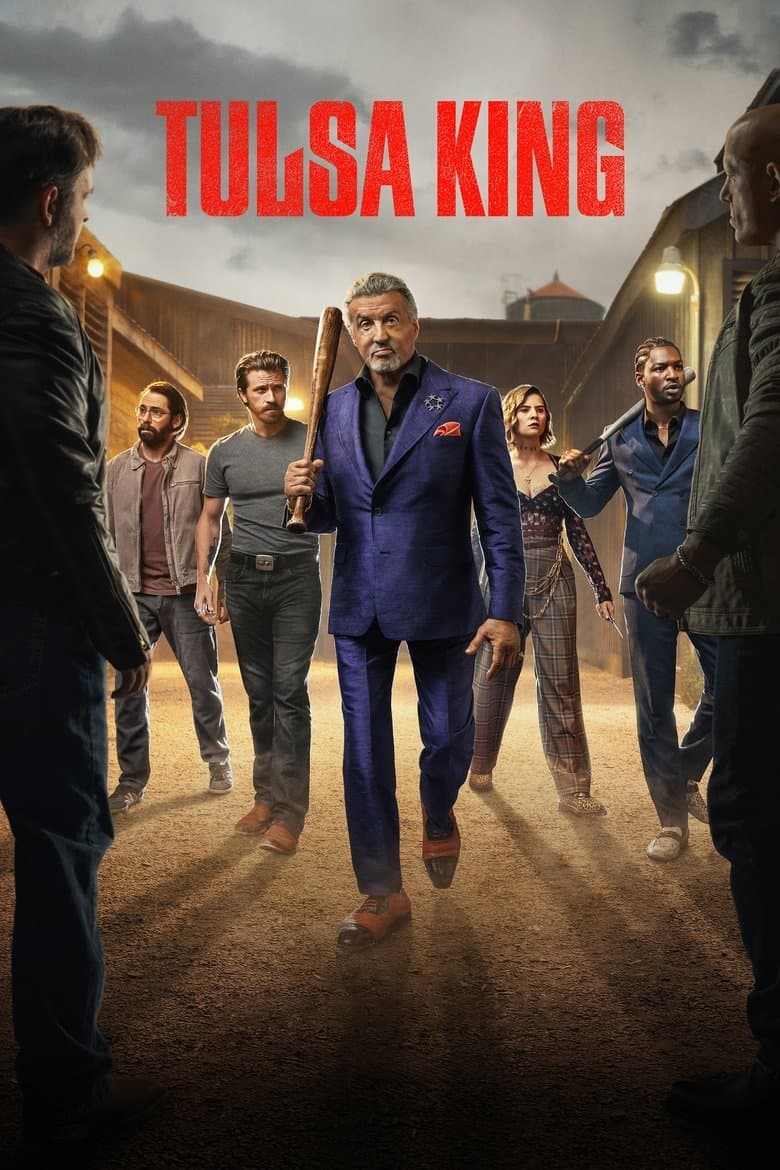
TV Show · 2022
New York mafia capo Dwight "The General" Manfredi is released from prison after 25 years and exiled by his boss to set up shop in Tulsa, Oklahoma.
TV Show · 2019
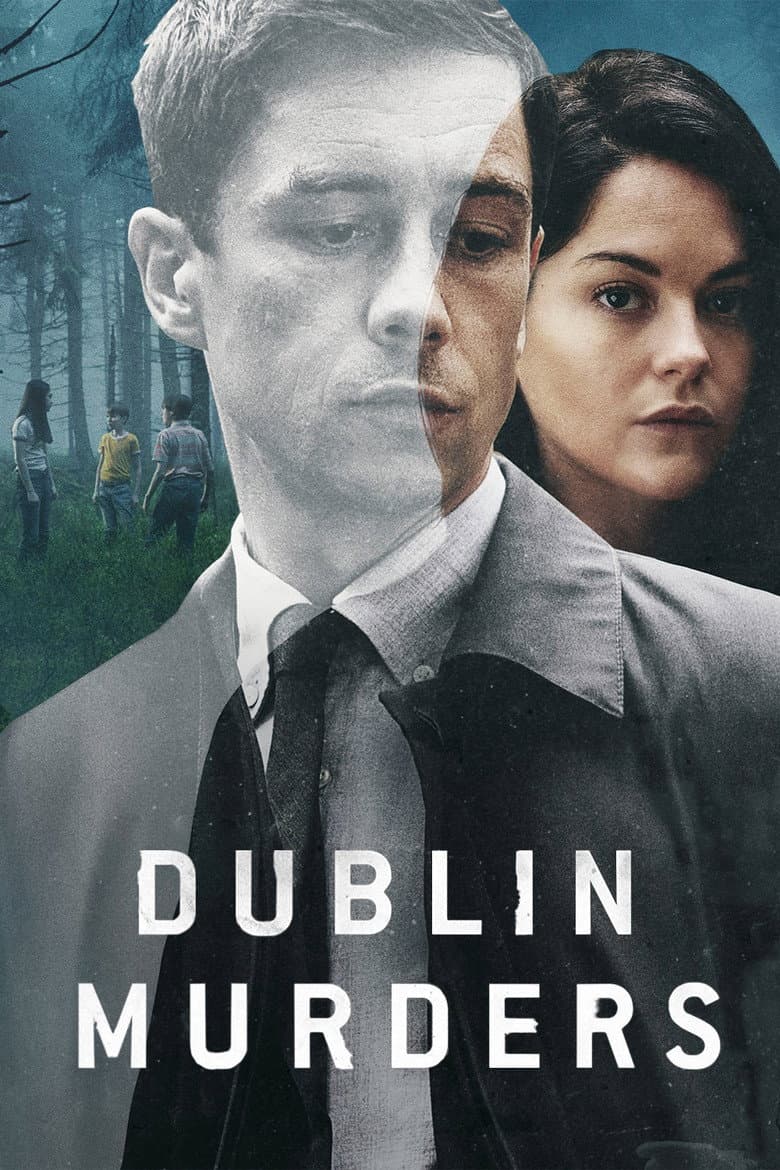
Two detectives are dispatched to investigate the murder of a young girl on the outskirts of Dublin, but as the case of the missing children intensifies, both are forced to…
TV Show · 2025
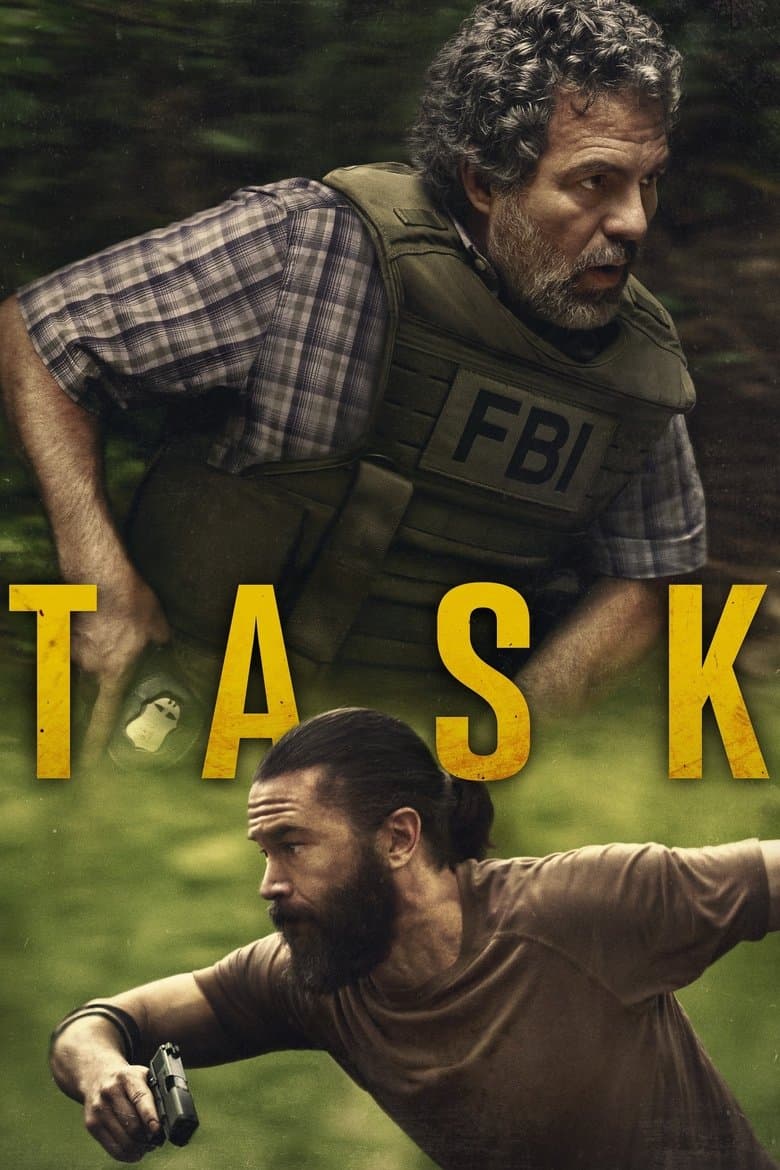
In the working-class suburbs of Philadelphia, an FBI agent heads a task force assembled to put an end to a string of violent robberies led by an unsuspecting family man.
TV Show · 2018
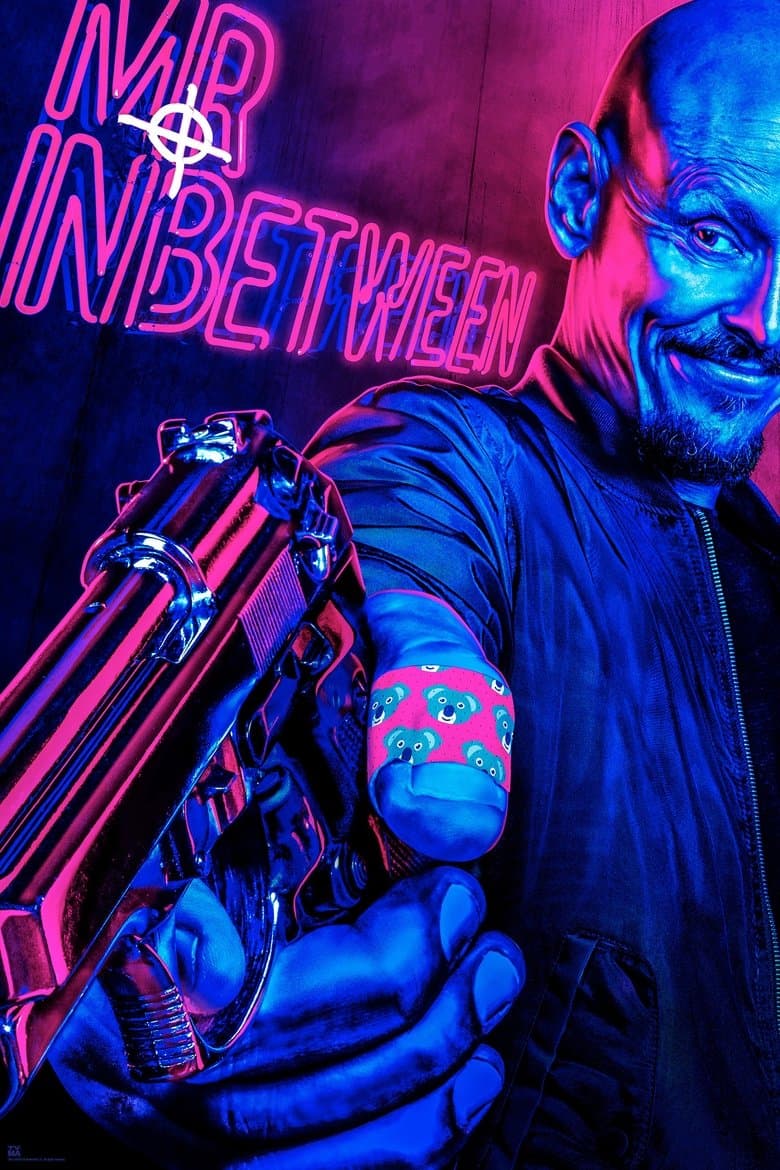
Ray Shoesmith is a father, ex-husband, boyfriend and best friend: tough roles to juggle in the modern age. Even harder when you’re a criminal for hire.

TV Show · 2021
Facing an existential threat that could bring down the Crime Lab, a brilliant team of forensic investigators must welcome back old friends and deploy new techniques to preserve…
TV Show · 2025
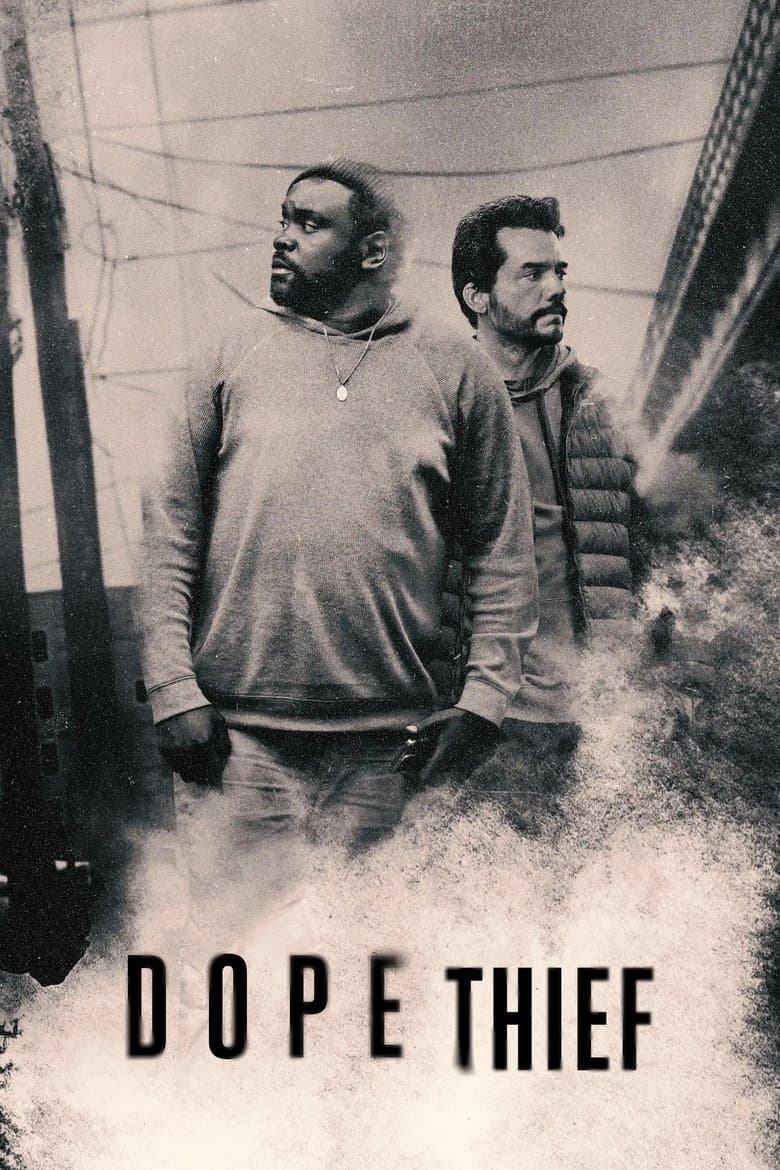
Two lifelong friends in Philadelphia pose as DEA agents to rob small-time drug dealers. It's a perfect grift—until they choose the wrong mark and become targets of a massive…
