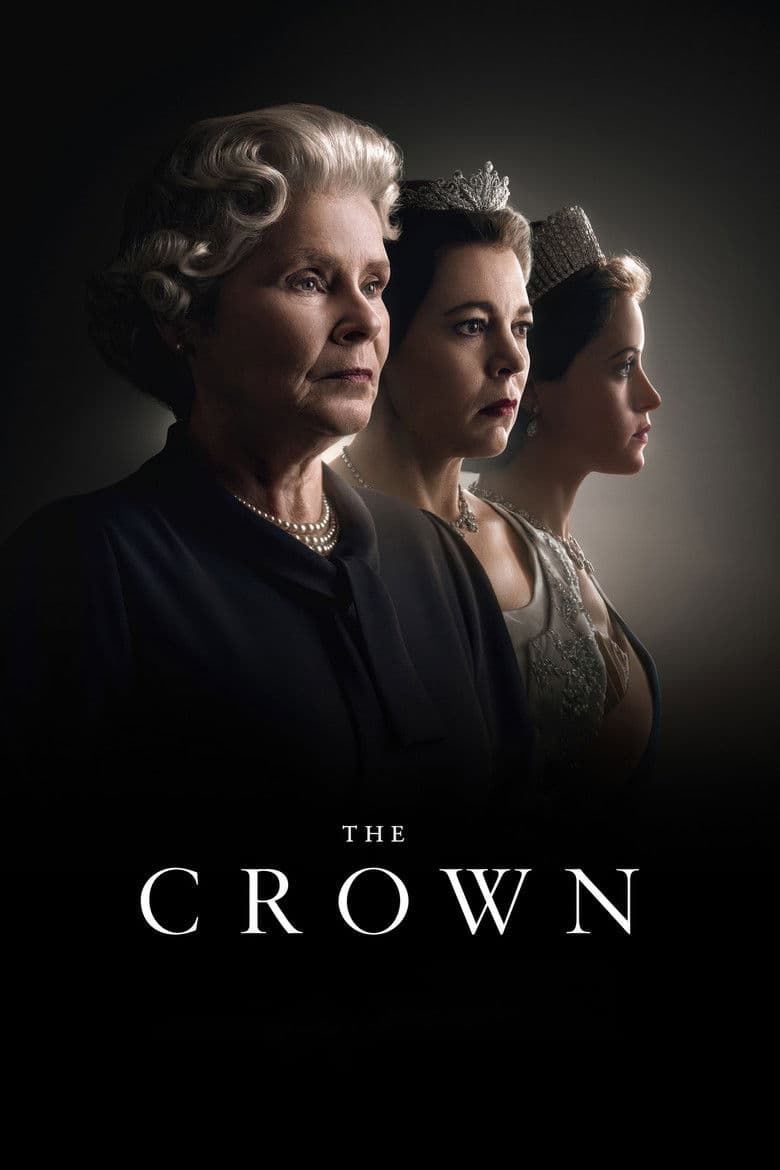
Started November 4, 2016 · Based on 6 seasons, 60 episodes · TV-MA
The Crown follows Queen Elizabeth II from her marriage in 1947 through the early 2000s. Elizabeth must balance her family, her own wishes, and the strict rules of the British monarchy. Prime ministers, wars, scandals, deaths, and public anger keep testing her role as the head of state. The story moves between Buckingham Palace, private homes, government offices, and places tied to Britain’s changing world. The show has a slow and serious tone, with quiet family scenes beside large national events.
The story gives much of its strongest focus to women living under royal rules. Elizabeth puts duty before love, Margaret fights for private freedom, and Diana struggles with marriage, public fame, mental health, and a family system that demands silence. Diana also uses public work and personal warmth to reach people outside the palace, while Thatcher shows a different kind of female power through politics. Season 2 shows Antony Armstrong-Jones having relationships with men and women. Later seasons ask whether the monarchy can survive a changing Britain, but the show treats that question through family drama, public duty, and real events rather than modern activist speeches.
Community feedback
Was our 32% Woke rating accurate?
Breakdown
These are the editorial factors and ratings behind our score for The Crown.
Woke representation / casting
The show gives Antony Armstrong-Jones a visible bisexual storyline in season 2, including a sexual encounter with Jeremy and Camilla Fry. The casting otherwise follows the real British royal and political figures in the period. The Egyptian and Arab characters in the later seasons fit the real story around Mohamed al-Fayed and Dodi. The show does not present its wider casting as a diversity campaign.
15%
Woke political dialogue
Not present in this title.
0%
Identity-driven story themes
The show repeatedly follows women whose public roles limit their private choices. Elizabeth gives up personal happiness for duty, Margaret fights rules around marriage, and Diana faces pressure to stay quiet and loyal. The story also shows Diana’s bulimia, self-harm, and loneliness as part of her struggle inside the royal family. Season 2 adds a visible bisexual storyline for Antony Armstrong-Jones. The show treats these issues as part of the period and family drama, not as a broad modern identity campaign.
28%
Western institutional / cultural critique
The show often presents the monarchy as cold, old-fashioned, and hard on family life. Elizabeth chooses duty over happiness, while Diana is hurt by rules that protect the institution and Charles’s public role. Later seasons ask whether the Crown still fits a changing Britain and show public anger after Diana’s death. The story also shows Thatcher’s harsh policies and the royal family’s distance from people outside its world. The criticism is clear, but it stays tied to the period and does not become a broad modern race or class message.
35%
Woke character or canon changes
Not present in this title.
0%
Anti-woke backlash and complaints
A friend of Prince Charles called the series a way to push an overt republican agenda. A French right-wing site called the final season woke and attacked its Netflix style. Most British complaints instead focused on invented scenes and historical accuracy, including objections from John Major and Tony Blair’s spokesman. The anti-woke complaints are real but limited and mostly fringe.
12%
Creator track record context
Peter Morgan has made the royal family and the cost of monarchy the center of several projects. He has said he began as an anti-monarchist, later called himself a royalist, and also described the system as unjust in a modern democracy. That record gives the show a mild anti-monarchy context, but it does not show a clear activist or identity-driven campaign. The listed directors are technical film specialists with no documented activist history.
15%
Production
TV Show · 2020
A wary CIA officer investigates a charismatic man who sparks a spiritual movement and stirs political unrest. Who exactly is he? And what does he want?
TV Show · 2023
The story of Bass Reeves, the legendary lawman of the wild West, is brought to life. Reeves worked in the post-Reconstruction era as a federal peace officer in the Indian…

TV Show · 2024
Fascinated by cars since childhood, Brazilian racer Ayrton Senna became a sports legend — until tragedy struck, changing Formula 1 forever.
TV Show · 2019
In the early 1990s in New York, during the height of the crack cocaine epidemic, a visionary musician named Bobby Diggs aka The RZA begins to form a super group of a dozen young…
TV Show · 2022
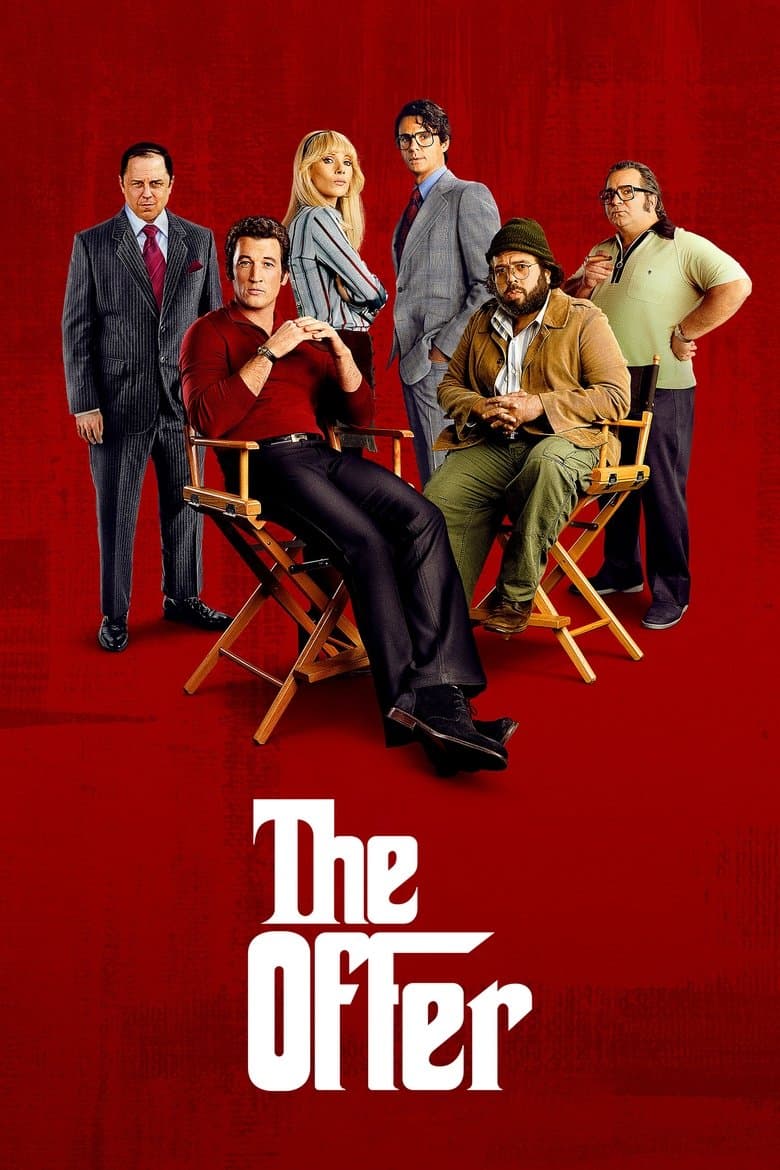
Oscar-winning producer Al Ruddy’s never before revealed experiences of making the iconic 1972 film The Godfather that Francis Ford Coppola directed and adapted with Mario Puzo.
TV Show · 2016
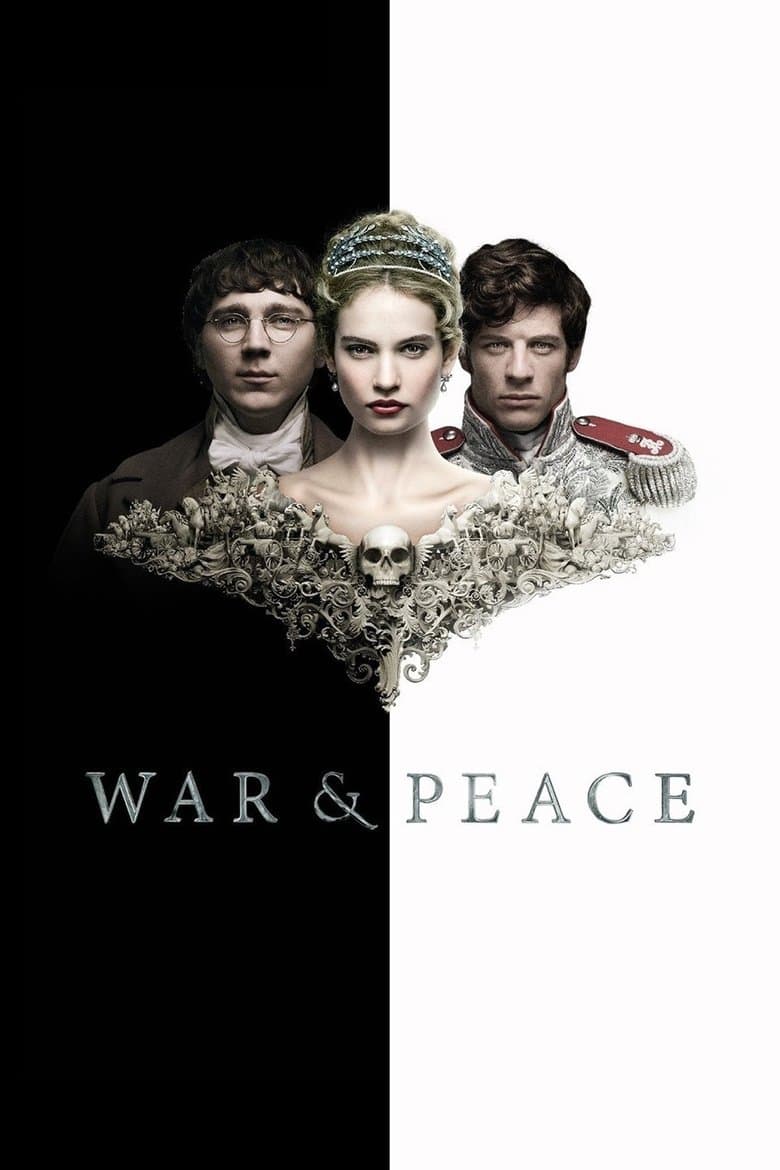
The love story of young Countess Natasha Rostova and Count Pierre Bezukhov is interwoven with the Great Patriotic War of 1812 against Napoleon's invading army.
TV Show · 2026
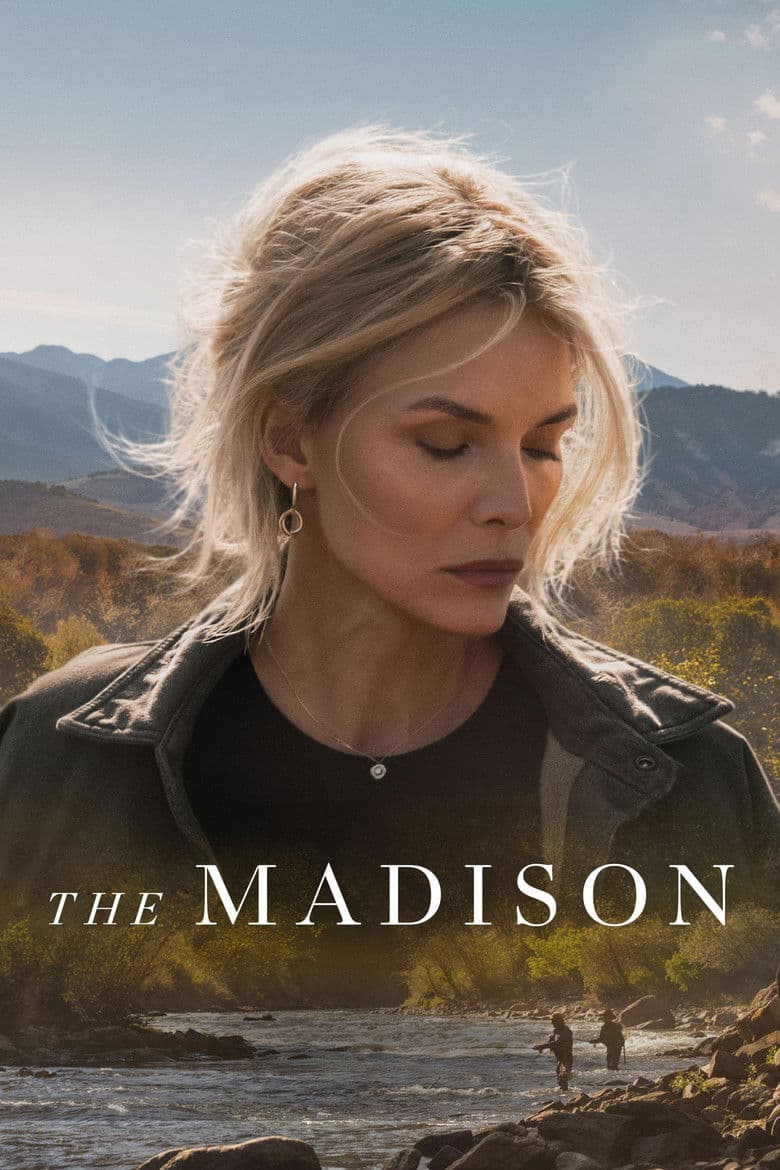
The Clyburns uproot their comfortable New York City lives to the wild, untamed beauty of Montana's Madison River Valley on a search for connection.
TV Show · 2026
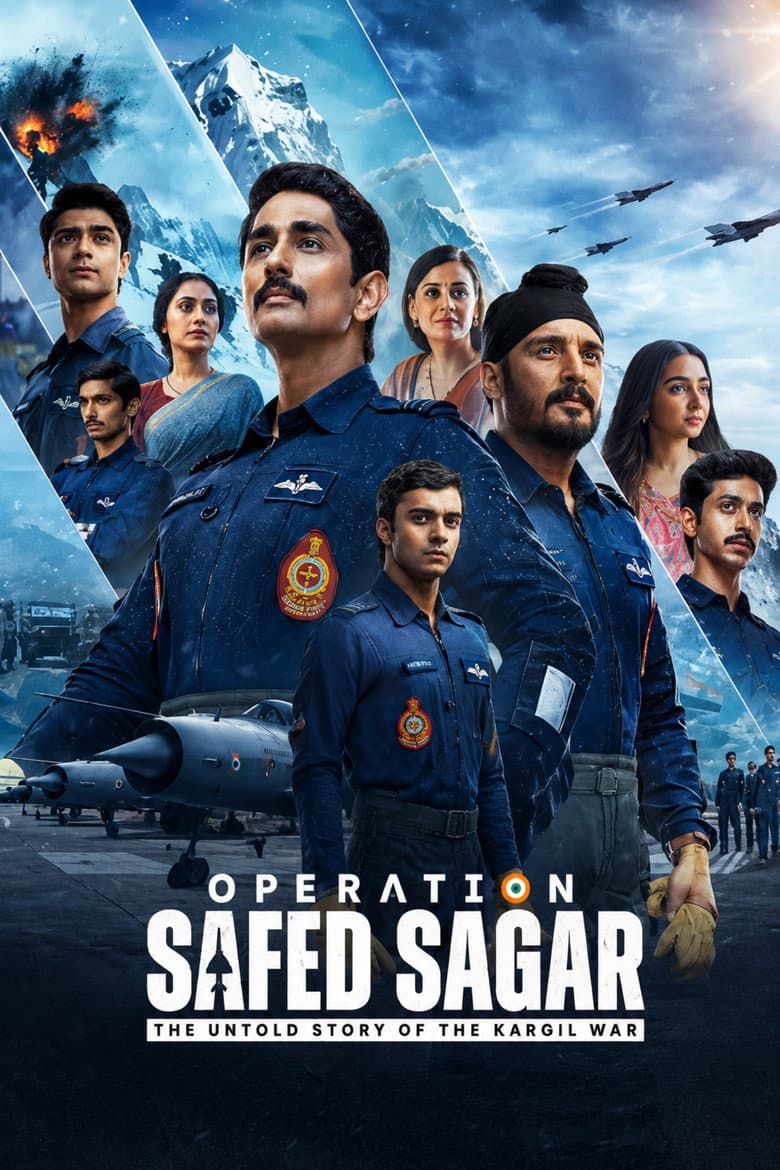
As the Kargil War erupts between India and Pakistan, the Golden Arrows squadron of the Air Force takes flight on a dangerous mission behind enemy lines.
