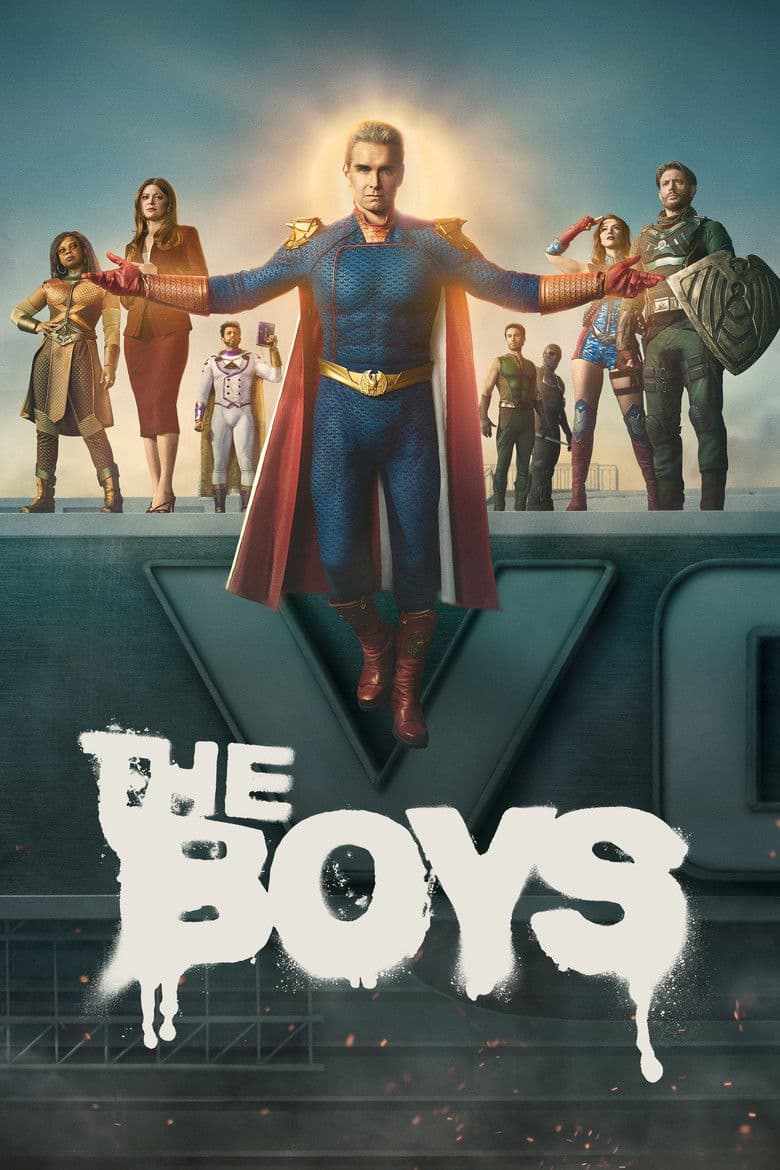
Started July 25, 2019 · Based on 5 seasons, 40 episodes · TV-MA
The Boys follows Billy Butcher and Hughie Campbell as they lead a small group of fighters against Vought International, a huge company that controls America’s most famous superheroes. Homelander leads the superhero team called the Seven, but he hides cruelty, fear, and a hunger for power behind a bright public image. The fight moves through offices, news studios, election rallies, prisons, and a country sliding toward violent rule. The show mixes brutal action, crude jokes, sex, horror, and dark satire.
The show gives repeated story space to queer identity, including Maeve’s bisexual relationship with Elena and Frenchie’s relationship with Colin. It also follows Starlight’s abuse and abortion, A-Train’s race-related conflict, and several women who lead major fights and political plans. Seasons 3 through 5 make the message more direct by attacking toxic masculinity, right-wing politics, conspiracy media, and Christian-style propaganda. Those ideas grow from background satire into a major part of the story, especially as Homelander turns celebrity power into a dictator-style government.
Community feedback
Was our 94% Woke rating accurate?
Breakdown
These are the editorial factors and ratings behind our score for The Boys.
Woke representation / casting
The show uses a mixed modern American cast that mostly fits its setting. The core team includes a black family man, a Japanese woman, Black superheroes, several strong female leaders, and recurring queer characters. The show repeatedly places women and minority characters in major heroic or expert roles, including Sister Sage as the world’s smartest person. The pattern is noticeable, but the story is not built only around diversity-first casting.
42%
Woke political dialogue
Homelander gives speeches that copy right-wing rallies and calls Starlighters godless, non-binary socialists, and enemies of real Americans. Season 4 uses a fake election, January 6-style violence, QAnon-like claims about children being forced to change sex, and slogans such as “Make America Super Again.” Season 5 adds martial law, Freedom Camps, anti-DEI attacks, and a plan to sell Homelander as a Christian messiah. Kripke has said the show is about celebrity politics, authoritarianism, and fascism.
86%
Identity-driven story themes
Maeve’s bisexual relationship with Elena and Frenchie’s relationship with Colin get real screen time. Starlight’s sexual assault and abortion tie her story to gender politics. A-Train and Mother’s Milk face race-related conflict, while Sister Sage and other women lead major fights and political plans. The show treats toxic masculinity, male entitlement, and identity-based hate as major problems, especially in seasons 3 through 5.
68%
Western institutional / cultural critique
Vought turns superheroes, news, elections, and even Pride into products. The show treats corporate diversity slogans as empty branding while it still gives queer and racial identity a real place in the heroes’ lives. Homelander, Soldier Boy, Firecracker, and The Deep are used to mock male domination, sexual abuse, right-wing nationalism, and online conspiracy culture. Season 5 adds Freedom Camps and a fake Christian church built around Homelander, so the critique of Western institutions becomes hard to miss.
78%
Woke character or canon changes
Stormfront changes from a male comic character into a woman, and Kripke said the choice was meant to make Homelander face a strong woman who steals his spotlight. The TV version gives Queen Maeve a bisexual identity and a major relationship with Elena, which was not the comic’s focus. The show also makes Frenchie’s bisexuality clear, although earlier episodes already hinted at it. Other changes, such as new plots and a different ending, mainly serve the needs of television.
39%
Anti-woke backlash and complaints
Some viewers began calling the show woke or too political when season 3 mocked right-wing slogans and toxic masculinity. Season 4 brought a larger review-bombing wave over its attacks on Trump-like politics, queer material, and speeches about gender politics. News reports linked the lower audience score to complaints that the show had become left-wing propaganda, and Kripke told unhappy viewers to watch something else. In 2026, Elon Musk called the finale “fake and gay,” while other fans said the politics had taken over the story. The backlash is loud and well reported, but it is not the view of all viewers.
78%
Creator track record context
Eric Kripke’s cached score is 55/100, and his prior work often uses political satire and attacks authoritarian power. Seth Rogen’s cached score is 48/100, but his work here is less focused on identity politics. Most other listed producers have low or limited context, while Stephen Fleet is openly LGBTQ+ and has supported trans rights. This background supports the show’s later political direction, but the title’s own story remains the main evidence.
42%
Production
TV Show · 2016
In a world where superheroes have been real for decades, an accountant with zero powers comes to realize his city is owned by a super villain.
TV Show · 2020
As humans turn into savage monsters and the world plunges into terror, a handful of survivors fight for their lives — and to hold on to their humanity.
TV Show · 2019
A grim drama that unfolds against the backdrop of a global catastrophe. An unknown new virus turns Moscow into a city of the dead.
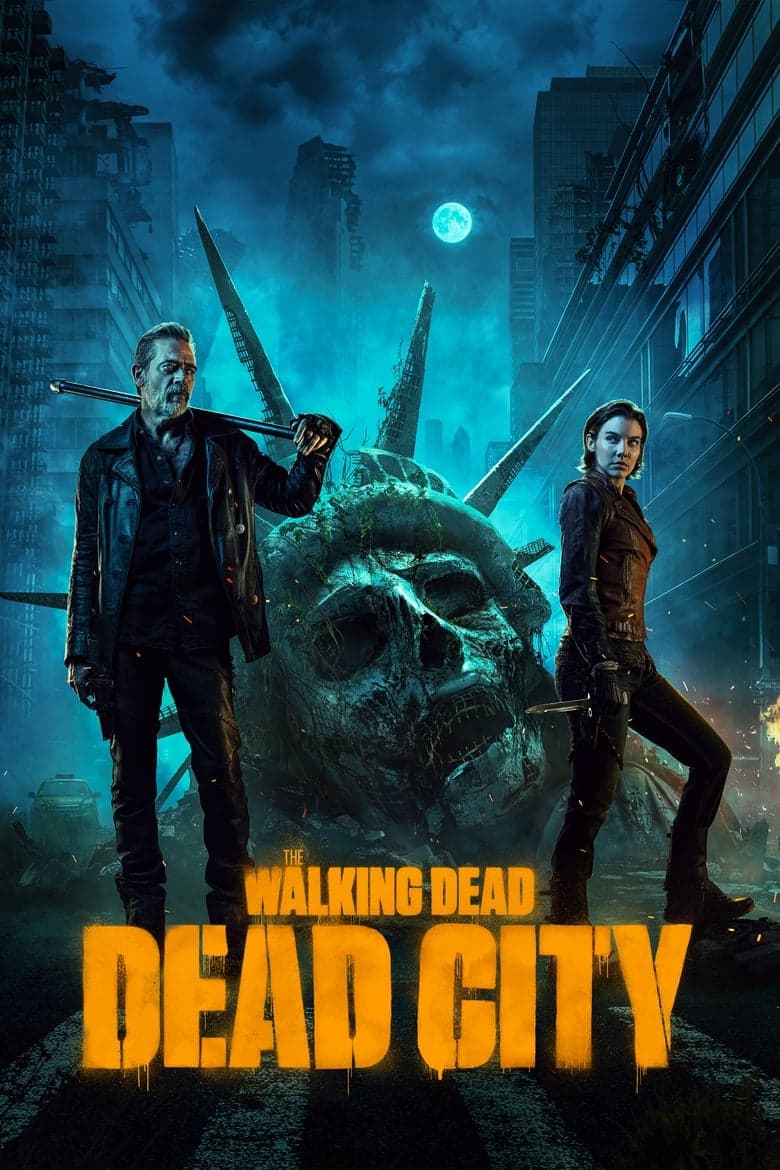
TV Show · 2023
Maggie and Negan travel to post-apocalyptic Manhattan - long ago cut off from the mainland. The crumbling city is filled with the dead and denizens who have made it a world full…
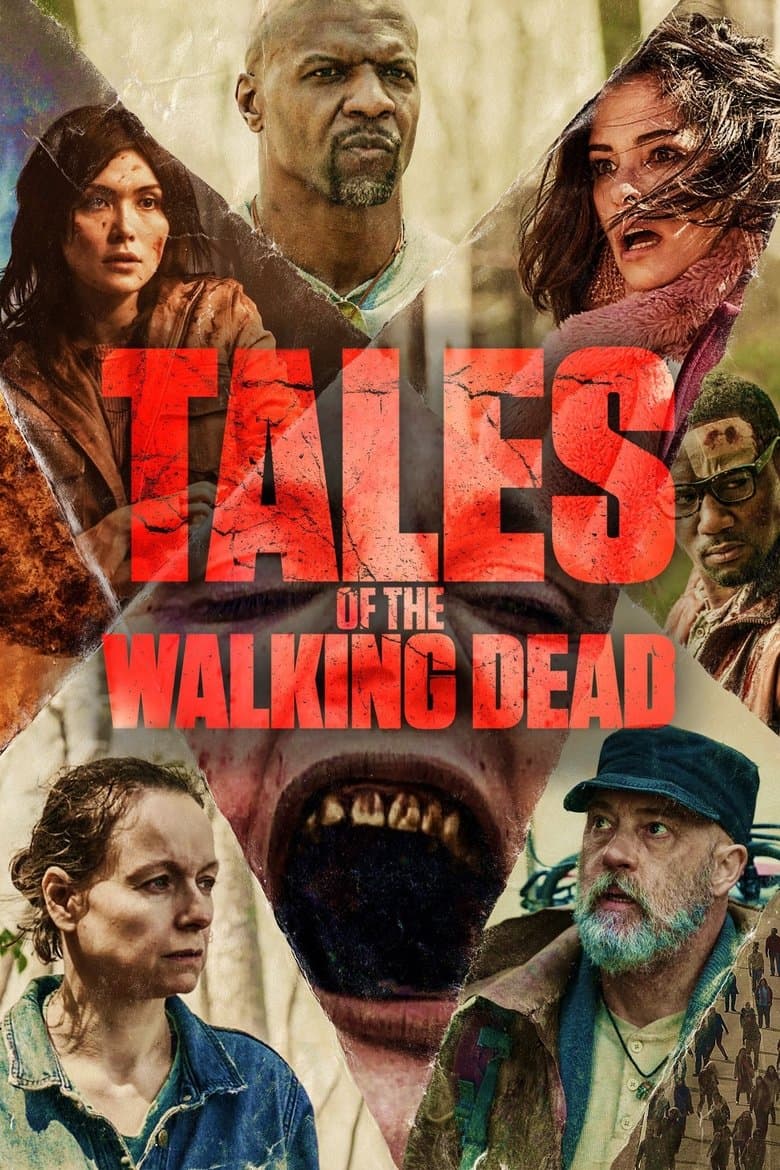
TV Show · 2022
An episodic anthology series focused on both new and established characters set in the world of "The Walking Dead."
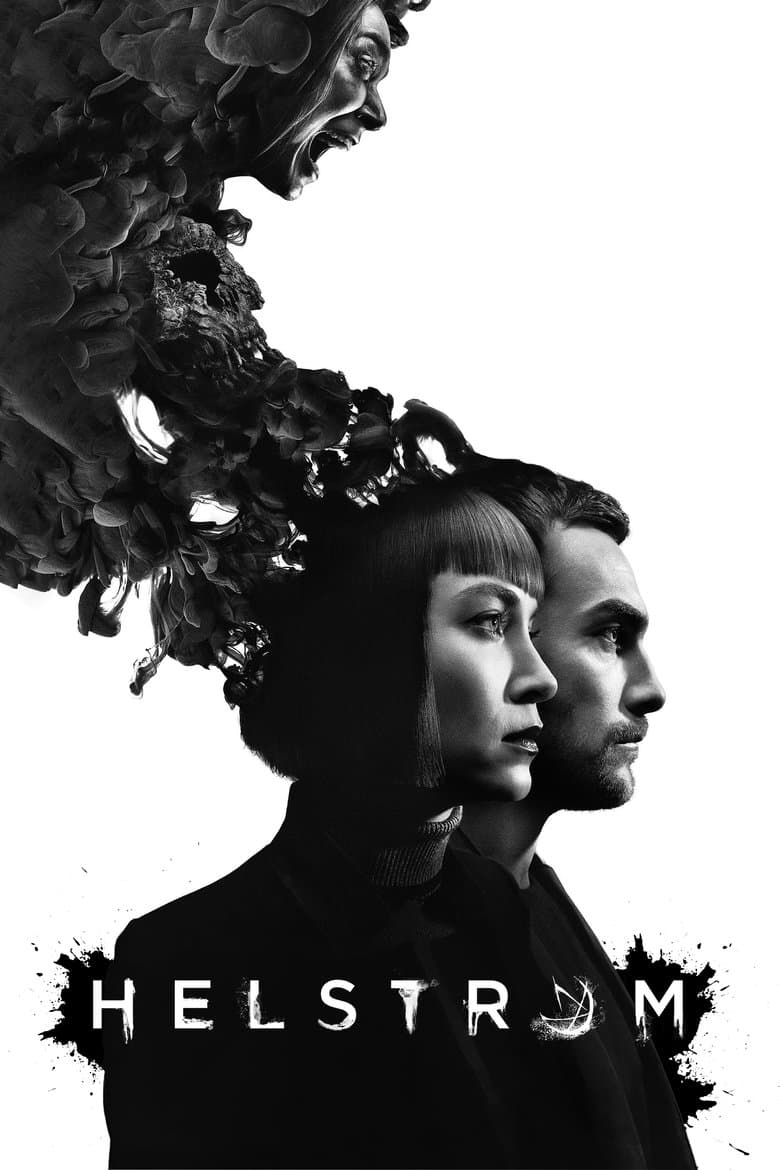
TV Show · 2020
Daimon and Ana Helstrom are the son and daughter of a mysterious and powerful serial killer. The siblings have a complicated dynamic as they track down the terrorizing worst of…
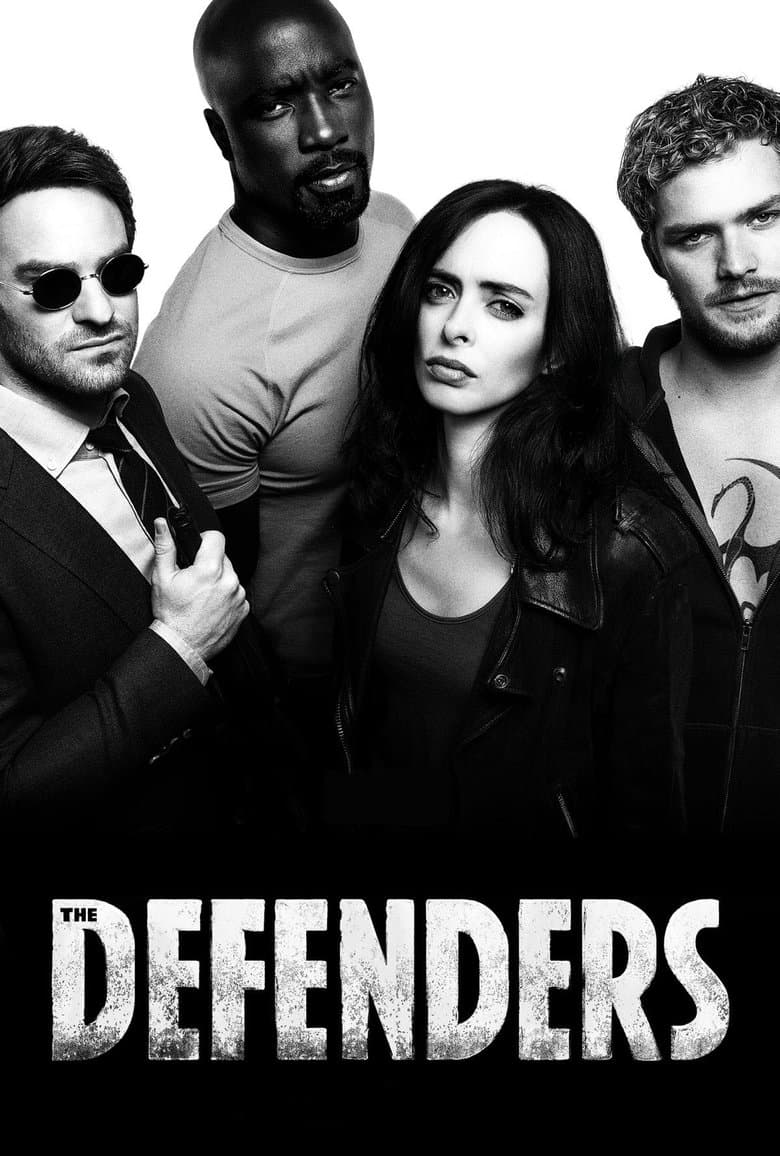
TV Show · 2017
Daredevil, Jessica Jones, Luke Cage and Iron Fist join forces to take on common enemies as a sinister conspiracy threatens New York City.

TV Show · 2021
When a 34-year-old underachiever gets run over by a truck, his story doesn't end there. Reincarnated in a new world as an infant, Rudy will seize every opportunity to live the…
