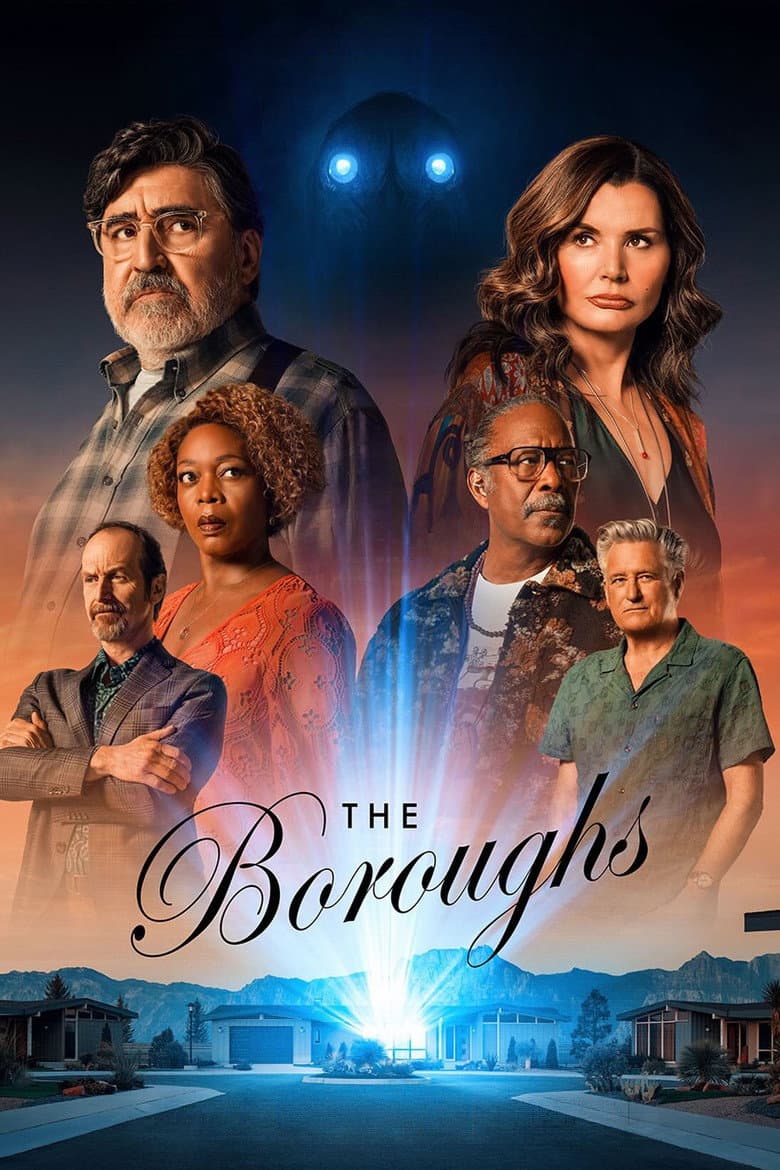
Started May 21, 2026 · Canceled · Based on 1 season, 8 episodes through May 21, 2026 · TV-MA
In a polished New Mexico retirement community, grieving engineer Sam Cooper joins his neighbors against a hidden danger. The owners harvest residents’ vitality through a captive supernatural being called Mother. Elites use that power so they can freeze aging and stay young. The story centers on grief, friendship, late-life purpose, time, and how older people can be harmed under a false face of corporate care. It plays as a creature story about seniors who choose to be heroes together.
Viewers see a multi-ethnic senior hero group, a central black couple, and a gay doctor in the core five. Wally is openly gay, and his AIDS-era past shapes his guilt and his hard choices about youth science. Open marriage, senior sexual freedom, free-love banter, and Renee’s romance with a younger guard are part of everyday life on screen. Staff and security often treat resident warnings as dementia, which the show frames as age bias. The series also attacks the retirement business as a care-and-control system that drains the old for elites. Identity is not the main thesis, but queer character work and anti-ageism stay clear and important.
Breakdown
These are the editorial factors and ratings behind our score for The Boroughs.
Woke representation / casting
The senior cast looks like a real modern retirement community, not a race-swap remake. Viewers still see a multi-ethnic hero group, a central black couple, a gay doctor in the core five, and Renee’s romance with a younger guard. Marketing also sells older actors as rare heroic leads against Hollywood age bias. The design is identity-aware without feeling like a kid-squad checklist.
34%
Woke political dialogue
Talk pushes open social norms more than theory lectures. Free-love banter, open-marriage friction, casual weed culture, and ageist gaslighting from staff show up often. Wally’s AIDS-era guilt enters motive talk when he wants tools he lacked when friends died. Race and gender theory speeches are scarce.
24%
Identity-driven story themes
The main arc is grief, aging, and time as a gift. Identity still matters through Wally’s gay life, AIDS memory, open marriage, senior sexual freedom, and stated anti-ageism. Confirmed LGBTQ content raises the weight even though genre and friendship lead. Identity is secondary, but it is not hidden.
44%
Western institutional / cultural critique
The strongest target is the retirement industry as care used for control. Company ownership, surveillance, sneering security, and the dementia wing as a silencing tool all appear. Elites drain the old for immortality, which is elder exploitation more than a broad attack on faith, patriarchy, or whiteness. Mild challenges to traditional sexual and family norms also show up.
32%
Woke character or canon changes
Not relevant. This is an original series with no identity-driven rewrite of established characters, canon, or historical figures.
0%
Anti-woke backlash and complaints
There was no big anti-woke campaign or review-bomb wave. Only thin signals appear, such as early “please don’t be woke garbage” posts and some anger at the Renee and Paz age gap. Cancellation talk focuses on cost, viewership, and industry fallout. The score stays low because organized backlash is weak.
12%
Creator track record context
Showrunners Addiss and Matthews sit low with no activist brand and talk about tone, monsters, and aging feelings. Writers, directors, and casting people around them raise the average with more progressive past work. The Duffers also bring recent defense of LGBTQ storytelling elsewhere. Overall the room leans mixed progressive around neutral leads, not a manifesto project.
40%
Production