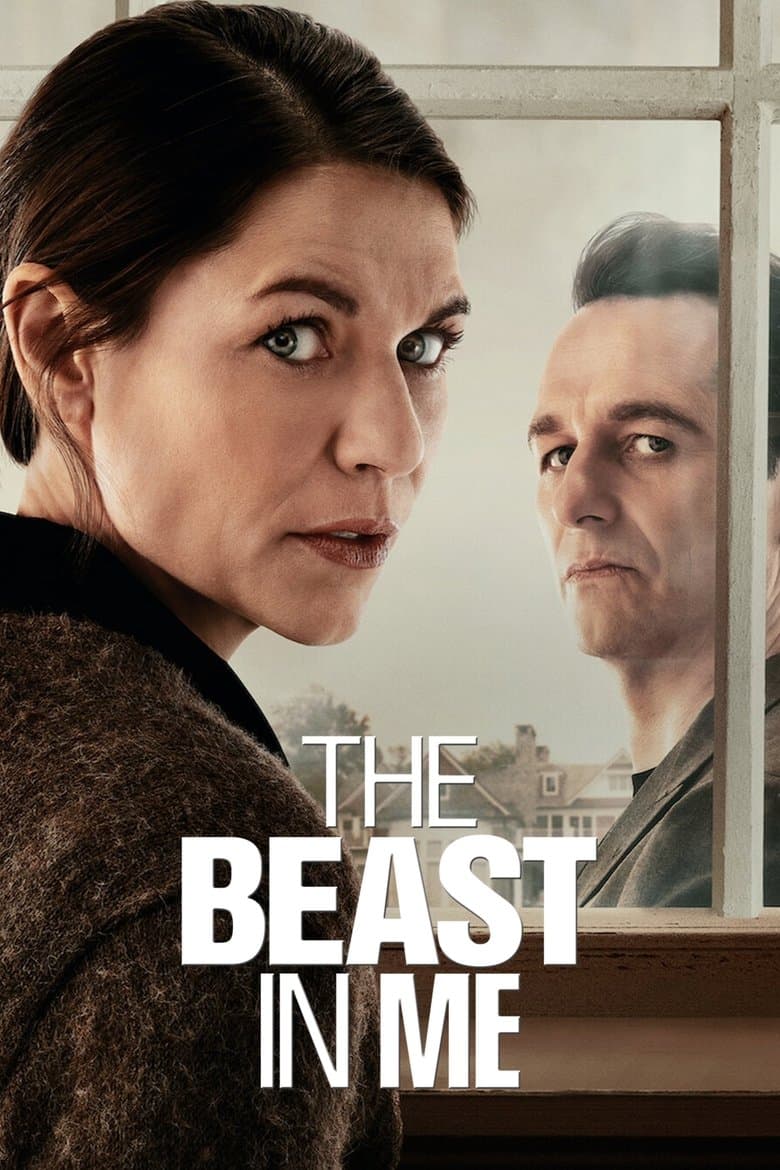
Started November 13, 2025 · Ended · Based on 1 season, 8 episodes through November 13, 2025 · TV-MA
The Beast in Me is a Netflix limited series that premiered with all eight episodes on November 13, 2025. It follows grieving author Aggie Wiggs, played by Claire Danes, who becomes obsessed with writing about her wealthy new neighbor Nile Jarvis, played by Matthew Rhys, a real estate heir suspected of murdering his first wife. The story focuses on personal trauma, moral ambiguity, obsession, and the idea that anyone can harbor darkness. Visible elements include the protagonist's same-sex marriage and shared child with her ex-wife as central to her grief and isolation, plus a secondary subplot with a progressive activist councilwoman opposing the powerful Jarvis family's development projects.
Community feedback
Was our 50% Woke rating accurate?
Breakdown
These are the editorial factors and ratings behind our score for The Beast in Me.
Woke representation / casting
Prominent lesbian protagonist whose same-sex marriage to ex-wife Shelley (Natalie Morales) and shared loss of their son form a visible, ongoing part of her isolation and grief arc. Supporting roles include diverse actors, notably Aleyse Shannon (black actress) as the liberal councilwoman Olivia Benitez in a key recurring political part. Core leads are not heavily race-emphasized for signaling, but the explicit queer family structure is normalized and audience-visible without being the main plot driver.
48%
Woke political dialogue
Minimal explicit activist language or lectures. The progressive councilwoman engages in protests and zoning fights against the Jarvis family, but exchanges stay within thriller plotting and deal-making. Cynical portrayals appear on multiple sides rather than one-sided ideological monologues.
12%
Identity-driven story themes
Primary drivers are personal grief, rage, trauma, self-mythology, and moral ambiguity ("the beast in me" in everyone). The lesbian marriage and family provide concrete backstory for the protagonist's emotional state and are treated as established fact. Secondary real estate and protest elements touch class and power but receive cynical treatment without centering modern identity politics or representation as core messaging.
37%
Western institutional / cultural critique
Wealthy real estate family (led by white male figures) shown using corruption, hired violence at protests, opposition research, and cover-ups to advance projects. Portrays institutions and elites as self-serving and ruthless. Includes a liberal activist opponent, but overall cynicism applies broadly; themes prioritize individual darkness and scapegoating over systemic critiques of patriarchy, whiteness, or capitalism as activist framing.
33%
Woke character or canon changes
Not relevant. Original story with no established characters, canon, or historical figures altered for identity or DEI reasons.
0%
Anti-woke backlash and complaints
Niche but visible social media complaints specifically flag the lesbian lead marriage as pushed "woke" or agenda-driven inclusion, with references to the progressive "AOC-like" activist character in the political subplot. Some viewers called the show "woke trash" or typical Hollywood overreach early in viewing. Remains limited rather than a dominant cultural flashpoint; most discussion stays on acting, pacing, and thriller quality.
20%
Creator track record context
Varied team. Howard Gordon brings experience with nuanced political thrillers (24, Homeland) and some recent industry reflections on assumptions and diversity. Ali Liebegott has a clear, long-standing pattern of queer activist organizing and creative work. Gabe Rotter and most other writers/directors show lighter or personal/cultural focuses without strong identity-politics patterns. Overall pulled moderately by the mix rather than dominated by activist voices.
35%
Production
TV Show · 2025
In the vast expanse of Yosemite National Park, a woman's death draws a federal agent into lawless terrain — where nature obeys no rules but its own.
TV Show · 2024
John Sugar is a dashing private eye navigating the dark corners of sunny LA. Though he sees only the good in humanity, Sugar is haunted by a secret too dangerous to expose.
TV Show · 2021
The arrival of a charismatic young priest brings glorious miracles, ominous mysteries and renewed religious fervor to a dying town desperate to believe.
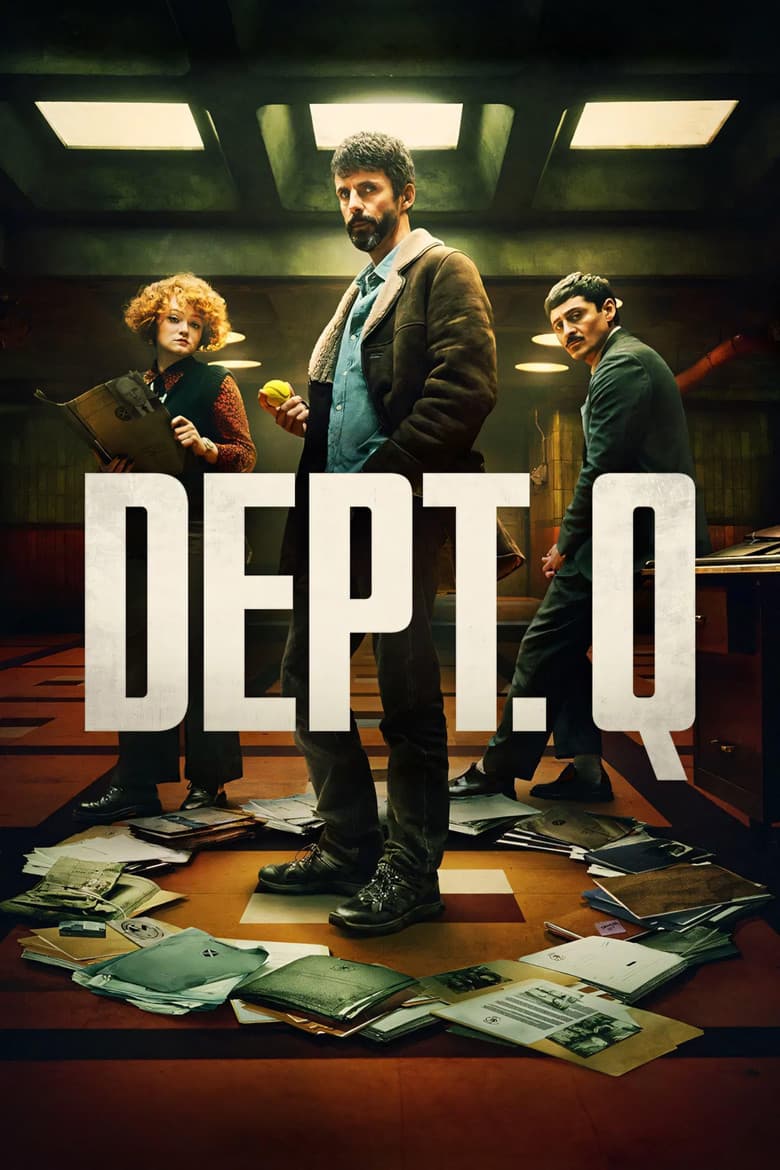
TV Show · 2025
A brash but brilliant cop becomes head of a new police department, where he leads an unlikely team of misfits in solving Edinburgh's cold cases.
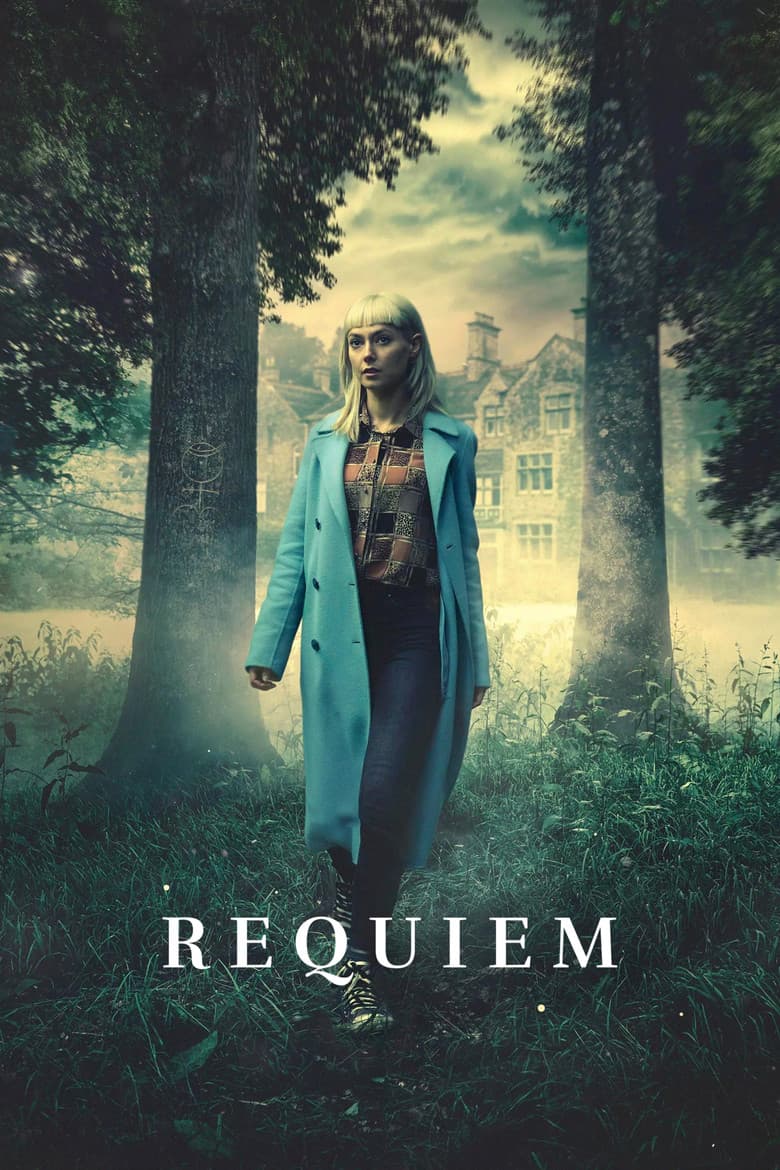
TV Show · 2018
In 1994, a toddler disappeared from a small Welsh village, never to be seen again. 23 years later, in London, the mother of rising cello star Matilda Gray commits suicide, without…
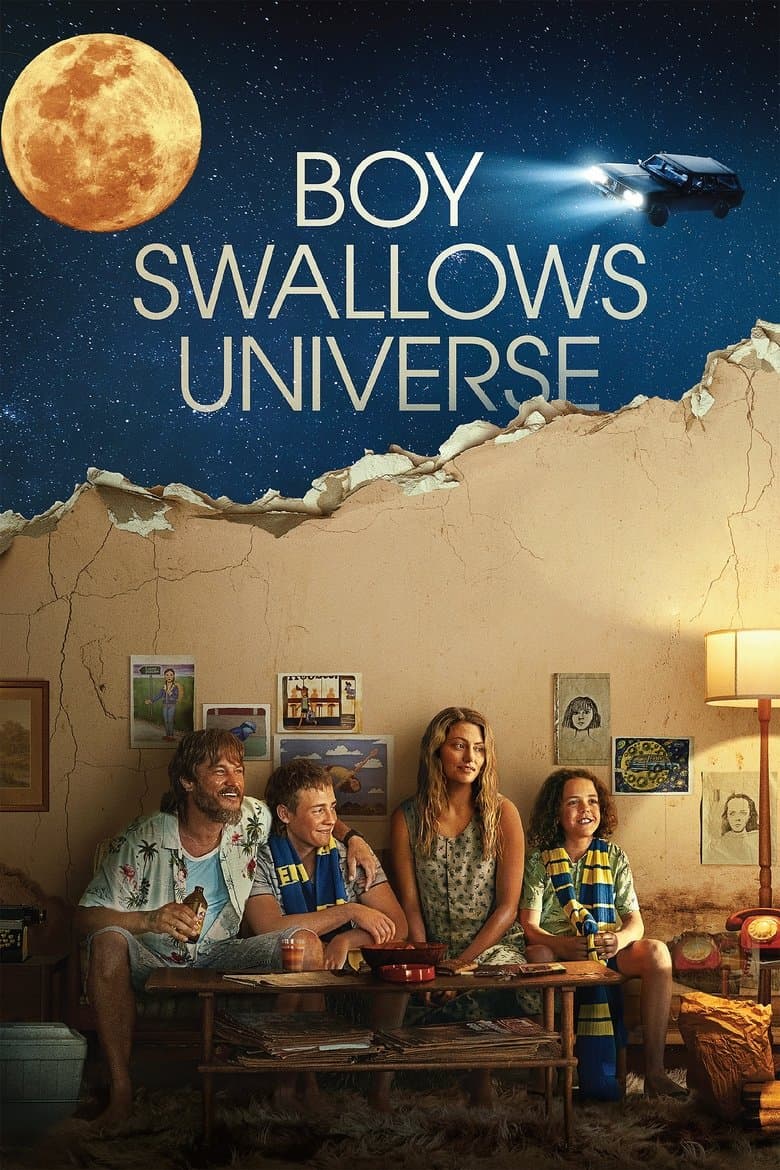
TV Show · 2024
A young boy growing up in the suburbs of 1980s Brisbane faces the harsh realities of life — and the looming dangers that threaten his family.

TV Show · 2026
The mayor of a New England town resolves to turn it into the next tourist hot spot, despite local warnings that it's cursed.
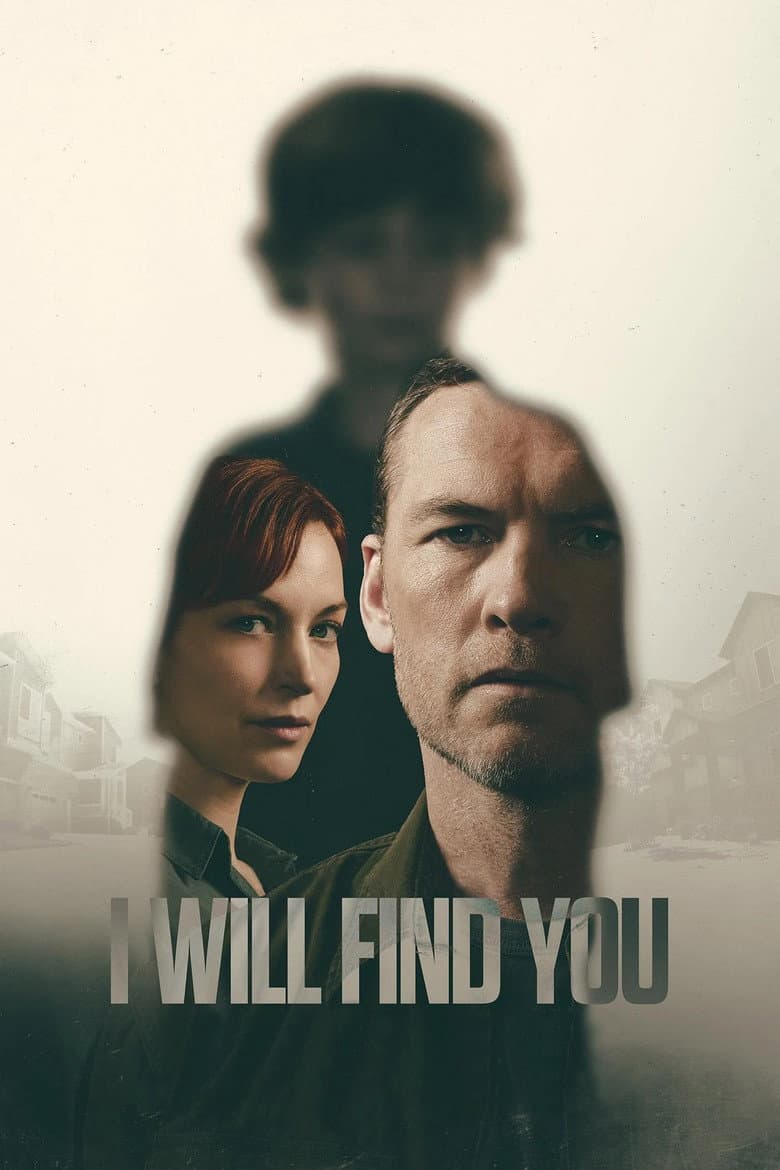
TV Show · 2026
Wrongfully imprisoned for murdering his own son, a father sets out on a desperate rescue mission after learning the boy may still be alive.
