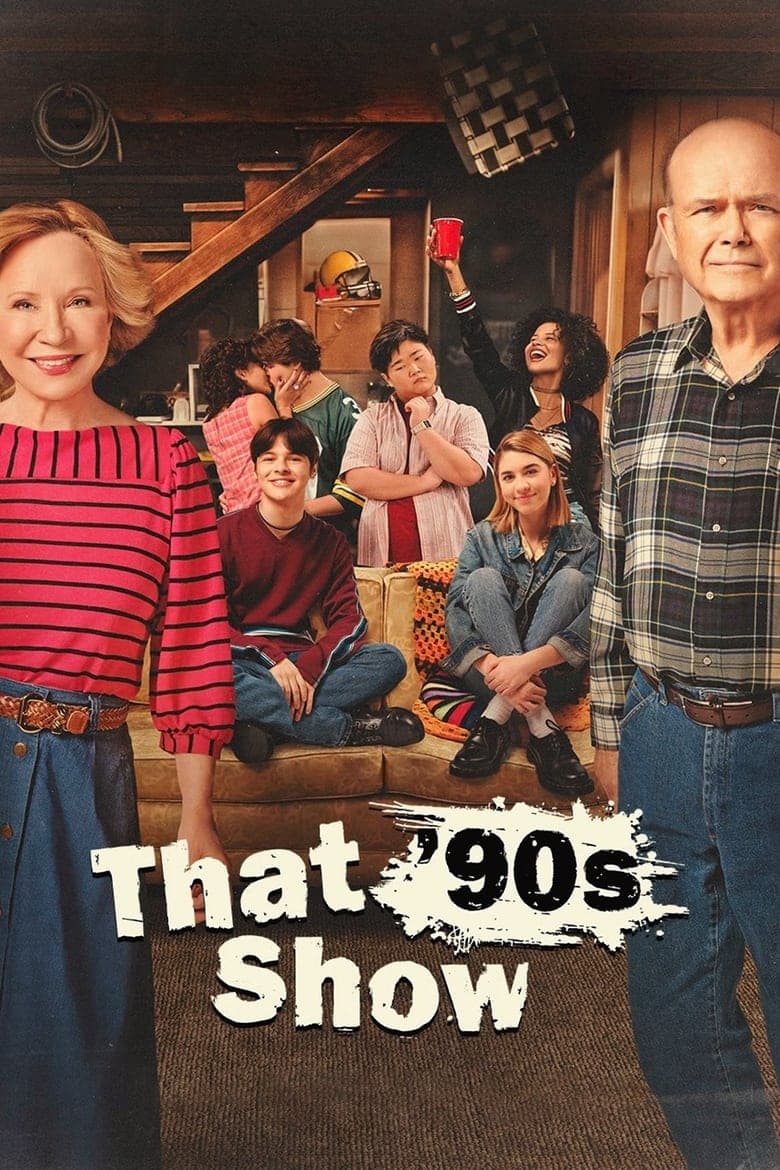
Started January 19, 2023 · Canceled · Based on 2 seasons, 26 episodes through August 22, 2024 · TV-14
That '90s Show is a comedy series about Leia Forman visiting her grandparents in Wisconsin during her summer breaks. She hangs out in the same basement with a new group of neighborhood teenagers. The show highlights modern diversity, featuring a very diverse core cast of kids from different racial backgrounds. It also prominently features an openly gay, sarcastic teenager named Ozzie, who works through a multi-step coming-out plan.
Community feedback
Was our 80% Woke rating accurate?
Breakdown
These are the editorial factors and ratings behind our score for That '90s Show.
Woke representation / casting
The show casts a highly diverse group of teenagers that does not quite match the demographics of small-town Wisconsin in 1995. This includes black, Hispanic, and Asian characters. Most notably, the prominent main character Ozzie is an openly gay Asian teen. This inclusion of a major LGBTQ+ character adds a strong identity-signaling element to the main cast. The modern style of diversity feels like a deliberate casting priority for representation rather than historical accuracy.
75%
Woke political dialogue
Production
The dialogue is mostly light sitcom humor, but it includes clear conversations about gay identity and coming out. In several scenes, Ozzie talks openly about his dating life, his long-distance boyfriend, and his step-by-step plan to come out to adults. Leia and Gwen also occasionally share thoughts that touch on modern female empowerment. The presence of these identity-focused conversations raises the dialogue score.
40%
Identity-driven story themes
The series features prominent storylines centered on sexual identity. A major episode involves Ozzie planning and executing his coming-out to Kitty Forman, who responds with total acceptance. Later seasons continue to follow his attempts to find a boyfriend and go on dates. While other teen romances are standard sitcom subplots, the show places a clear thematic focus on the queer teen experience.
55%
Western institutional / cultural critique
The show does not contain heavy activist critiques of Western institutions, capitalism, or history. However, it gently pokes fun at traditional midwestern social norms and older conservative mindsets. The teenage characters hold very progressive, modern social views compared to the adults, making traditional 1990s attitudes look outdated.
30%
Woke character or canon changes
Not present in this title.
0%
Anti-woke backlash and complaints
There was noticeable online backlash from viewers who complained that the show was too woke. Critics and social media users pointed out that having an openly gay teenager who is fully accepted by his peers in 1995 small-town Wisconsin was historically inaccurate and felt like modern political correctness.
50%
Creator track record context
The creative team has a mixed but notable history of progressive and activist work. Writer Andrew Ti has a very high activist profile as an anti-racist podcaster. Writer Erin Foley is an outspoken queer comedian who advocates for LGBTQ+ causes. Director Laura Prepon has publicly championed reproductive rights and praised queer representation. Showrunner Gregg Mettler has also actively pushed for more diverse representation.
52%
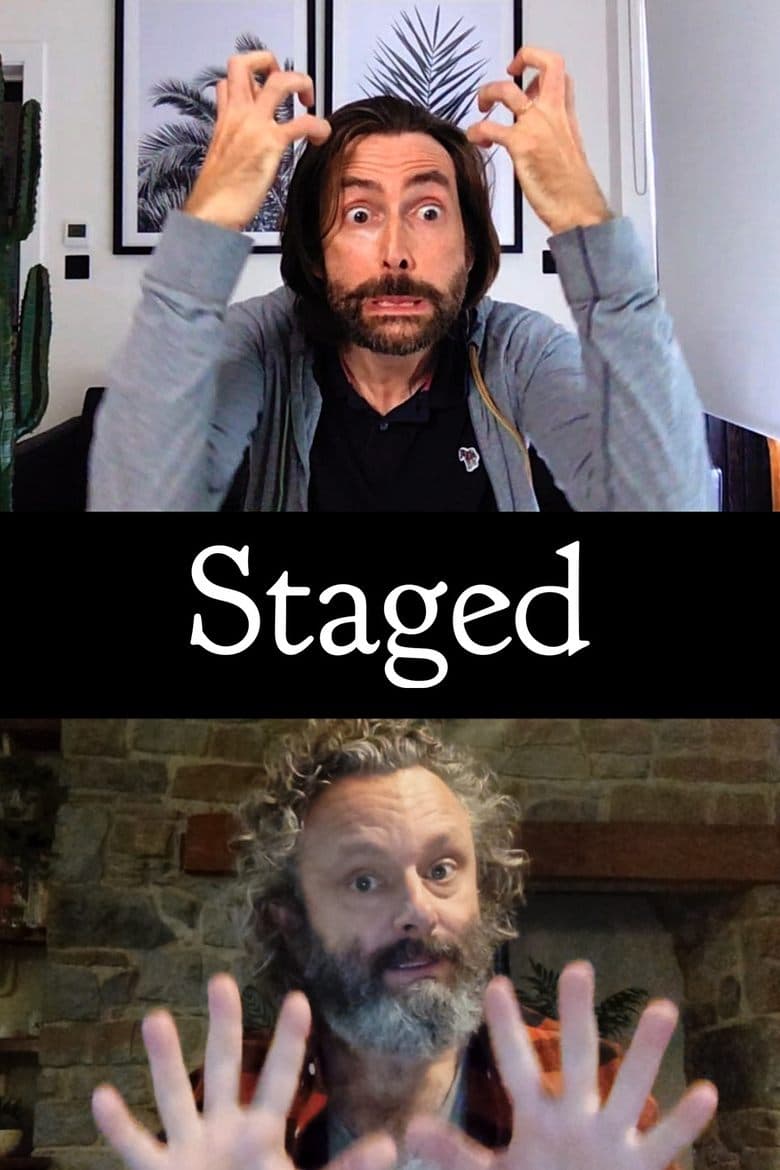
TV Show · 2020
David Tennant and Michael Sheen (playing themselves) were due to star in a production of 'Six Characters in Search of an Author' in the West End.
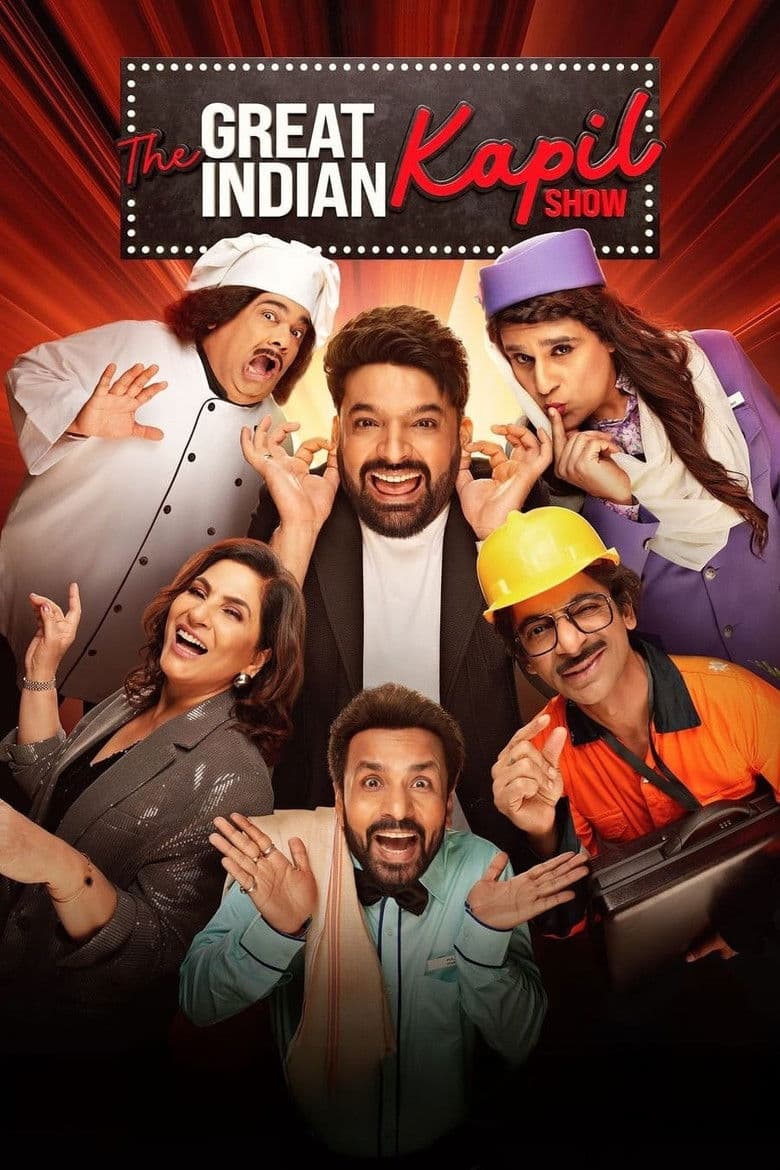
TV Show · 2024
Comedian Kapil Sharma hosts this laugh-out-loud variety talk show with celebrity guests, hilarious antics and his signature supporting cast.
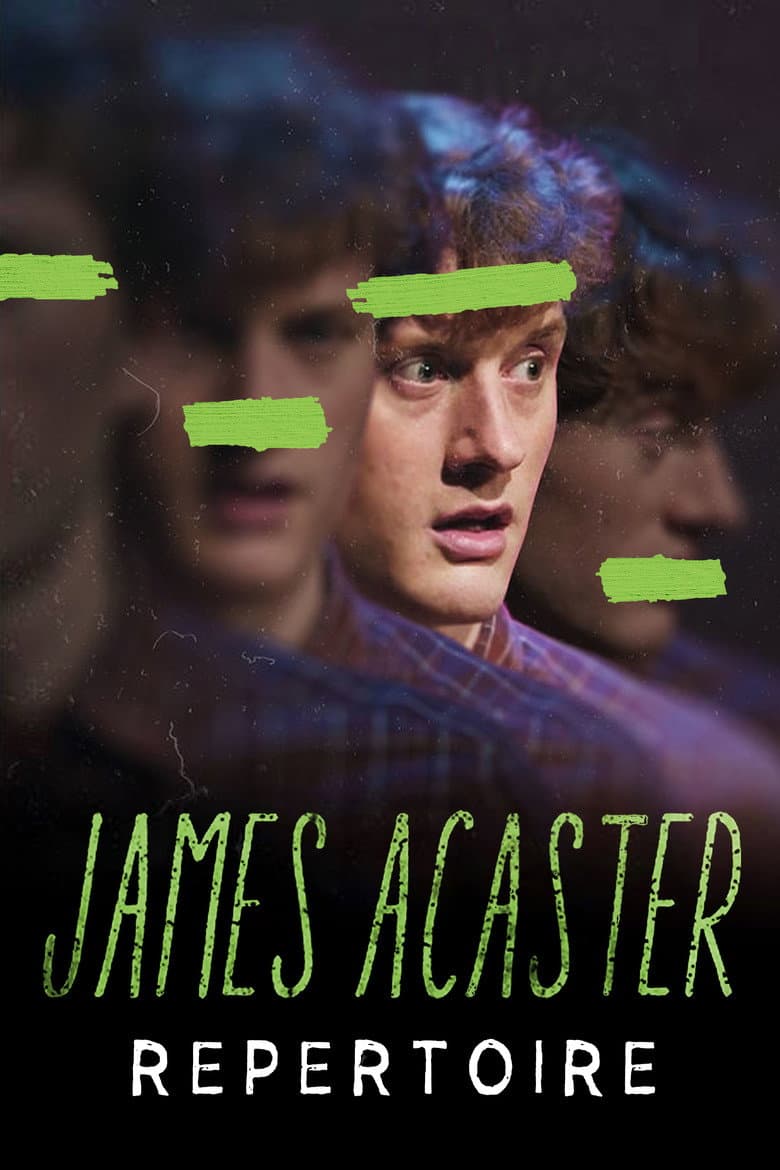
TV Show · 2018
Offbeat comic James Acaster covers the strange, the mundane and everything in between in this collection of four wide-ranging stand-up specials.
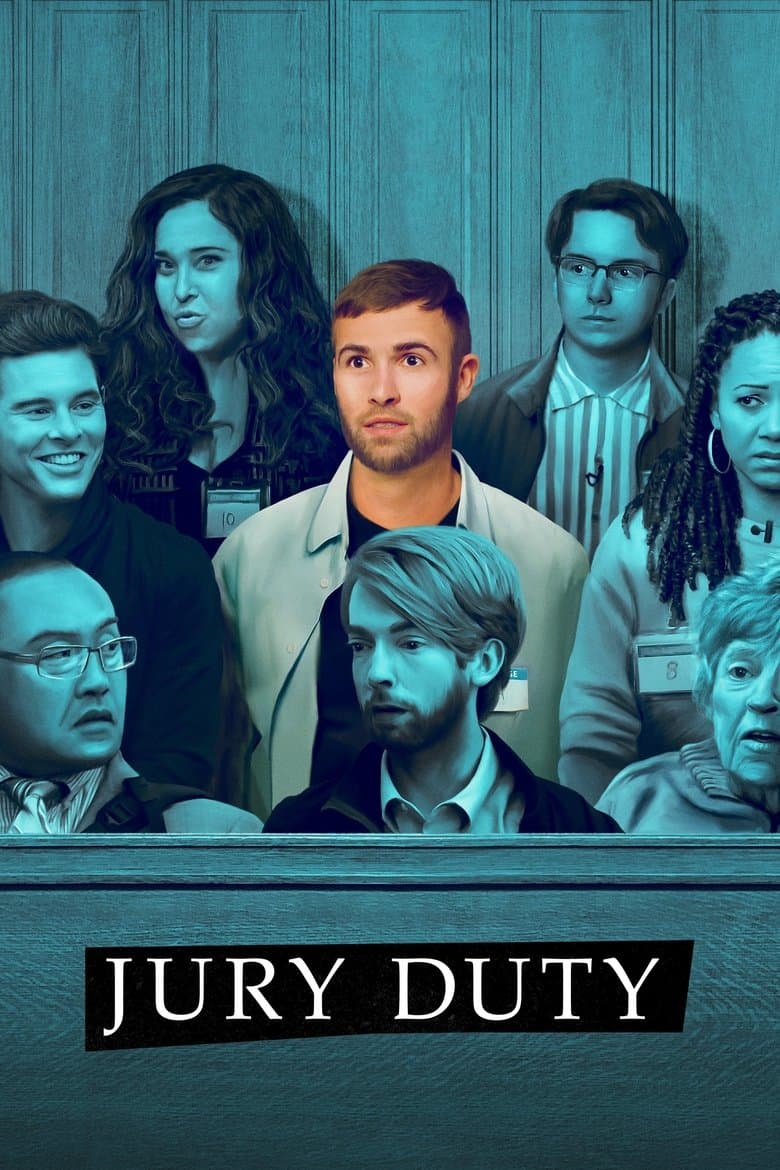
TV Show · 2023
The inner workings of an American jury trial through the eyes of one particular juror, Ronald Gladden. Gladden is unaware the entire case is fake, everyone except him is an actor…
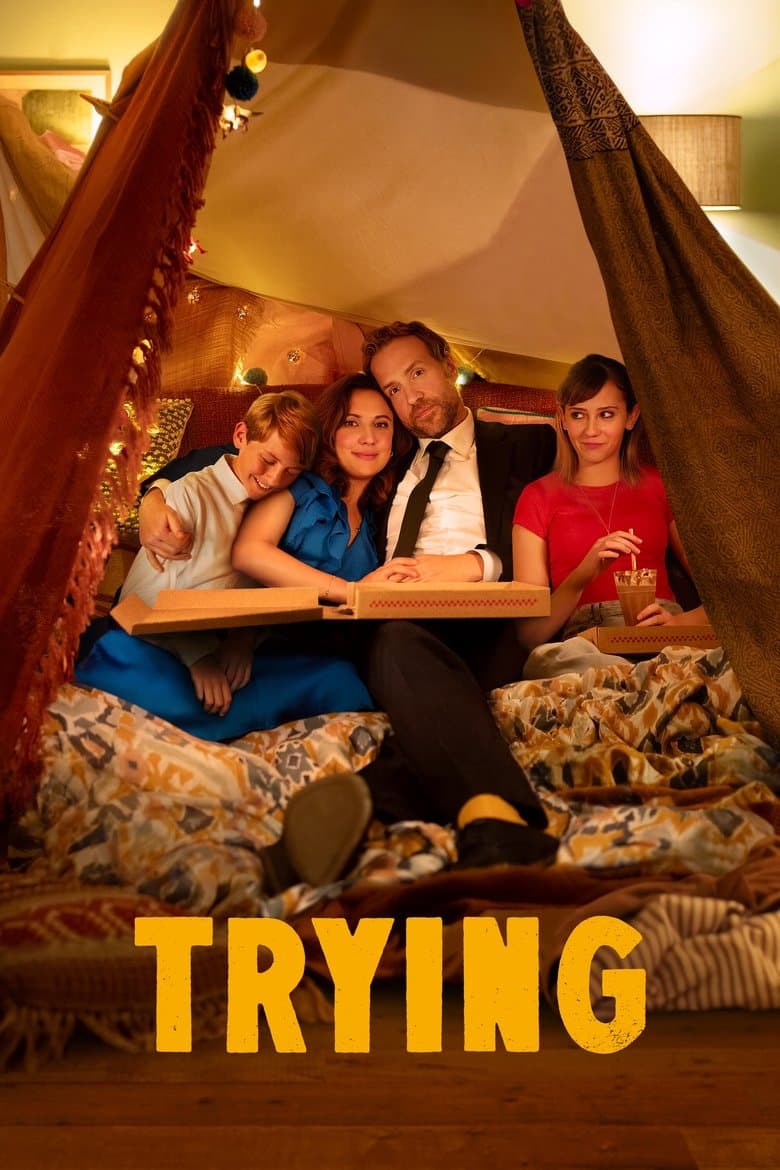
TV Show · 2020
All Nikki and Jason want is a baby—the one thing they can't have. So they decide to adopt. With their dysfunctional friends, screwball families, and chaotic lives, will the…

TV Show · 2016
Jeremy Clarkson, Richard Hammond and James May are back with a show about adventure, excitement and friendship...
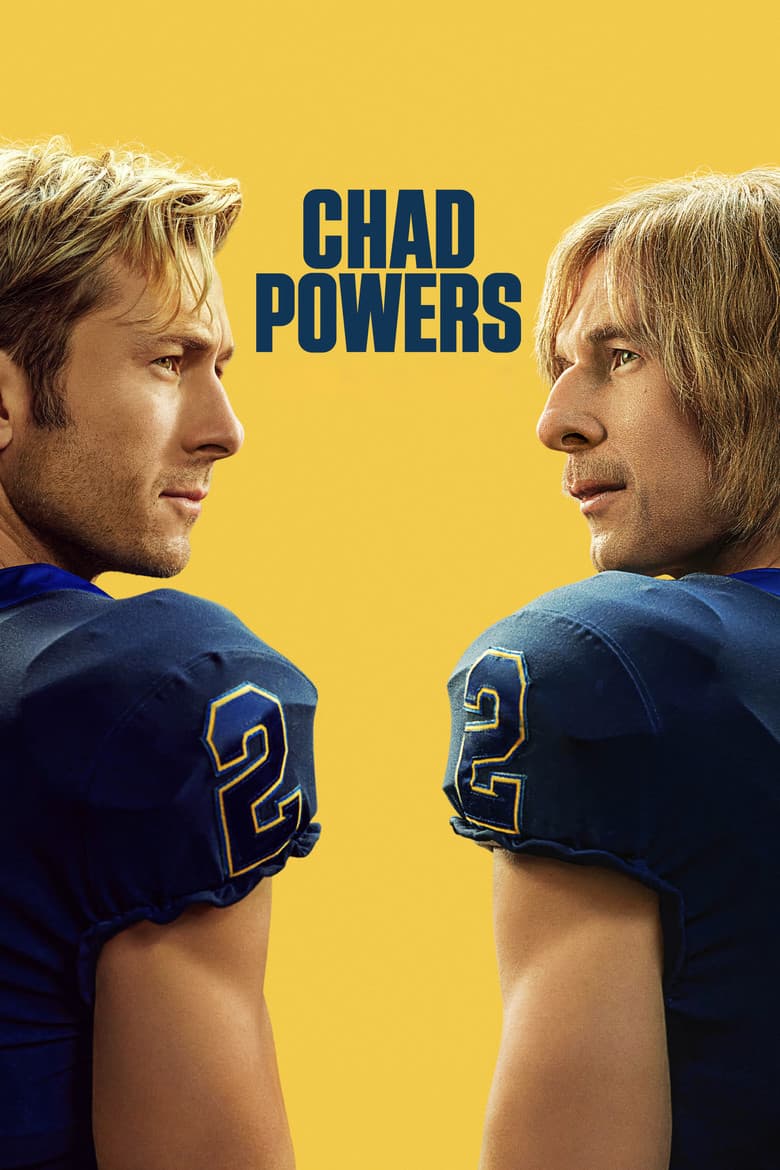
TV Show · 2025
Eight years after an unforgivable mistake nukes his promising college football career, hotshot quarterback Russ Holliday tries to resurrect his dreams by disguising himself as…
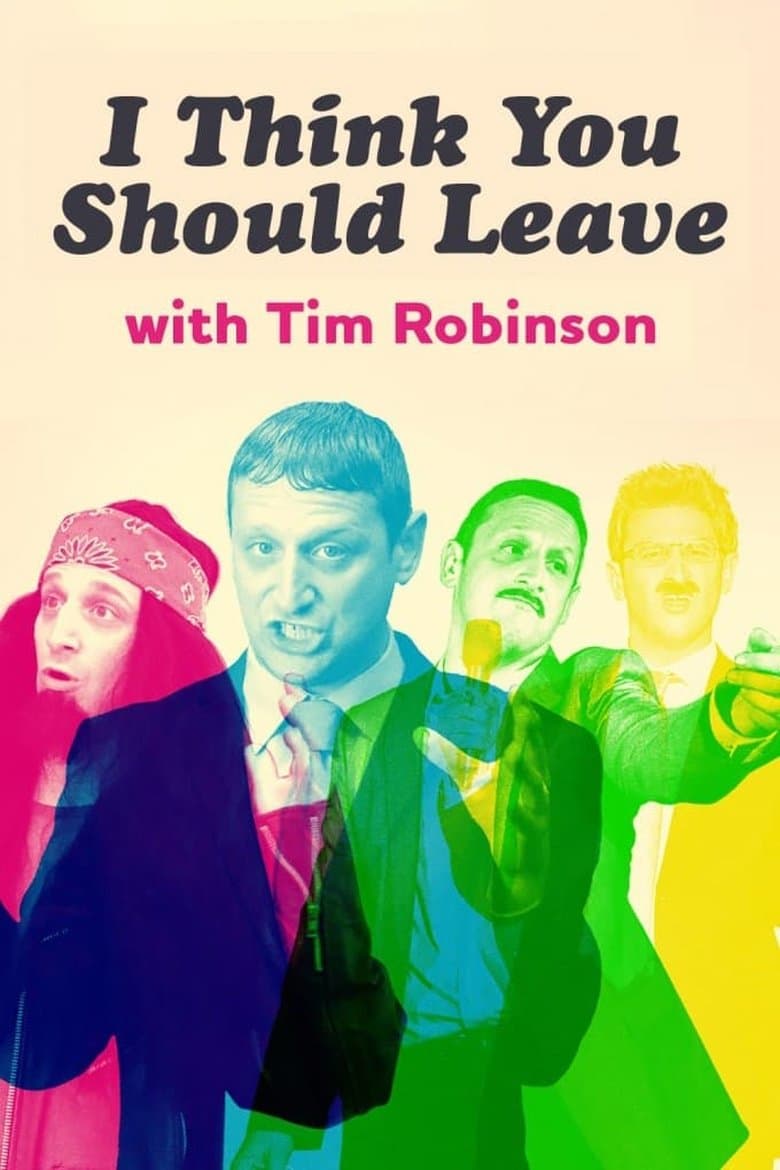
TV Show · 2019
There is no such thing as an ordinary interaction in this offbeat sketch comedy series that features a deep roster of guest stars.
