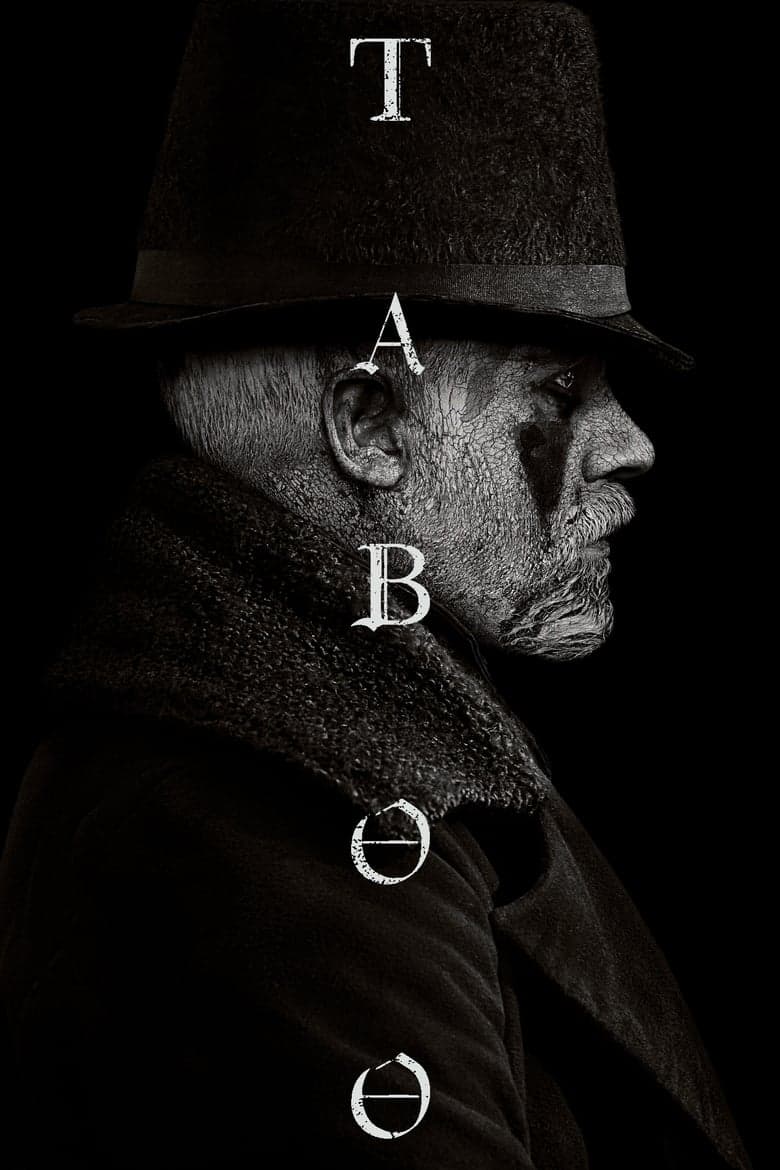
Started January 7, 2017 · Ended · Based on 1 season, 8 episodes through February 25, 2017 · TV-MA · 60 min
Taboo is a grimy 1814 London revenge thriller. James Keziah Delaney returns from Africa and claims his father's Nootka Sound inheritance. He then wages a brutal campaign against the East India Company, the Crown, and American interests. The spine of the story is commerce, conspiracy, family rot, incest, and occult-tinged trauma. It is not built as a modern identity lecture.
Identity material still shows up in ways many viewers will notice. Delaney has a Nootka mother, and a land treaty is tied to that heritage. A mid-to-late-season plot follows a slave-ship investigation led by Black Sons of Africa lawyer George Chichester. Company clerk Michael Godfrey is a gay man who cross-dresses and is blackmailed at a molly house. These threads are clear on screen and matter to the plot, but the core arc stays personal vengeance and commercial war rather than a diversity message.
Community feedback
Was our 40% Woke rating accurate?
Breakdown
These are the editorial factors and ratings behind our score for Taboo.
Woke representation / casting
Lead and power players are period-fitting white British and European casting. Noticeable but limited diversity sits in supporting roles that fit the world, such as Lucian Msamati as lawyer George Chichester and Polynesian associate Martinez. There is no quota-style hero roster or girlboss takeover of 1814 institutions.
18%
Woke political dialogue
Most talk stays inside the period thriller about Company power, land title, blackmail, and revenge. Clear but secondary moral talk covers the slave ship Influence, buying and selling people, and Godfrey’s illegal sexuality. It does not use modern activist catchphrases or DEI lectures.
16%
Identity-driven story themes
The core arc is personal vengeance and commercial war. Viewers still see indigenous heritage and the Nootka treaty, abolitionist pressure through Chichester and the slave-ship cover-up, and Godfrey as a recurring gay and cross-dressing ally. Queer content is confirmed and more than a cameo, which raises this factor without making the series queer-led.
44%
Western institutional / cultural critique
The East India Company is the chief villain through murder, slave-ship fraud, and corporate tyranny, while the Crown and spies are corrupt. That reads as harsh critique of British commercial empire, with slavery and colonial land grabs included. Knight framed it as commerce and power rather than a simple empire-is-pure-evil sermon or a modern patriarchy and whiteness sermon.
36%
Woke character or canon changes
Not relevant. This is an original TV story, not a race or gender remake of established characters.
0%
Anti-woke backlash and complaints
There was no large “too woke” campaign. Sparse viewer pushback complained about white-guilt or anti-Western framing of empire and slavery. Most heat was about style, grit, or progressive objections to Hardy as mixed-race Delaney, and those left-side complaints are excluded here.
12%
Creator track record context
Cached profiles stay low to moderate. Steven Knight sits around period crime and commerce rather than DEI activism, and directors and most writers sit in single digits to the teens. Casting director Nina Gold scores higher for franchise diversity reputation, not for this title’s marketing, so overall creative context is mild.
14%
Production
TV Show · 2019
A Philadelphia couple are in mourning after an unspeakable tragedy creates a rift in their marriage and opens the door for a mysterious force to enter their home.
TV Show · 2021
A detective in a small Pennsylvania town investigates a local murder while trying to keep her life from falling apart.
TV Show · 2022
Lucy wakes every night at exactly 3:33am. Nothing in her life has made sense for a long time. But the answers are out there, somewhere, at the end of a trail of brutal murders.
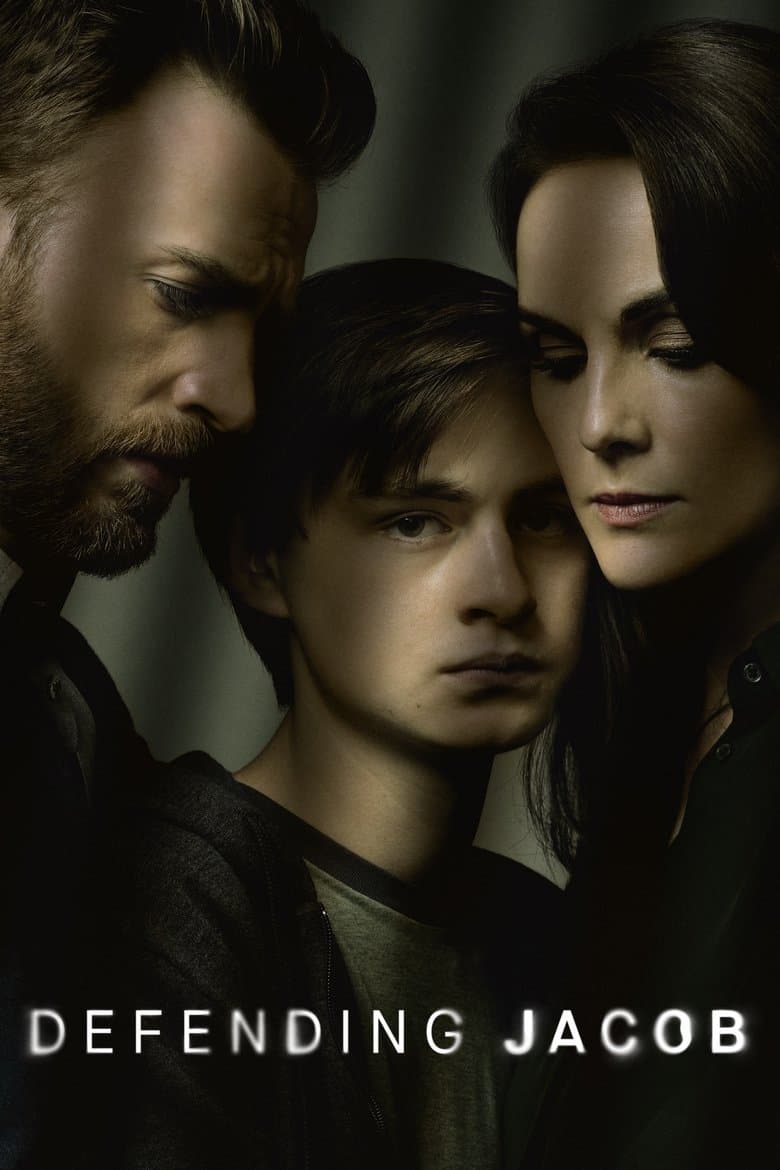
TV Show · 2020
A family's lives are irreparably disrupted when the 14-year-old son is accused of murdering a fellow classmate.
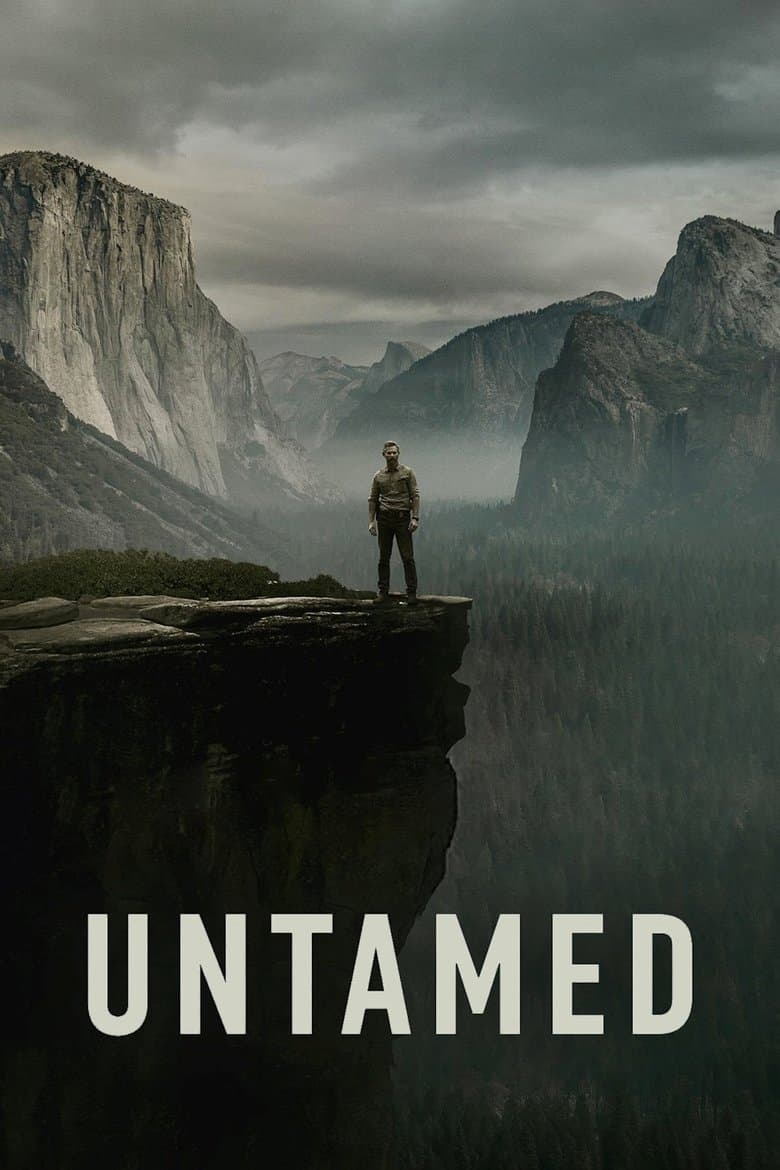
TV Show · 2025
In the vast expanse of Yosemite National Park, a woman's death draws a federal agent into lawless terrain — where nature obeys no rules but its own.
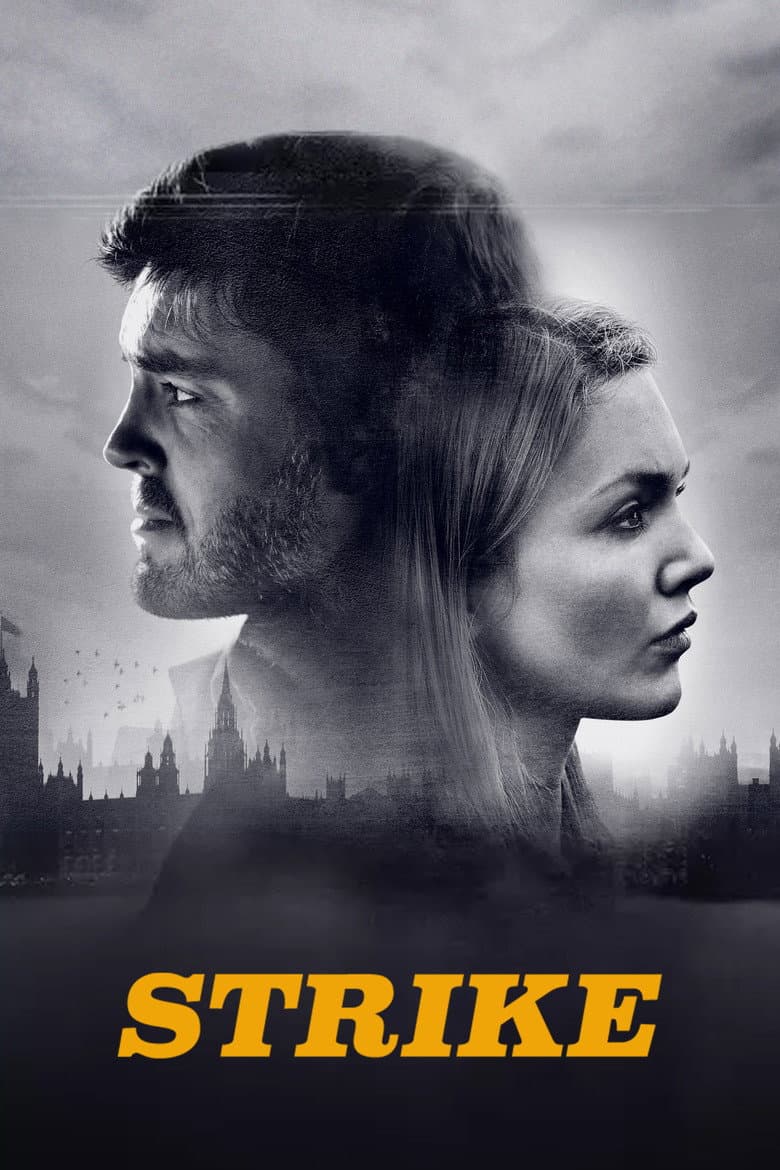
TV Show · 2017
A war veteran turned private detective operates out of a tiny office in London’s Denmark Street. Although wounded both physically and psychologically, his unique insight and…
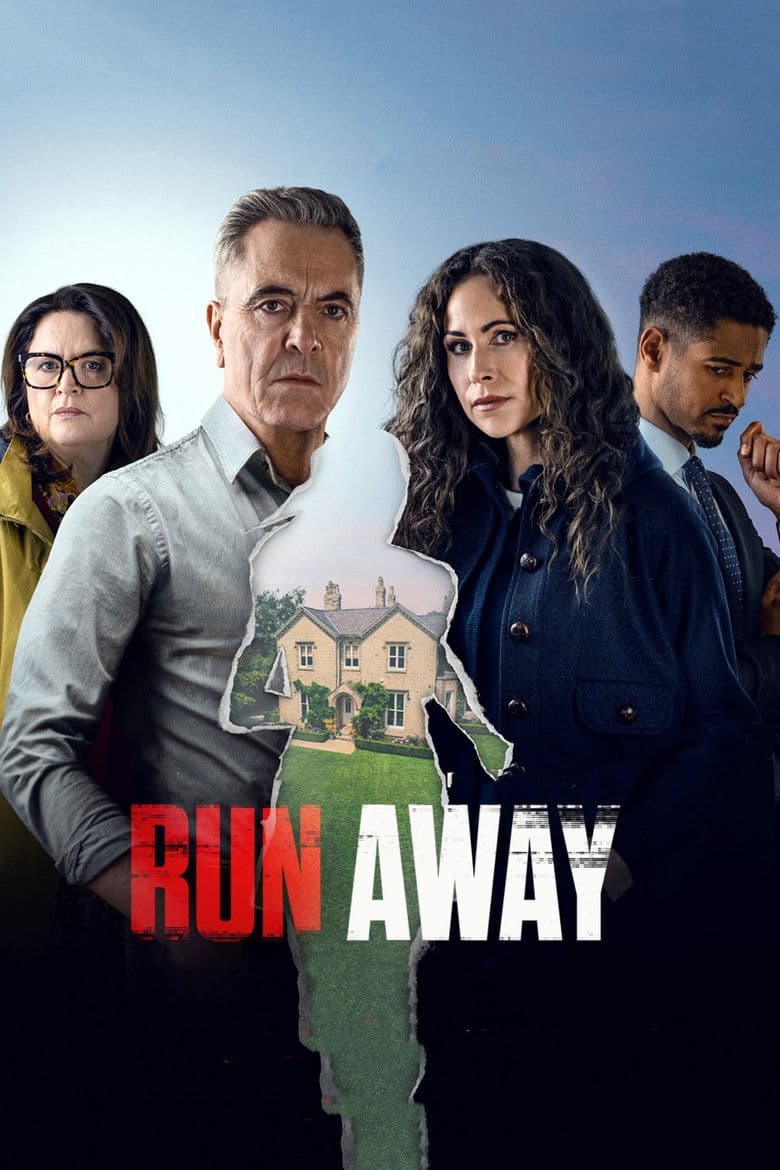
TV Show · 2026
A desperate father searching for his runaway daughter gets caught up in a murder case — and stumbles upon secrets which could destroy his family for good.
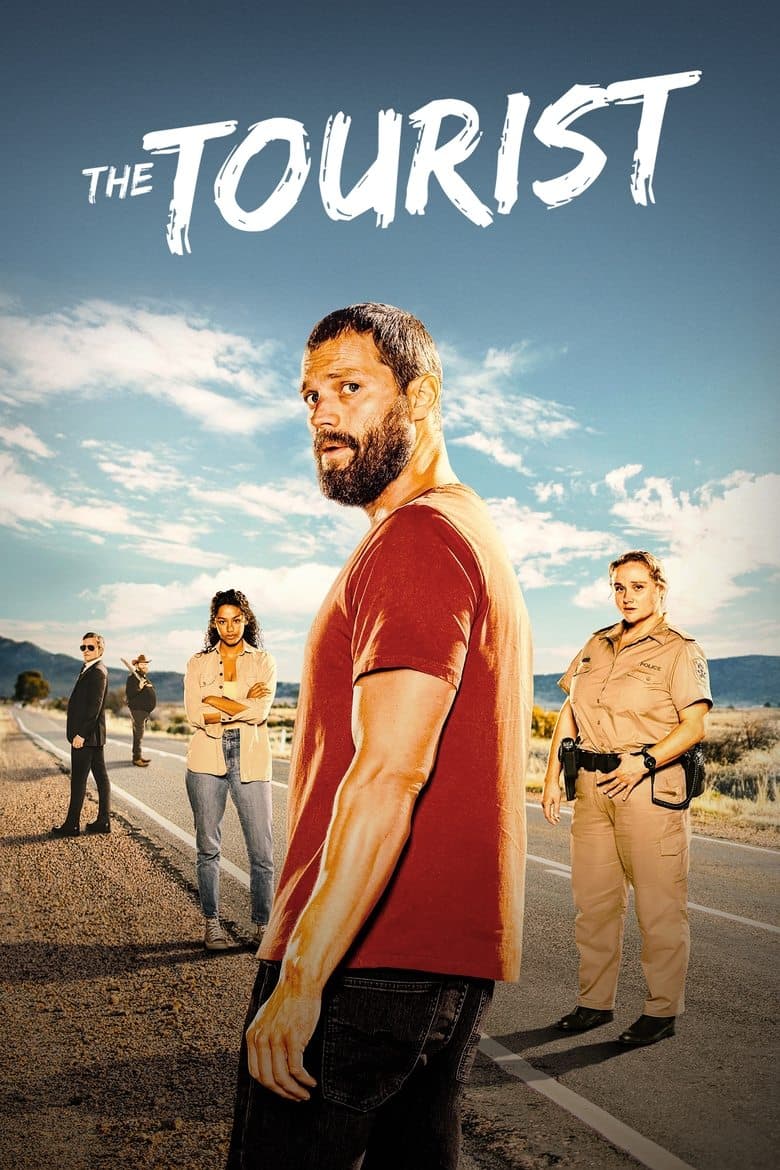
TV Show · 2022
When a man wakes up in the Australian outback with no memory, he must use the few clues he has to discover his identity before his past catches up with him.
