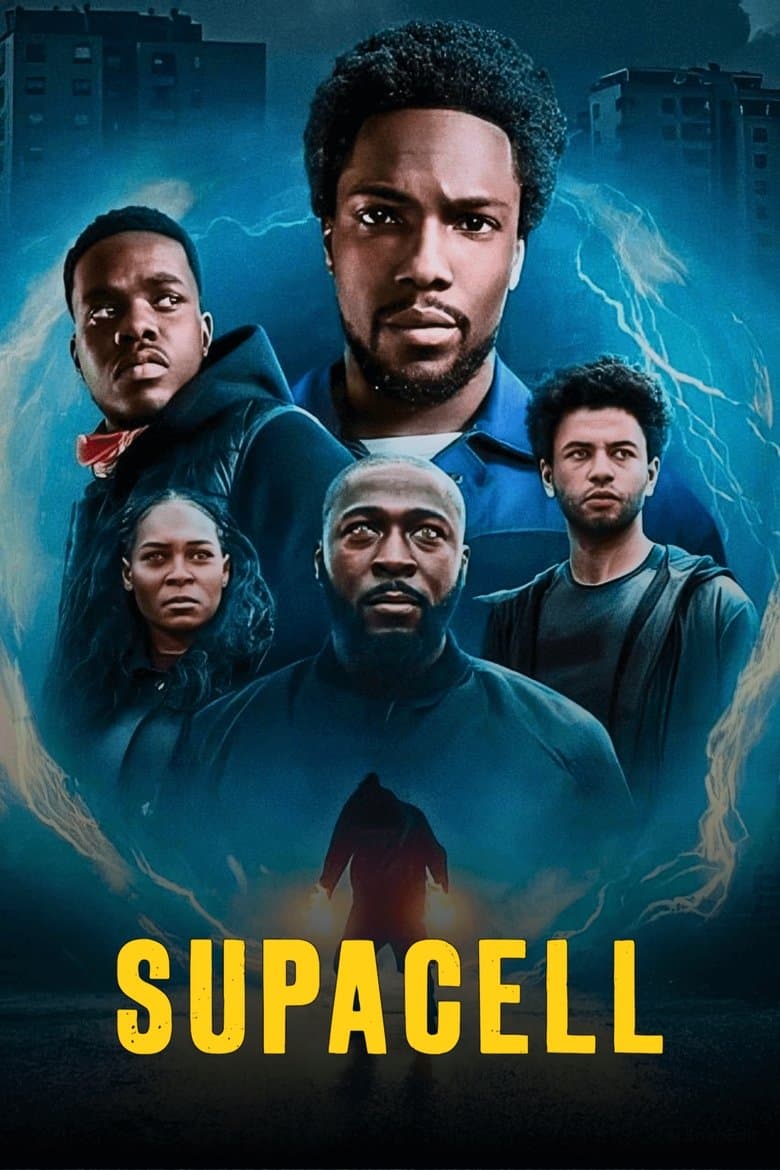
Started June 27, 2024 · Returning Series · Based on 1 season, 6 episodes through June 27, 2024 · TV-MA
Supacell is a superhero series about five ordinary black people in South London who suddenly get superpowers. They must work together to stop a tragedy while avoiding a secret organization that is hunting them. The show contains very clear identity-driven themes, including discussion about racial profiling and bias. The superpowers themselves are tied to a genetic trait that only affects black people.
Community feedback
Was our 78% Woke rating accurate?
Breakdown
These are the editorial factors and ratings behind our score for Supacell.
Woke representation / casting
The main cast is almost entirely black. The creator designed this choice to boost black representation. However, the story directly justifies the cast's ethnicity through a genetic plot point. The powers mutate from the sickle cell trait, which affects black people. Because the story justifies the casting choice, the score is kept in the moderate range. There are no LGBTQ+ casting elements.
42%
Woke political dialogue
The dialogue includes noticeable activist themes. One character complains that the police do not search for missing black teenagers because they do not look like a famous white missing girl. Other characters talk about the systemic hurdles of being black in London, such as workplace bias and police profiling. These lines stand out as modern political commentary.
Production
38%
Identity-driven story themes
The entire premise is built on a genetic trait that exclusively gives black people superpowers. The show uses this science-fiction element to explore racial inequality, black identity, and the daily struggles of black British communities in South London. It blends classic superhero tropes with social commentary on the black experience, making identity-driven themes a core part of the narrative.
58%
Western institutional / cultural critique
The show critiques Western systems, like the medical establishment and the police. The police are portrayed as unhelpful or actively biased against black youths. The ultimate villains run a medical research facility that experiments on and exploits black individuals. A main character struggles with bias within the National Health Service. These elements frame Western institutions as untrustworthy.
65%
Woke character or canon changes
Not relevant. The show is an entirely original creation by Rapman. It is not based on any pre-existing comic, book, or historical event. No legacy characters or established canons were changed.
0%
Anti-woke backlash and complaints
Some viewers on social media platforms criticized the series as pushing a woke agenda due to its exclusively black cast and the scientific explanation that only black people get superpowers. Others complained that the depiction of white clinical villains exploiting black victims felt divisive. However, the backlash remained relatively minor, with many viewers focusing on the sci-fi action.
35%
Creator track record context
Creator Rapman and director Sebastian Thiel have a strong history of producing projects focused on black representation and urban struggles. They have both partnered with major platforms on diversity initiatives to hire black television candidates behind the camera, indicating a strong commitment to industry DEI priorities.
68%
TV Show · 2023
After washing ashore in France, Daryl struggles to piece together how he got there and why, as he navigates a fractured, walker-infested landscape to find his way home.
TV Show · 2020
As humans turn into savage monsters and the world plunges into terror, a handful of survivors fight for their lives — and to hold on to their humanity.
TV Show · 2026
A century before the events of Game of Thrones, two unlikely heroes wandered Westeros: a young, naive but courageous knight, Ser Duncan the Tall, and his diminutive squire, Egg.
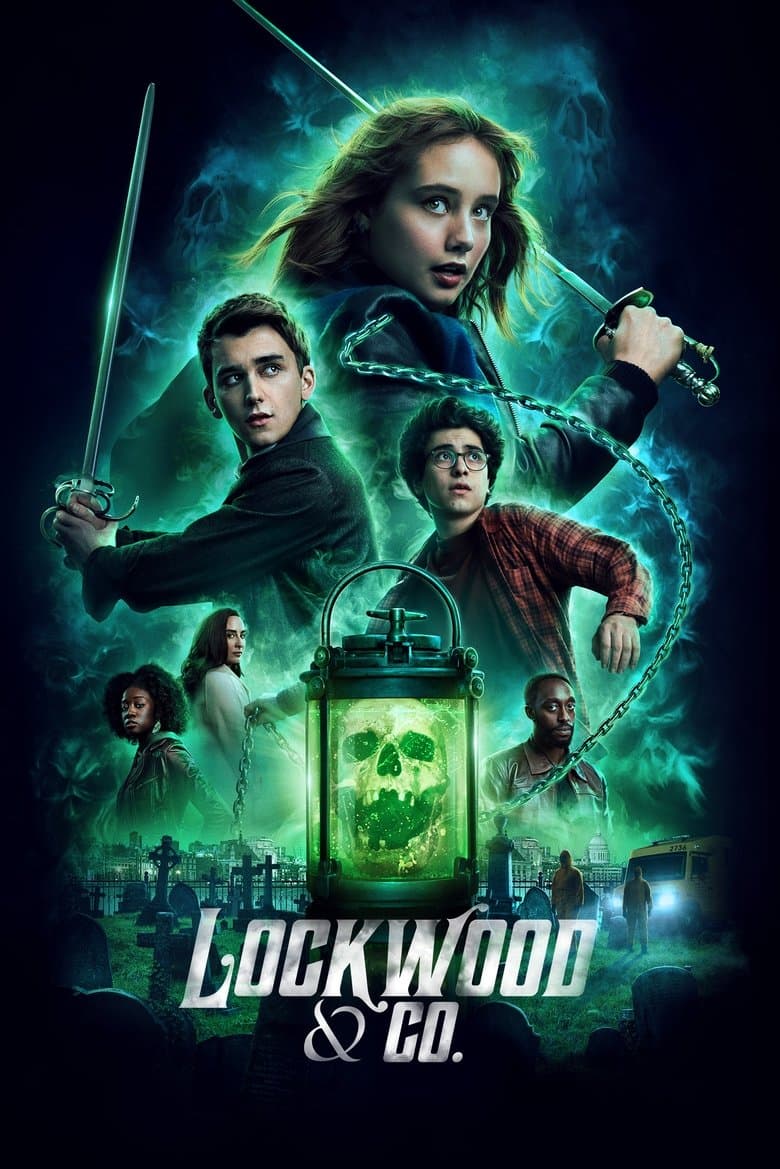
TV Show · 2023
A girl with extraordinary psychic abilities joins two gifted teen boys at a small ghost-hunting agency to fight the many deadly spirits haunting London.
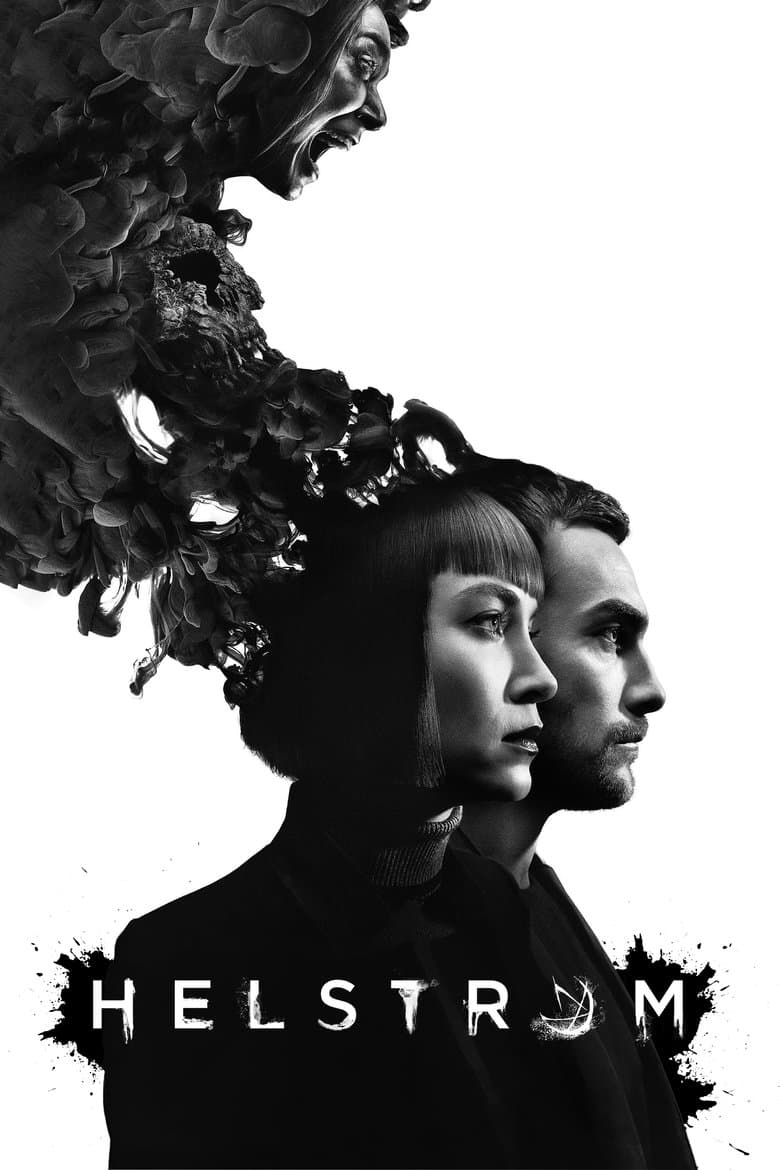
TV Show · 2020
Daimon and Ana Helstrom are the son and daughter of a mysterious and powerful serial killer. The siblings have a complicated dynamic as they track down the terrorizing worst of…

TV Show · 2022
A powerful sorceress in a blind woman's body encounters a man from a prestigious family, who wants her help to change his destiny.
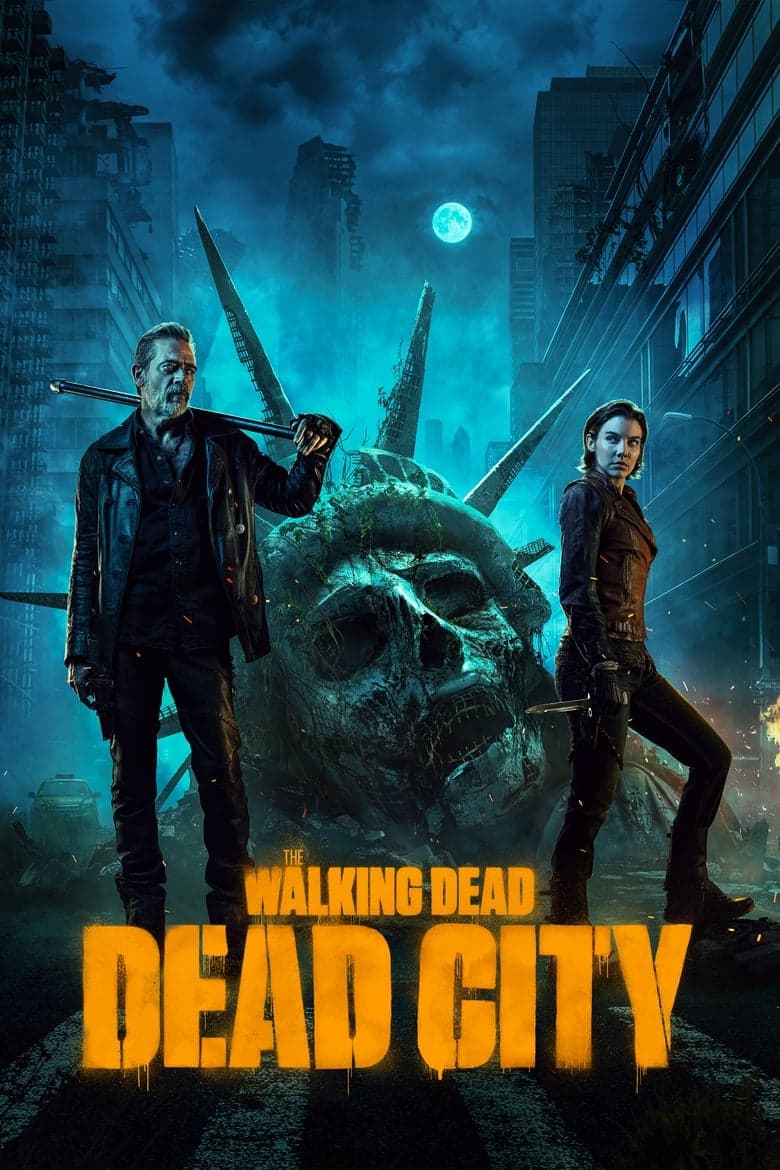
TV Show · 2023
Maggie and Negan travel to post-apocalyptic Manhattan - long ago cut off from the mainland. The crumbling city is filled with the dead and denizens who have made it a world full…
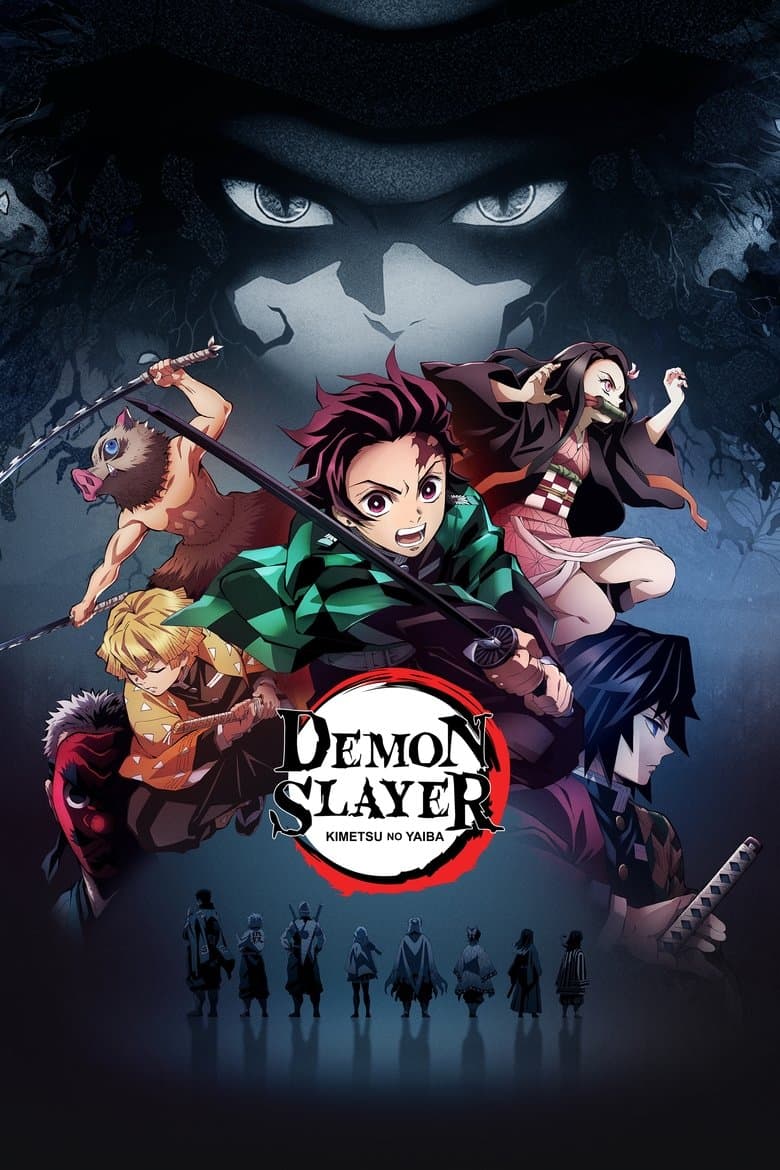
TV Show · 2019
After a demon attack leaves his family slain and his sister cursed, Tanjiro embarks upon a perilous journey to find a cure and avenge those he's lost.
