TV Show review
Kids · Sci-Fi · Fantasy · Animation · Comedy · Action · Adventure · Family
Started December 7, 2019 · Ended · Based on 1 season, 20 episodes through March 27, 2020 · TV-PG · 11 min
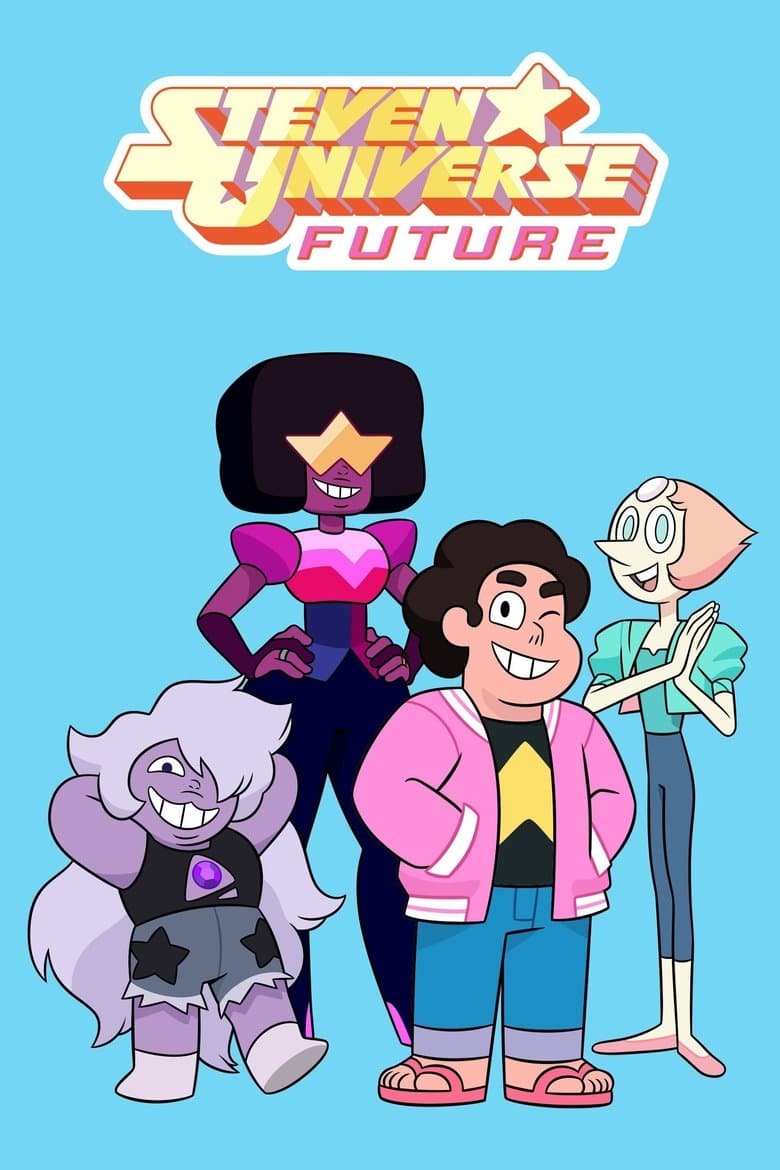
Steven Universe Future is a twenty-episode limited epilogue series set after the events of the original animated show. The story follows Steven, a teenage half-human, half-alien Gem hero, as he tries to find his place in a peaceful universe that no longer needs saving. While living in Beach City, Steven struggles with growing up, his friends moving on, and deep emotional trauma from his past battles. The tone is emotional and introspective, focusing on mental health, therapy, and healing. The series prominently features strong woke elements, including explicit LGBTQ+ representation, same-sex relationships, and non-binary characters. Viewers will easily notice Sadie's new relationship with Shep, a human character who is explicitly non-binary and uses they/them pronouns. The show also challenges traditional gender norms, portraying Steven as an emotional young man who rejects classic masculine ideals of strength to deal with his feelings.
Community feedback
Was our 96% Woke rating accurate?
Breakdown
These are the editorial factors and ratings behind our score for Steven Universe Future.
Woke representation / casting
The series features a highly visible push for progressive representation. This includes same-sex romantic relationships among the Gems and the introduction of Shep, a human character who is explicitly non-binary and uses they/them pronouns. Shep is voiced by Indya Moore, a prominent transgender and non-binary actor. The show also features the non-binary, intersex fusion character Stevonnie. This front-and-center queer and gender-diverse casting is a major priority for the production.
85%
Woke political dialogue
Dialogue in the series regularly incorporates progressive terms and modern gender identity signaling. Characters casually refer to Shep and Stevonnie using they/them pronouns without any in-universe explanation, normalizing these terms for young audiences. There is a strong focus on emotional validation, therapy language, and open talks about non-traditional relationships, reflecting modern social ideas rather than classic cartoon writing.
70%
Identity-driven story themes
The show's narrative is heavily centered on identity, self-discovery, and queer themes. It explores the complexities of growing up through a progressive lens, treating gender fluidity and same-sex romance as natural and positive. Steven's personal journey focuses on rejecting standard heroic expectations, emphasizing that emotional vulnerability and therapy are the only ways to solve personal trauma.
85%
Western institutional / cultural critique
The show actively critiques traditional social norms, particularly the nuclear family and traditional masculinity. Steven is raised in a non-traditional household by maternal alien figures and his father. Classic male hero tropes, such as physical strength, hiding emotions, and physical dominance, are framed as deeply unhealthy traits that cause Steven's mental breakdown and turn him into a monster.
65%
Woke character or canon changes
As an epilogue, the show makes notable changes to long-standing character dynamics to prioritize progressive representation. Most notably, the series breaks up the popular relationship between Lars and Sadie. Sadie is instead paired with Shep, a newly introduced non-binary character. Many fans felt this sudden shift discarded years of story build-up to insert a quick representation milestone.
65%
Anti-woke backlash and complaints
The show faced backlash from conservative groups and parents who argued that it pushed a political agenda about gender and sexuality on children. Additionally, there was significant online friction from fans who complained that the introduction of a non-binary character was used to quickly dismantle a classic straight relationship for the sake of diversity points.
60%
Creator track record context
The creative team is led by Rebecca Sugar, a highly influential non-binary, bisexual creator who has publicly fought to put LGBTQ+ content in children's television. She is supported by a casting director and several writers with strong activist backgrounds and a proven history of prioritizing queer and identity-driven themes in their animated projects.
80%
Production
TV Show · 2022
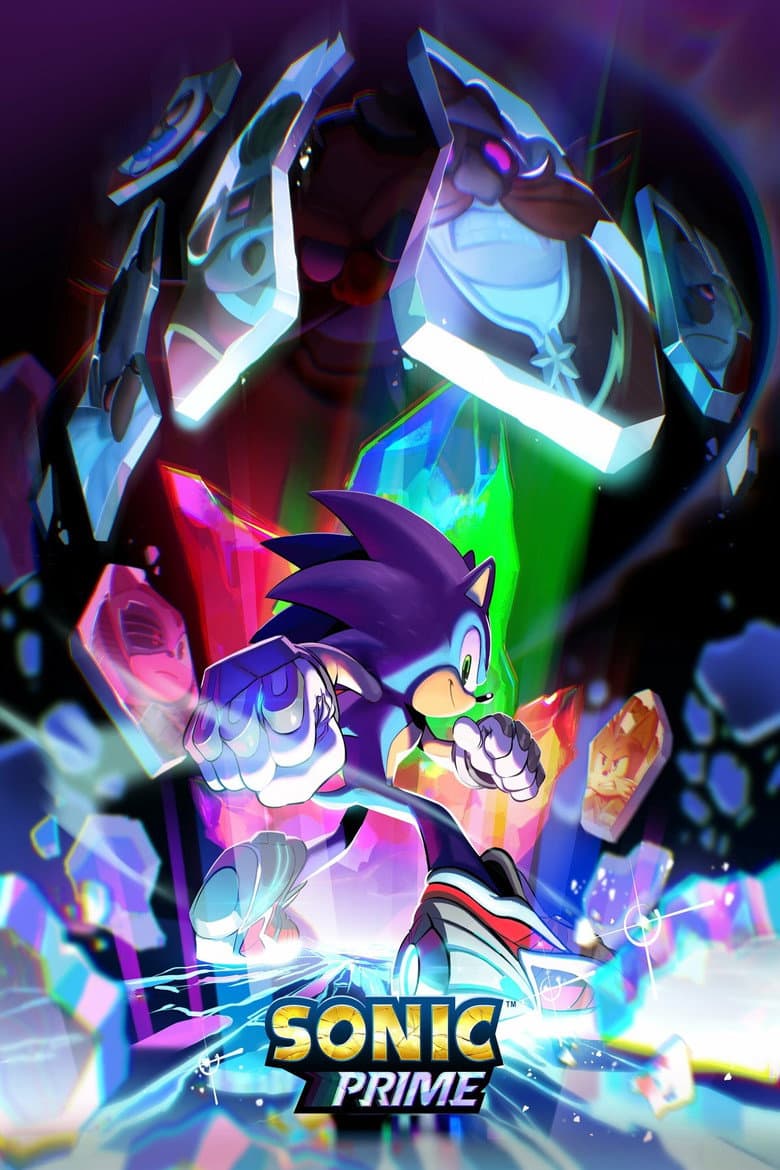
When an explosive battle with Dr. Eggman shatters the universe, Sonic races through parallel dimensions to reconnect with his friends and save the world.
TV Show · 2018
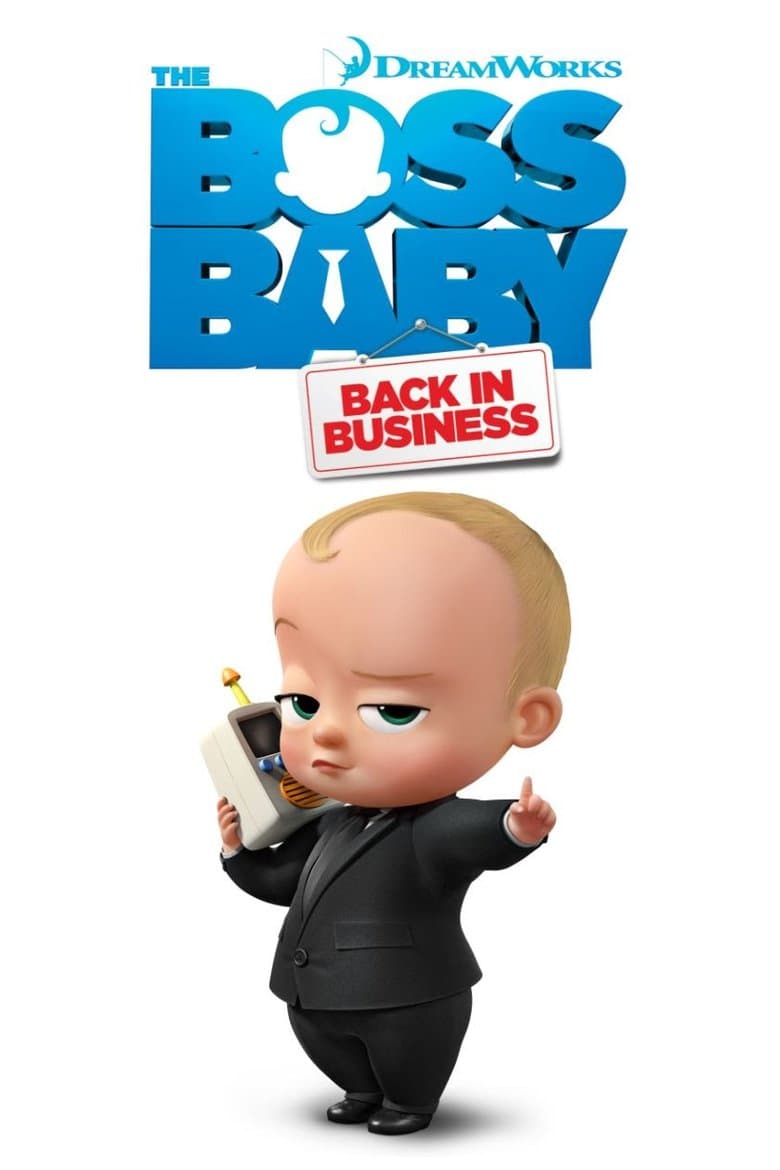
The Boss Baby brings his big brother Tim to the office to teach him the art of business in this animated series sprung from the hit film.
TV Show · 2016
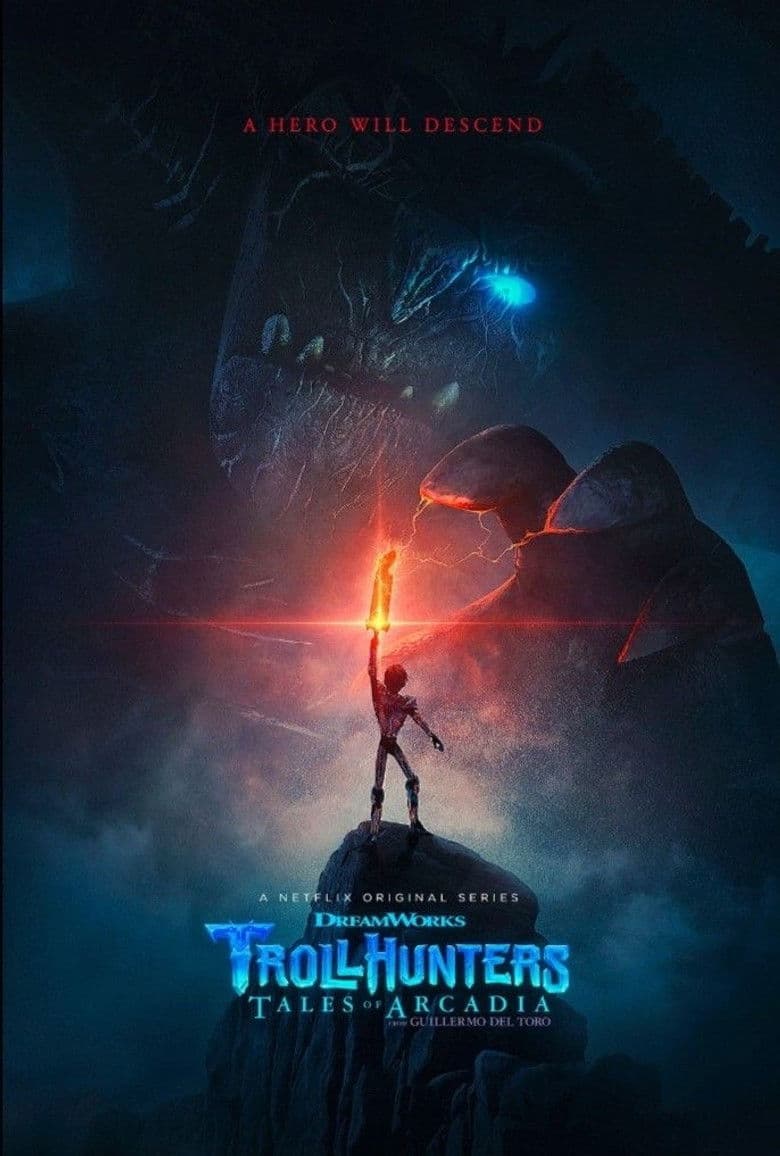
After uncovering a mysterious amulet, an average teen assumes an unlikely destiny and sets out to save two worlds.
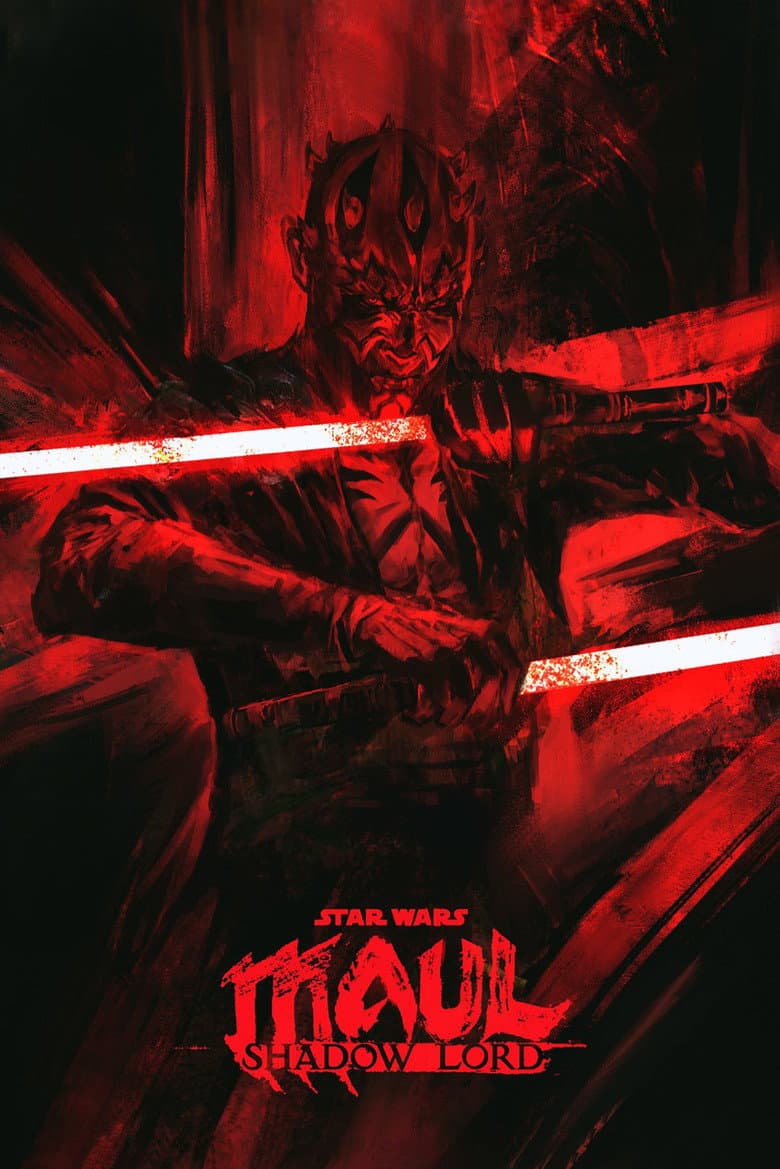
TV Show · 2026
After the Clone Wars, Maul plots to rebuild his criminal syndicate on a planet untouched by the Empire.
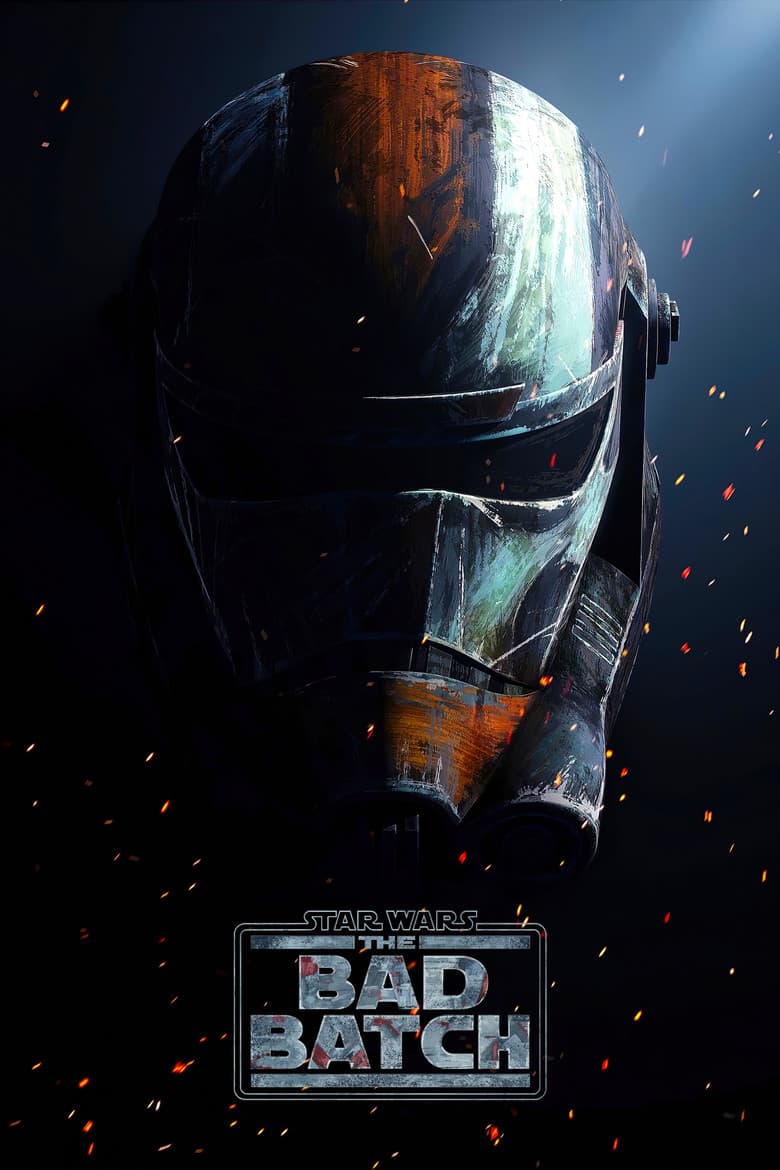
TV Show · 2021
The 'Bad Batch' of elite and experimental clones make their way through an ever-changing galaxy in the immediate aftermath of the Clone Wars.
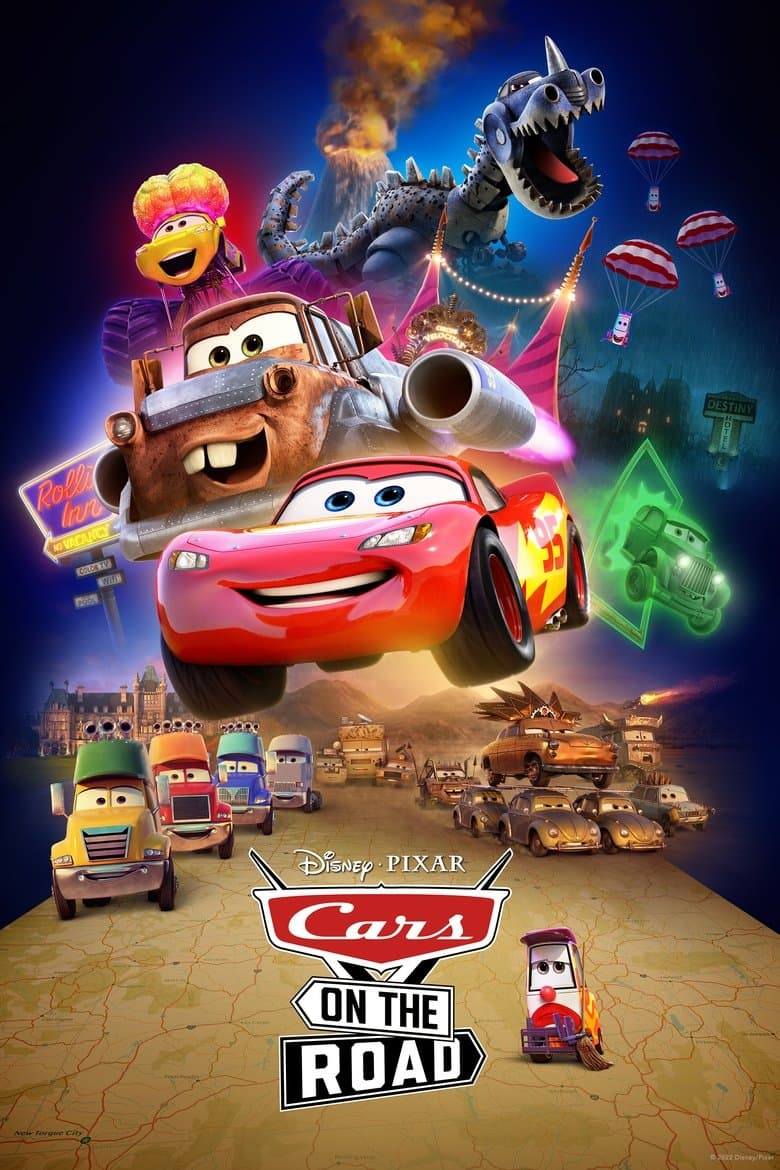
TV Show · 2022
Lightning McQueen and his best friend Mater head east from Radiator Springs on a cross-country road trip to meet up with Mater’s sister.
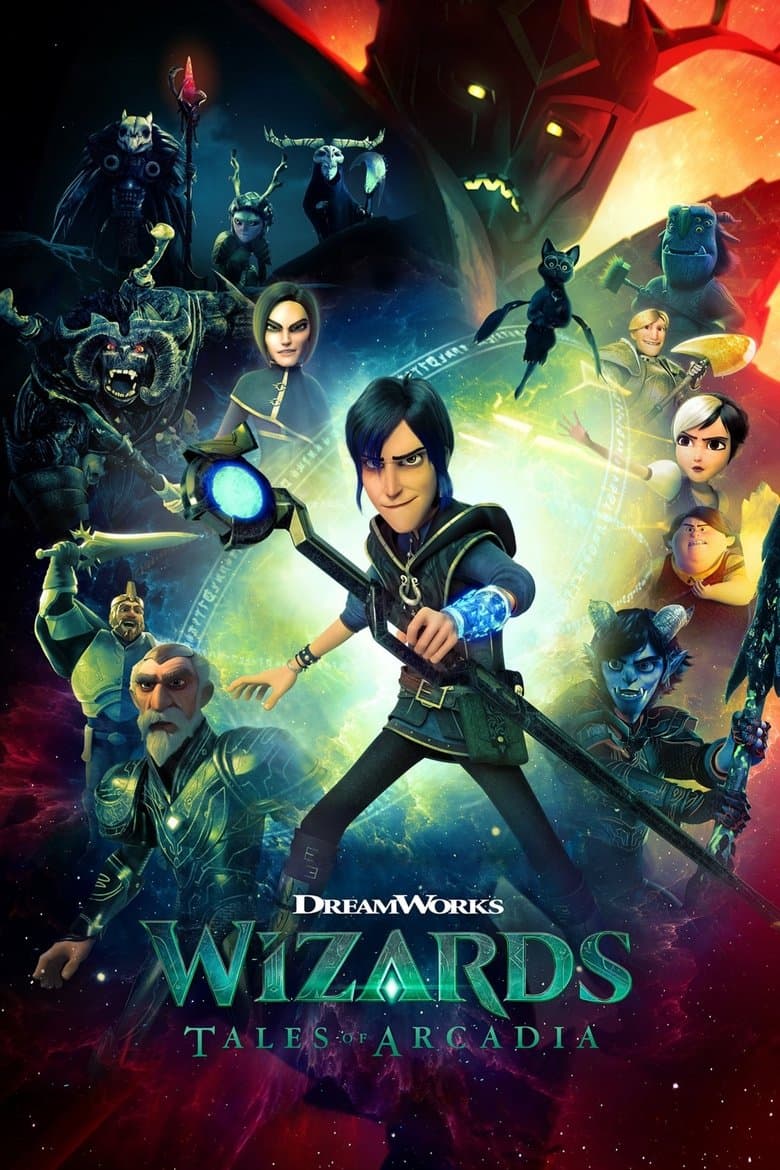
TV Show · 2020
Merlin’s apprentice joins Arcadia’s heroes on a time-bending adventure in Camelot, where conflict is brewing between the human, troll and magical worlds.
TV Show · 2021
Frozen’s beloved snowman retelling several classic Disney tales as only he can.
