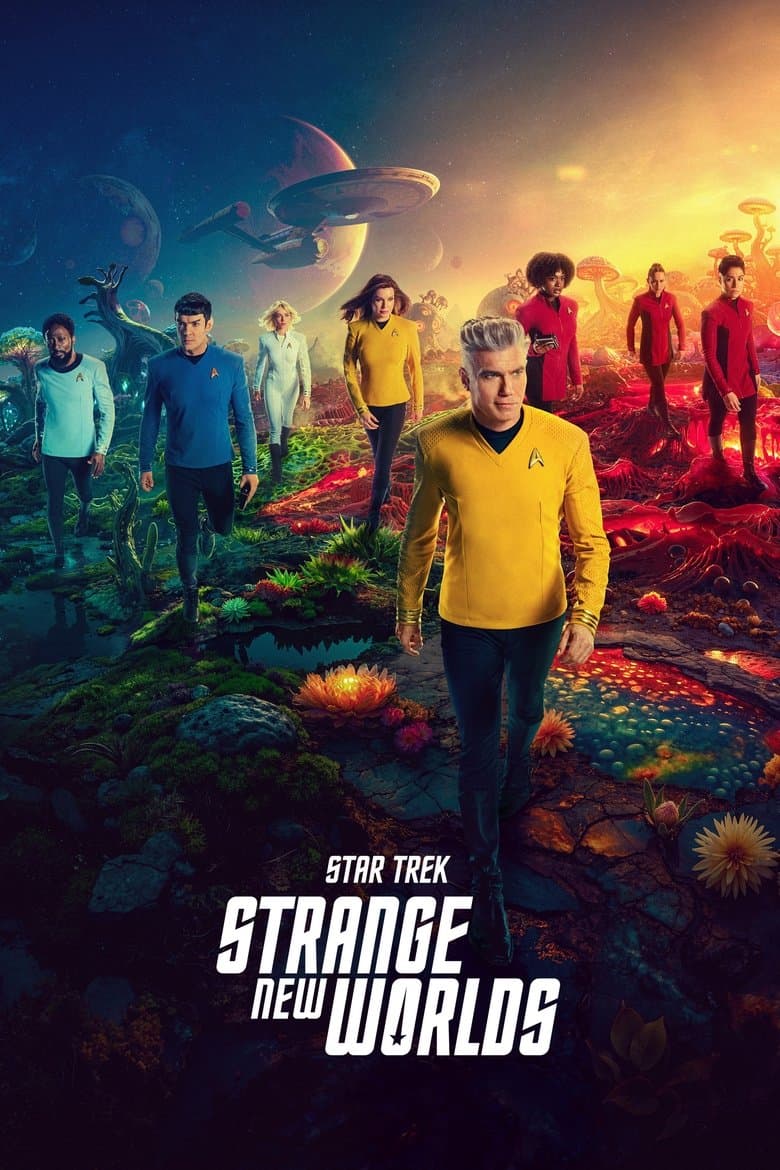
Started May 5, 2022 · Returning Series · Based on 3 seasons, 30 episodes through September 11, 2025 · TV-PG
Star Trek: Strange New Worlds follows Captain Christopher Pike, Spock, and Number One aboard the USS Enterprise as they explore new worlds and face moral dilemmas in the decade before Captain Kirk takes command. The series uses an episodic format with optimistic adventures, character arcs, and ethical debates. Audience-visible elements include a diverse main cast with multiple prominent female officers in leadership and combat roles, multiple episodes centered on characters' struggles with genetic or ancestral identity and prejudice, and a direct reference in the series premiere to the January 6, 2021 Capitol events as a step toward global catastrophe and fascism.
Community feedback
Was our 76% Woke rating accurate?
Breakdown
These are the editorial factors and ratings behind our score for Star Trek: Strange New Worlds.
Woke representation / casting
Diverse ensemble with several prominent female officers in command and action roles plus varied ethnic backgrounds; creators highlighted modern updates and strong representation; fits futuristic setting but draws repeated audience complaints about emphasis.
57%
Woke political dialogue
Premiere directly inserts and negatively frames January 6, 2021 events as leading to fascism and world war; episodes include moral debates on prejudice, war ethics, and institutional rules presented with contemporary sensibility.
48%
Identity-driven story themes
Multiple episodes center characters’ personal and cultural identity struggles, including genetic heritage (Una), ancestral prejudice (La’An as Khan descendant), and cultural duality (Spock); these form recurring character arcs across seasons.
52%
Western institutional / cultural critique
Critiques Starfleet’s rigid laws and humanity’s history of conflict (including recent political events); portrays collaborative, empathetic leadership over traditional assertive styles; questions prejudice and war but ultimately affirms core utopian Starfleet values.
38%
Woke character or canon changes
Minor modernizations such as Christine Chapel shown as more independent and career-focused; Pike depicted with contemporary empathetic sensibility; no major identity-driven retcons or swaps of established canon characters.
22%
Anti-woke backlash and complaints
Consistent user reviews and online discussions criticize diverse casting as forced, strong female characters as misandrist or “girlboss,” Pike as weak, and the January 6 reference as cringe political agenda; backlash is vocal in fan spaces but not dominant in overall reception.
52%
Creator track record context
Key creatives include Alex Kurtzman’s repeated public emphasis on diversity as essential, Jenny Lumet’s civil rights family focus, Beau DeMayo’s identity-driven approach, and Henry Alonso Myers’ defense of inclusion against critics; balanced by lower-scoring traditional voices like Akiva Goldsman.
43%
Production
TV Show · 2025
Two outlaws must navigate the galaxy's dangerous underworld as they chart their destinies.
TV Show · 2021
The 'Bad Batch' of elite and experimental clones make their way through an ever-changing galaxy in the immediate aftermath of the Clone Wars.
TV Show · 2022
Journey into the lives of two distinctly different Jedi from the prequel era – Ahsoka Tano and Count Dooku. Each will be put to the test as they make choices that will define…
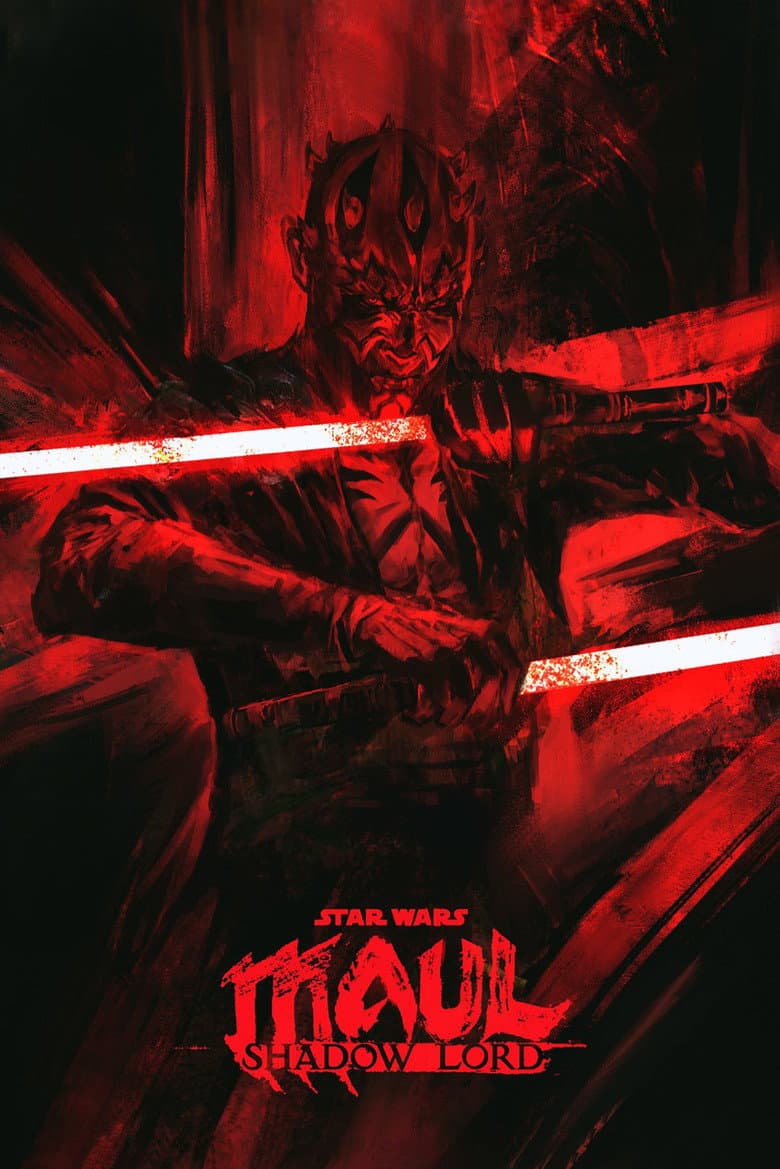
TV Show · 2026
After the Clone Wars, Maul plots to rebuild his criminal syndicate on a planet untouched by the Empire.
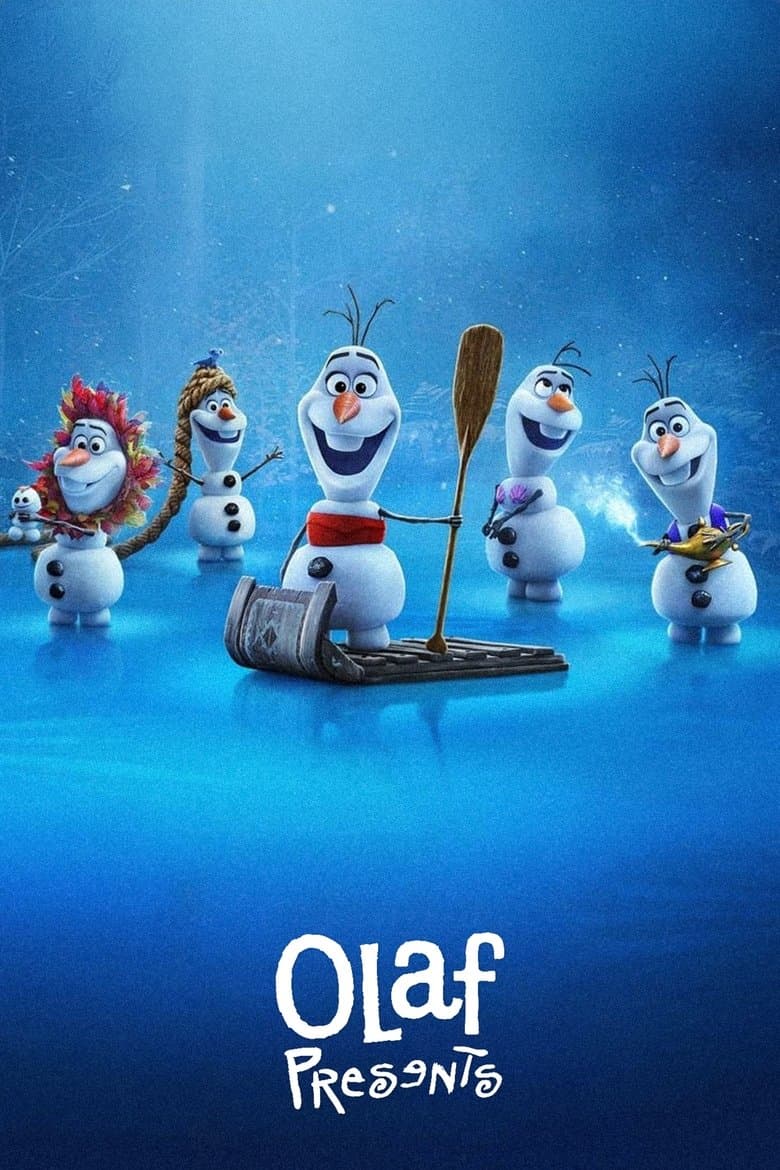
TV Show · 2021
Frozen’s beloved snowman retelling several classic Disney tales as only he can.
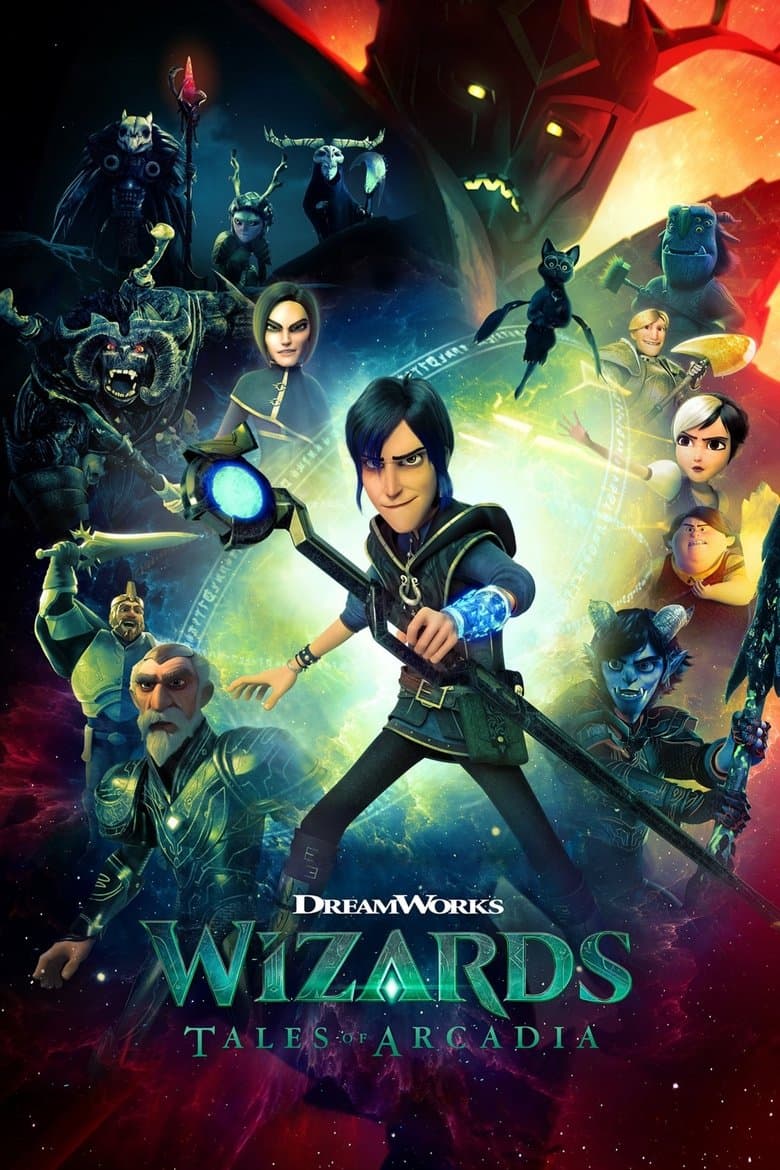
TV Show · 2020
Merlin’s apprentice joins Arcadia’s heroes on a time-bending adventure in Camelot, where conflict is brewing between the human, troll and magical worlds.
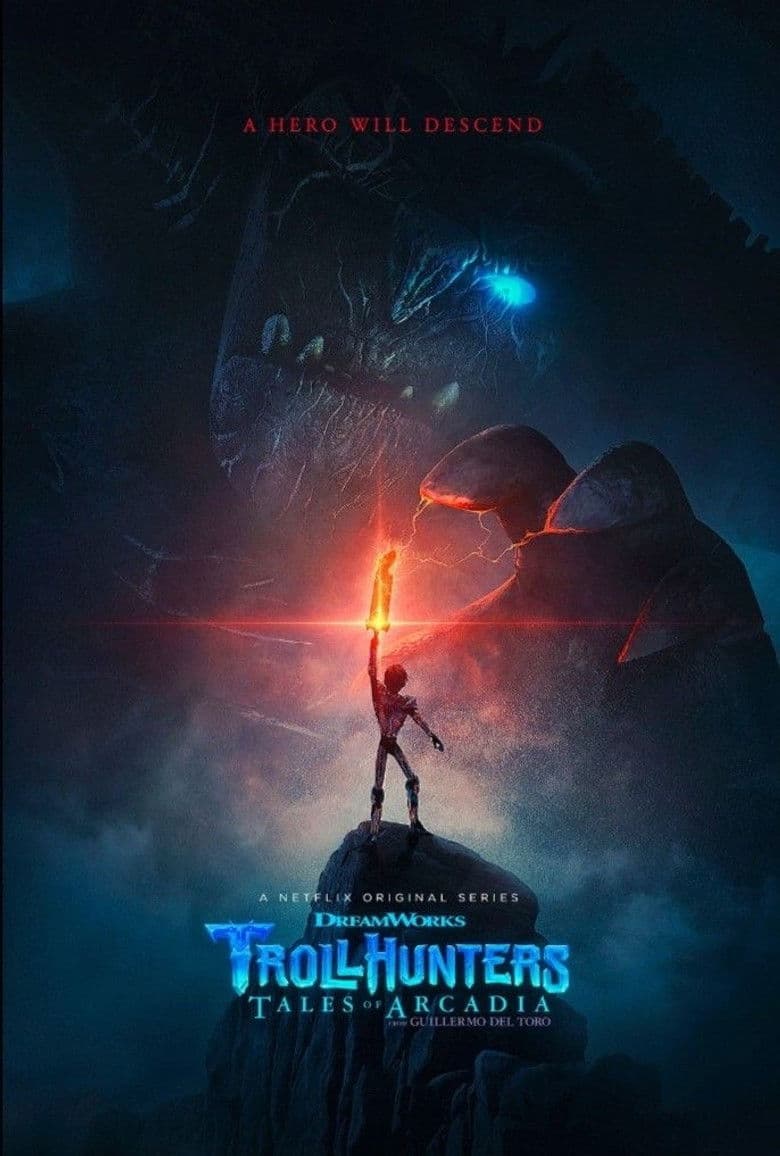
TV Show · 2016
After uncovering a mysterious amulet, an average teen assumes an unlikely destiny and sets out to save two worlds.
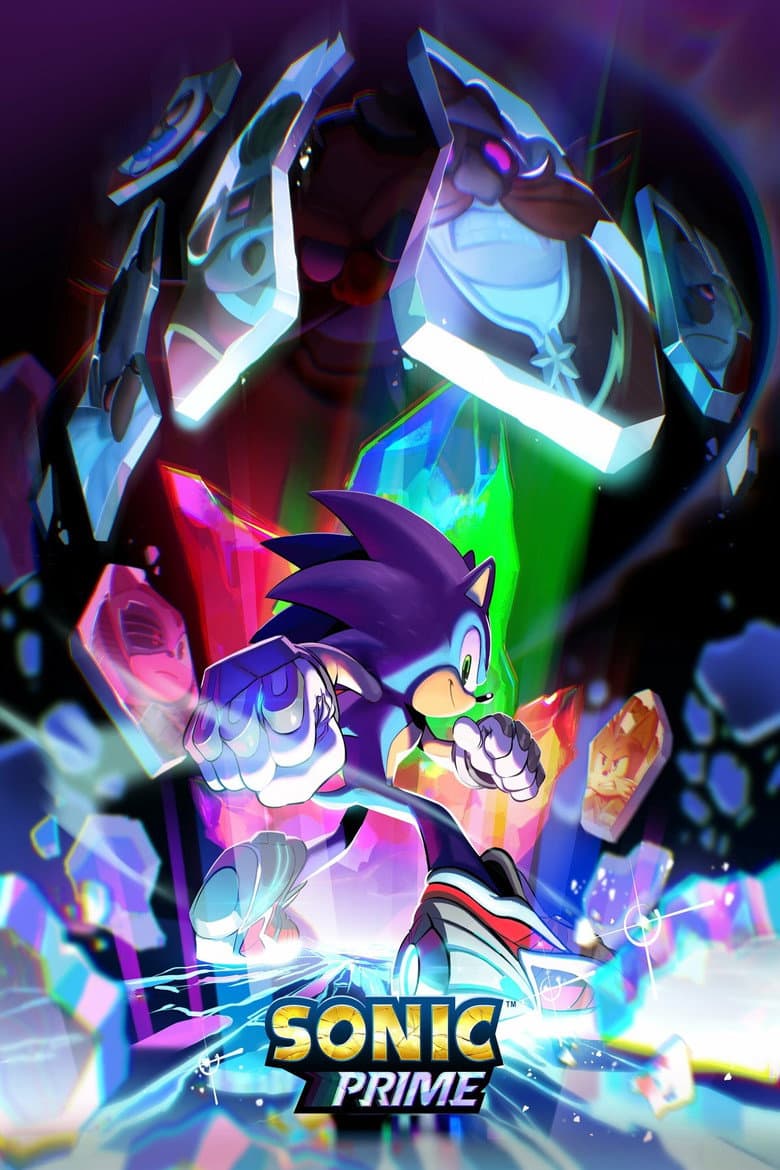
TV Show · 2022
When an explosive battle with Dr. Eggman shatters the universe, Sonic races through parallel dimensions to reconnect with his friends and save the world.
