Started January 15, 2026 · Returning Series · Based on 1 season, 10 episodes through March 12, 2026 · TV-14
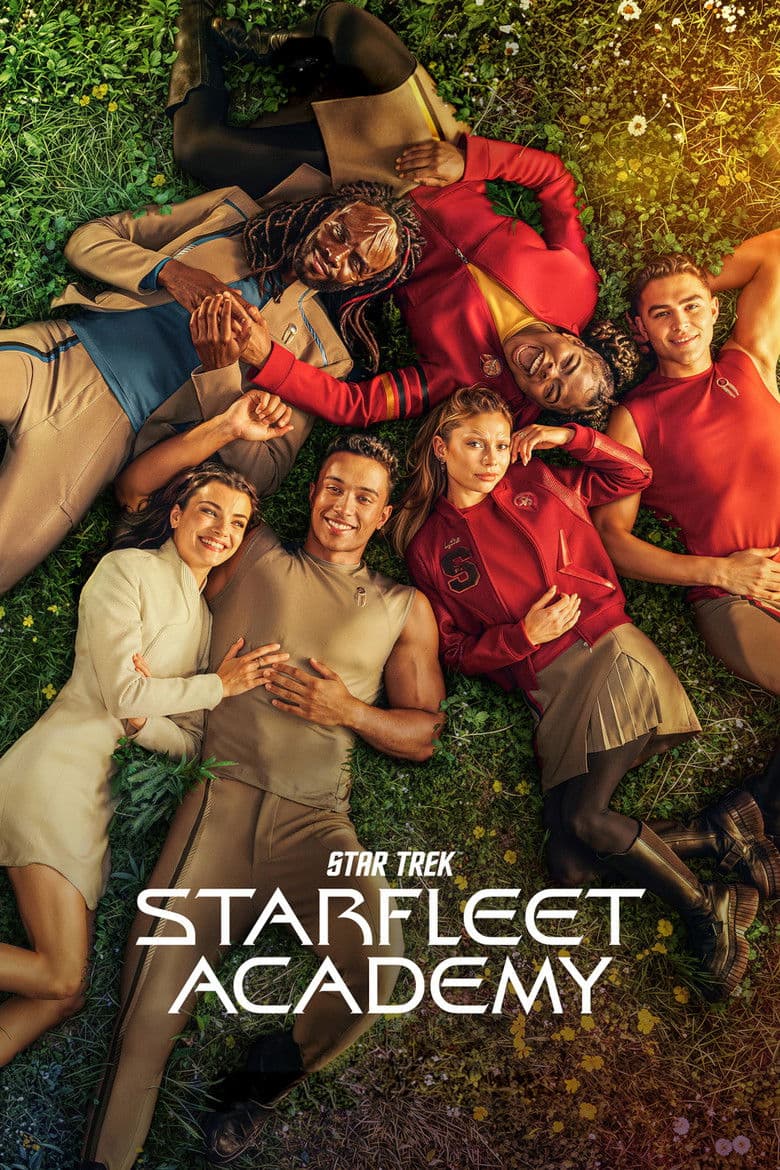
Star Trek: Starfleet Academy is a Paramount+ series set in the 32nd century that follows young cadets training at the reopened Starfleet Academy after a galaxy-wide catastrophe weakened the Federation. It blends coming-of-age teen drama about friendships, rivalries, first loves, and personal growth with classic Trek themes of hope, empathy, and rebuilding ideals. The show features a visibly diverse young cast in lead roles, including the first openly gay Klingon cadet and a sentient holographic cadet, with marketing and creator statements emphasizing "infinite diversity in infinite combinations" and reflecting contemporary audiences. A same-sex relationship among instructors and Pride collection placement make the identity focus audience-visible.
Community feedback
Was our 87% Woke rating accurate?
Breakdown
These are the editorial factors and ratings behind our score for Star Trek: Starfleet Academy.
Woke representation / casting
Prominent cadet roles filled by visibly diverse young actors of color, including black actor Karim Diané as the first openly gay Klingon in a lead position with heritage arc, Kerrice Brooks as the marketed "first" holographic cadet, and multiple other actors of color in key ensemble parts. Holly Hunter leads as female chancellor. Strong female presence in command and cadet tracks. Marketing stressed "firsts," multi-heritage, and queer-identifying characters as reflecting the real world. Confirmed queer elements receive elevated weight.
88%
Woke political dialogue
Occasional therapeutic dialogue around identity, rejecting cultural expectations, belonging, and empathy as solutions. Jay-Den arc includes rejection of "toxic" warrior heritage. Not heavy explicit modern activist speeches in available recaps. Blends with classic Trek ethical dilemmas and YA emotional beats.
35%
Identity-driven story themes
Multiple arcs center personal identity versus heritage (Klingon pacifist rejecting traditional norms), artificial life personhood and acceptance (holographic Sam), and the idea that embracing differences rebuilds society after crisis. Marketed explicitly around diversity and contemporary relevance.
52%
Western institutional / cultural critique
The Burn is shown causing the Federation to abandon exploration for militarism and fear. The series advocates returning to diplomacy, hope, empathy, and inclusion as the path forward. Classic Trek institutional idealism rather than modern activist framing of capitalism, patriarchy, or colonial guilt.
38%
Woke character or canon changes
Not relevant. This is a new series set in an established future timeline. Legacy cameos from prior Trek series appear without reported ideological reinterpretation or identity-driven alterations to canon characters.
0%
Anti-woke backlash and complaints
High-profile conservative criticism from figures including Elon Musk and Stephen Miller. Fox News and online accounts labeled it "woke" over casting, the gay Klingon character, same-sex romance, and Gen Z tone. Review bombing depressed audience scores despite strong critic reviews. Creators' cancellation letter directly addressed and rebutted the "woke" framing by reaffirming inclusion.
72%
Creator track record context
Alex Kurtzman has repeatedly positioned modern Star Trek as a platform for diversity and reflecting current social divisions. Gene Roddenberry emphasized classical humanist equality and tolerance without modern identity-politics framing. Supporting producers and writers show a pattern of inclusive, representation-focused work, including EP Jenny Lumet's explicit advocacy for women of color and diverse voices.
51%
Production
TV Show · 2024
In a world plagued by creatures known as Kaiju, Kafka Hibino aspired to enlist in The Defense Force. He makes a promise to enlist with his childhood friend, Mina Ashiro.
TV Show · 2021
Legendary bounty hunter Boba Fett and mercenary Fennec Shand must navigate the galaxy’s underworld when they return to the sands of Tatooine to stake their claim on the territory…
TV Show · 2023
A girl with extraordinary psychic abilities joins two gifted teen boys at a small ghost-hunting agency to fight the many deadly spirits haunting London.
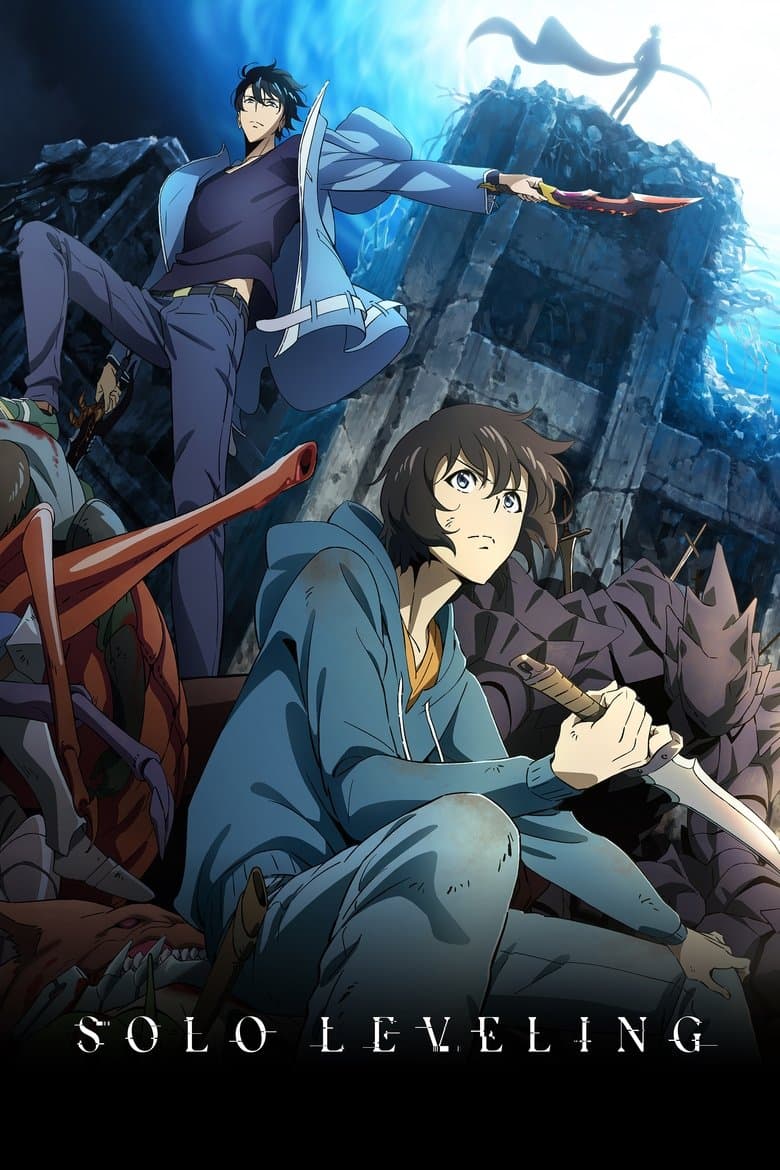
TV Show · 2024
They say whatever doesn’t kill you makes you stronger, but that’s not the case for the world’s weakest hunter Sung Jinwoo.
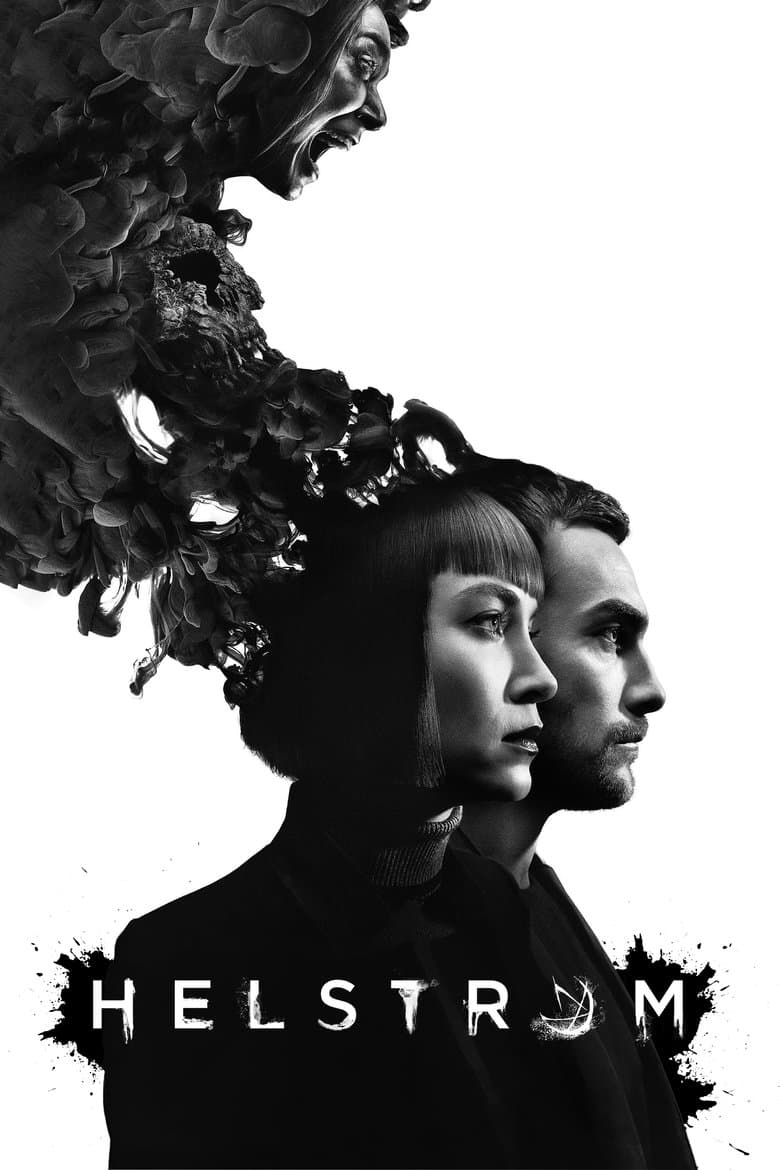
TV Show · 2020
Daimon and Ana Helstrom are the son and daughter of a mysterious and powerful serial killer. The siblings have a complicated dynamic as they track down the terrorizing worst of…
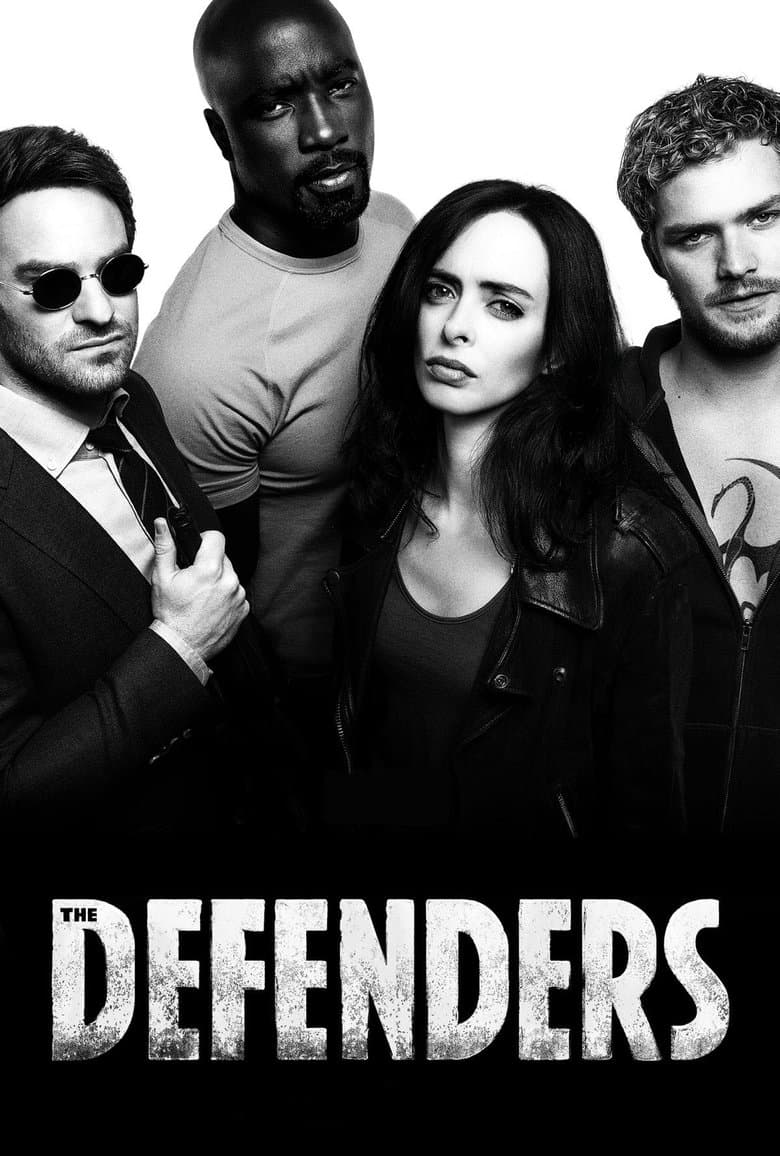
TV Show · 2017
Daredevil, Jessica Jones, Luke Cage and Iron Fist join forces to take on common enemies as a sinister conspiracy threatens New York City.
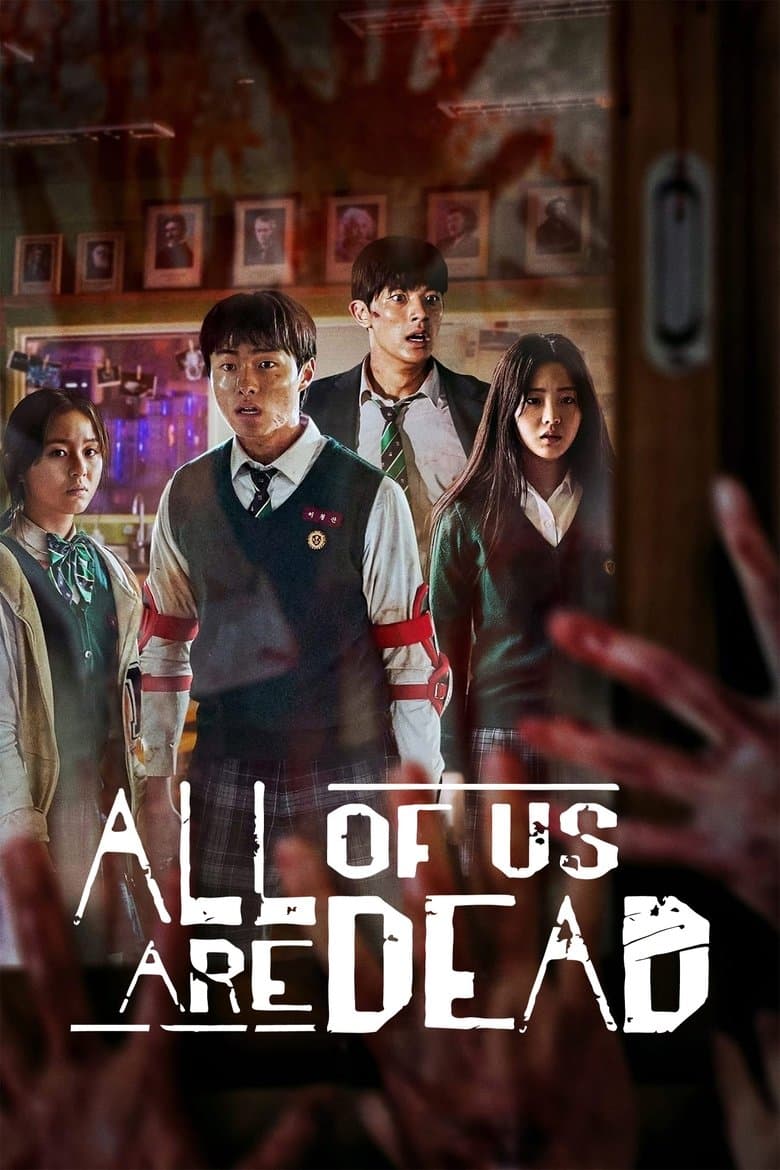
TV Show · 2022
A high school becomes ground zero for a zombie virus outbreak. Trapped students must fight their way out — or turn into one of the rabid infected.
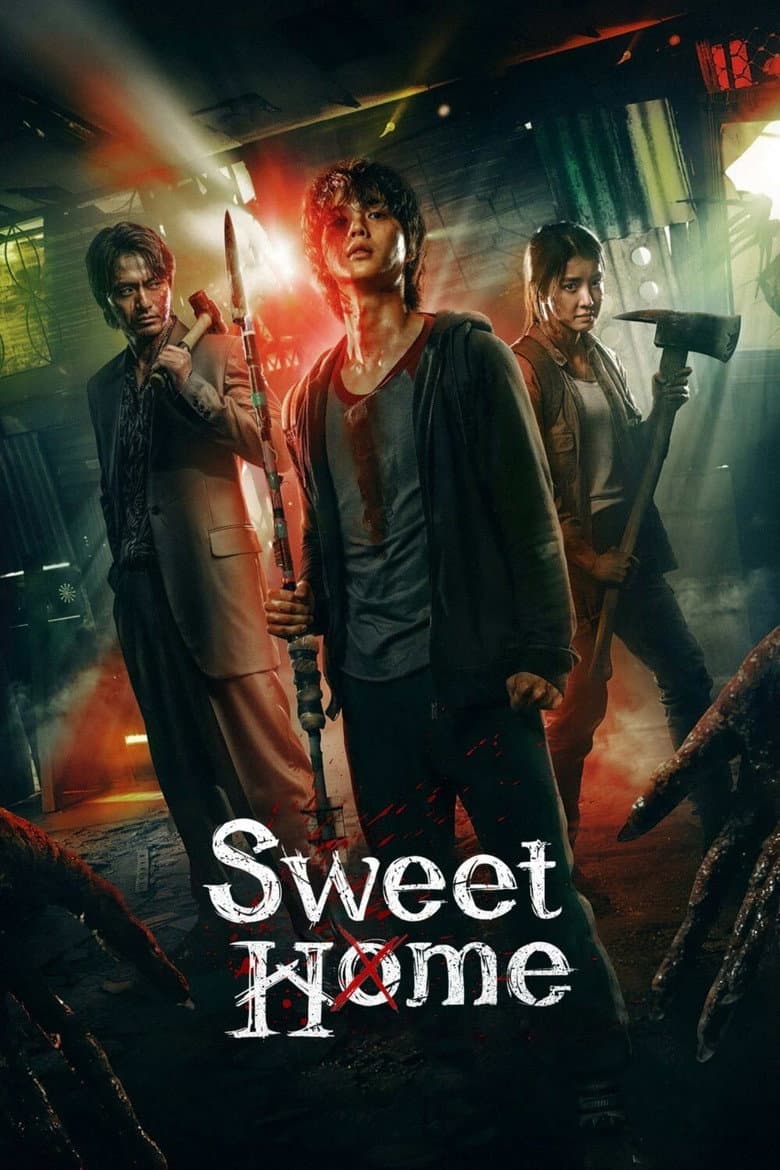
TV Show · 2020
As humans turn into savage monsters and the world plunges into terror, a handful of survivors fight for their lives — and to hold on to their humanity.
