Based on 2 seasons, 19 episodes · through November 19, 2025
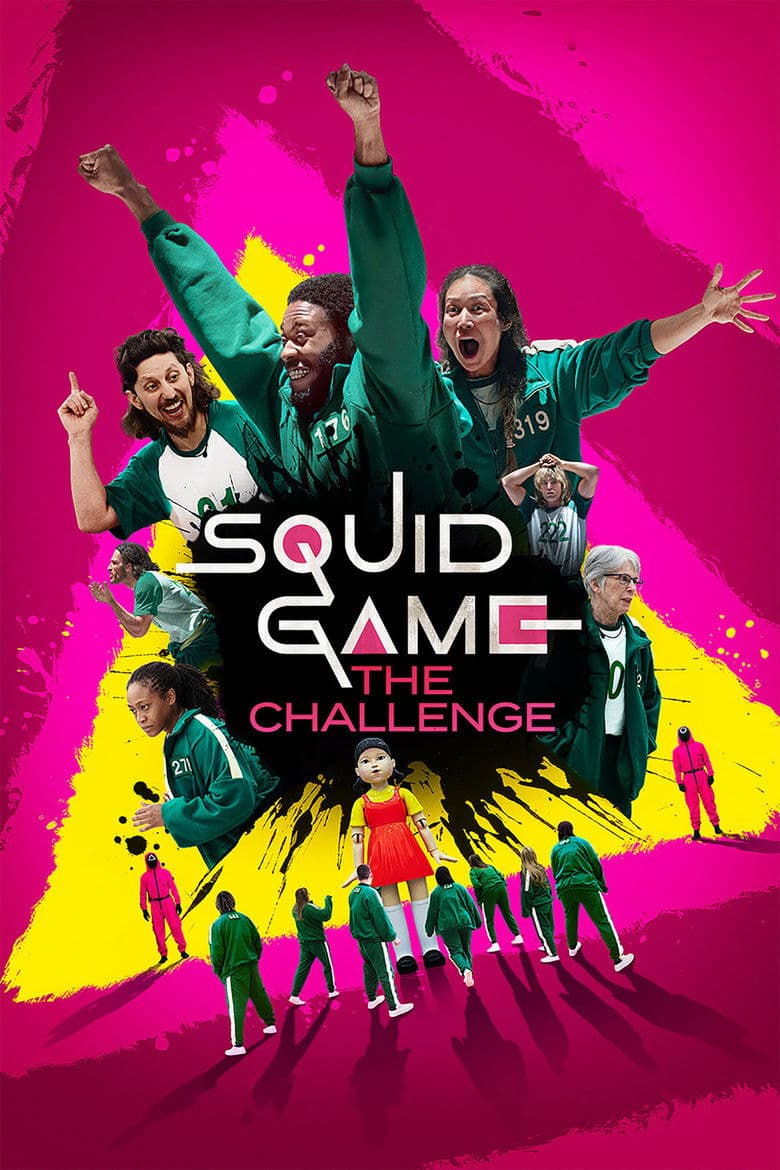
Squid Game: The Challenge is a reality competition show where 456 players compete for a huge cash prize of 4.56 million dollars. The contestants play children's games on giant, colorful sets that look exactly like the ones in the famous Korean drama. Players are eliminated one by one when they fail, but they do not actually die like in the original fiction show. The tone is tense and dramatic as people make alliances and betray each other to survive. Viewers will easily notice a strong emphasis on diverse casting and identity politics. In the first season, players form an explicit alliance called girls, gays, and theys to target straight male competitors. Many confessionals focus on personal struggles with coming out and family rejection. The second season also heavily highlights marginalized groups, with a Black lesbian detective reaching the final five and a woman of color winning the grand prize.
Breakdown
These are the editorial factors and ratings behind our score for Squid Game: The Challenge.
Woke representation / casting
The show features strong audience-visible representation. Season 1's finalists include Sam (gay) and Phill (genderfluid), while Season 2 highlights Dajah (a Black lesbian detective) who finishes as runner-up, and Perla (a woman of color) who wins. The show heavily emphasizes their diverse personal backstories, and the editing repeatedly spotlights alliances based on identity. Under the rules, the prominent inclusion of multiple LGBTQ+ contestants adds significant weight.
68%
Woke political dialogue
There are no scripted lectures, but contestants use identity-focused language during confessional interviews. Players explicitly discuss their struggles with representation, coming out, and family rejection. The show also captures activist-adjacent phrases during gameplay, such as the famous declaration that "girls, gays, and theys" need to stick together.
42%
Identity-driven story themes
The show's narrative structure, shaped by editing, heavily highlights solidarity based on identity. A major storyline in Season 1 involves a female and LGBTQ+ alliance formed specifically to eliminate straight male players. Season 2 continues this framing, focusing on marginalized underdogs overcoming structural gameplay disadvantages and building coalitions based on demographic groups.
52%
Western institutional / cultural critique
While the original series was a systemic critique of capitalism, this reality show celebrates the pursuit of wealth. However, the edit occasionally leans into critiques of traditional gender roles and toxic masculinity, often framing aggressive male players as antagonists while celebrating cooperative, diverse alliances as morally superior.
32%
Woke character or canon changes
Not relevant
0%
Anti-woke backlash and complaints
The show faced noticeable backlash from viewers who criticized the prominent identity-driven alliances. Online critics and Reddit threads accused the show of pushing a "DEI checklist" or being "Woke Game." Some viewers complained about "toxic femininity" during Season 1's female alliances, and others accused the producers of staging challenges to favor specific diverse demographics.
58%
Creator track record context
The creator of the original IP, Hwang Dong-hyuk, has a woke score of 70/100 due to his heavy focus on social and capitalist critiques. However, the unscripted reality series is run by executive producers Tim Harcourt, Toni Ireland, Stephen Lambert, Nicola Brown, John Hay, and Nicola Hill, all of whom have a cached woke score of 0/100 with no record of activist-driven work.
25%
Production
