
Started December 5, 2025 · Canceled · Based on 1 season, 10 episodes through February 6, 2026 · TV-MA
Spartacus: House of Ashur is a 2025 Starz series and alternate-history spin-off of the original Spartacus. Ashur survives the events of the prior show, kills Spartacus, and receives ownership of the ludus he once served in as a slave. He buys a fierce Nubian enslaved woman named Achillia, renames her, and trains her as the ludus's first gladiatrix to stage shocking new arena spectacles that offend Roman elites and help him climb in status as an outsider. The show centers a prominent black female fighter proving herself through brutal combat against men in a "man's world," markets her role as flipping tradition on its head, includes same-sex romance and attraction storylines between house slaves plus a gay male character subplot, and drew clear anti-woke audience complaints focused on the gladiatrix and diversity elements.
Community feedback
Was our 75% Woke rating accurate?
Breakdown
These are the editorial factors and ratings behind our score for Spartacus: House of Ashur.
Woke representation / casting
Prominent central role for black female gladiatrix Achillia (Tenika Davis) as the key new spectacle and fighter proving herself in a man's arena world; heavily marketed as flipping tradition and a disruptive innovation. Ashur (Syrian ex-slave outsider played by fitting-descent actor) drives the rise-to-power story. Actress comments frame it around diversity and untold stories. Clear audience-visible identity emphasis in a major combat/protagonist-adjacent part.
60%
Woke political dialogue
Dialogue touches outsider status, prejudice from Roman elites (class, ethnic, former-slave bias against Ashur and Achillia), power struggles, and earning respect. Mostly embedded in plot and historical Roman attitudes rather than modern-style activist lectures or sermons.
25%
Identity-driven story themes
Ashur as ethnic/class outsider clawing for elite acceptance against snobbish Roman gatekeeping. Central gladiatrix challenges male norms through combat and earns her place; her trauma backstory ties to origins and failure to protect another. Multiple confirmed LGBTQ+ elements (Messia-Hilara romance/attraction between house slaves; Korris gay relationship) add visible identity layers. Boosted per guidelines for queer weighting.
55%
Western institutional / cultural critique
Roman elites portrayed as classist, xenophobic/racist toward non-Romans (Syrians, Numidians viewed as barbaric), corrupt, and status-obsessed; power structures keep outsiders down while Ashur schemes within the system. Set firmly in ancient Rome with historical attitudes; limited explicit reframing into modern identity politics, anti-patriarchy, or current Western critiques.
30%
Woke character or canon changes
New gladiatrix character (Achillia) created and positioned as a groundbreaking "first" spectacle that offends elites and flips arena tradition, with heavy gender/identity emphasis in marketing and story. Historical gladiatrices existed (rarely); alternate timeline rewrites Ashur's fate for protagonist role. Not a swap or ideological rewrite of major established canon figures or real historical events.
25%
Anti-woke backlash and complaints
Trailer sparked widespread social media, YouTube ("cringe black female gladiator," "girl power"), Reddit, and audience review complaints treating the show as pushing woke/DEI via the prominent black female fighter in combat roles against men, "woke garbage," and biology/history objections. RT audience score notably lower (~45%) than critics (91-100%) with explicit "go woke go broke" reviews. Creator, cast, and actress directly addressed the criticism. Strictly anti-woke/identity complaints counted.
65%
Creator track record context
DeKnight (cached low) publicly defends the show and gladiatrix as consistent with the franchise's prior "woke" elements (strong women, LGBTQ, marginalized stories). Writers include higher cached profiles (Ihuoma Ofordire 46/100 on black experiences/racism themes; Beverly Okhio 39/100) plus researched moderate ones (Eliana Pipes on Latinx identity/gentrification work). Gladiatrix choice and marketing align with some creative emphasis on outsider/identity angles. Overall mixed but not dominant activist pattern.
30%
Production
TV Show · 2017
Go deep into the clandestine world of the legendary brotherhood of warrior monks known as The Knights Templar.
TV Show · 2019
An antiquities expert teams up with an art thief to catch a terrorist who funds his attacks using stolen artifacts.
TV Show · 2022
With the aid of unexpected friends, a gifted but introverted student confronts bullies and violent foes — unaware of how dangerous his world will become.
TV Show · 2019
Follow a disillusioned teen recruited into a storied high school for assassins. Maintaining his moral code while surviving a ruthless curriculum, vicious social cliques, and his…
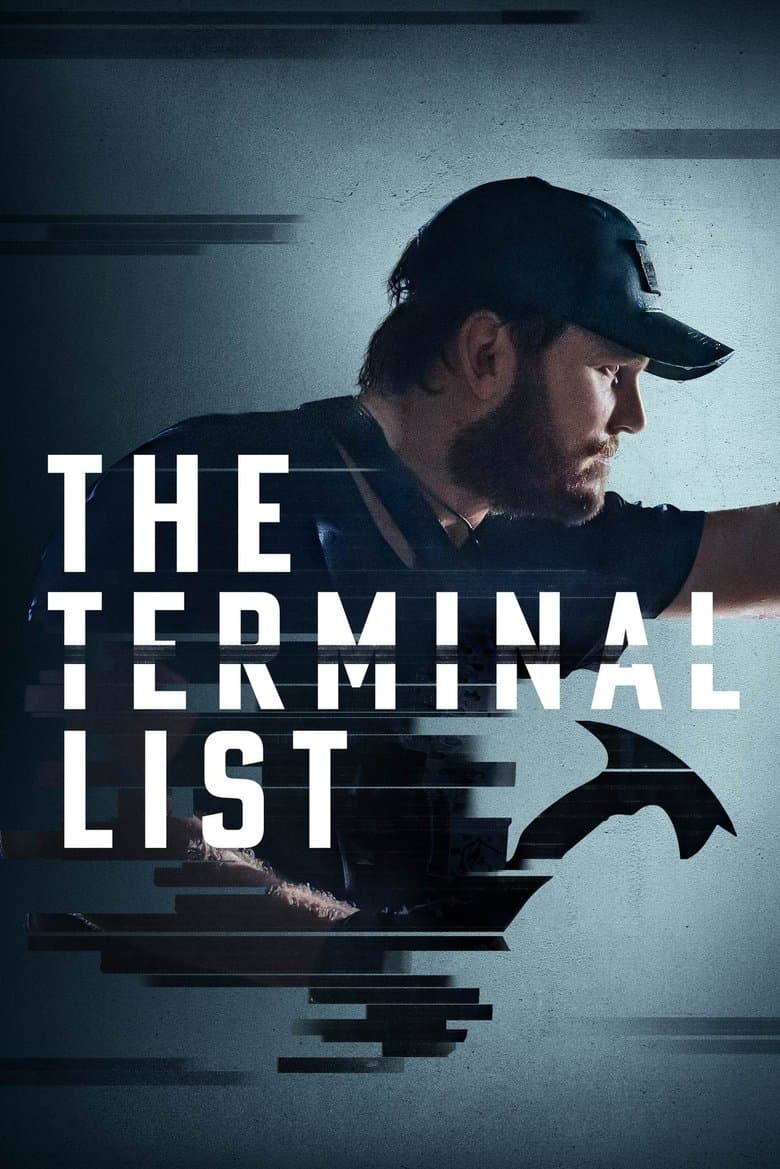
TV Show · 2022
Navy SEAL Commander James Reece turns to vengeance as he investigates the mysterious forces behind the murder of his entire platoon.
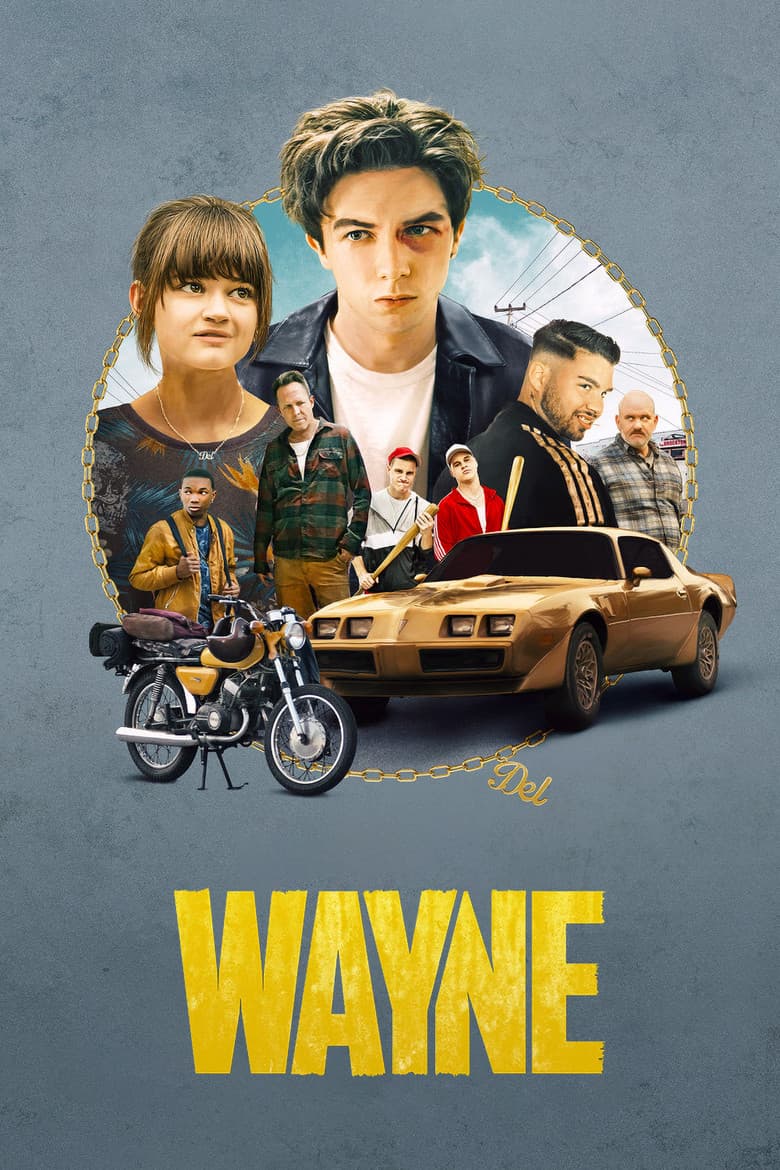
TV Show · 2019
In this gritty and sometimes bloody tale, sixteen year-old Wayne sets out on a dirt bike with his new crush Del to take back the 1978 Pontiac Trans Am that was stolen from his…
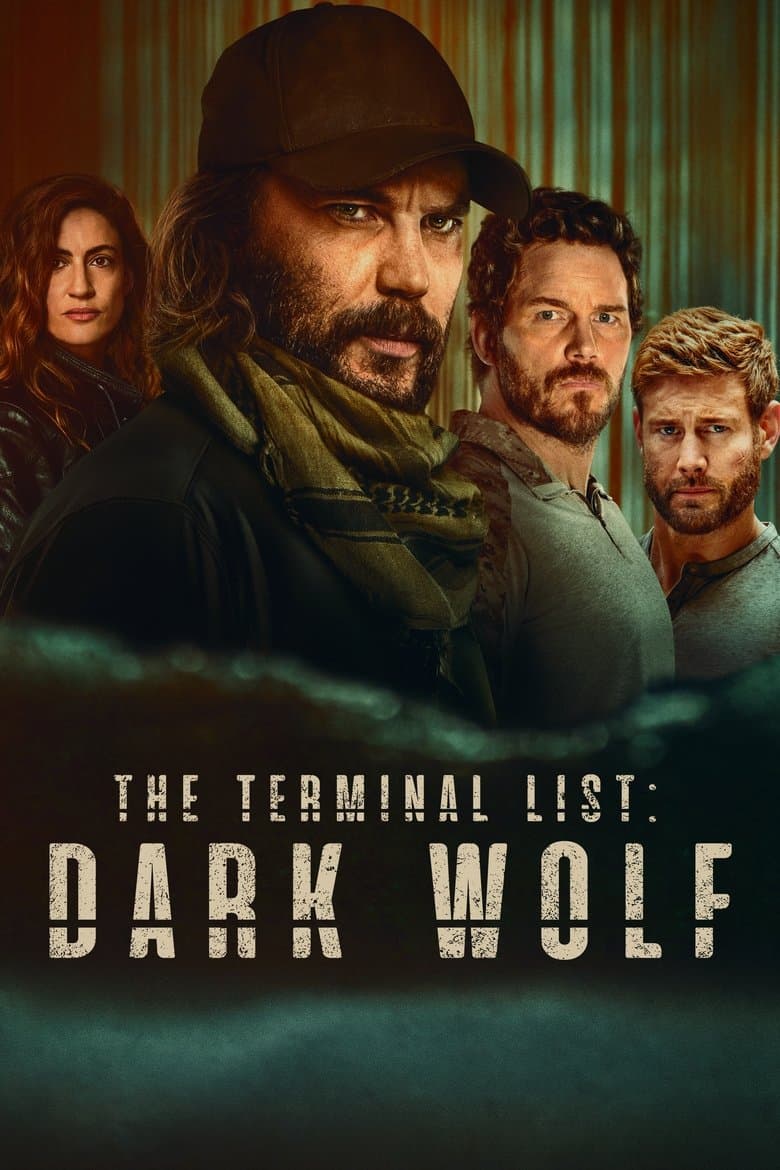
TV Show · 2025
Before The Terminal List, Navy SEAL Ben Edwards finds himself entangled in the black operations side of the CIA.

TV Show · 2016
The story of Mac Conway, a Marine who returns home to Memphis from Vietnam in 1972 and finds himself shunned by those he loves and demonized by the public.
