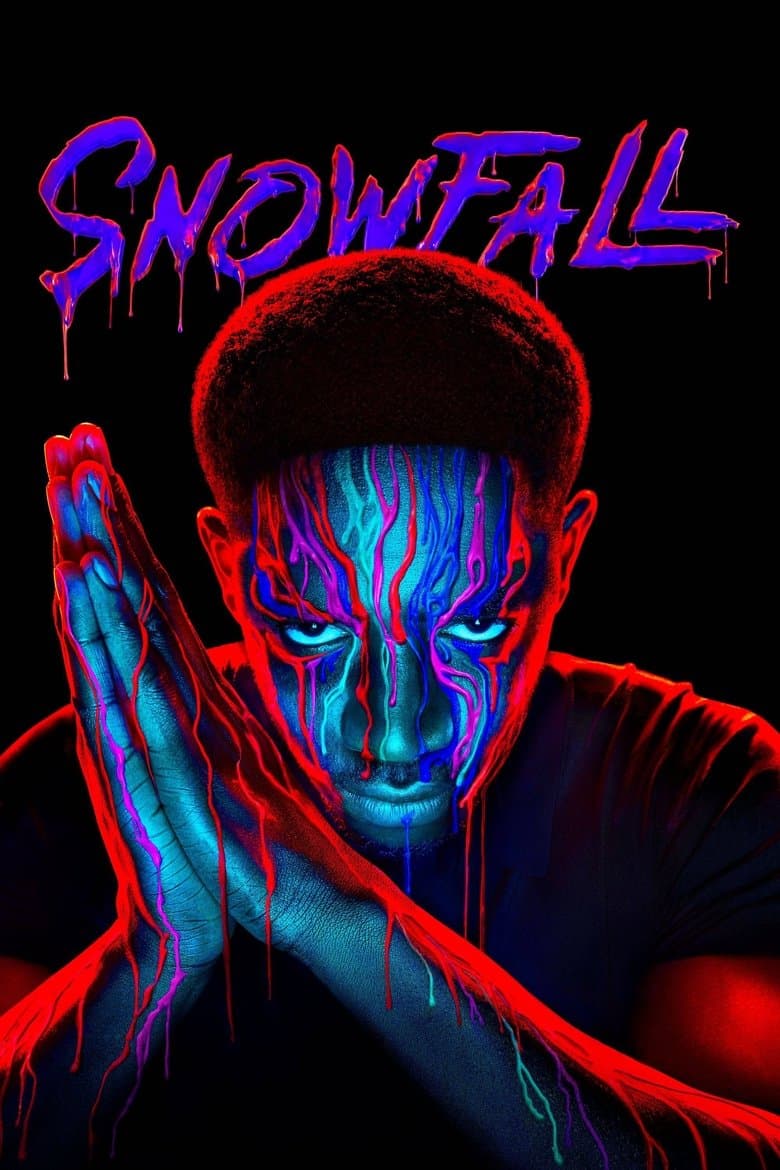
Started July 5, 2017 · Ended · Based on 6 seasons, 60 episodes through April 19, 2023 · TV-MA
Snowfall is a crime drama series set in 1980s Los Angeles that follows young dealer Franklin Saint, his family and associates, a CIA operative, and others as crack cocaine spreads and destroys lives and neighborhoods. The story mixes personal ambition, violence, family struggles, and a plotline about government agents moving cocaine to fund anti-communist rebels in Central America. It includes themes about the epidemic's heavy impact on black communities and features a lesbian relationship and backstory for major character Louie (Aunt Louie) with club owner Claudia Crane, plus other LGBT characters.
Community feedback
Was our 61% Woke rating accurate?
Breakdown
These are the editorial factors and ratings behind our score for Snowfall.
Woke representation / casting
Casting fits 1980s South Central Los Angeles demographics and the crack trade world, with black and Latino performers in most community, family, and dealer roles and white actors primarily as CIA or authorities. Damson Idris leads as ambitious Franklin Saint in a story-appropriate part. Key character Louie has visible lesbian backstory and relationship scenes with Claudia Crane (club owner, LGBT community member); other minor LGBT characters appear. Prominent women pursue power in crime but encounter realistic abuse, violence, and fallout. No audience-visible quota signaling, mismatched “brilliant” identity competence, or emphasis on representation over story logic. Organic to the premise with queer elements adding weight.
30%
Woke political dialogue
Dialogue covers the crack epidemic’s toll on families and neighborhoods, government drug involvement, betrayal, survival, and community change. Walter Mosley’s writing adds social observation depth. Conversations stay mostly character-driven within a crime and antihero framework rather than modern activist lectures or explicit identity politics rhetoric. Period context keeps most exchanges grounded in 1980s events and personal stakes.
22%
Identity-driven story themes
Core narrative tracks how crack devastated Los Angeles communities (especially black neighborhoods), personal ambition in the drug trade, family breakdown, and moral costs. The CIA-Contra thread links Western government actions to local destruction and limited choices. Recurring notes of father absence, survival, and structural forces appear alongside individual agency and brutality. Influenced by Singleton’s and Mosley’s prior focus on race and urban life. Louie’s lesbian past factors into her arc. Balances social realism with classic rise-and-fall crime drama rather than centering representation or modern identity framing as the main driver.
48%
Western institutional / cultural critique
Major arc shows CIA operative Teddy McDonald running cocaine sales to fund Nicaraguan Contras under Reagan-era policy, portrayed as fueling the crack influx that ravaged South Central LA communities. Draws from Gary Webb’s contested reporting and emphasizes secrecy, cover-ups, and cynical institutional priorities harming black areas. Reviews noted the direct dramatic framing. Broader elements touch bureaucracy and larger forces trapping people. This is clear, audience-visible critique of US government institutions tied to racial community impact, presented historically rather than with explicit contemporary “whiteness” or patriarchy language.
58%
Woke character or canon changes
Not relevant. Original series; no established canon, source material characters, or real historical figures being ideologically reinterpreted or identity-swapped. The CIA plot dramatizes a disputed historical theory for story purposes but does not qualify as the scored type of change.
0%
Anti-woke backlash and complaints
Some 2017 reviews and op-eds (Washington Post, Rolling Stone, others) criticized the show for taking Gary Webb’s “Dark Alliance” CIA-crack claims at face value or spreading exaggerated conspiracy elements, with calls for disclaimers because investigations did not substantiate a direct deliberate plot. Social media often discusses the CIA angle factually or as accepted, with occasional notes on personal responsibility. No large viral campaigns or dominant complaints about DEI, representation quotas, identity politics, or “woke agenda” messaging; criticism stayed more historical and accuracy-focused than cultural. Volume moderate and mostly early.
28%
Creator track record context
John Singleton’s film work (Boyz n the Hood, Higher Learning) repeatedly explored black urban experiences, gang life, family structures, and social conditions in Los Angeles through dramatic storytelling. Walter Mosley’s novels and commentary center race, class, and inequalities in America. Eric Amadio and Dave Andron have LA/indie and TV crime-drama backgrounds with lighter public political signals. Other contributors follow standard industry patterns. The team shows recurring interest in stories about black communities and institutional effects but channels it into gritty period entertainment rather than explicit modern activist or representation-first projects.
38%
Production
TV Show · 2023
Candy and Pat Montgomery and Betty and Allan Gore — two churchgoing couples — enjoy their small town Texas life... until an extramarital affair leads somebody to pick up an axe.
TV Show · 2020
New Orleans judge Michael Desiato is forced to confront his own deepest convictions when his son is involved in a hit and run that embroils an organized crime family.
TV Show · 2026
Ben Reilly, an aging and down on his luck private investigator in 1930s New York, is forced to grapple with his past life as the city's one and only superhero.
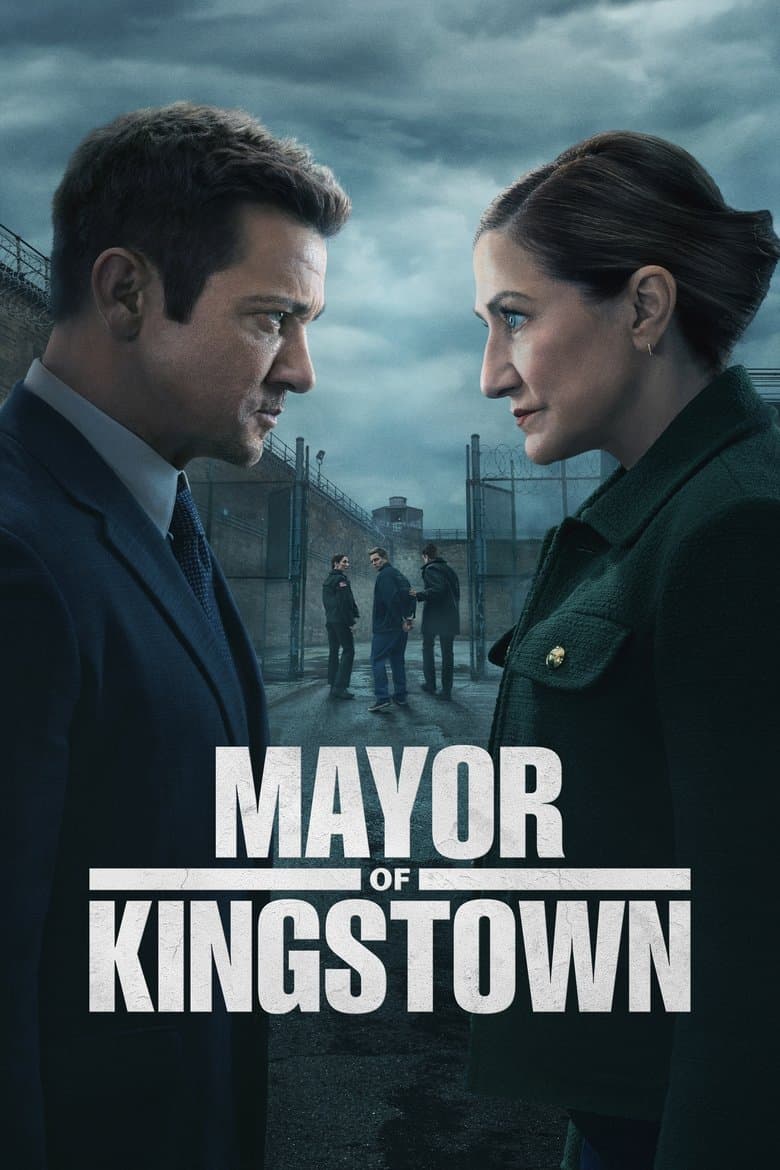
TV Show · 2021
In a small Michigan town where the business of incarceration is the only thriving industry, the McClusky family are the power brokers between the police, criminals, inmates…
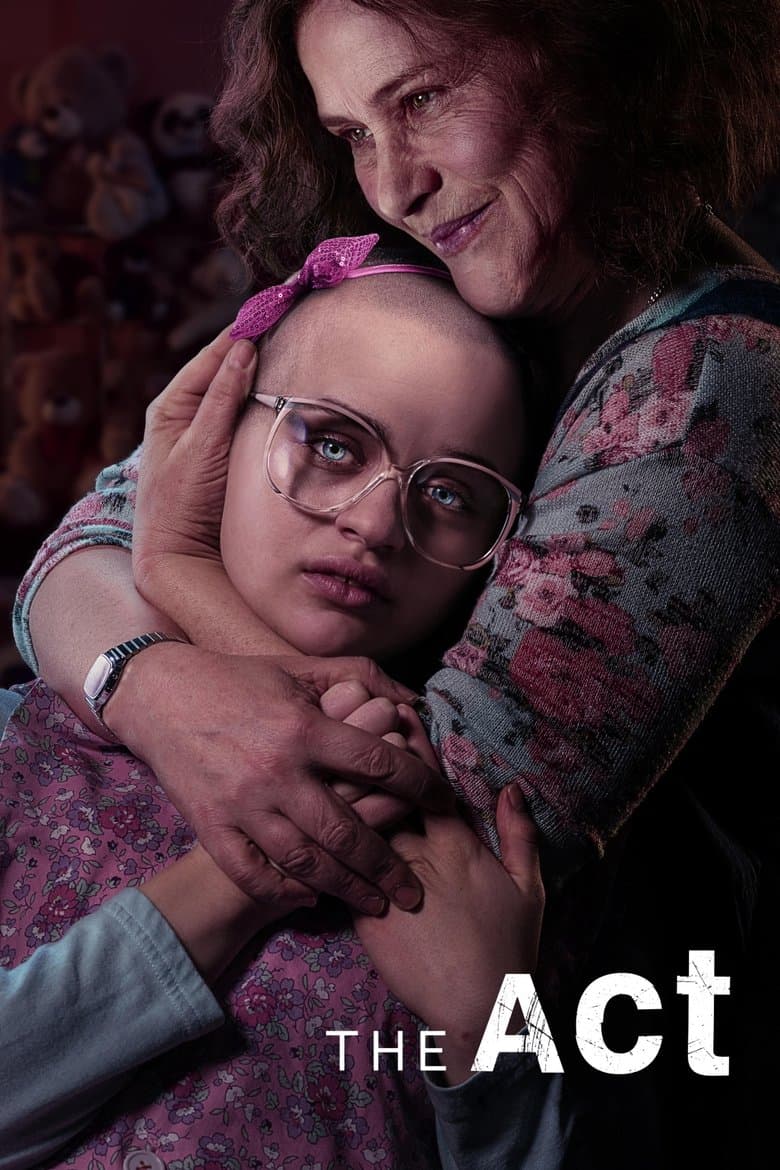
TV Show · 2019
Gypsy Blanchard struggles to deal with the toxic relationship with her overprotective mother, but her attempts to free herself lead to murder.
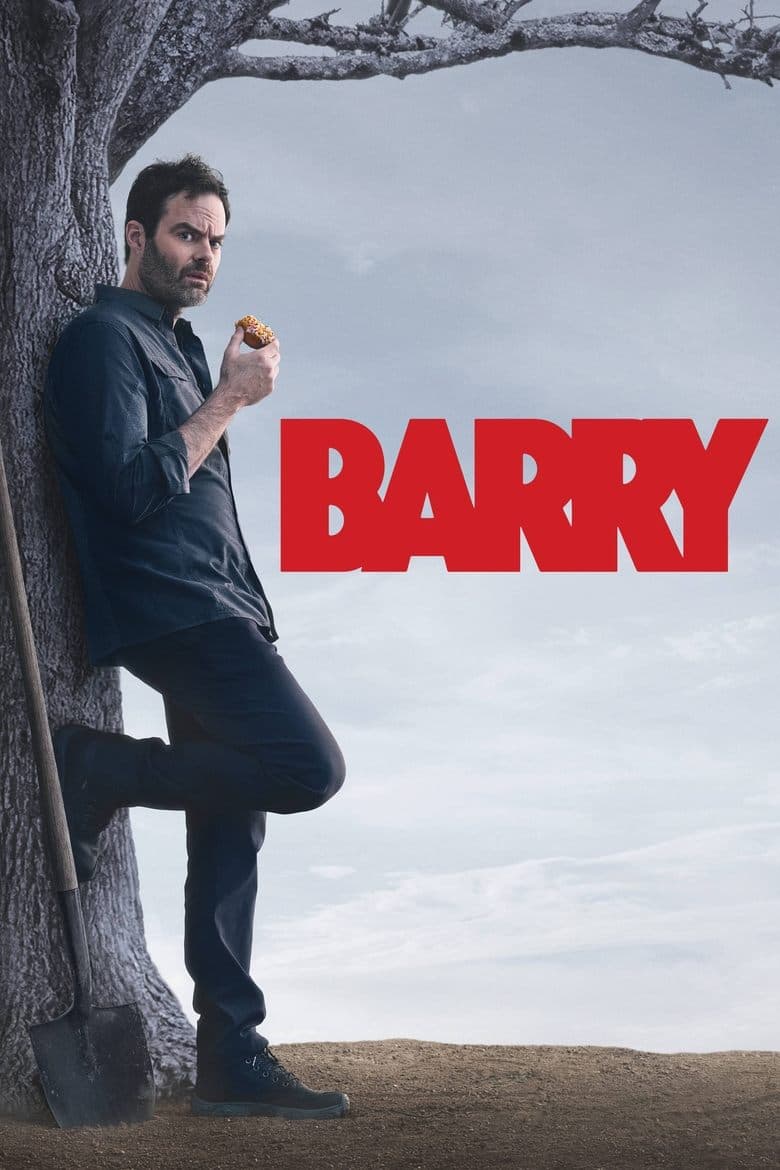
TV Show · 2018
A hit man from the Midwest moves to Los Angeles and gets caught up in the city's theatre arts scene.
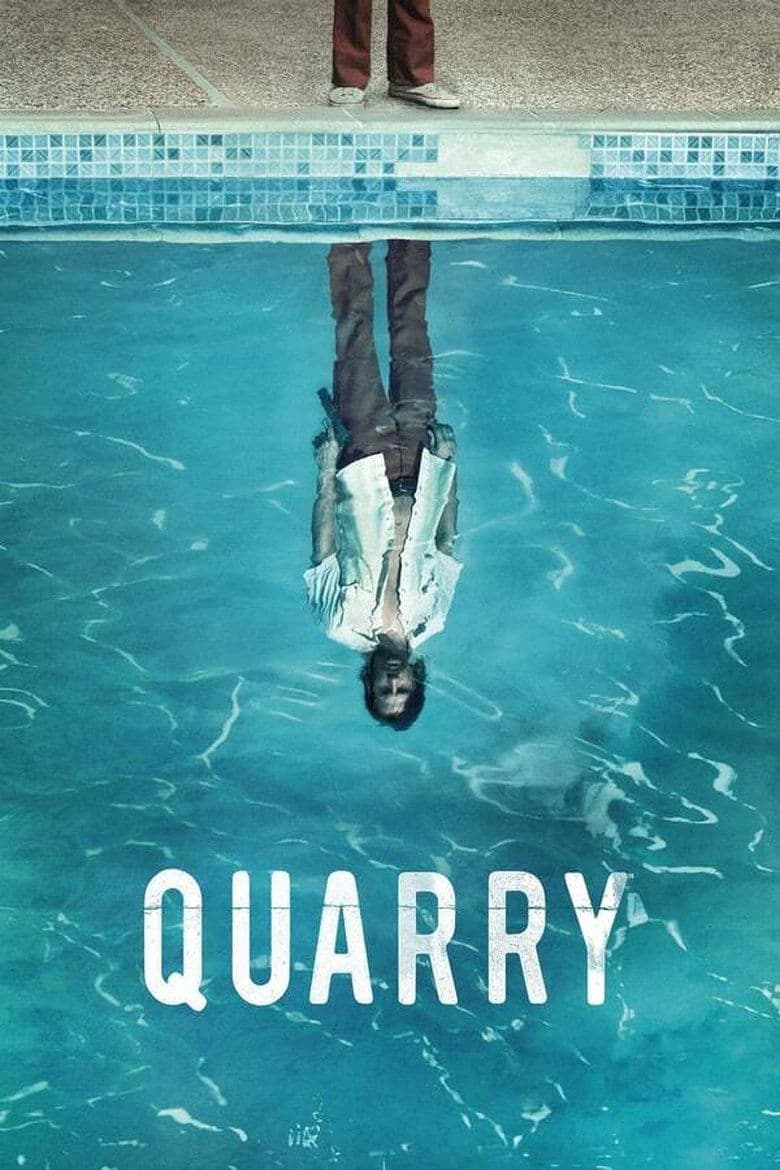
TV Show · 2016
The story of Mac Conway, a Marine who returns home to Memphis from Vietnam in 1972 and finds himself shunned by those he loves and demonized by the public.

TV Show · 2016
17-year-old Joshua "J" Cody moves in with his freewheeling relatives in their Southern California beach town after his mother dies of a heroin overdose.
