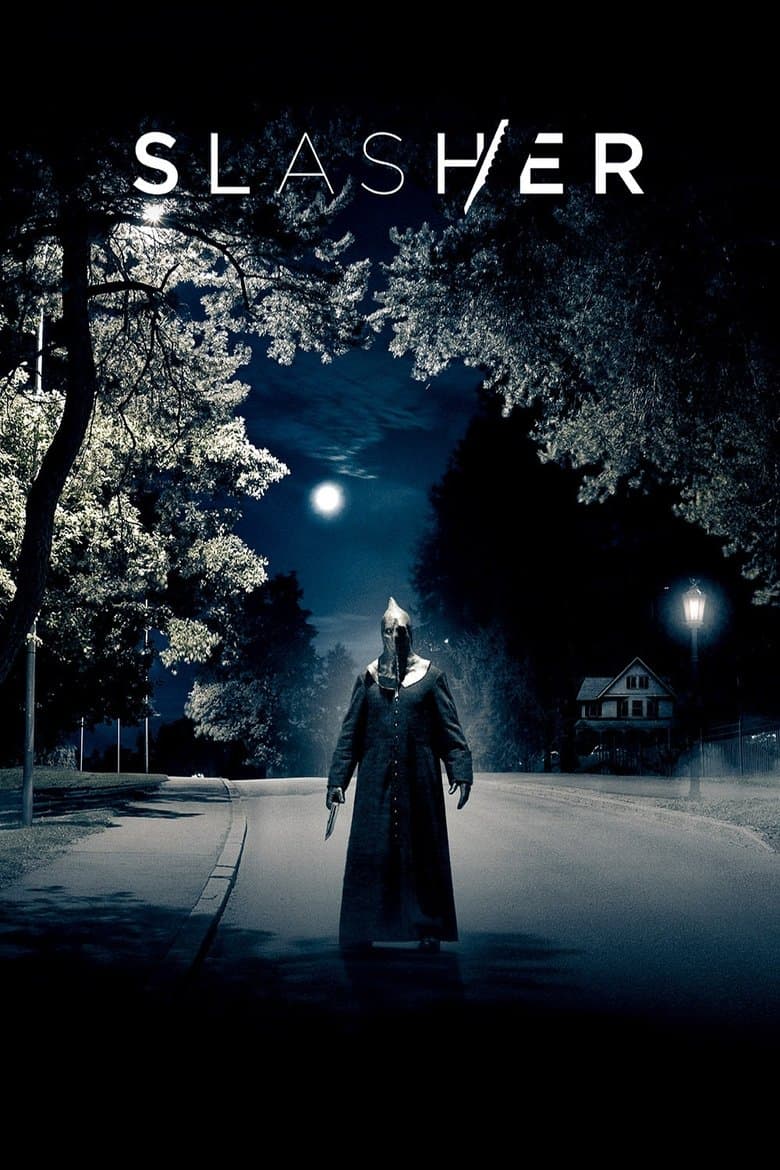
Started March 4, 2016 · Based on 3 seasons, 24 episodes · TV-MA · 45 min
Slasher is a Canadian TV anthology horror series. Each season is a self-contained masked-killer mystery with heavy gore and soap-drama plotting. Early seasons use classic slasher setups such as a small-town sin-themed killer and a winter camp massacre. The core product stays a gory whodunit with twists. Viewers who binge the full run still meet a new cast and mystery almost every season.
From Solstice onward the series leans hard into modern social themes and dense LGBTQ ensembles. Queer characters appear every season and stand at the center of several plots. Solstice features a heavily queer apartment cast and identity-linked revenge stories, while Hell Motel puts lesbian motel co-owners at the heart of the tale. That later-season identity focus is structural rather than a side detail. Early seasons alone feel more traditional, so a current full-series binge is pulled toward those socially charged chapters.
Community feedback
Was our 80% Woke rating accurate?
Breakdown
These are the editorial factors and ratings behind our score for Slasher.
Woke representation / casting
Multi-season casting often puts identity front and center. Solstice packs many diverse queer and minority roles into one ensemble. Later seasons keep that dense mix in marketing and creative framing. The checklist feel goes past what the setting alone would need.
60%
Woke political dialogue
Later seasons put social politics on screen in plain speech. Solstice shows bigots, slurs, and progressive school framing out loud. Ripper adds class and elite-corruption talk in a period frame. Not every scene is a speech, but the politics are hard to miss.
50%
Identity-driven story themes
LGBTQ storylines sit at the center of several seasons rather than as side notes. Solstice and Hell Motel build major plots around queer characters and relationships. Press treats those seasons as queer-led horror. That sustained focus keeps this factor high even while gore still drives the genre.
76%
Western institutional / cultural critique
Solstice treats white nationalism, Islamophobia, and online pile-ons as social rot. Ripper frames elite predation and class revenge. Bigoted traditionalists and social-media culture often play as the moral villains. The progressive packaging makes the critique noticeable without turning the show into a pure anti-West tract.
45%
Woke character or canon changes
Not relevant. Original anthology premises each season with no identity-driven rewrite of established IP characters or real historical figures as the core stunt.
0%
Anti-woke backlash and complaints
Solstice drew clear too-woke and virtue-signaling complaints on forums and Twitter. Genre press noted the pushback and called it the most woke season so far. The volume is real but stays at horror-forum scale. It is not a mass cable-news scandal.
42%
Creator track record context
Cached scores weight Aaron Martin’s moderate social-issue TV history most. His Degrassi work with teen LGBTQ topics matches later seasons of this show. Directors show little activist track record. The creative lead context fits the identity emphasis without proving a full activist crew.
34%
Production
TV Show · 2021
When family man Nick Brewer is abducted in a crime with a sinister online twist, those closest to him race to uncover who is behind it and why.
TV Show · 2020
A family's lives are irreparably disrupted when the 14-year-old son is accused of murdering a fellow classmate.
TV Show · 2021
A detective in a small Pennsylvania town investigates a local murder while trying to keep her life from falling apart.
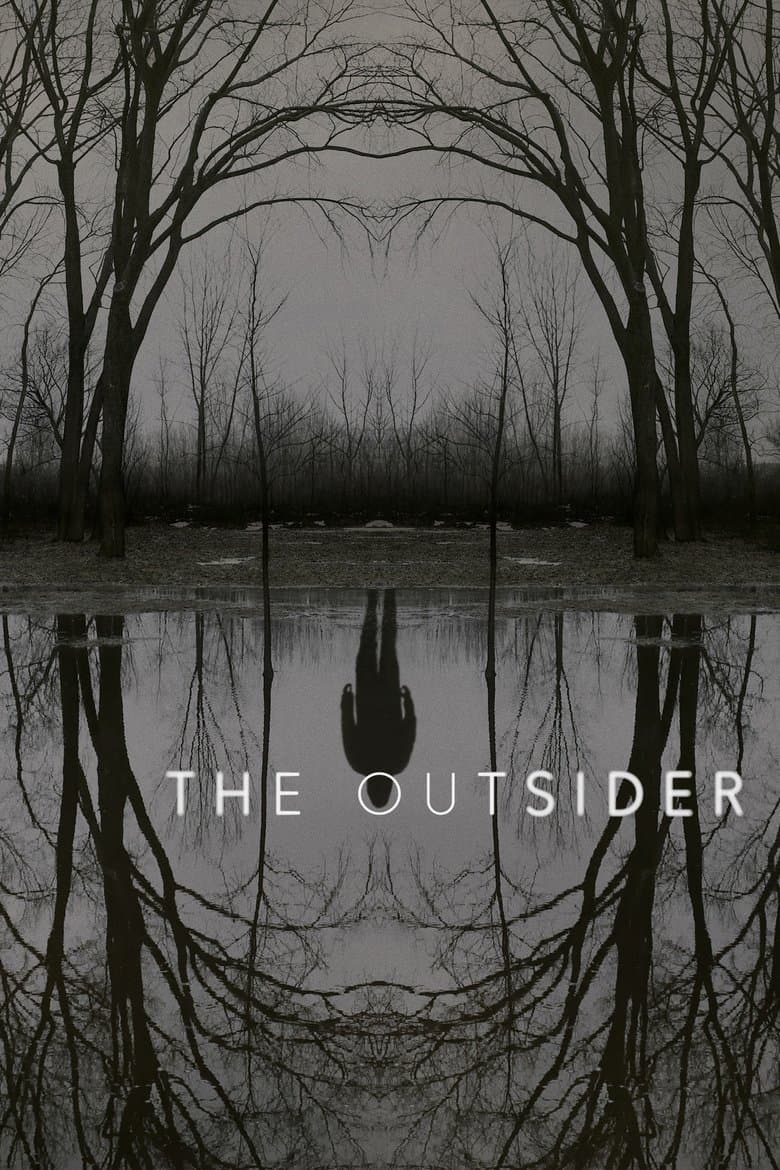
TV Show · 2020
When an insidious supernatural force edges its way into a seemingly straightforward investigation into the gruesome murder of a young boy, it leads a seasoned cop and an…
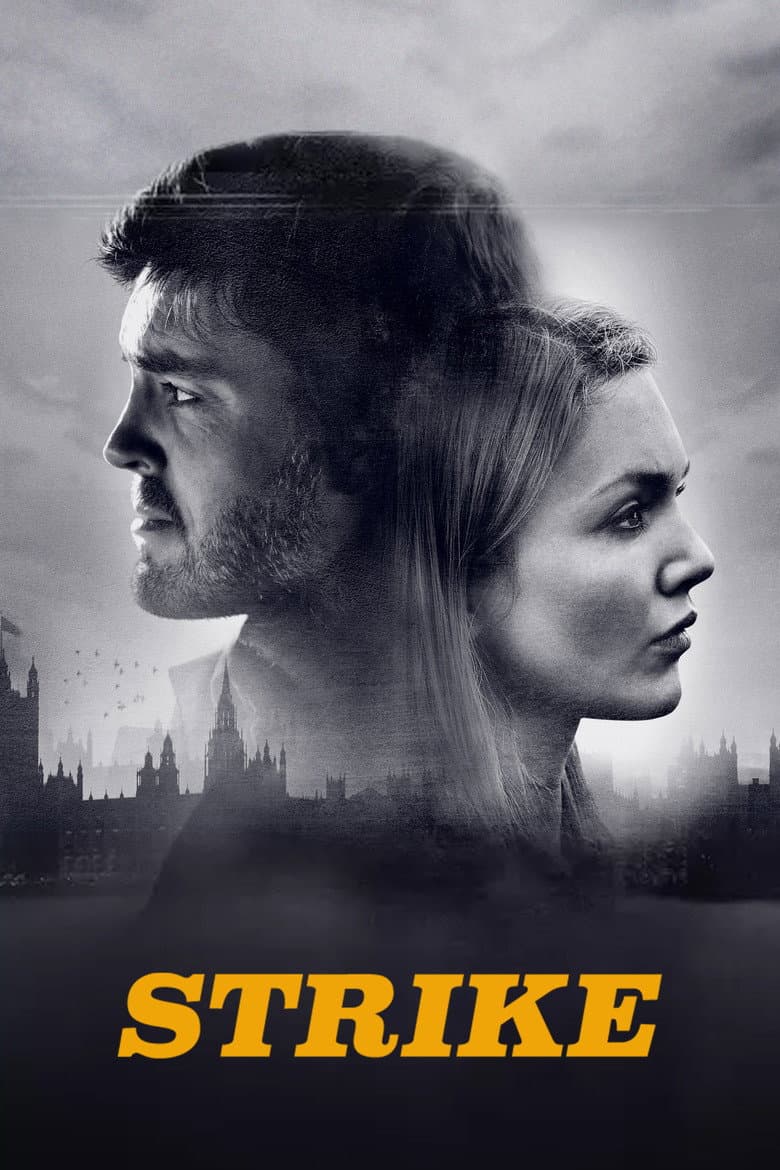
TV Show · 2017
A war veteran turned private detective operates out of a tiny office in London’s Denmark Street. Although wounded both physically and psychologically, his unique insight and…
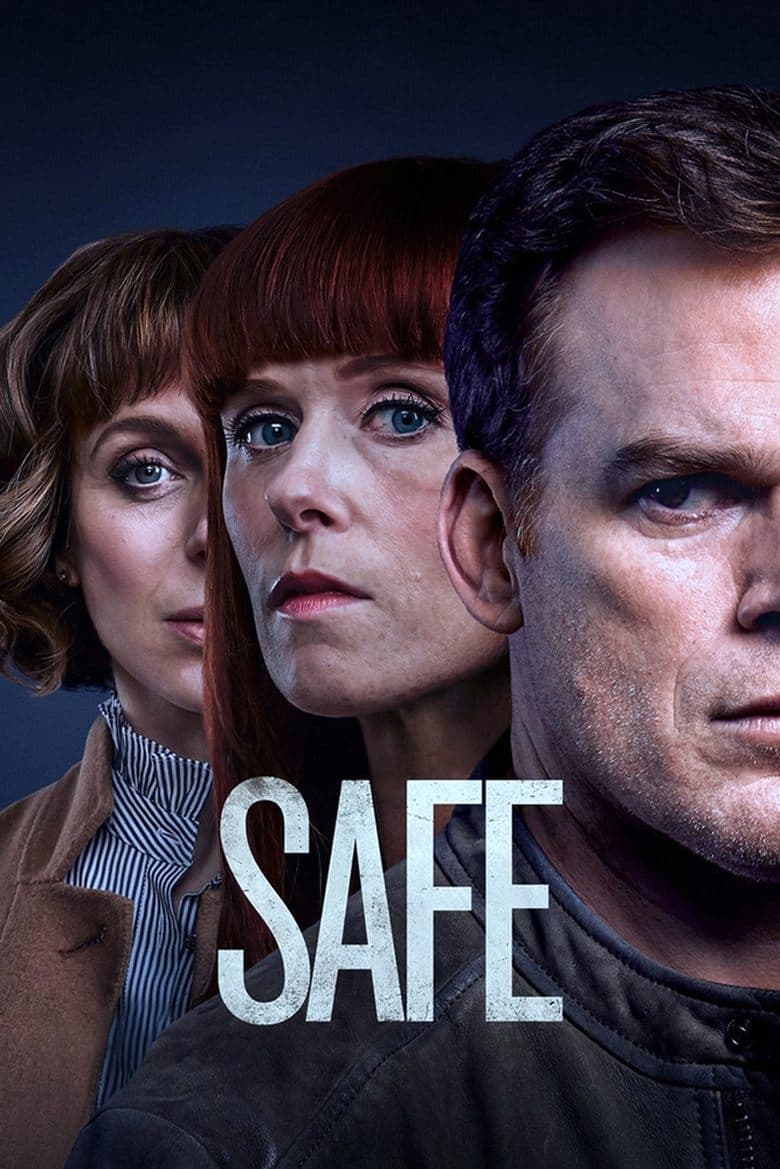
TV Show · 2018
After his daughter goes missing, a widower begins uncovering the dark secrets of the people closest to him.
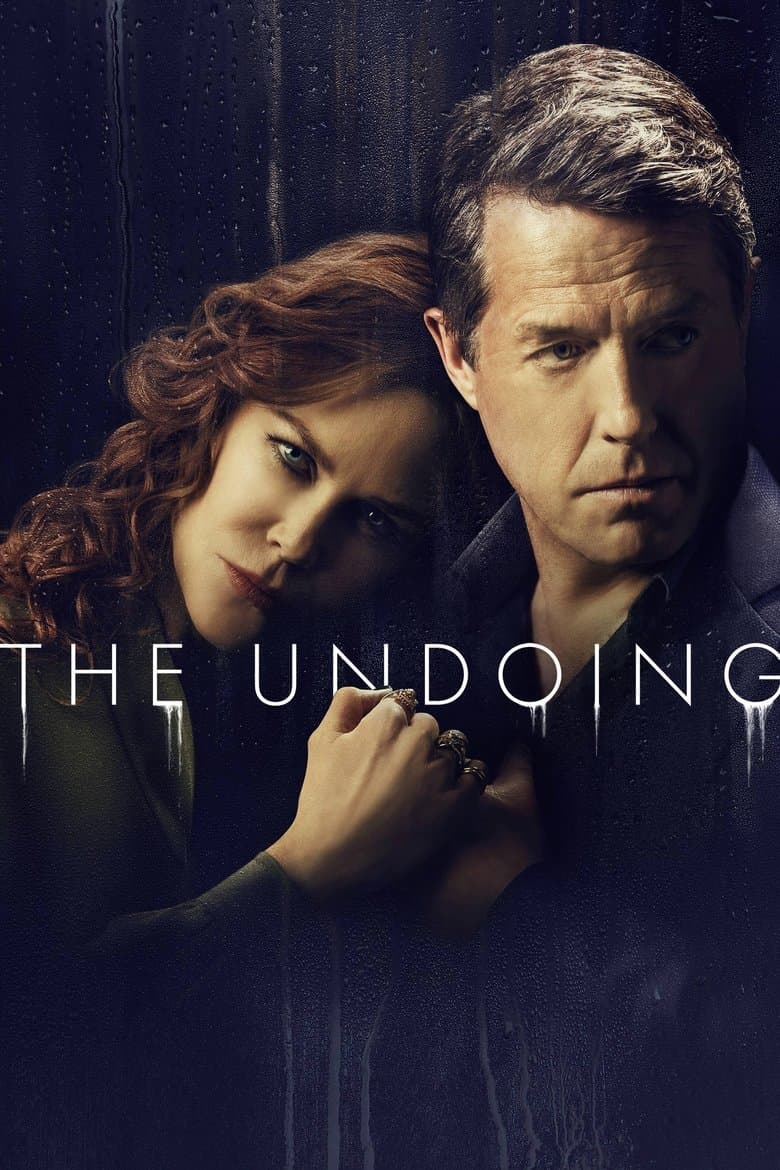
TV Show · 2020
Grace and Jonathan Fraser are living the only lives they ever wanted. Overnight a chasm opens in their lives: a violent death and a chain of terrible revelations.
TV Show · 2026
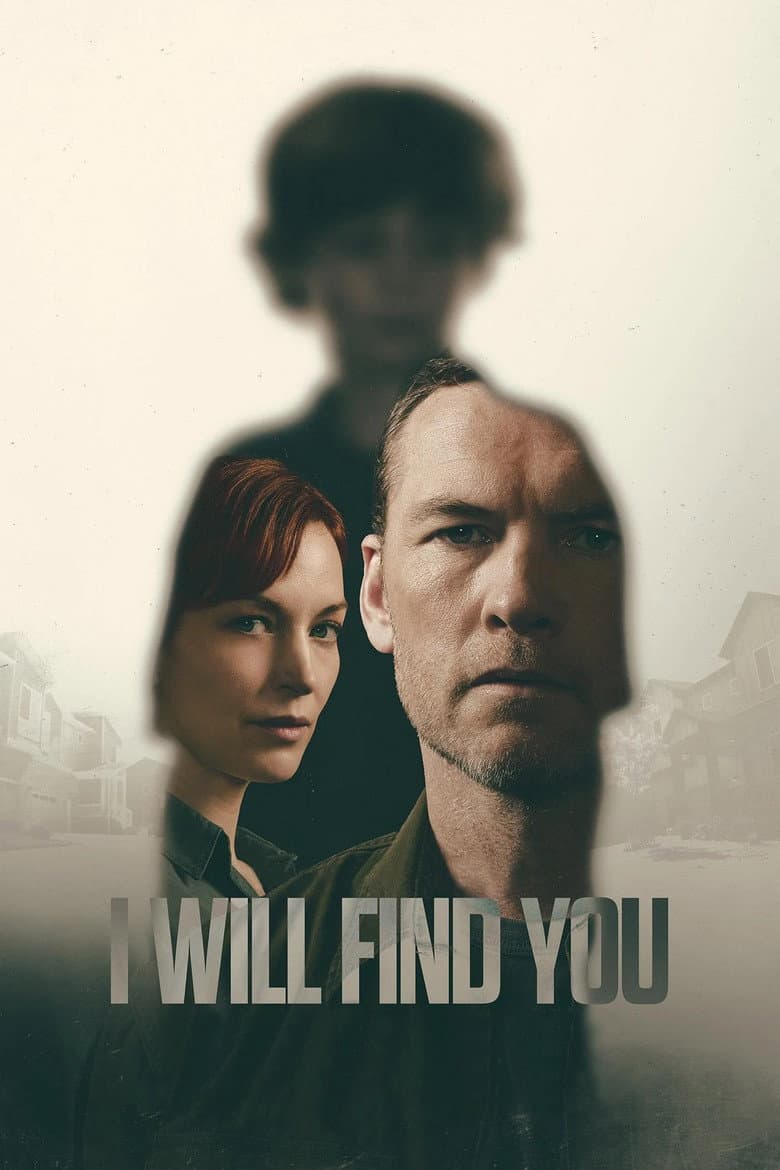
Wrongfully imprisoned for murdering his own son, a father sets out on a desperate rescue mission after learning the boy may still be alive.
