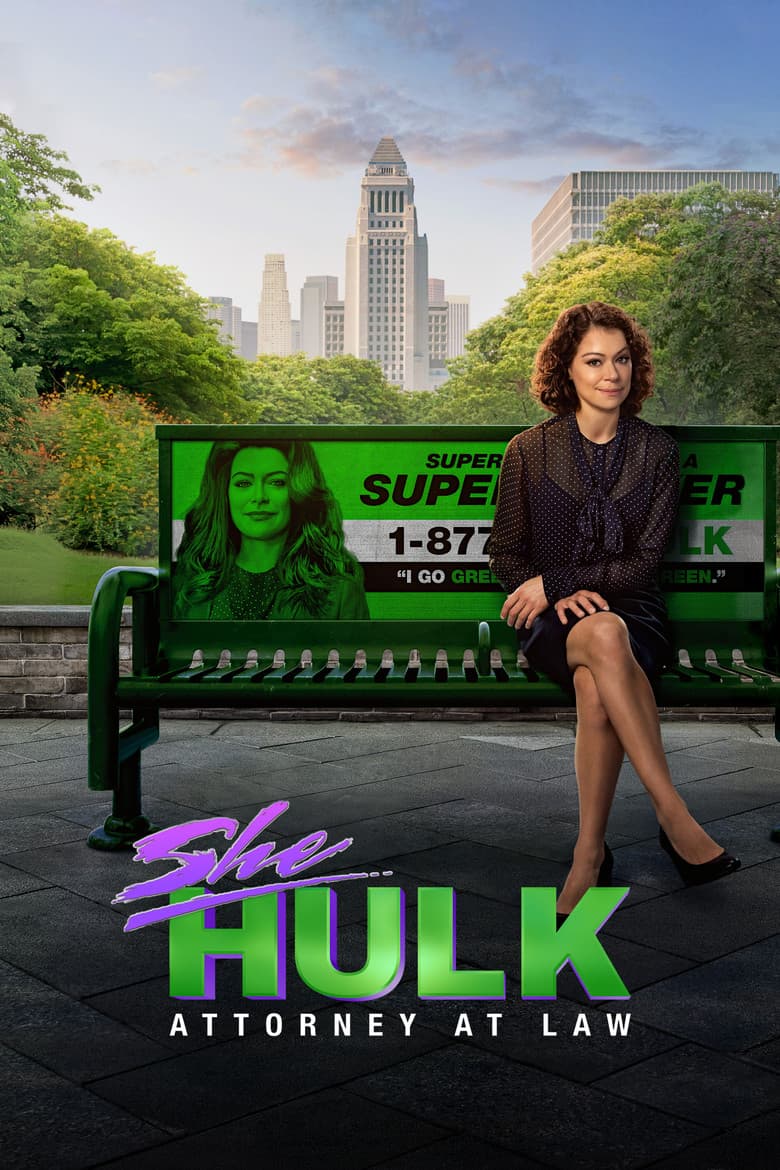
Started August 18, 2022 · Ended · Based on 1 season, 9 episodes through October 13, 2022 · TV-14
Jennifer Walters is a single lawyer in Los Angeles who becomes She-Hulk after an accident contaminates her blood. She is a green superhero who stands about six foot seven and still wants a normal legal career. The series follows her as she balances court work, dating, and life in a new body. It is a Marvel legal comedy with guest stars and superhero cases mixed into her daily life. The whole story is told across one finished season of nine episodes.
The show puts gender politics in plain view for the audience. Early on, Jennifer argues that women already manage sexism every day, which is why she controls Hulk rage better than Bruce. Story arcs cover workplace double standards, body objectification, online harassment of female heroes, and law firm tokenism. The main villains are Intelligencia, an online misogynist hate group that harasses her and tries to humiliate her. Her queer best friend Nikki, sex positive dating comedy, and strong female colleagues keep those themes front and center all season.
Community feedback
Was our 92% Woke rating accurate?
Breakdown
These are the editorial factors and ratings behind our score for She-Hulk: Attorney at Law.
Woke representation / casting
The modern LA law firm setting supports a diverse supporting cast around Jen, including queer Latina Nikki, black lawyer Mallory Book, Black designer Luke Jacobson, Megan Thee Stallion, and trans actress Patti Harrison as Lulu. Lead Jennifer stays white and comics-aligned. Casting leadership includes Sarah Halley Finn, known for post-Endgame diversity priority. This is supporting-role representation and female-hero marketing, not a race-swap lead.
40%
Woke political dialogue
Clear gender politics talk runs through the season. The pilot frames women’s daily sexism as why Jen controls Hulk anger better than Bruce. Dialogue covers workplace double standards, dating and body objectification, online harassment of female heroes, and law-firm tokenism. Sex-positive dating banter is treated as part of the female experience, not throwaway jokes.
70%
Identity-driven story themes
The season is a portrait of modern womanhood in superhero form, including body scrutiny, dating after a body change, female friendship, professional respect, and sex positivity. Intelligencia is written as a stand-in for toxic fan and troll culture around female-led MCU titles. Queer best friend Nikki adds LGBTQ weight as a supporting thread. Creators sold the show as female-lived experience for women in the MCU, matching what airs.
76%
Western institutional / cultural critique
The show critiques toxic masculinity, male entitlement in dating and fandom, incel and misogynist internet culture, and law-firm tokenism. Male characters often play chauvinists, creeps, or incompetents next to competent women. It is not a broad anti-Christian or anti-capitalist tract. The main target is gendered power, online male grievance culture, and Hollywood superhero meta in the finale.
64%
Woke character or canon changes
She-Hulk’s comics origin becomes accidental crash contamination instead of Banner deliberately saving Jen after a mob hit. Jen’s early Hulk control is justified through gender socialization under sexism. Titania becomes a narcissistic influencer, and Nikki is a new queer-coded TV character. These are origin and gender-politics reframes, not race-swaps of legacy leads.
46%
Anti-woke backlash and complaints
This is among the highest-profile Phase Four backlash cases, with review-bombing, “M-She-U” labels, girlboss and Mary Sue complaints, and man-hating charges. Anti-woke sites attacked origin changes, Bruce undercut by Jen, and identity messaging. The show made those haters the villains through Intelligencia, which fed the culture-war loop. The score reflects volume and clarity of anti-woke complaints only.
88%
Creator track record context
Jessica Gao framed feminist and sex-positive writing. Kat Coiro tied CGI body criticism to ownership of women’s bodies. Kara Brown has progressive-media background, and Sarah Halley Finn has stated diversity as a casting priority. Other writers score lower and dilute the room average. Net result is clear progressive and feminist creative leadership without every name being activist-first.
52%
Production
TV Show · 2016
An aging police sheriff who has recently lost his position due to an angry outburst begrudgingly joins an alliance with new sheriff, Evie Barret to battle angry demons haunting…
TV Show · 2016
A comedic thriller that follows the bizarre adventures of eccentric “holistic” detective Dirk Gently and his reluctant assistant Todd.
TV Show · 2022
Smart, sarcastic and a little dead inside, Wednesday Addams investigates twisted mysteries while making new friends — and foes — at Nevermore Academy.
TV Show · 2026
After accidentally creating a new multiverse, comic book store owner Stuart Bloom must locate a quantum-interference device to restore reality.
TV Show · 2016
In his quest for a bride to break his immortal curse, a 939-year-old guardian of souls meets a grim reaper and a sprightly student with a tragic past.
TV Show · 2020
Smiling Friends Inc. is a small company whose main purpose is to bring happiness and make people smile. The series follows the day-to-day lives and misadventures of its…
TV Show · 2018
Two strangers are drawn to a mysterious pharmaceutical trial that will, they're assured, with no complications or side-effects whatsoever, solve all of their problems…
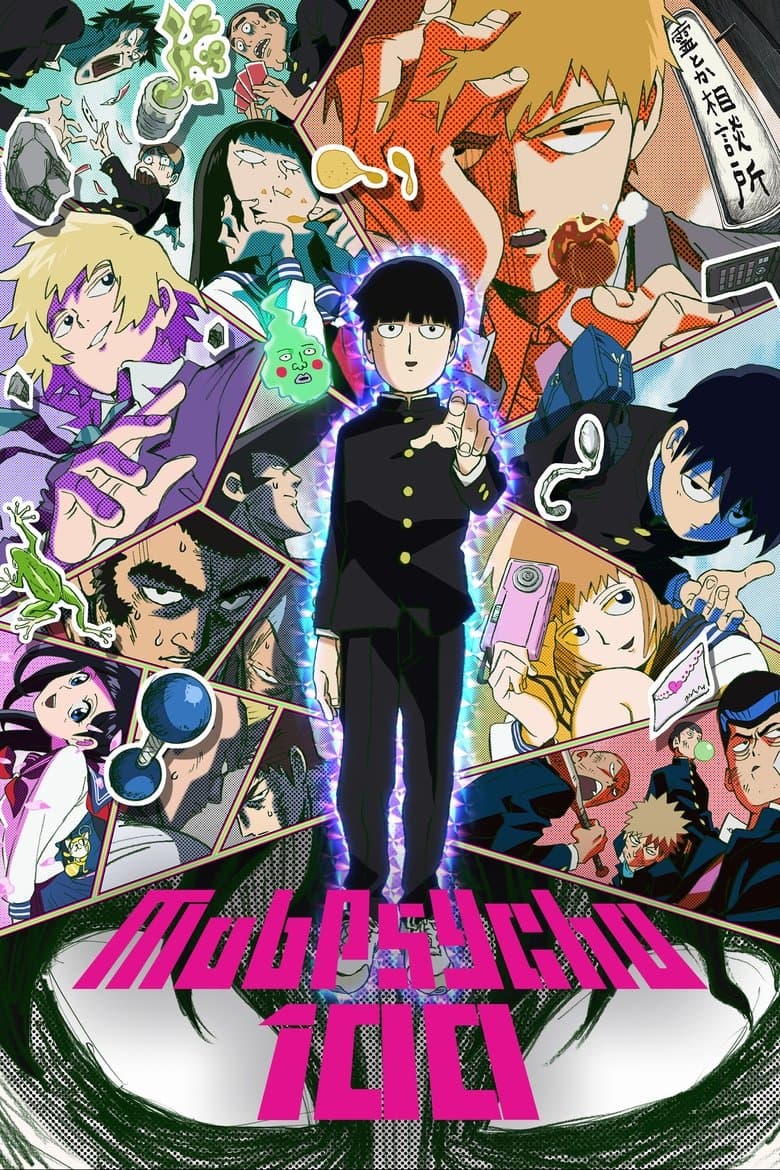
TV Show · 2016
Shigeo Kageyama, a.k.a. "Mob," is a boy who has trouble expressing himself, but who happens to be a powerful esper.
