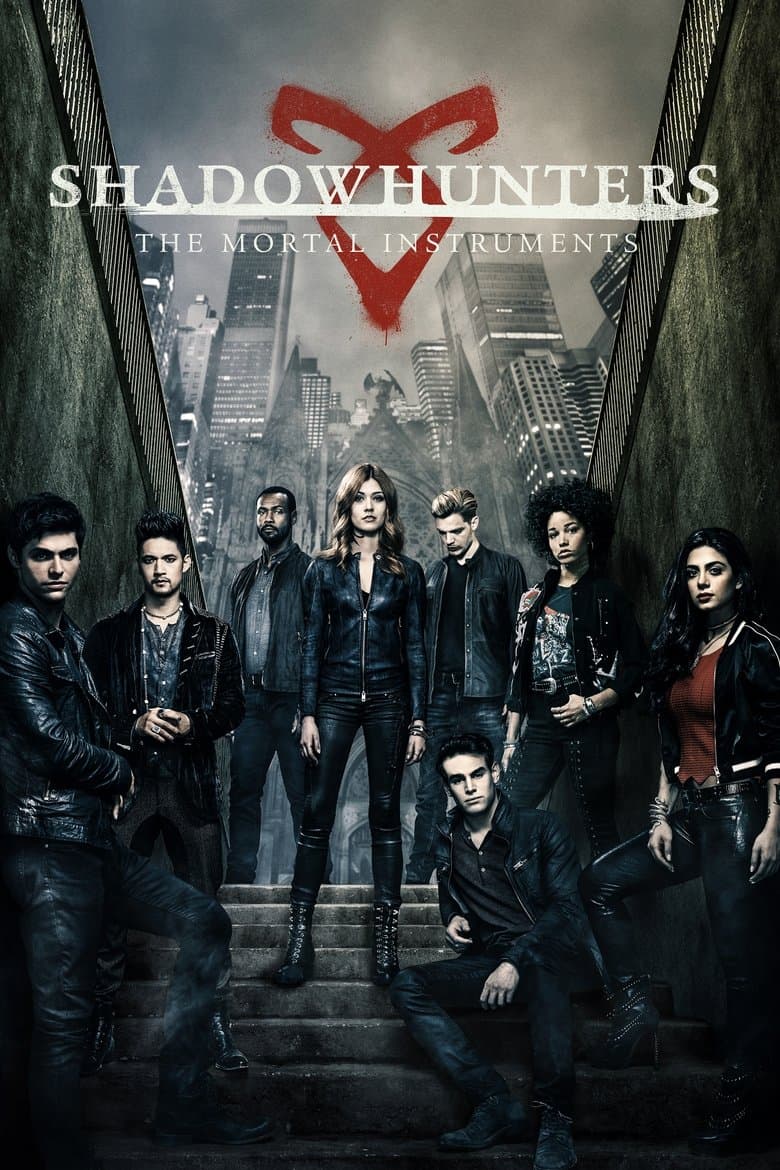
Started January 12, 2016 · Based on 3 seasons, 55 episodes · TV-14 · 42 min
Shadowhunters is a Freeform fantasy drama adapted from Cassandra Clare’s The Mortal Instruments books. Clary Fray learns she is a Shadowhunter and joins demon hunters while fighting larger supernatural threats. A major romantic and political storyline follows gay Shadowhunter Alec Lightwood and bisexual warlock Magnus Bane, known together as Malec. The show also tracks conflict between Downworlders and the Clave. It ran for three seasons and fifty-five episodes.
Queer identity is a core part of the story rather than a side detail. Alec’s coming-out arc, a public same-sex kiss, the multi-season Malec romance, Raphael’s confirmed asexuality, and the later lesbian couple Aline and Helen all appear on screen. The series builds toward queer public acceptance and ends with a same-sex wedding plus reform of rigid Clave authority. Casting is diversity-forward as well, with several leads played by actors of color and some race changes from white-coded book roles. Identity and acceptance talk is frequent, so viewers will notice it as a main engine of the later seasons.
Community feedback
Was our 80% Woke rating accurate?
Breakdown
These are the editorial factors and ratings behind our score for Shadowhunters.
Woke representation / casting
Five of eight series regulars are played by actors of color, and some of those roles were white or coded differently in the books. Heroic and romantic leads also include a gay man and a bisexual man of color. Modern New York makes some mix believable, but the race reassignment and multi-identity casting still stand out as deliberate. The pattern goes beyond simple setting fit.
55%
Woke political dialogue
Viewers hear repeated coming-out and acceptance speeches, such as Magnus on living a lie versus choosing love. Same-sex relationships are publicly acknowledged, and other Shadowhunters thank Alec for paving the way. Parallel talk frames Clave and Downworlder prejudice and equality. It is not real-world party slogans, but identity and acceptance language is frequent and hard to miss.
48%
Identity-driven story themes
Queer identity drives major plots rather than sitting in the background. Alec’s closet arc, the broken straight wedding, the public same-sex kiss, multi-season Malec, asexual Raphael, and the Aline and Helen couple all matter. Later payoffs include queer public legitimacy and a same-sex wedding finale, with GLAAD recognition of the LGBTQ storytelling. Demon hunting is the wrapper, but identity and acceptance arcs power much of the later run.
78%
Western institutional / cultural critique
The Clave acts as a rigid traditional authority that enforces secrecy, status, and prejudice against queer Shadowhunters and Downworlders. Political marriage and proper family duty are shown as blocks to authentic love, especially queer love. Reform and Downworlder–Shadowhunter alliance are treated as the moral goals. This is fantasy-institution critique with a modern identity allegory, not a direct attack on real churches, capitalism, or nations.
42%
Woke character or canon changes
The books already included Malec, asexual Raphael, and other queer material, so the show did not invent queer canon from a straight baseline. The main scoreable changes are race and ethnicity shifts for several white-coded book characters into a more multiracial lead cast. Malec is also far more central and sustained than in the 2013 film. Those choices read as visible diversity priorities, not only ordinary plot compression.
48%
Anti-woke backlash and complaints
There was little sustained mainstream coverage calling the show too woke, a gay agenda, or DEI propaganda. Some book fans complained about race casting, and there was general grumbling. Public talk was mostly pro-LGBTQ praise, GLAAD recognition, and defense of Malec. It was not a major anti-woke controversy vehicle.
8%
Creator track record context
Cached producers for this title mostly score in the low-to-mid twenties, roughly nine to twenty-eight. They have commercial TV and film credits rather than documented activist or identity-first personal records. LGBTQ weight comes more from Clare’s books and Freeform’s YA brand than from a radical creative roster. This is supporting context only.
25%
Production
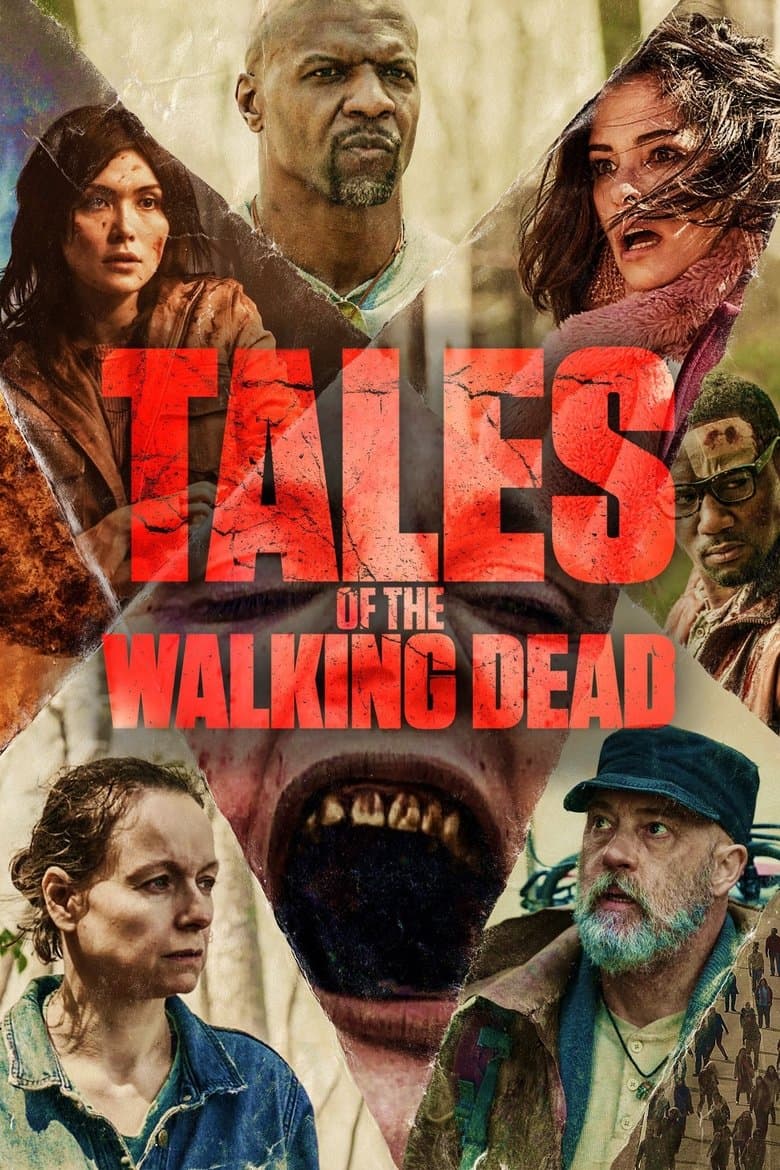
TV Show · 2022
An episodic anthology series focused on both new and established characters set in the world of "The Walking Dead."
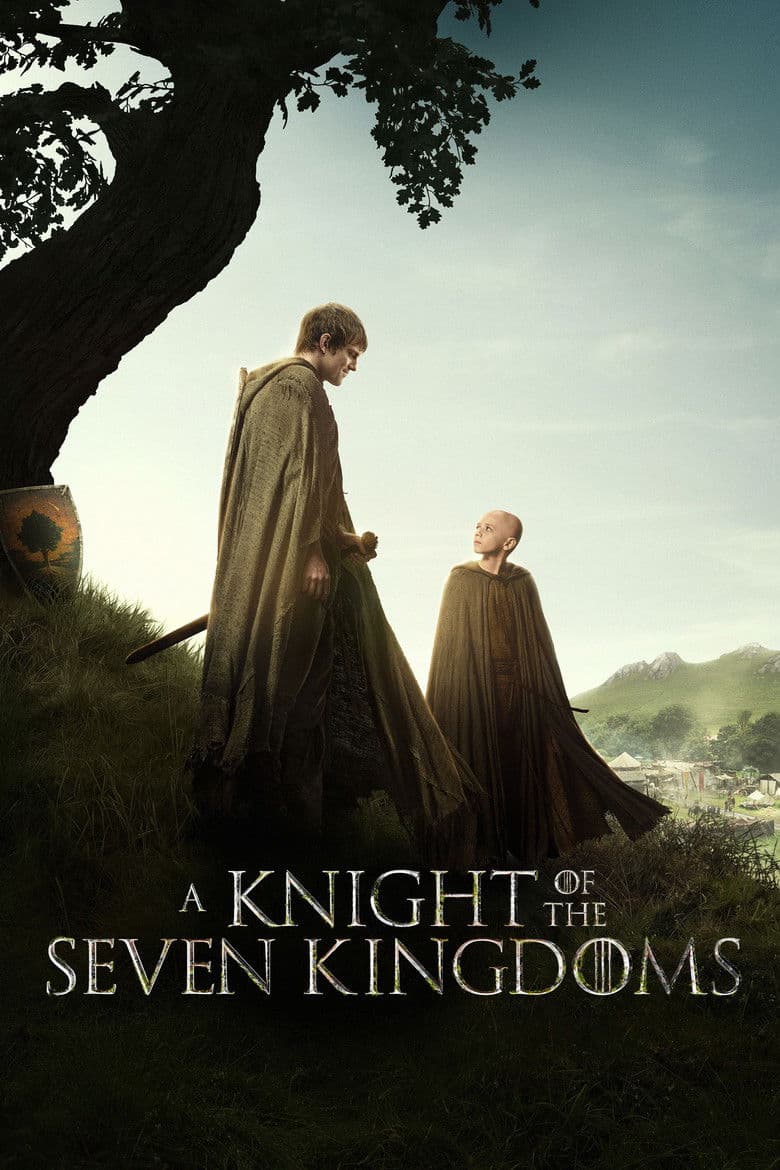
TV Show · 2026
A century before the events of Game of Thrones, two unlikely heroes wandered Westeros: a young, naive but courageous knight, Ser Duncan the Tall, and his diminutive squire, Egg.
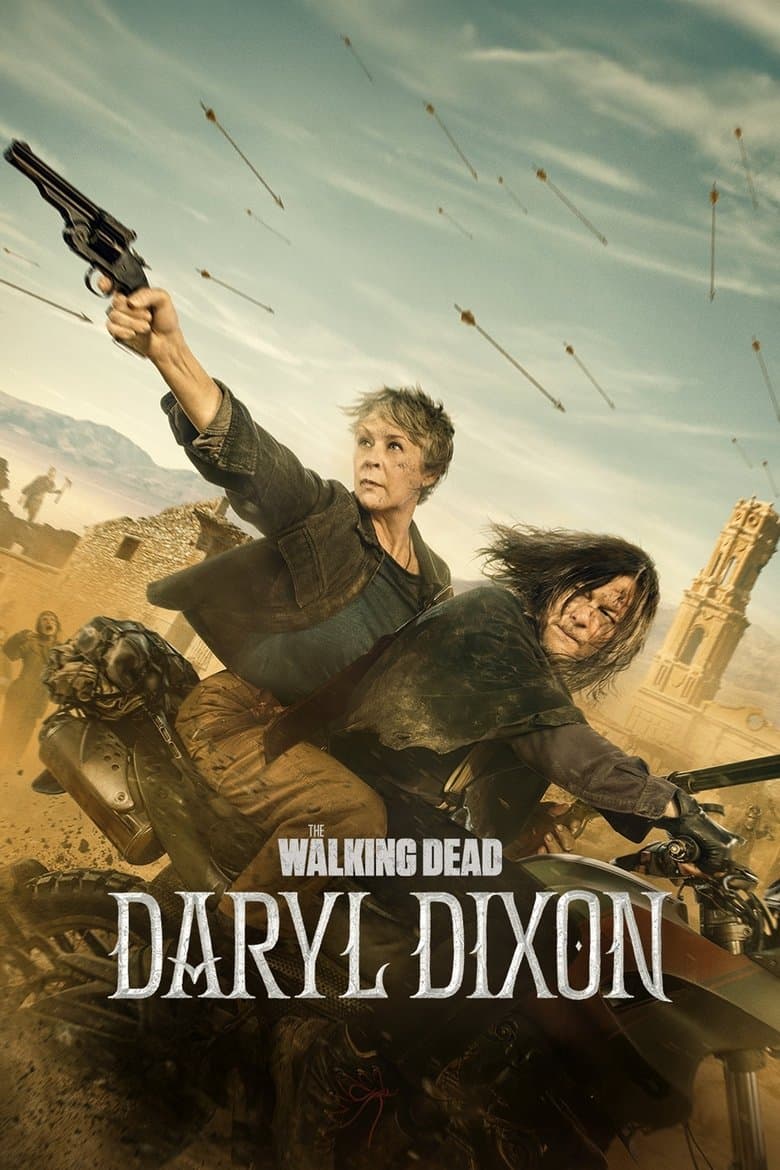
TV Show · 2023
After washing ashore in France, Daryl struggles to piece together how he got there and why, as he navigates a fractured, walker-infested landscape to find his way home.
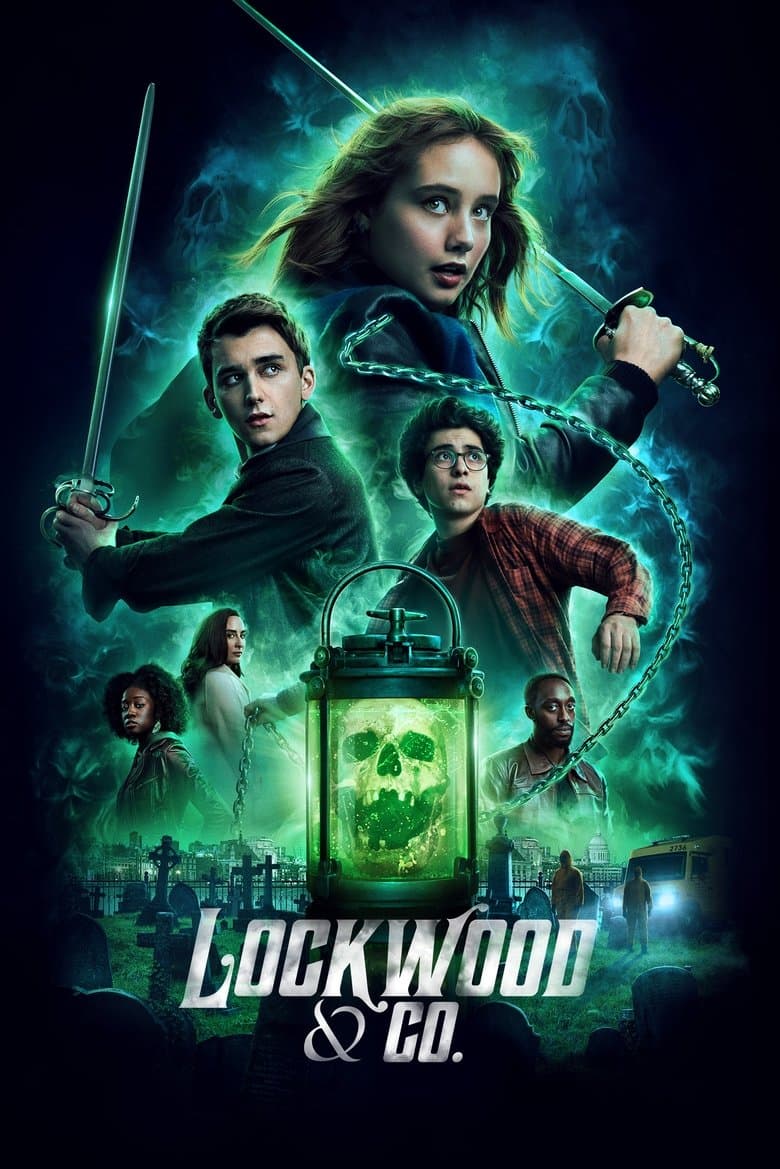
TV Show · 2023
A girl with extraordinary psychic abilities joins two gifted teen boys at a small ghost-hunting agency to fight the many deadly spirits haunting London.
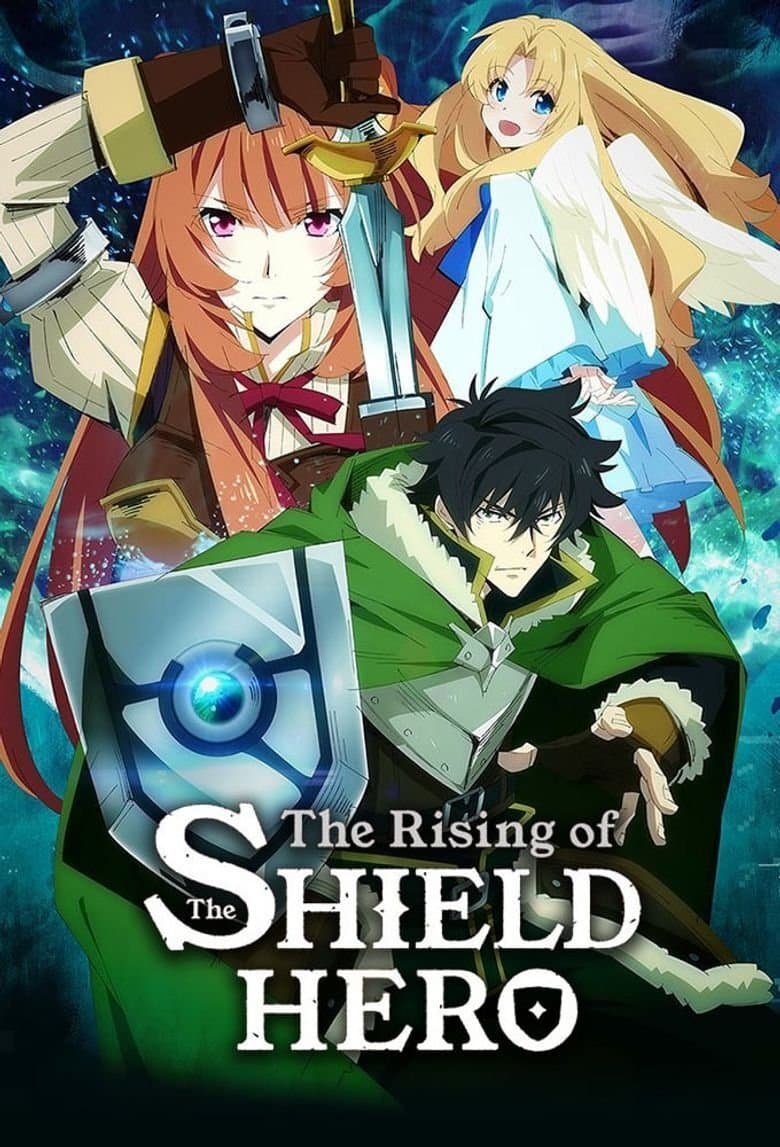
TV Show · 2019
Iwatani Naofumi, a run-of-the-mill otaku, finds a book in the library that summons him to another world. He is tasked with joining the sword, spear, and bow as one of the Four…
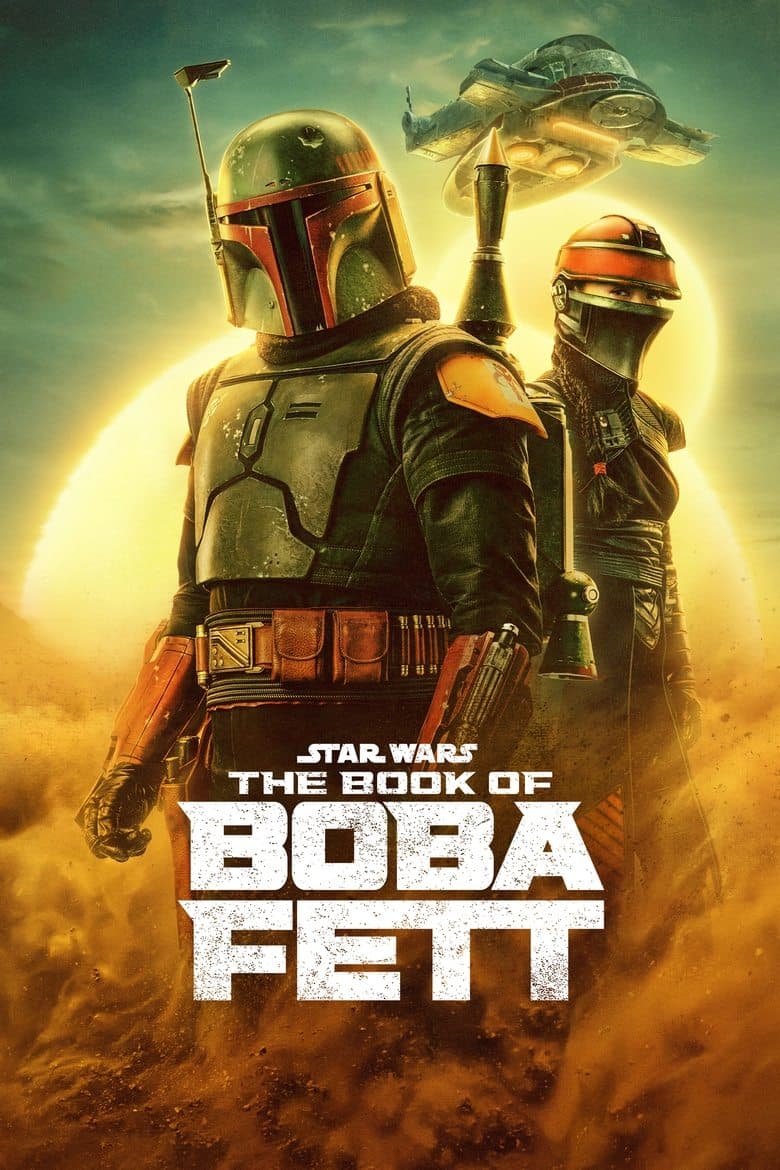
TV Show · 2021
Legendary bounty hunter Boba Fett and mercenary Fennec Shand must navigate the galaxy’s underworld when they return to the sands of Tatooine to stake their claim on the territory…
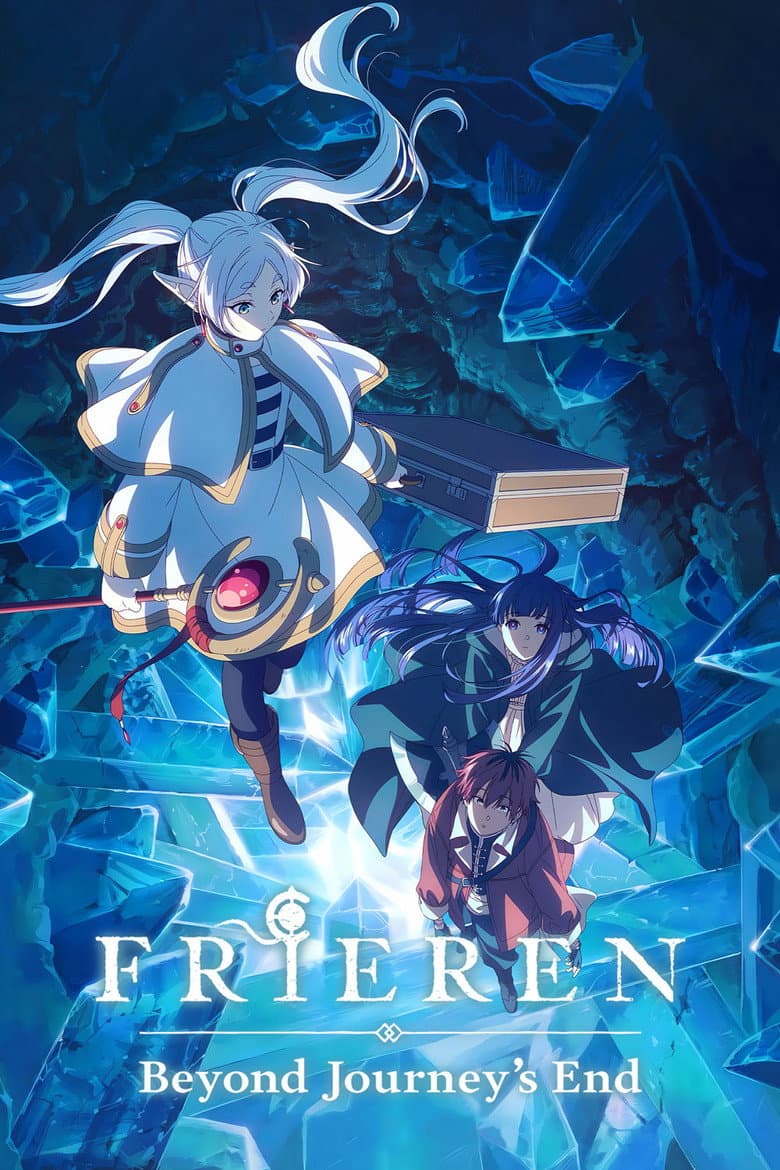
TV Show · 2023
After the party of heroes defeated the Demon King, they restored peace to the land and returned to lives of solitude.
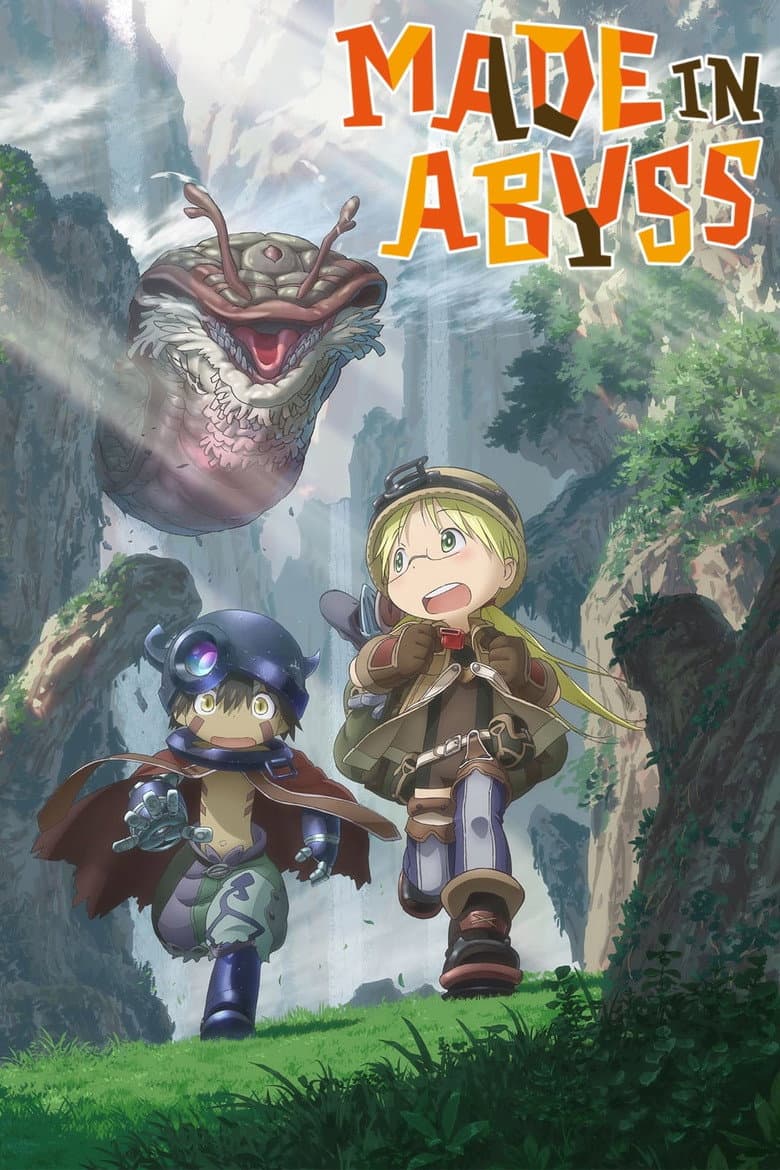
TV Show · 2017
Located in the center of a remote island, the Abyss is the last unexplored region, a huge and treacherous fathomless hole inhabited by strange creatures where only the bravest…
