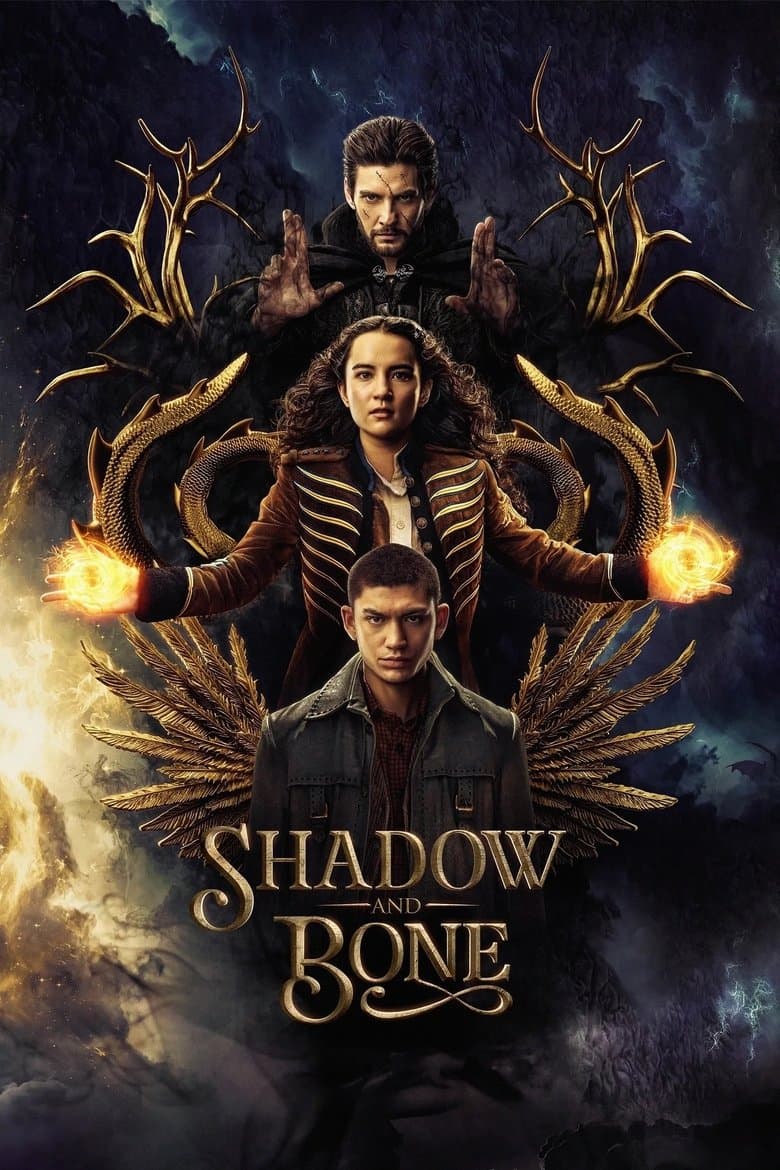
Started April 23, 2021 · Canceled · Based on 2 seasons, 16 episodes through March 16, 2023 · TV-14 · 52 min
Netflix’s Shadow and Bone is a young adult fantasy show about Alina Starkov, a mapmaker who becomes the Sun Summoner. She is the only hope against the Shadow Fold. Season 1 adapts the first book and also adds a Crows heist plot from the Six of Crows books. Season 2 compresses later books and more Crows material into one run. The core story is chosen-one fantasy, war, and power across two seasons before the show was canceled.
The series was openly built as a diversity and inclusion upgrade of the early Grishaverse books. The protagonist is race-changed into a half-Shu outsider and played by a mixed-race lead, with multi-ethnic casting framed as progress. LGBTQ romance expands on screen and peaks in Season 2, including clear queer couples and Jesper’s bisexuality. Alina’s racial outsider status is woven into her savior arc, and female agency is strengthened in the love story and supporting women. Identity themes are hard for viewers to miss even while the main plot stays Fold and Darkling fantasy.
Community feedback
Was our 89% Woke rating accurate?
Breakdown
These are the editorial factors and ratings behind our score for Shadow and Bone.
Woke representation / casting
The show casts Alina as half-Shu and uses a mixed-race lead on purpose. Marketing treats inclusive casting as a clear goal. The heroic group includes many characters of color. Some roles already match book nations, but the Alina change and diversity framing raise this far above neutral casting.
70%
Woke political dialogue
Characters say race-based insults and microaggressions aimed at Alina. Queer love is treated as normal without long activist speeches. Identity talk is clear but not endless modern political slogans.
38%
Identity-driven story themes
Alina’s half-Shu outsider status is tied into her savior path. Women get stronger agency in the love triangle and in plots like Genya’s court abuse. LGBTQ romance is repeated and easy to see, especially in Season 2. Identity stays visible even while the main plot is still Fold and Darkling fantasy.
76%
Western institutional / cultural critique
The corrupt monarchy and Genya’s abuse by the king show elite and institutional harm. The show softens toxic men so Alina leads more. Fjerda and the Apparat read as fantasy persecution, not a direct attack on modern Christianity or Western systems. Anti-patriarchy and anti-elite abuse are the main signals.
42%
Woke character or canon changes
Book Alina is remade as half-Shu so her outsider status is racial and visible. Creators describe early books as too straight and white and the show as a fix. Mal and Kirigan are rewritten for female agency. Crows characters arrive early to raise the on-screen identity mix, while Jesper and Wylan stay largely book-faithful.
74%
Anti-woke backlash and complaints
Some anti-woke viewers call the show woke garbage or complain about diversity-first choices. That pushback is real but not a huge national culture-war fight. Much public talk is pro-diversity or says the show is still not diverse enough. Backlash matters less than the adaptation itself.
28%
Creator track record context
Bardugo has said she moved the Grishaverse toward more diverse casting after early work felt too white and straight. Heisserer has pushed for characters beyond straight and white defaults. Key supporting creatives show a moderate to elevated representation pattern. This is not a uniform hard-activist slate.
52%
Production
TV Show · 2021
Two federal agents from two different continents, and two different mindsets, must work together to investigate when wreckage from a destroyed alien spacecraft has mysterious…
TV Show · 2018
After 250 years on ice, a prisoner returns to life in a new body with one chance to win his freedom: by solving a mind-bending murder.
TV Show · 2016
In the near future a family must make difficult decisions as they balance staying together with trying to survive.
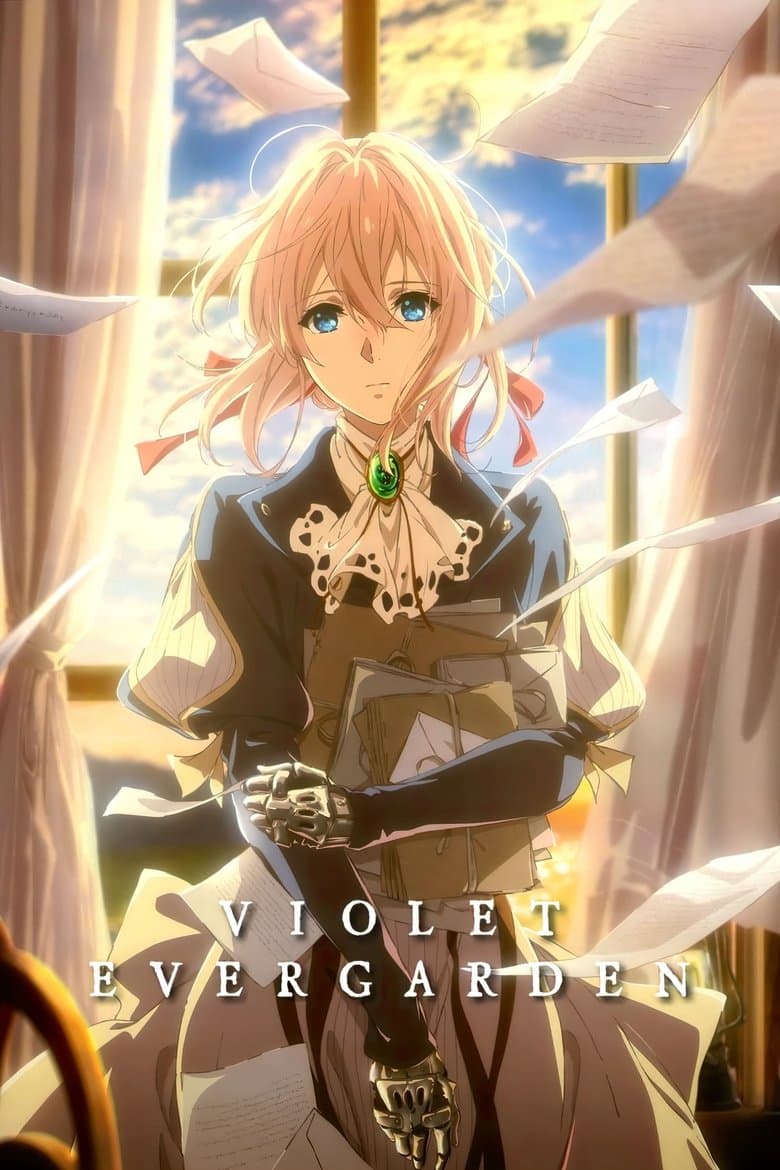
TV Show · 2018
The war is over, and Violet Evergarden needs a job. Scarred and emotionless, she takes a job as a letter writer to understand herself and her past.
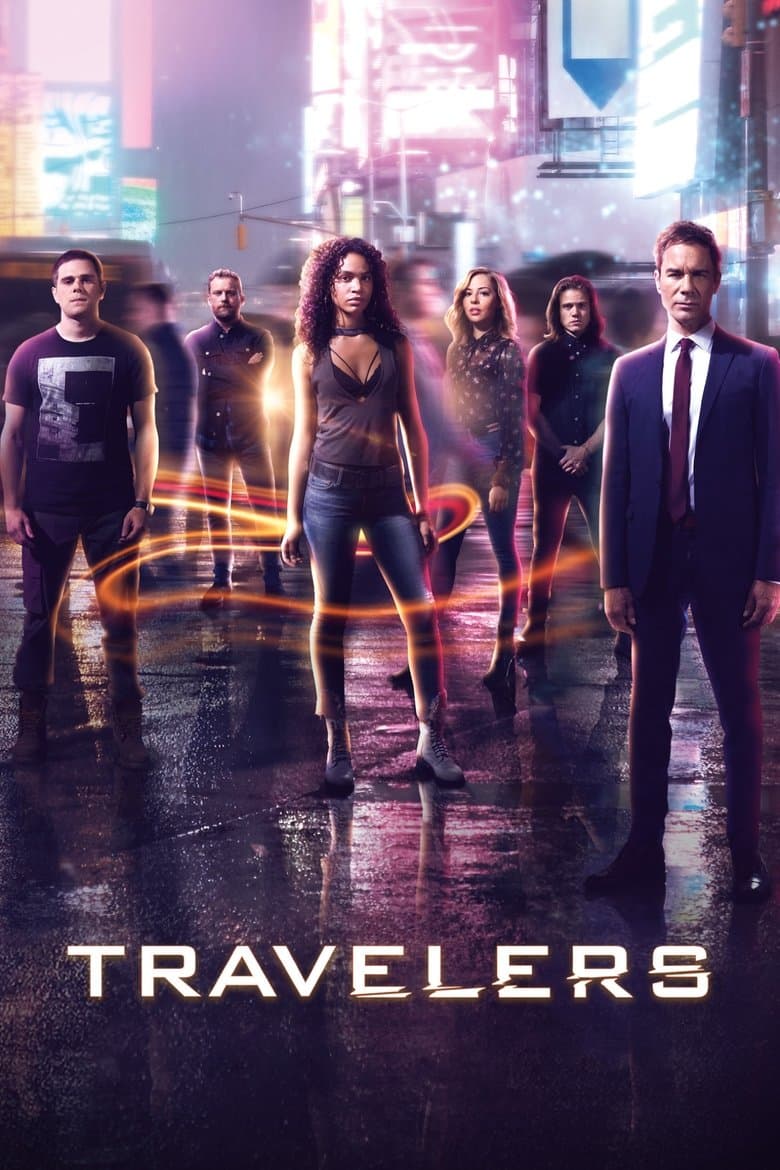
TV Show · 2016
Hundreds of years from now, the last surviving humans discover the means of sending consciousness back through time, directly into people in the 21st century.
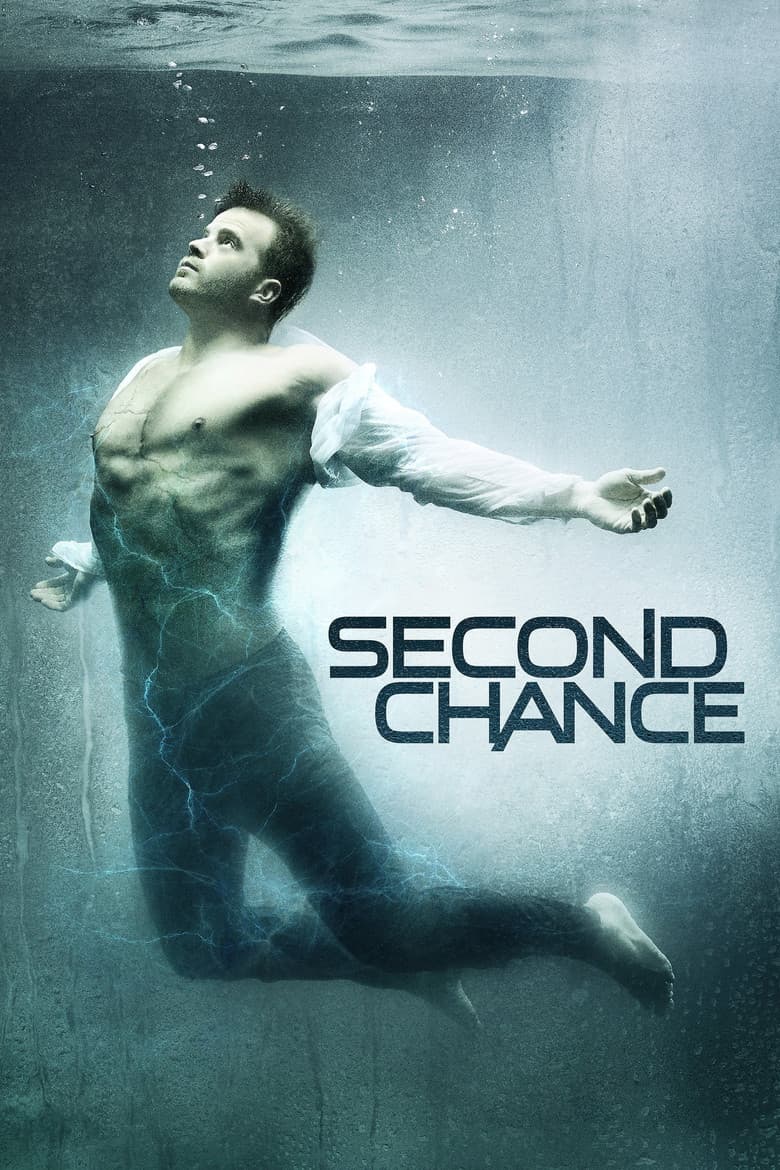
TV Show · 2016
A disgraced, 75-year-old ex-sheriff, whose life ends at the hands of corrupt cops, is brought back to life and given a second chance by a pair of young tech scientists, as a…
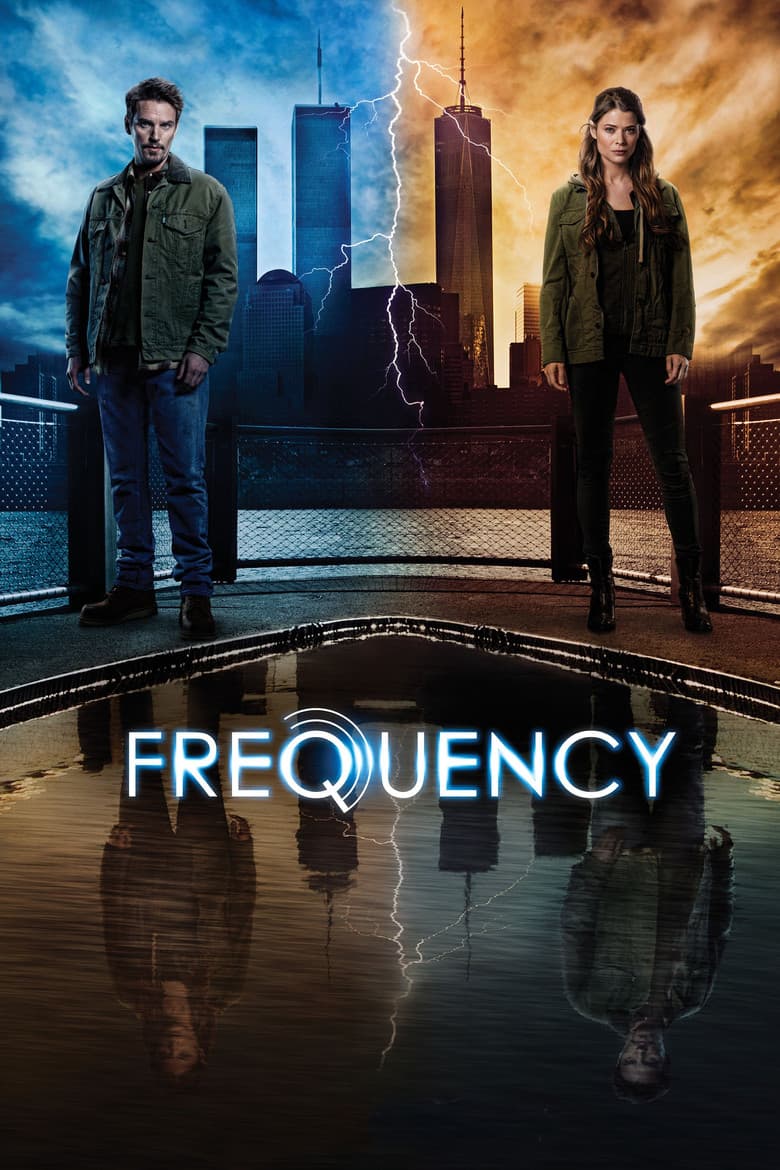
TV Show · 2016
Detective Raimy Sullivan is stunned when a voice suddenly crackles through her father’s old, long-broken ham radio – it’s Frank Sullivan, somehow transmitting over the airwaves…
TV Show · 2024
Rick and Michonne are thrown into another world, built on a war against the dead... And ultimately, a war against the living.
