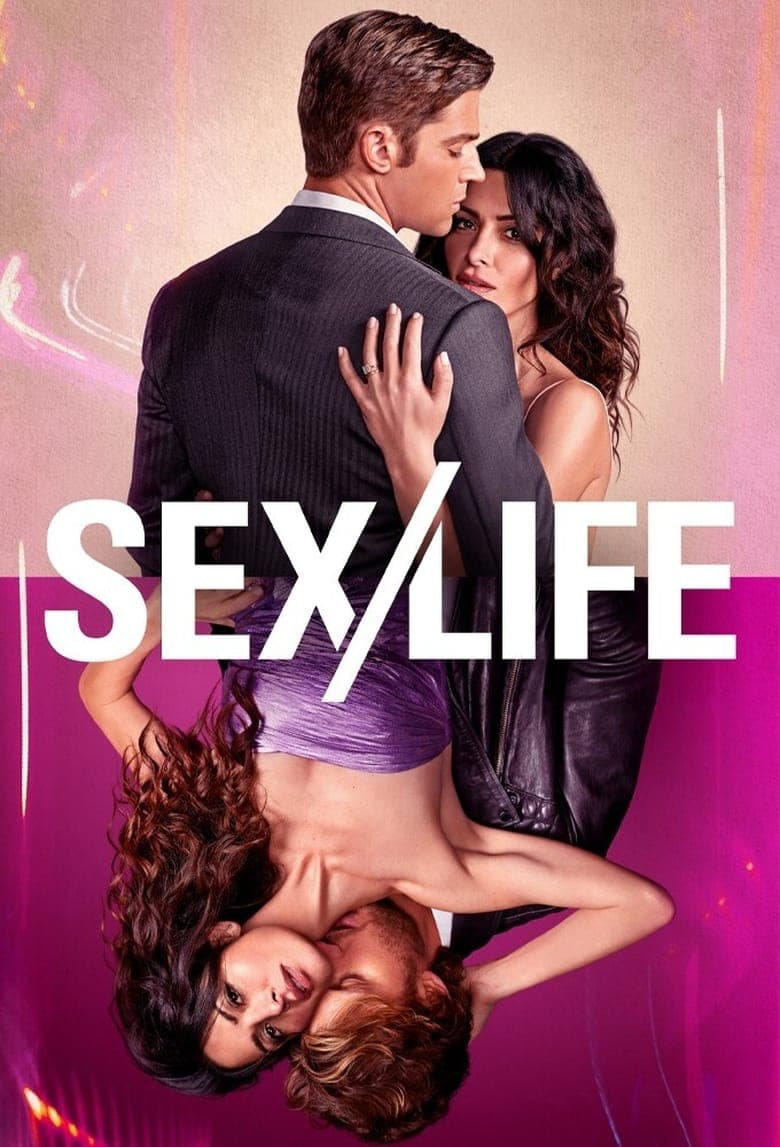
Started June 25, 2021 · Canceled · Based on 2 seasons, 14 episodes through March 2, 2023 · TV-MA
Sex/Life is a Netflix erotic drama series about a suburban mother of two who journals explicit memories of passionate sex with a bad-boy ex while feeling unfulfilled in her stable marriage and family life. The story follows her separation and move to New York, where she and her best friend Sasha pursue desire and independence. Sasha authors a book called The Third Way that urges women not to diminish themselves for traditional heterosexual marriages. The series centers female sexual desire, questions suburban domestic roles for women, and uses many explicit scenes filmed with a female gaze and focus on the heroine's pleasure.
Community feedback
Was our 50% Woke rating accurate?
Breakdown
These are the editorial factors and ratings behind our score for Sex/Life.
Woke representation / casting
Prominent roles for actresses of diverse backgrounds including Iranian-American lead Sarah Shahi and black actress Margaret Odette as Sasha, a psychology professor and author who becomes a feminist voice. Diversity fits a modern NYC and affluent Connecticut setting. No strong marketing or creator emphasis on identity quotas or signaling.
22%
Woke political dialogue
Sasha's book and appearances promote rejecting heterosexual marriages that require women to diminish themselves. Creator statements frame female sexual desire and agency as important and long-overdue against old limits on wives and mothers. Dialogue and arcs explore personal identity and fulfillment more than explicit political or institutional lectures.
32%
Identity-driven story themes
The premise and arcs focus on a woman's sexual past colliding with married motherhood and her need for full desire and self. Sasha's independence and self-celebration book provide a clear counter to traditional wife roles. The narrative questions conventional expectations in relationships and family while resolving with women achieving both careers and adoring partners.
42%
Western institutional / cultural critique
The show portrays traditional suburban marriage and the reliable "good guy" husband as potentially unfulfilling or limiting for women's full sexual and personal selves. It challenges Madonna/whore complexes and expectations of female sacrifice. Male characters sometimes appear inadequate by comparison. The story ultimately supports women finding balance with loving partners rather than broad systemic attacks on family or Western norms.
45%
Woke character or canon changes
Not relevant. The series creates original characters loosely inspired by a personal memoir with no established source material, canon characters, or historical figures altered for ideological reasons.
0%
Anti-woke backlash and complaints
Viewer comments and some coverage criticize glamorization of infidelity and toxic dynamics wrapped in female empowerment language. No significant organized backlash specifically accuses the show of advancing woke, DEI, race/gender ideology, or activist messaging. Most objections stayed with entertainment value, explicit content, and moral concerns about cheating.
12%
Creator track record context
Stacy Rukeyser has written about sexism in television and frames stories around women's desires, agency, and complex experiences. The team includes Patricia Rozema (feminist and queer cinema background) and Resheida Brady (black-centric shows and writer initiatives). Jessika Borsiczky worked on the LGBTQ history series When We Rise. Other writers and directors show limited public activist records. The pattern reflects liberal focus on gender, sexuality, and women's stories more than dominant modern identity or DEI activism.
38%
Production
TV Show · 2019
In the early 1990s in New York, during the height of the crack cocaine epidemic, a visionary musician named Bobby Diggs aka The RZA begins to form a super group of a dozen young…
TV Show · 2026
As the Kargil War erupts between India and Pakistan, the Golden Arrows squadron of the Air Force takes flight on a dangerous mission behind enemy lines.
TV Show · 2019
In the 1960s, Israeli clerk-turned-secret agent Eli Cohen goes deep undercover inside Syria on a perilous, years-long mission to spy for Mossad.
TV Show · 2021
Follow the Dutton family as they embark on a journey west through the Great Plains toward the last bastion of untamed America.
TV Show · 2024
In Japan in the year 1600, at the dawn of a century-defining civil war, Lord Yoshii Toranaga is fighting for his life as his enemies on the Council of Regents unite against him…
TV Show · 2026
Rip Wheeler and Beth Dutton gamble everything on a new life in South Texas, but the promise of building a future far from the ghosts of Yellowstone quickly collides with brutal…
TV Show · 2022
Oscar-winning producer Al Ruddy’s never before revealed experiences of making the iconic 1972 film The Godfather that Francis Ford Coppola directed and adapted with Mario Puzo.
TV Show · 2019
The true story of one of the worst man-made catastrophes in history: the catastrophic nuclear accident at Chernobyl.
