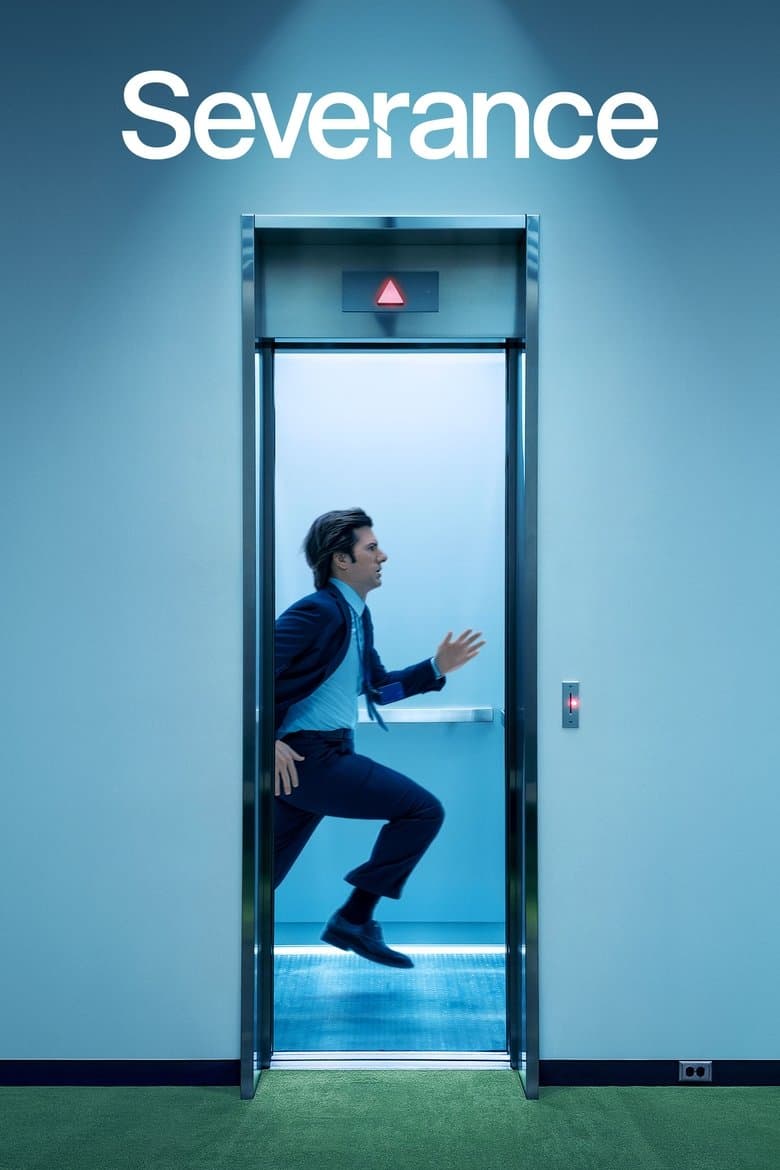
Started February 17, 2022 · Returning Series · Based on 2 seasons, 19 episodes through March 20, 2025 · TV-MA
Severance follows Mark Scout and his colleagues at the mysterious Lumon Industries who undergo a surgical procedure that completely separates their work memories from their personal lives, creating distinct "innie" and "outie" selves. Across the first two seasons, the story builds a mystery around the company's true purpose while exploring themes of identity, memory, corporate control, and personal rebellion. The series includes a noticeable subplot of a developing gay romance between two older male colleagues that is portrayed as ordinary and low-key, plus season-two satirical elements around corporate diversity gestures and workplace racial dynamics through one black manager's experiences.
Community feedback
Was our 63% Woke rating accurate?
Breakdown
These are the editorial factors and ratings behind our score for Severance.
Woke representation / casting
Natural ethnic mix fits a modern U.S. office; key black roles (Dylan, Milchick) and Asian-Australian actress in recurring part appear organic to the story world rather than signaling or mismatched. Season 2 uses one arc to mock corporate tokenism.
38%
Woke political dialogue
Frequent scenes and lines critique corporate exploitation, empty "reforms," cult-like loyalty demands, and how work erodes the self; strong anti-capitalist tone backed by creator comments, but presented as philosophical satire rather than partisan lectures.
48%
Identity-driven story themes
Central premise is about split identity and personal autonomy. The Irving-Burt gay romance is audience-visible, low-drama, and normalized across seasons without messaging. Racial workplace satire in season 2 adds secondary identity layer but stays tied to corporate critique.
52%
Western institutional / cultural critique
Sharp, recurring satire portrays corporations as dehumanizing institutions that steal humanity, co-opt rebellion, and deploy superficial inclusion tactics (e.g., Milchick's performance review and founder reimagining). Focuses on power, class, and alienation rather than specific modern identity frameworks like patriarchy or systemic racism.
58%
Woke character or canon changes
Not present in this title.
0%
Anti-woke backlash and complaints
Scattered online complaints about "DEI slop," diversity casting, or the Milchick storyline as woke; no major mainstream right-leaning coverage, boycotts, or widespread debate.
12%
Creator track record context
Patricia Arquette's strong activism history and Amanda Overton's LGBTQ+ advocacy raise the average; Dan Erickson, Ben Stiller, Rachel Tenner, and most other writers/directors show low or moderate mainstream liberal profiles without strong identity or activist patterns.
37%
Production
TV Show · 2018
After 250 years on ice, a prisoner returns to life in a new body with one chance to win his freedom: by solving a mind-bending murder.
TV Show · 2016
Kyle Barnes has been plagued by possession since he was a child. Now an adult, he embarks on a spiritual journey to find answers, but what he uncovers could mean the end of life…
TV Show · 2021
Interconnected phone conversations chronicle the mysterious story of a group of strangers whose lives are thrown into disarray in the lead-up to an apocalyptic event.
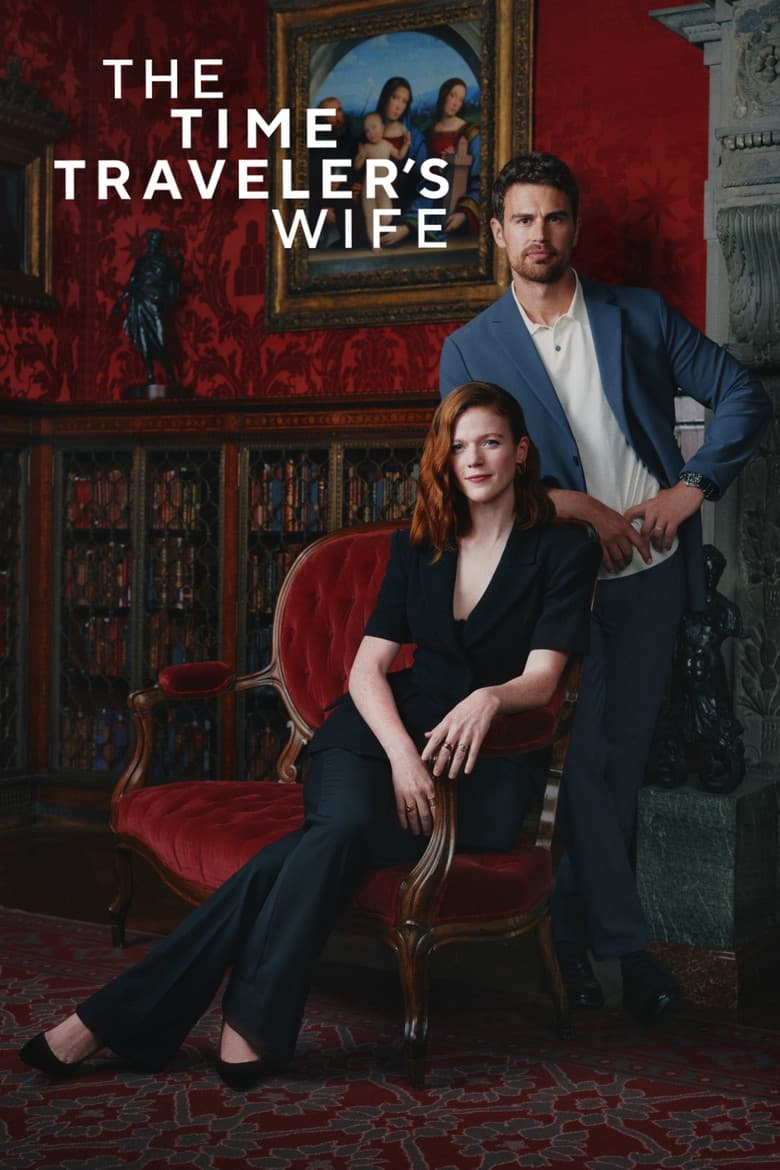
TV Show · 2022
The intricate and magical love story of Clare and Henry, and a marriage with a problem… time travel.
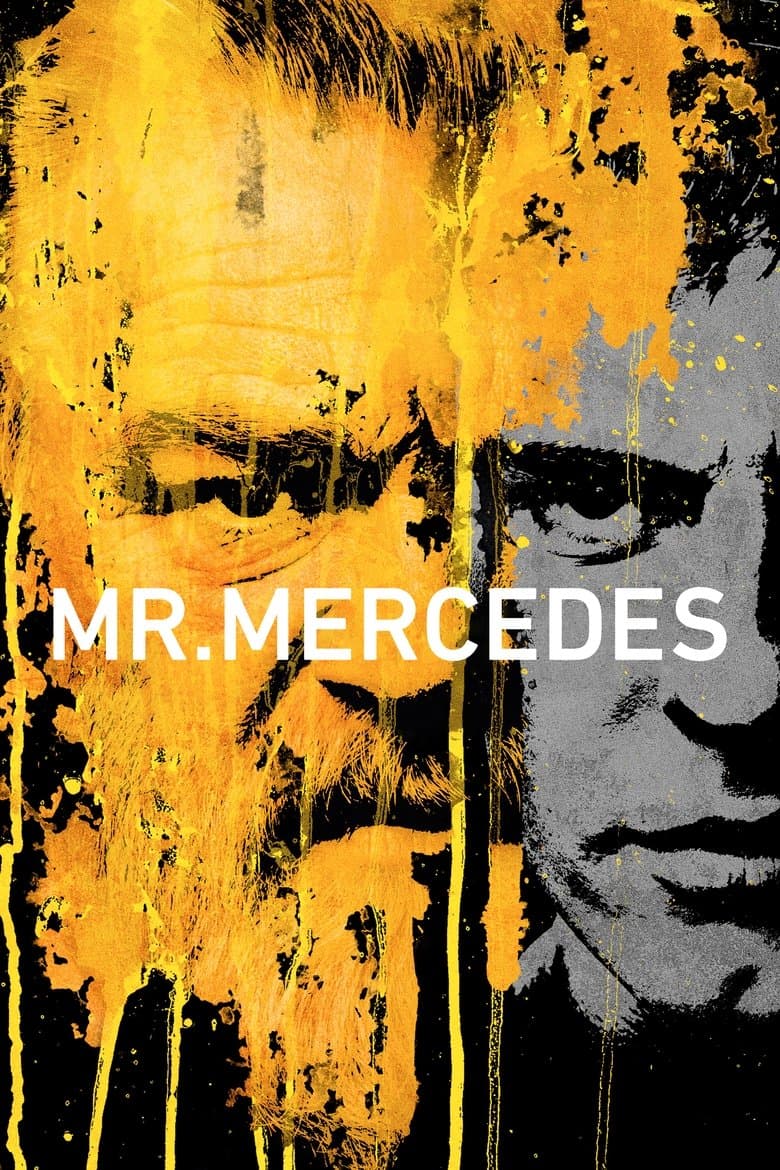
TV Show · 2017
A demented serial killer taunts a retired police detective with a series of lurid letters and emails, forcing the ex-cop to undertake a private, and potentially felonious, crusade…
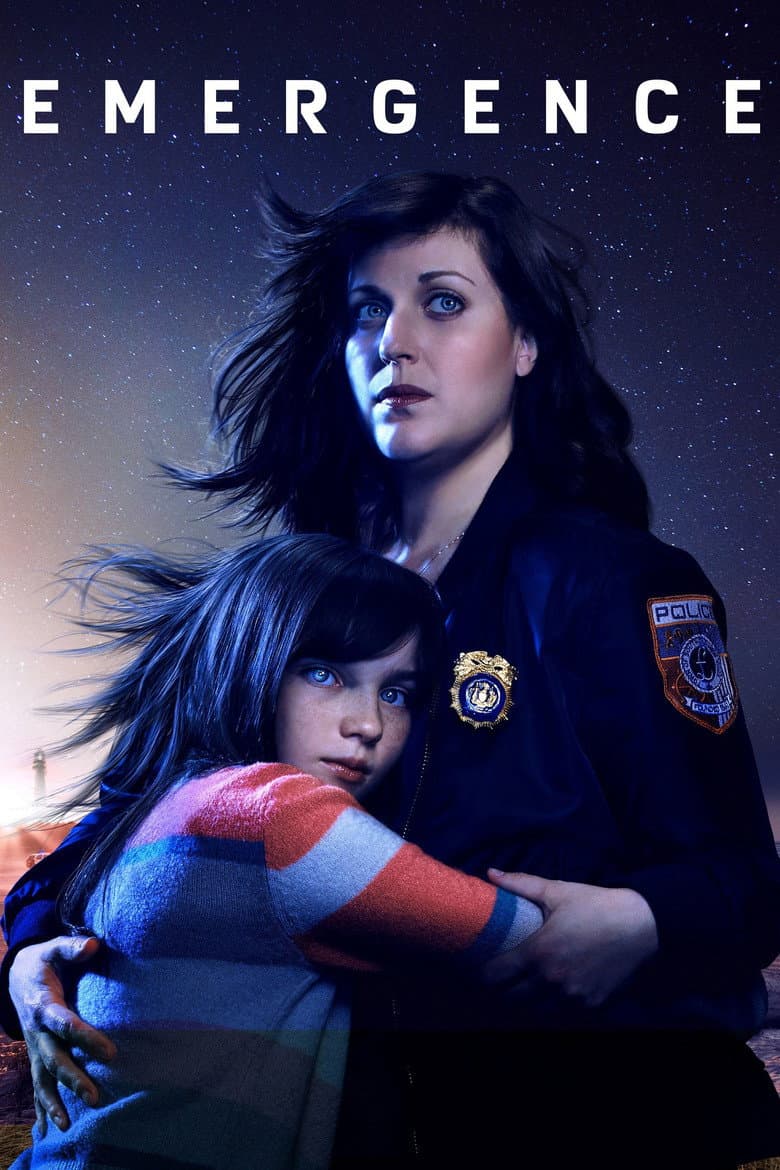
TV Show · 2019
A police chief takes in a young child she finds near the site of a mysterious accident who has no memory of what has happened.
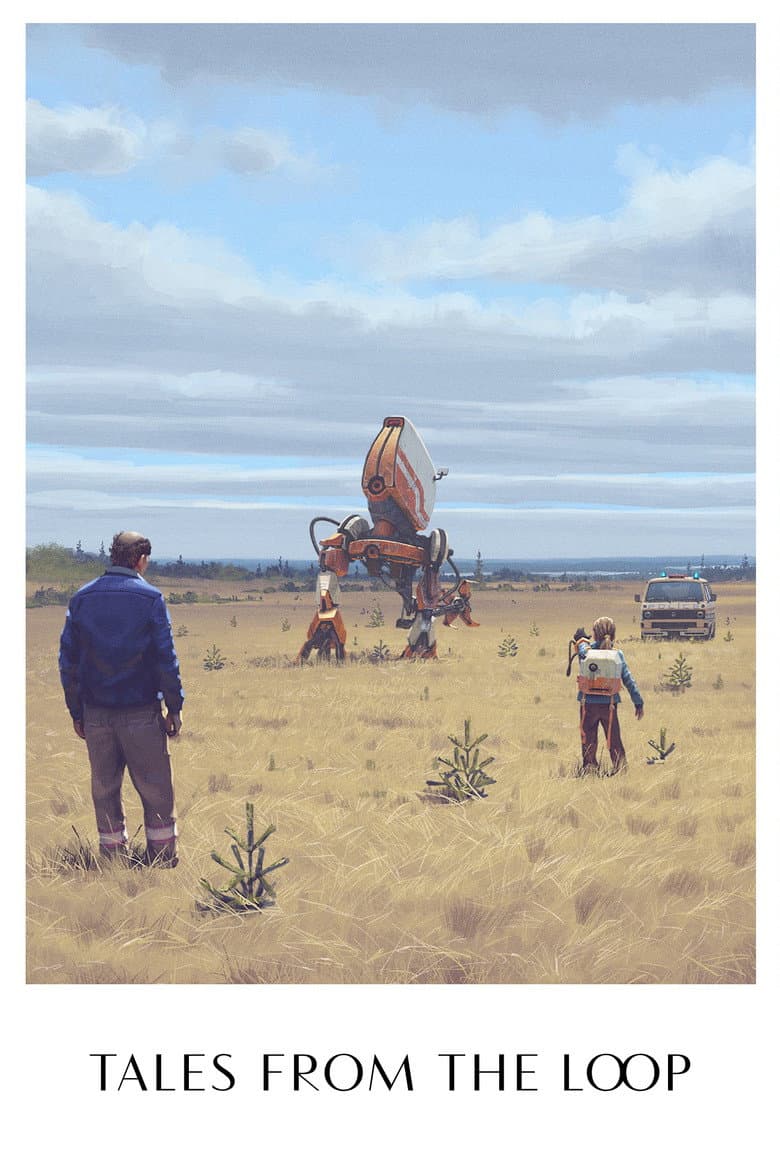
TV Show · 2020
The story of the town and people who live above “The Loop,” a machine built to unlock and explore the mysteries of the universe – making things possible that were previously…
TV Show · 2024
When a fatal accident occurs on board the International Space Station, a lone astronaut makes the heroic journey back to Earth, only to discover key pieces of her life—including…
