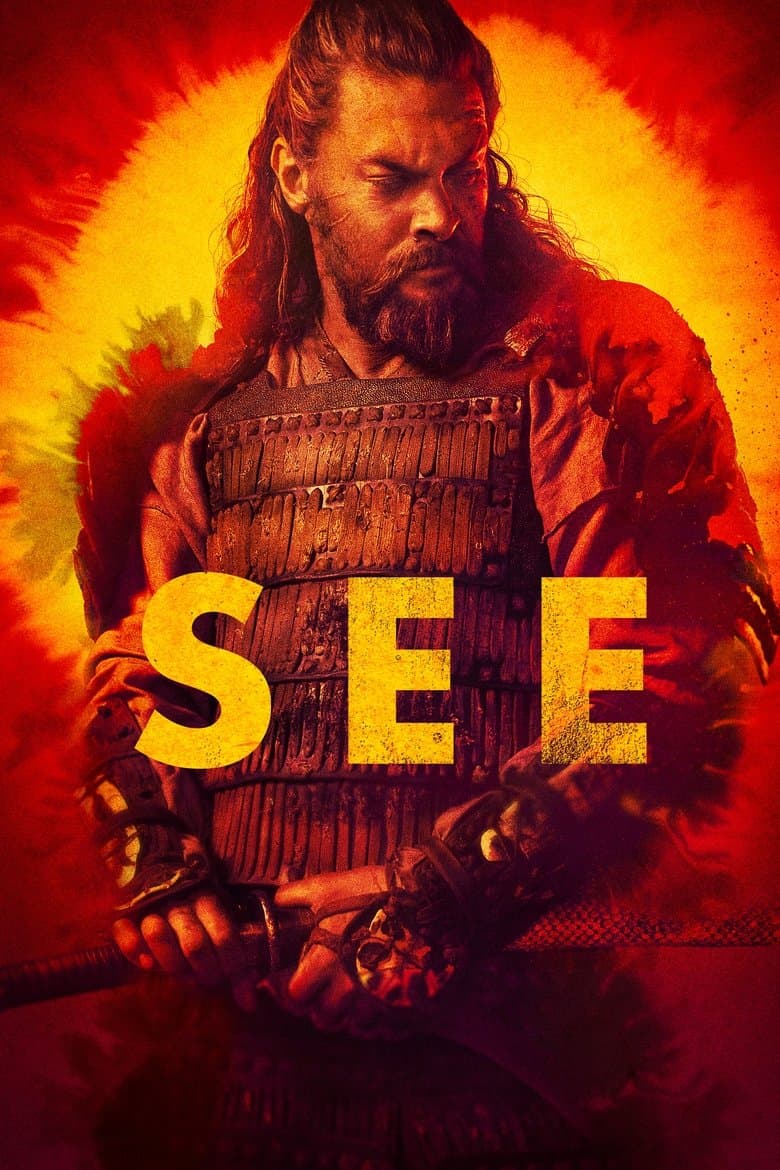
Started November 1, 2019 · Ended · Based on 3 seasons, 24 episodes through October 13, 2022 · TV-MA
Centuries after a virus leaves people blind, sight becomes a myth and a crime. Tribal warrior Baba Voss marries Maghra and adopts her twins Kofun and Haniwa, who can see. Queen Sibeth Kane and her Witchfinders hunt the family. Across three seasons the story moves from tribal survival into kingdom politics, war between Payan and Trivantes, Maghra rising as queen, sighted weapons, and the twins making hard adult choices.
Viewers see multi-ethnic leads and strong female rulers and warriors as a clear part of the cast and power structure. Production also pushed disability inclusion with blind and low-vision actors and a consultant on set. Haniwa has a lasting lesbian romance with Wren that leads to marriage in season three. Payan rule is a corrupt theocracy that sexualizes and twists Christian-coded prayer. These identity and religion notes sit on a loud action and war story rather than turning every episode into activist dialogue.
Community feedback
Was our 49% Woke rating accurate?
Breakdown
These are the editorial factors and ratings behind our score for See.
Woke representation / casting
Multi-ethnic leads and strong female rulers and warriors are easy to see on screen. Disability inclusion was a deliberate production priority with blind and low-vision actors and a consultant. The far-future setting softens historical mismatch, but casting and marketing still signal identity as a clear priority.
44%
Woke political dialogue
Most talk is about survival, loyalty, war, and hunting heretics. There is little modern activist speech about race, gender theory, or DEI. Mild signals come from religious parody lines more than scripted slogans.
18%
Identity-driven story themes
The main engine is family, heresy, power, and war. Later seasons still make identity hard to miss through Haniwa and Wren’s multi-season romance and marriage. Maghra’s queen arc and press framing of disability and capability add more identity weight on top of the action story.
52%
Western institutional / cultural critique
Payan rule is a corrupt theocracy that hunts the sighted. Queen Kane’s worship twists Christian-coded prayer and heresy language. That religion-as-corrupt-power frame drives the score more than a modern lecture on the Church, race, or capitalism.
34%
Woke character or canon changes
Not relevant. This is an original series with no established literary or historical figures rewritten for identity politics.
0%
Anti-woke backlash and complaints
There was no major mainstream anti-woke news cycle. Most criticism focused on pacing, plot logic, violence, and worldbuilding. Isolated online notes about the Haniwa and Wren romance did not define the show’s reception.
5%
Creator track record context
Main creatives land low to moderate on prior context. Casting and directing outliers lean more toward equity and diversity recognition. The overall crew pattern supports mild context rather than an activist franchise brand.
22%
Production
TV Show · 2025
Before The Terminal List, Navy SEAL Ben Edwards finds himself entangled in the black operations side of the CIA.
TV Show · 2026
A century before the events of Game of Thrones, two unlikely heroes wandered Westeros: a young, naive but courageous knight, Ser Duncan the Tall, and his diminutive squire, Egg.
TV Show · 2017
Daredevil, Jessica Jones, Luke Cage and Iron Fist join forces to take on common enemies as a sinister conspiracy threatens New York City.
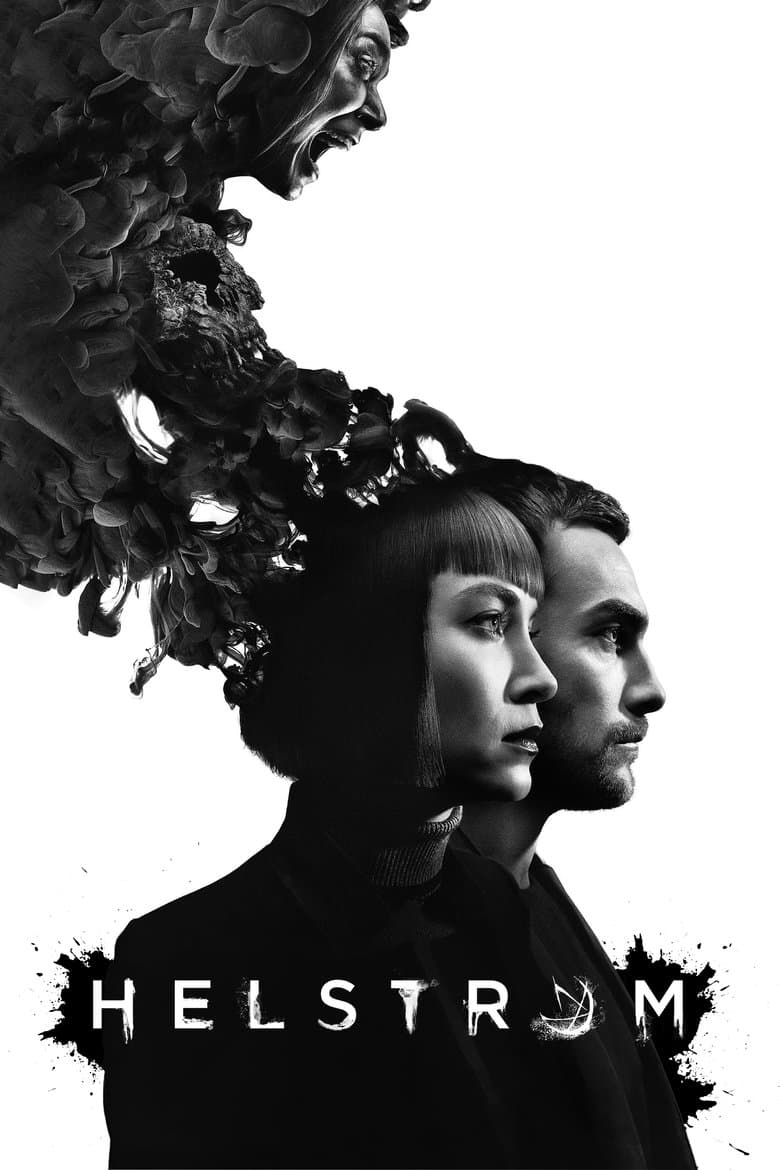
TV Show · 2020
Daimon and Ana Helstrom are the son and daughter of a mysterious and powerful serial killer. The siblings have a complicated dynamic as they track down the terrorizing worst of…
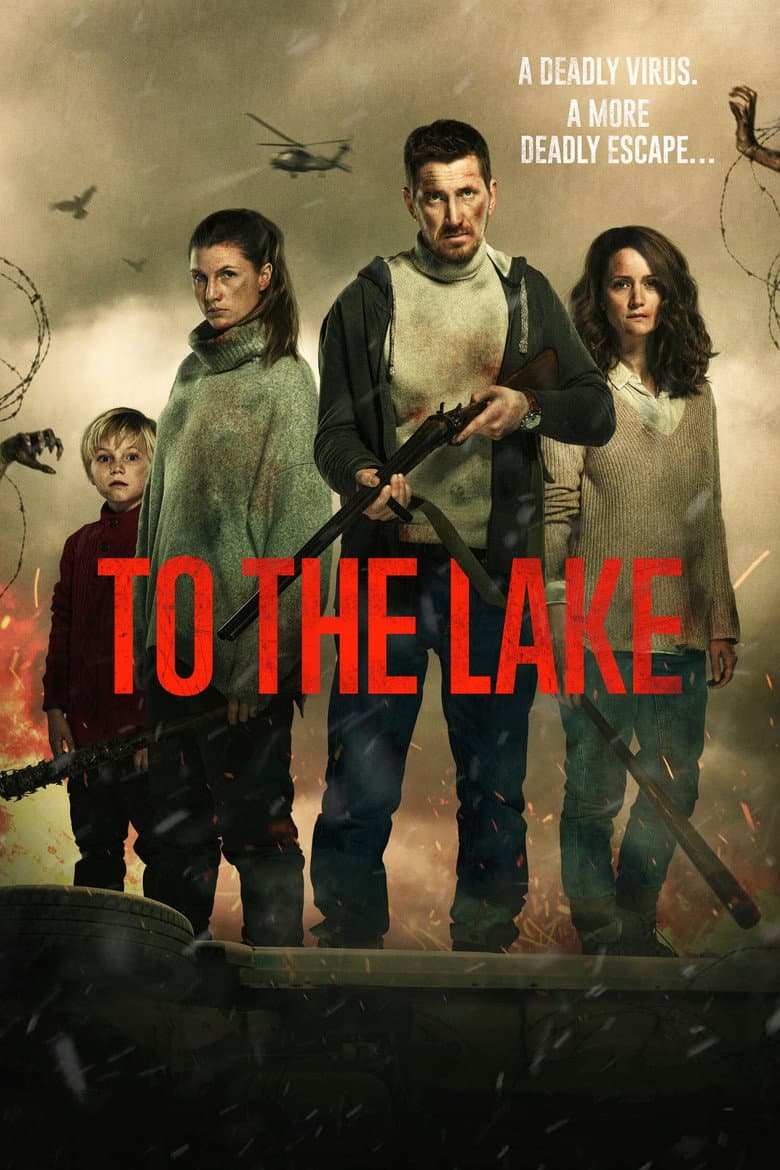
TV Show · 2019
A grim drama that unfolds against the backdrop of a global catastrophe. An unknown new virus turns Moscow into a city of the dead.
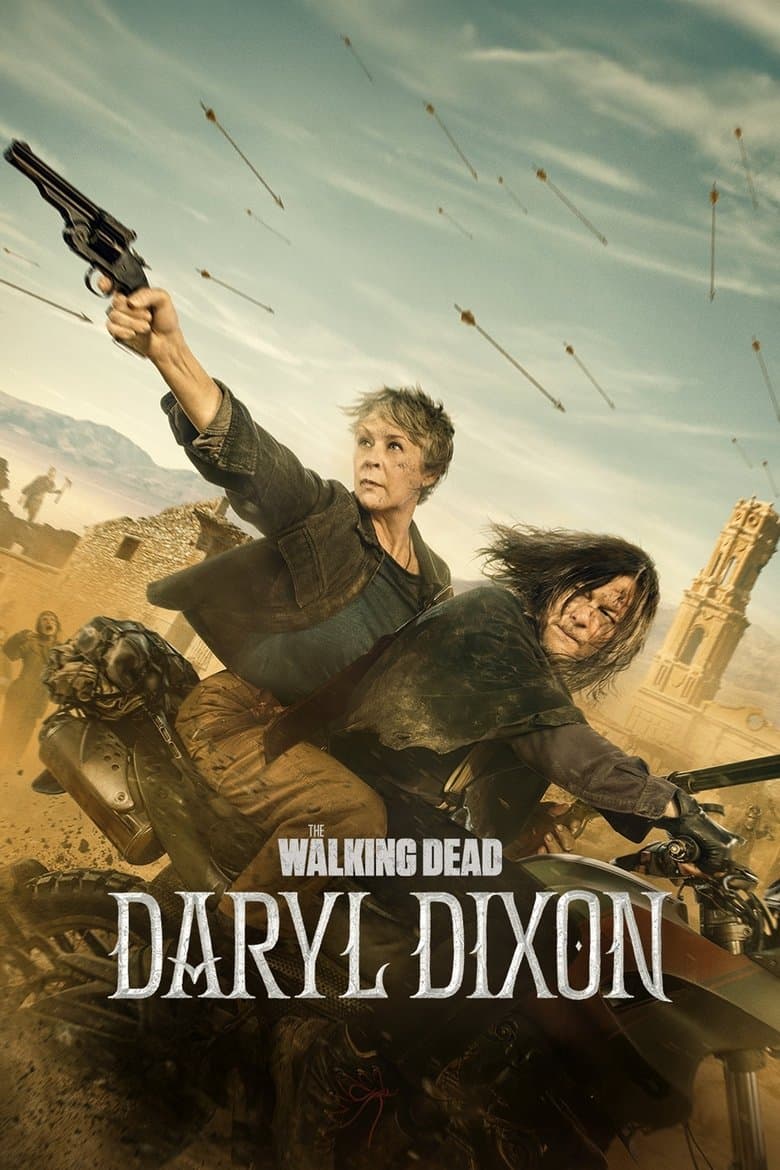
TV Show · 2023
After washing ashore in France, Daryl struggles to piece together how he got there and why, as he navigates a fractured, walker-infested landscape to find his way home.
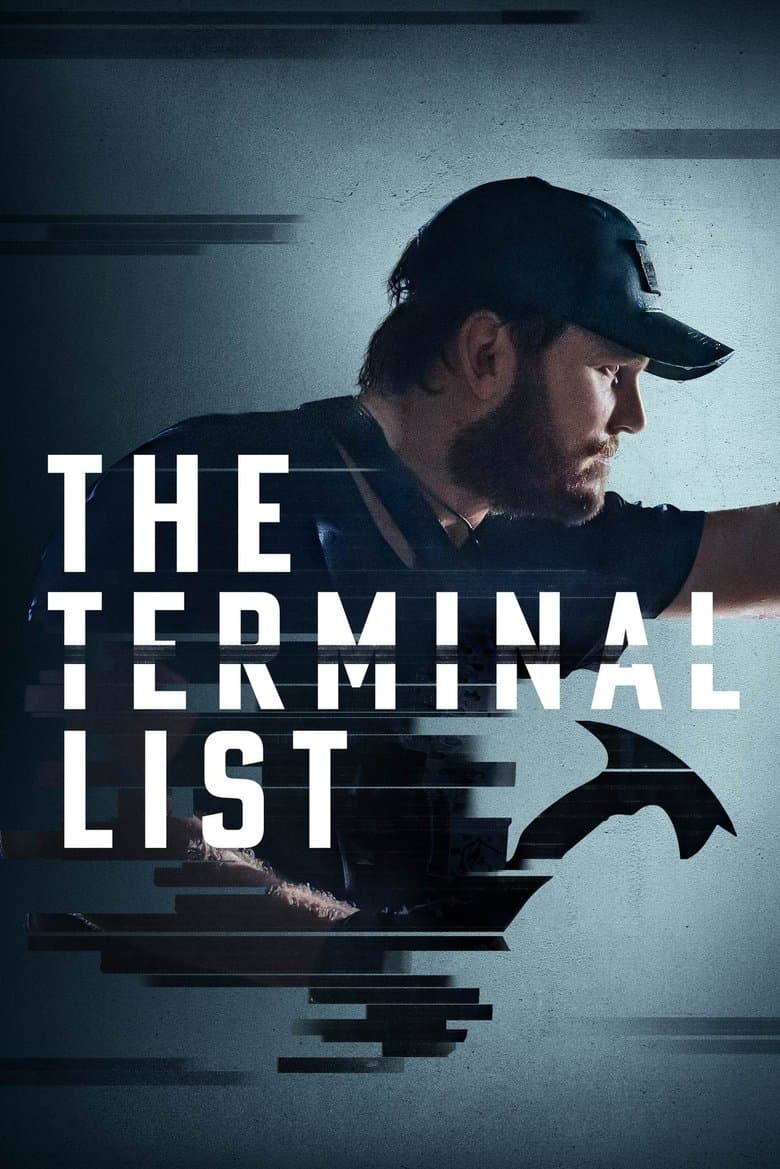
TV Show · 2022
Navy SEAL Commander James Reece turns to vengeance as he investigates the mysterious forces behind the murder of his entire platoon.
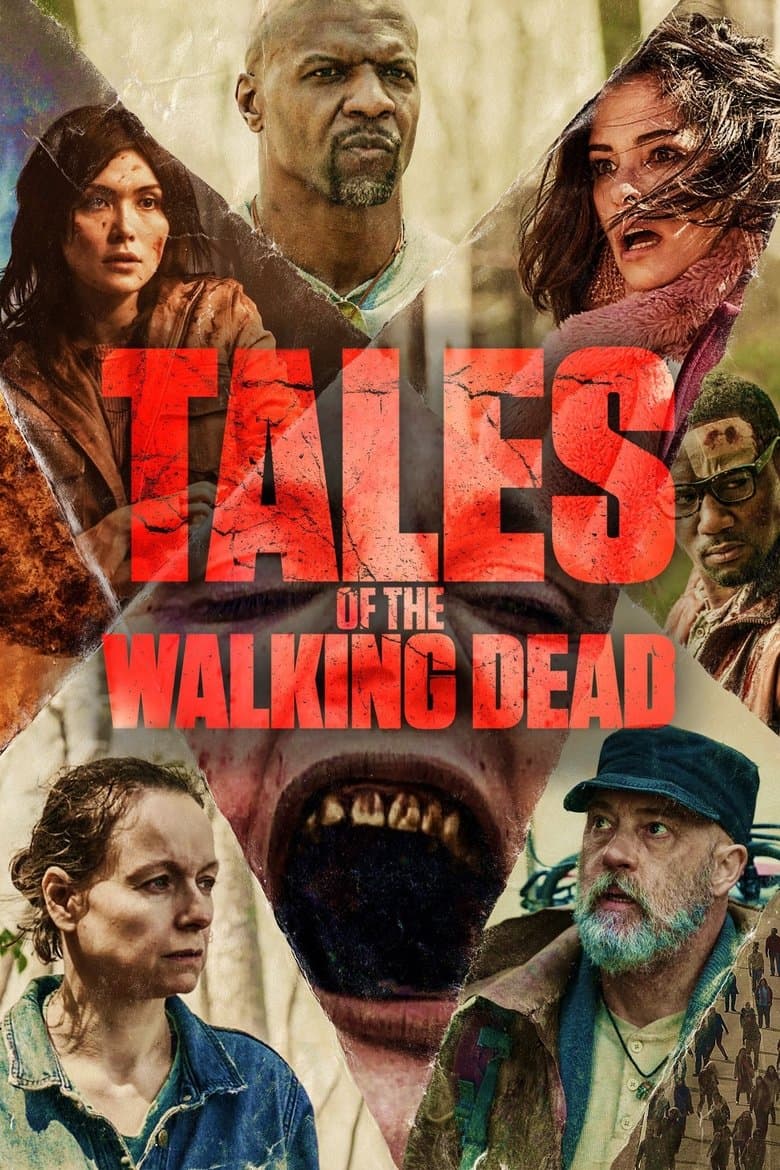
TV Show · 2022
An episodic anthology series focused on both new and established characters set in the world of "The Walking Dead."
