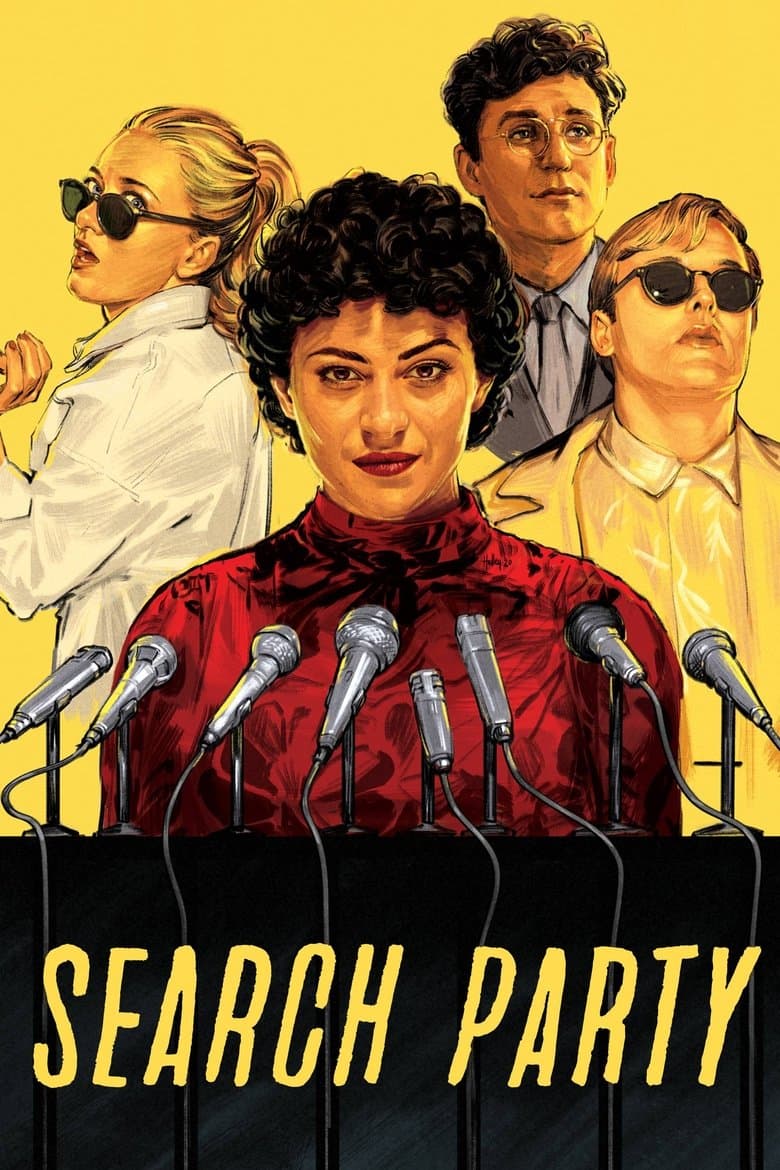
Started November 21, 2016 · Based on 5 seasons, 50 episodes · TV-MA · 22 min
Search Party is a dark comedy about four self-absorbed New York twenty-somethings whose search for a missing college acquaintance spirals into murder, cover-ups, a media trial, kidnapping, and later surreal adventures with cults, influencers, and apocalypse. The show uses shifting genres and absurd humor to satirize millennial narcissism, self-deception, the search for meaning, and how people justify terrible choices. It features a central flamboyant gay character across all seasons and an explicit queer romance in the final season, plus season 3 satire on privileged people navigating the justice system that creators tied to white privilege and social denial.
Community feedback
Was our 46% Woke rating accurate?
Breakdown
These are the editorial factors and ratings behind our score for Search Party.
Woke representation / casting
Prominent central gay character Elliott appears flamboyantly across all five seasons with a recurring boyfriend; season 5 adds an explicit queer romance between Dory and Portia that creators and cast confirmed as intentional. Cast includes ethnic diversity such as Dory (Iraqi-American actress and character background with immigrant parents shown) and early supporting black character Julian. This fits the modern New York setting and gains weight from visible LGBTQ elements per scoring emphasis, though characters stay flawed anti-heroes without identity-based competence signaling or quota-style focus.
42%
Woke political dialogue
Direct political lectures are rare; characters sometimes use or twist social justice-style language in self-serving ways that the absurdity mocks. Season 3 trial plot involves media spin and denial in the justice system. Creators explicitly connected themes of denial and privilege to real-world social movements, but the narrative delivers this through personal character flaws and comedy rather than sustained activist dialogue.
25%
Identity-driven story themes
Core premise and arcs focus on universal narcissism, moral ambiguity, self-deception, and chasing purpose amid escalating chaos, not identity politics as the driver. Season 3 justice system satire includes creator-framed elements of white privilege and social denial tied to contemporary movements. Prominent gay character throughout and season 5 queer romance add visible identity layers to the friend group dynamics and personal stories.
38%
Western institutional / cultural critique
Season 3 offers noticeable satire on the criminal justice system, media sensationalism around trials, privileged characters' lies and denial, and fame-seeking in media/politics (including Elliott's conservative pundit turn for clout). Creators framed parts of it as commentary on white privilege and denial amid movements like BLM and police reform. Later seasons mock tech futurists, influencer grift, and performative spiritual self-help. The absurdist comedy tone keeps it from heavy modern activist systemic critiques of patriarchy or capitalism.
42%
Woke character or canon changes
Not present in this title.
0%
Anti-woke backlash and complaints
No significant or widely reported anti-woke complaints exist that treat the show as pushing woke, DEI, identity-driven, or left-wing political content. Public and critical reaction centered on its satire of narcissism and humor, with niche positive notes on queer elements instead.
0%
Creator track record context
Key figures include Charles Rogers (satirical work on absurdity and identity performance) and Alia Shawkat (advocacy background). Most other producers and writers have low cached scores around 10–16 with no activist histories. The actual series content and interviews emphasize comedic satire on human flaws over activist or identity-first messaging.
32%
Production
TV Show · 2018
A hit man from the Midwest moves to Los Angeles and gets caught up in the city's theatre arts scene.
TV Show · 2019
A group of working-class friends finding unconventional ways to win at life in suburban northern England. These lads have dealt, scammed, bribed and conned their way through…
TV Show · 2024
When aristocratic Eddie inherits the family estate, he discovers that it's home to an enormous weed empire — and its proprietors aren't going anywhere.
TV Show · 2019
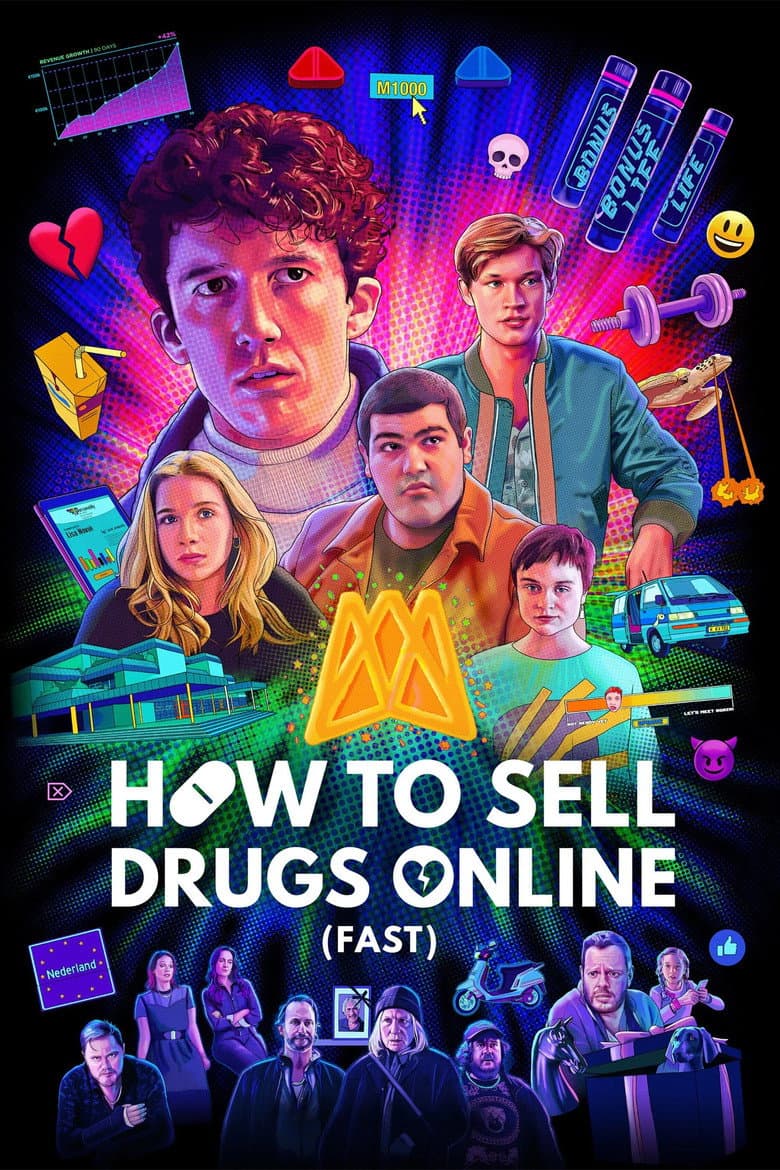
To win back his ex-girlfriend, a nerdy teen starts selling ecstasy online out of his bedroom -- and becomes one of Europe's biggest dealers.

TV Show · 2021
A seemingly ordinary British couple become the focus of an extraordinary investigation when two dead bodies are discovered in the back garden of a house in Nottingham.

TV Show · 2026
The dynamic between the two contrasting personalities, a seasoned cop who prefers old-school methods and a tech-savvy cop who relies on modern technology for investigations, as…
TV Show · 2019
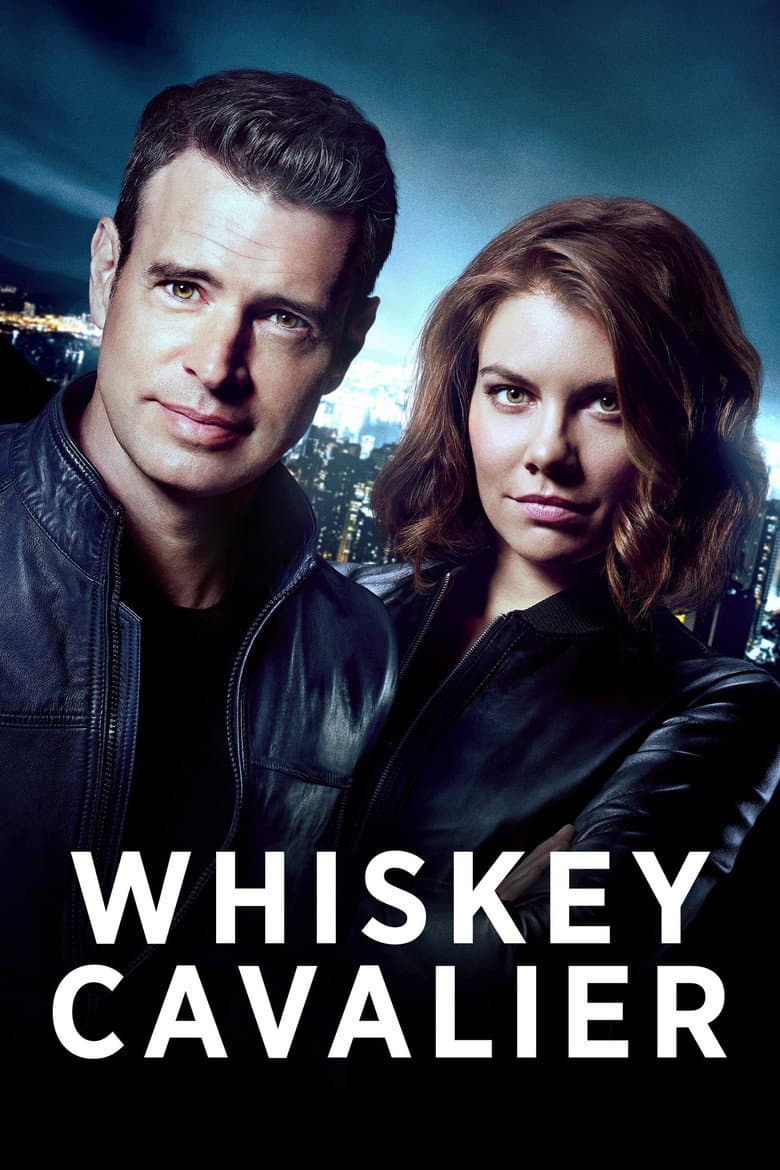
Following an emotional breakup, tough but tender FBI super-agent Will Chase (codename: “Whiskey Cavalier”) is assigned to work with badass CIA operative Frankie Trowbridge…
TV Show · 2017
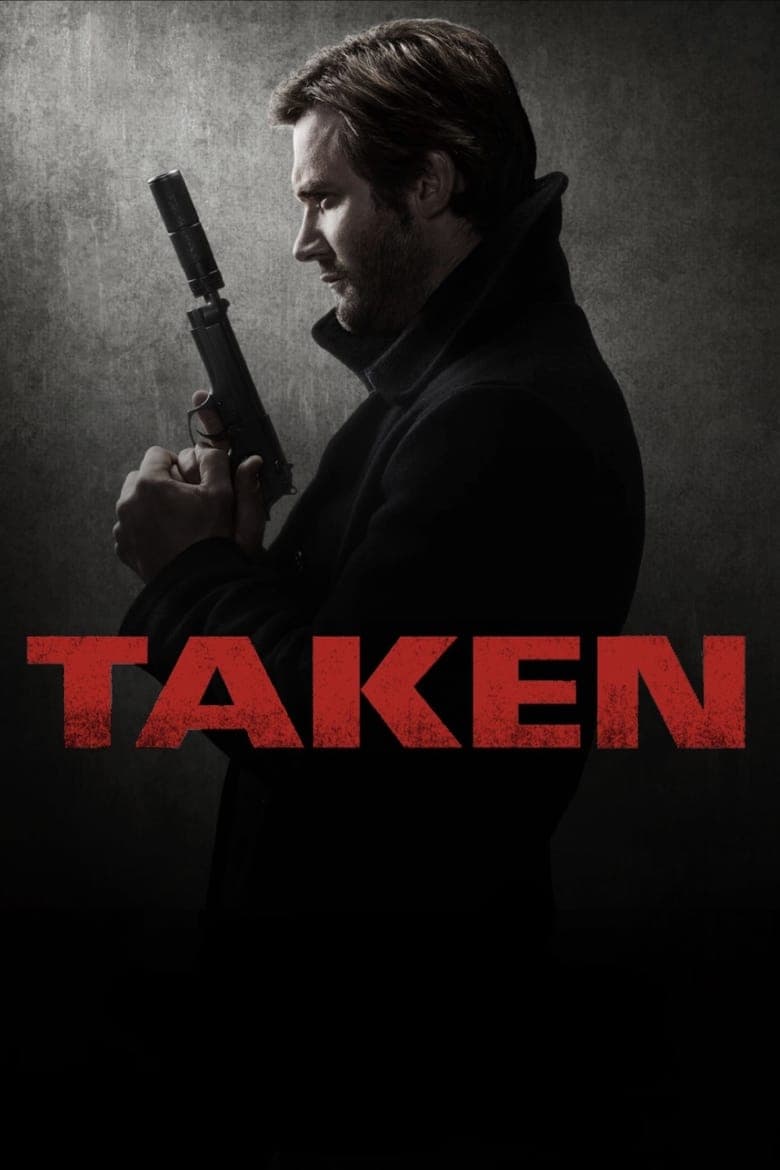
The origin story of younger, hungrier, former Green Beret Bryan Mills as he deals with a personal tragedy that shakes his world.
