
Started September 27, 2017 · Ended · Based on 7 seasons, 112 episodes through October 6, 2024 · TV-14
SEAL Team is a military drama following Bravo Team, an elite Navy SEAL unit, as they plan and execute high-stakes global missions while navigating the personal costs including PTSD, family strain, team losses, addiction, and injuries across seven seasons that ended in 2024. The series stresses operational authenticity with heavy veteran involvement in cast, crew, writing, and consulting. Later seasons shift toward more character drama, mental health advocacy, command bureaucracy critiques, and evolving special operations roles amid great-power competition. Production drew documented anti-DEI complaints via a 2024 lawsuit alleging race and sex preferences in the writers room, and some viewers criticized season 7 episodes or overall tone as overly focused on personal stories or "woke."
Community feedback
Was our 31% Woke rating accurate?
Breakdown
These are the editorial factors and ratings behind our score for SEAL Team.
Woke representation / casting
Visible diversity in prominent support and recurring roles (black female officer Davis rising to intel/leadership, black operator Ray as core team member and confidant, female CIA analyst Mandy active in missions, later Syrian-American operator Omar as immigrant son). Core combat team remains predominantly male and aligned with real-world SEAL demographics. Support roles match operational reality rather than combat quota signaling or "girlboss" dominance in field. Some early viewer complaints of diversity emphasis; not heavily story-justified as identity in most arcs.
30%
Woke political dialogue
Occasional modern personal themes (mental health struggles, family strain, command accountability). Early episode features pushback against contemporary feminism framing. Later seasons include dialogue on warfighter health advocacy and evolving missions, but no sustained activist lectures on race, gender, sexuality, patriarchy, or systemic identity issues. Focus stays on individual/team consequences of service.
12%
Identity-driven story themes
Core premise and arcs center on elite military operations, brotherhood, PTSD/trauma, loss, addiction, injury recovery, and family sacrifices. Geopolitical elements (counterterrorism, later China/fentanyl competition) are standard threat framing. Late addition of Omar and Davis career focus add some demographic variety but do not drive identity-based plots or messaging. No central queer, race, or gender politics as narrative engines.
8%
Western institutional / cultural critique
Recurring critique of military command and bureaucracy for sidelining operators, punishing health advocacy, prioritizing optics or downsizing over readiness (notable in S7 sidelining of Bravo after protest). Highlights personal toll and need for better support systems from a pro-troop perspective. One S7 commander noted with political ambitions. Does not extend to broader anti-Western, anti-capitalist, anti-patriarchy, or colonial-guilt framing; conflict with terrorists remains story-logical without modern activist reframing.
22%
Woke character or canon changes
Not relevant. Original series with no established source material, canon characters, or historical figures subject to identity-driven reinterpretation. Casting and story choices are production decisions within a fictional military world.
0%
Anti-woke backlash and complaints
Viewer criticism of season 7 as "woke" or overly dramatic/soap-like in some reviews and Reddit threads. Early complaints about diversity casting. Primary documented case is the 2024 Beneker lawsuit (settled 2025) alleging CBS imposed illegal DEI quotas in the SEAL Team writers room, favoring BIPOC, women, and LGBTQ candidates and requiring extra qualifications from straight white men; framed by plaintiffs and supporters as anti-white discrimination in creative hiring. Niche rather than mass cultural flashpoint; evidence centers more on production practices than explicit on-screen propaganda.
28%
Creator track record context
Benjamin Cavell has no identified pattern of activist or identity-driven prior work; statements prioritized honest, non-partisan portrayals of service. Writers room operated under network DEI staffing targets per lawsuit, though individual credited writers show mostly standard TV credits with low public activism profiles (several cached in 11-19 range). Producers include authenticity-focused veterans like Bissonnette (Christian, veteran advocate, pushed ex-operators into writers room against "Hollywood" norms). Directors and other crew include military veterans (Grey, Sheard) and long-time TV professionals without strong left/DEI public records. Overall mild Hollywood context with limited elevated signals.
14%
Production

TV Show · 2016
20-something Angus MacGyver creates a clandestine organization where he uses his knack for solving problems in unconventional ways to help prevent disasters from happening.
TV Show · 2019
An antiquities expert teams up with an art thief to catch a terrorist who funds his attacks using stolen artifacts.
TV Show · 2022
Navy SEAL Commander James Reece turns to vengeance as he investigates the mysterious forces behind the murder of his entire platoon.
TV Show · 2016
A slightly unhinged former Navy SEAL lands a job as a police officer in Los Angeles where he's partnered with a veteran detective trying to keep maintain a low stress level in his…
TV Show · 2018
This Karate Kid sequel series picks up 30 years after the events of the 1984 All Valley Karate Tournament and finds Johnny Lawrence on the hunt for redemption by reopening the…
TV Show · 2016
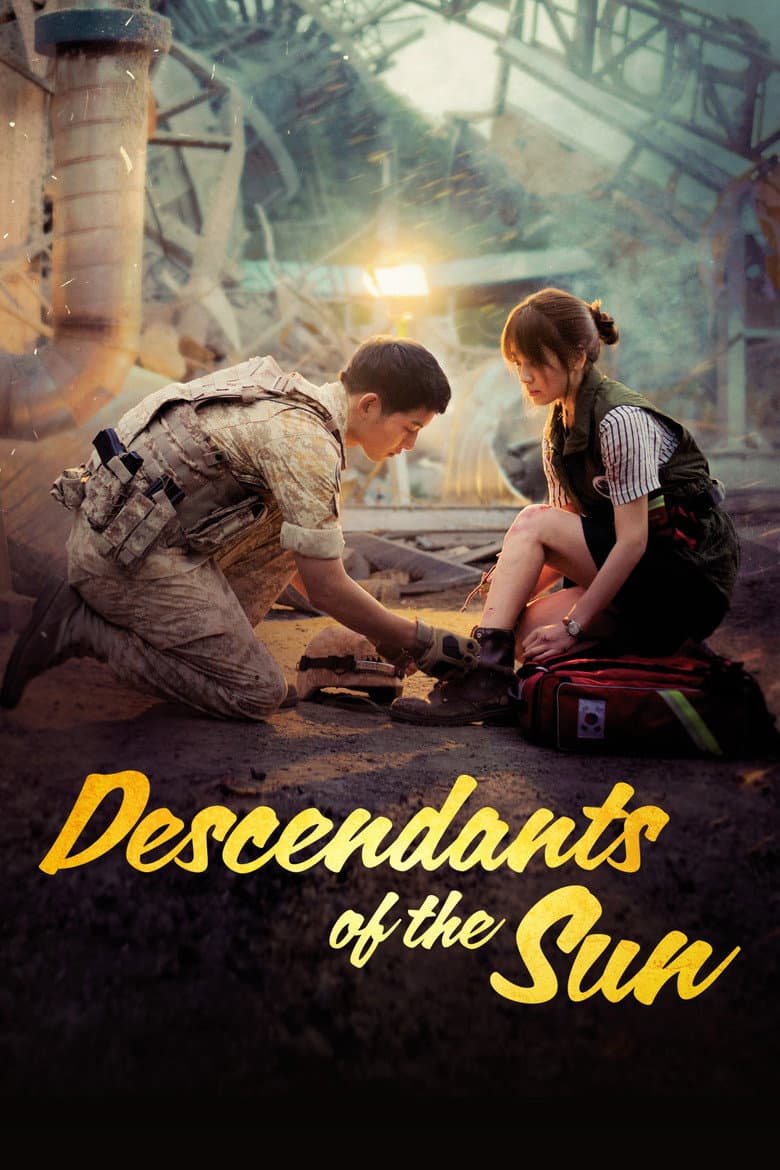
After a chance meeting in a hospital, an ardent soldier falls for a gifted surgeon. Opposing philosophies tear them apart, but fate has other plans.
TV Show · 2017
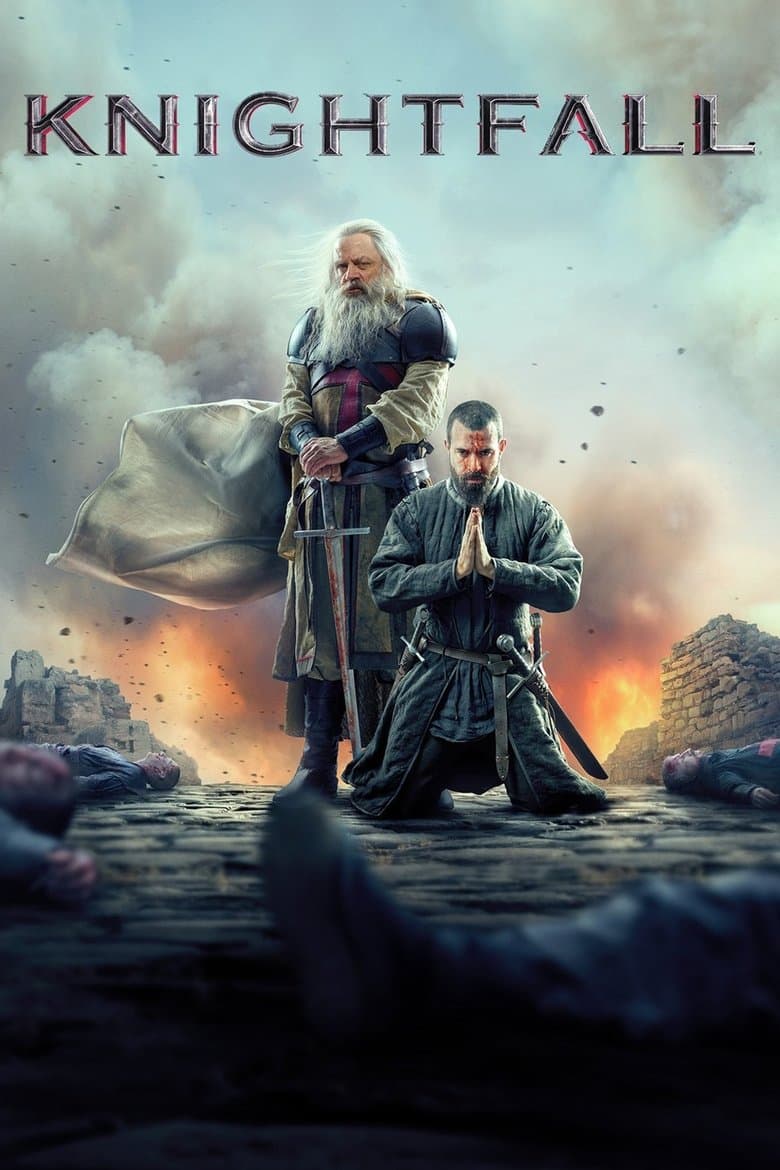
Go deep into the clandestine world of the legendary brotherhood of warrior monks known as The Knights Templar.
TV Show · 2025
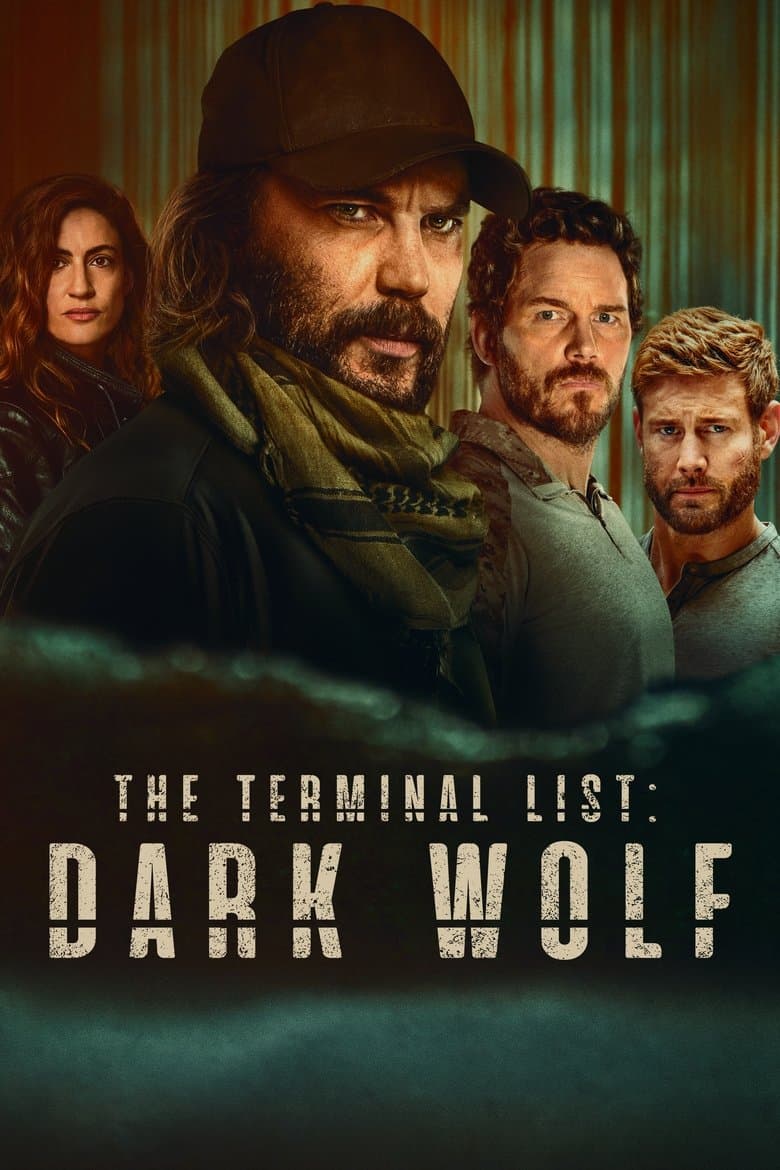
Before The Terminal List, Navy SEAL Ben Edwards finds himself entangled in the black operations side of the CIA.
