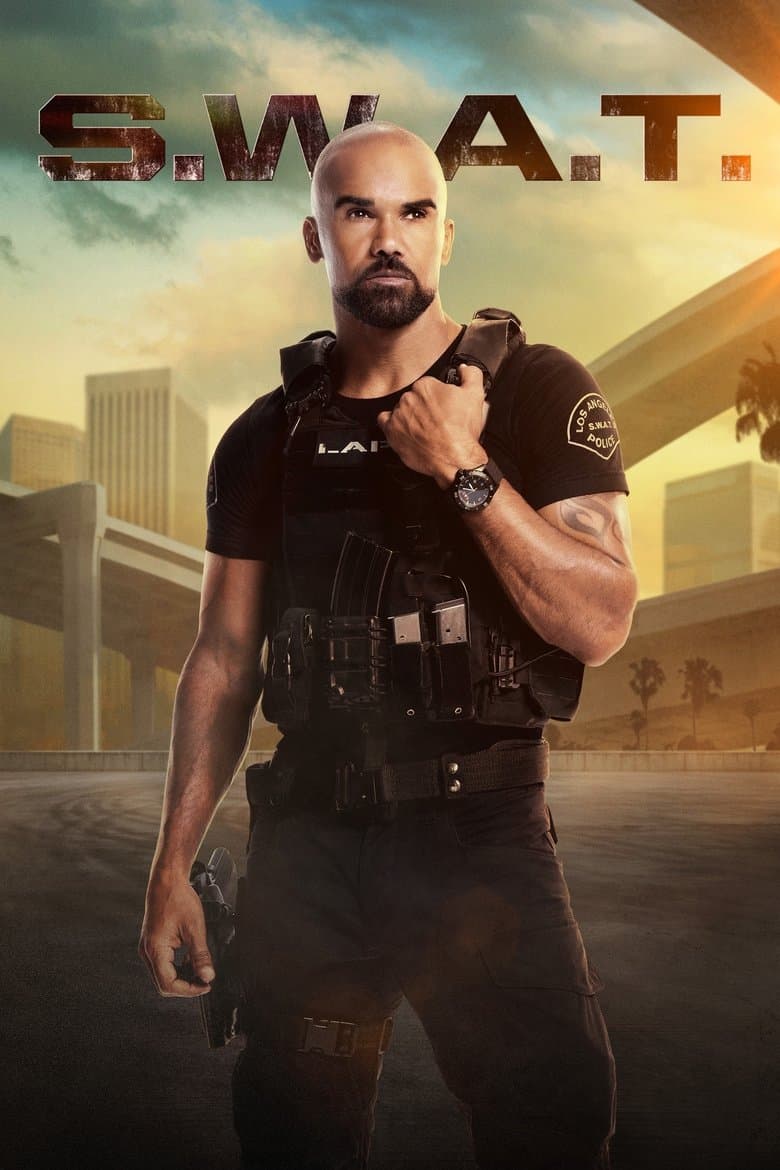
Started November 2, 2017 · Canceled · Based on 8 seasons, 163 episodes through May 16, 2025 · TV-14
S.W.A.T. is a CBS police procedural that follows Sergeant Daniel "Hondo" Harrelson, a black LAPD SWAT leader from South Los Angeles, and his elite tactical team as they handle high-stakes cases over eight seasons from 2017 to 2025. The premise centers on Hondo straddling loyalty to his community and his fellow officers, with the pilot launching after a white sergeant's shooting of an unarmed black teenager sparks racial tensions. The show features a visibly diverse main cast, including a prominent bisexual female SWAT officer with dedicated personal storylines on identity and relationships, plus recurring episodes that address police-community relations, racial injustice, and events tied to the Black Lives Matter movement, especially in season 4 and later.
Community feedback
Was our 70% Woke rating accurate?
Breakdown
These are the editorial factors and ratings behind our score for S.W.A.T..
Woke representation / casting
Prominent diverse main cast features black lead Hondo whose racial background and community ties drive the central premise and pilot after an unarmed black teen shooting; Latina bisexual officer Chris in a core tactical role with visible identity storylines and advocacy; Asian officer and women in leadership/tactical positions. Launch coverage and Moore's comments tied the inclusive ensemble to diversity priorities amid network scrutiny; representation is audience-visible and emphasized rather than incidental.
55%
Woke political dialogue
Explicit discussions of race relations, police accountability, community tensions, BLM-era events, and LGBTQ issues appear in key episodes and arcs (e.g., Chris at a queer rights rally and personal poly relationship negotiations). Characters voice perspectives on systemic problems and bridging divides. These elements layer onto standard procedural plots rather than dominating every episode, but they are direct and noticeable, especially in season 1 setup and season 4+ real-world references.
40%
Identity-driven story themes
Core premise is built around Hondo's black identity and South LA roots creating divided loyalties between streets and police, with racial tensions launching the series. Chris's bisexual identity and polyamorous arc receive dedicated personal development and advocacy moments. Multiple episodes center identity-based conflicts or community perspectives. Identity elements are structural and recurring alongside action cases, with later seasons amplifying contemporary ties.
45%
Western institutional / cultural critique
The series repeatedly examines LAPD and policing institutions through racial bias, use-of-force incidents, community distrust, and internal politics. The pilot ties directly to these tensions; season 4 and beyond incorporate explicit BLM protests, George Floyd references, and calls to address injustices, with EPs stating intent to "do better" on race and policing in minority communities. It portrays officers working to improve relations within a flawed system, but the institutional and race-focused critique is prominent and linked to modern activist-era events.
50%
Woke character or canon changes
The reboot reimagines Hondo Harrelson with a black lead (original 1975 series starred white actor Steve Forrest). Public coverage, Moore's statements, and producer comments frame the casting and diverse ensemble as addressing contemporary diversity, race issues in media, and policing optics. It is not a rigid canon swap of a deeply detailed legacy character, but the identity-driven recasting and emphasis align with representation priorities at launch.
30%
Anti-woke backlash and complaints
Viewer criticism on IMDb, Reddit, X, and reviews calls out political correctness, preachy social messaging, "woke" elements, and occasional anti-policing tones, especially post-season 3 or 4. Some directly reference Moore's diversity advocacy and "stay woke" comments or specific episodes pushing issues. Complaints treat the show as injecting identity or left-leaning content into a cop procedural; backlash is consistent among a segment of fans but scattered rather than a dominant national flashpoint.
35%
Creator track record context
Cached low scores for Thomas (9/100) and Ryan (13/100) reflect mainstream procedural and gritty drama focus with limited activist patterns. Niceole R. Levy has prior work on racial justice and historical overcoming-barriers stories. Star/producer Shemar Moore has publicly championed the show's diversity, criticized network lack of black leads, and described efforts to address real issues like BLM while "staying woke and relevant." The team shows a pattern of adding social relevance to cop dramas, stronger in later seasons, rather than dominant identity or activist output overall.
28%
Production
TV Show · 2023
What if you lost your memory? What if a spy didn't know they were a spy? Years ago, the top agents of Citadel, Mason Kane and Nadia Sinh, had their minds wiped.
TV Show · 2016
The story of Mac Conway, a Marine who returns home to Memphis from Vietnam in 1972 and finds himself shunned by those he loves and demonized by the public.
TV Show · 2017
Go deep into the clandestine world of the legendary brotherhood of warrior monks known as The Knights Templar.
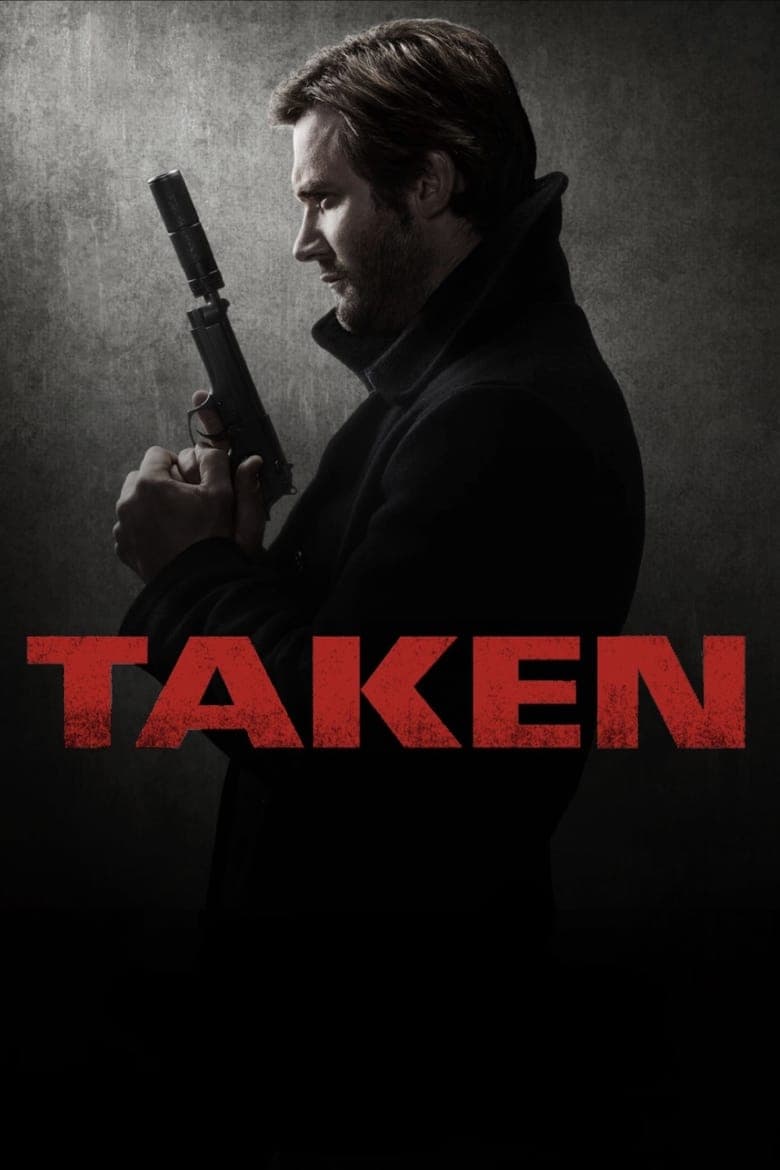
TV Show · 2017
The origin story of younger, hungrier, former Green Beret Bryan Mills as he deals with a personal tragedy that shakes his world.
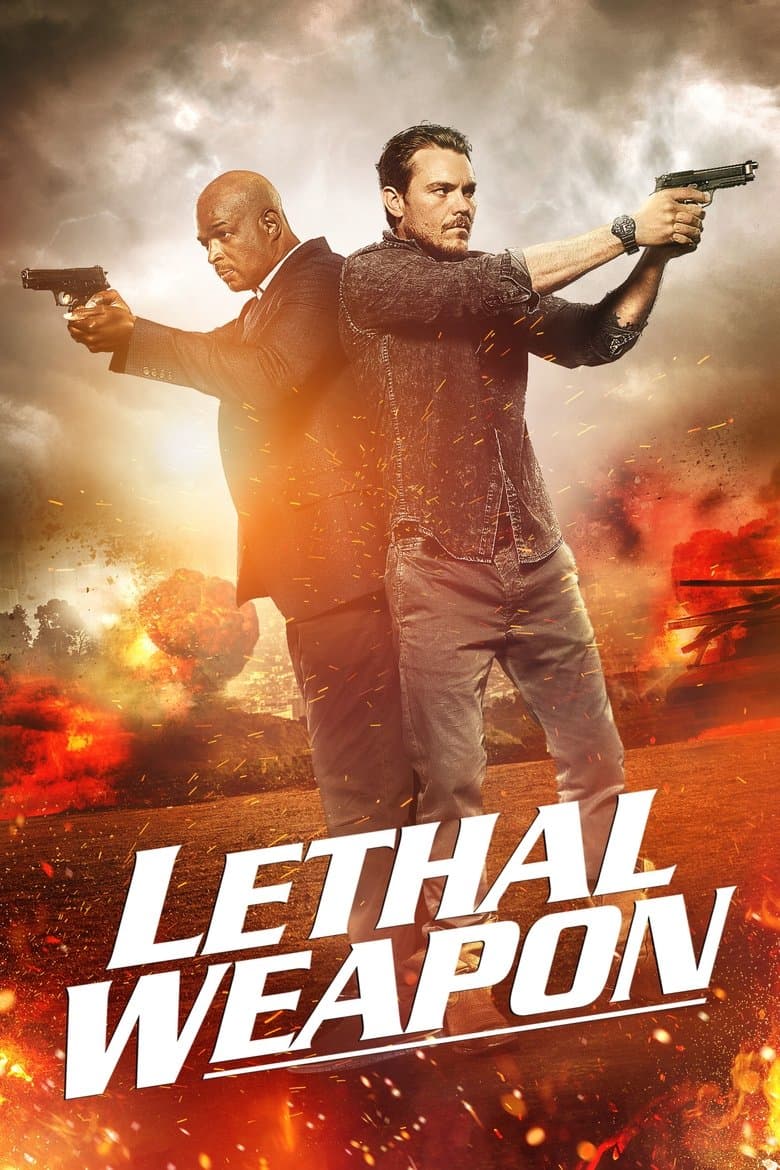
TV Show · 2016
A slightly unhinged former Navy SEAL lands a job as a police officer in Los Angeles where he's partnered with a veteran detective trying to keep maintain a low stress level in his…
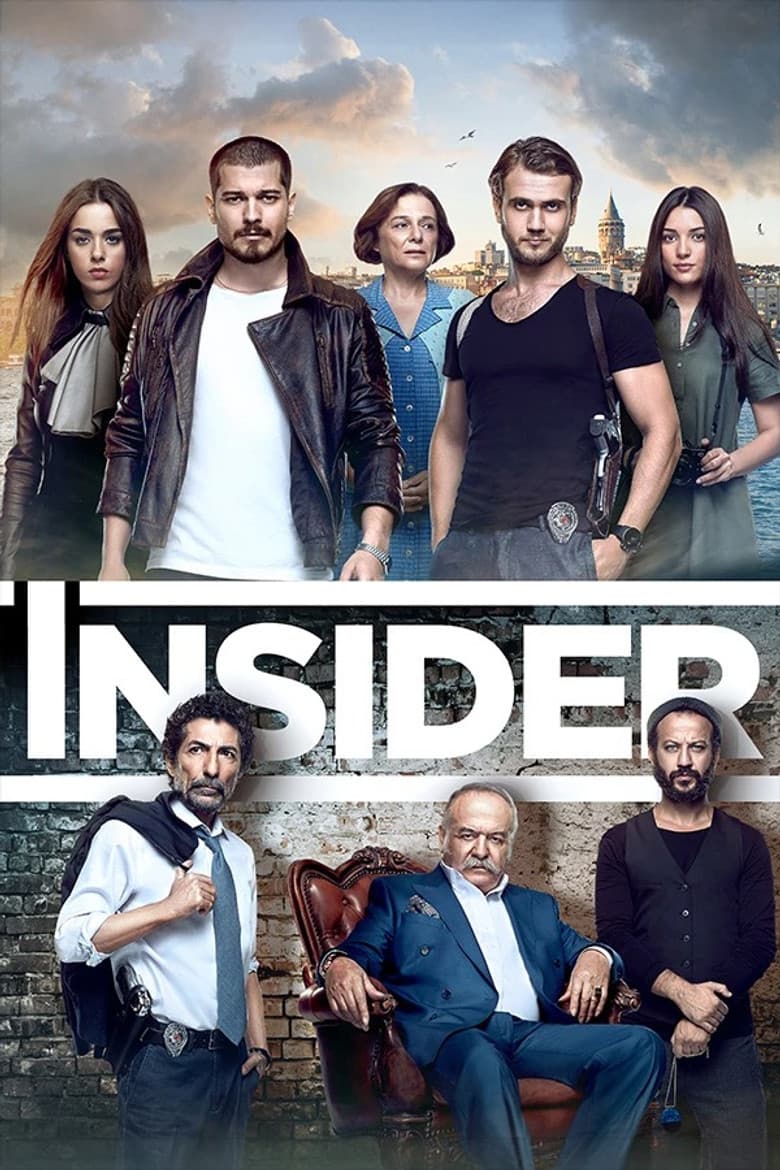
TV Show · 2016
Even though two brothers are completely separated from each other after the imprisoning of their father and the kidnapping of their twin brother, they meet by coincidence years…
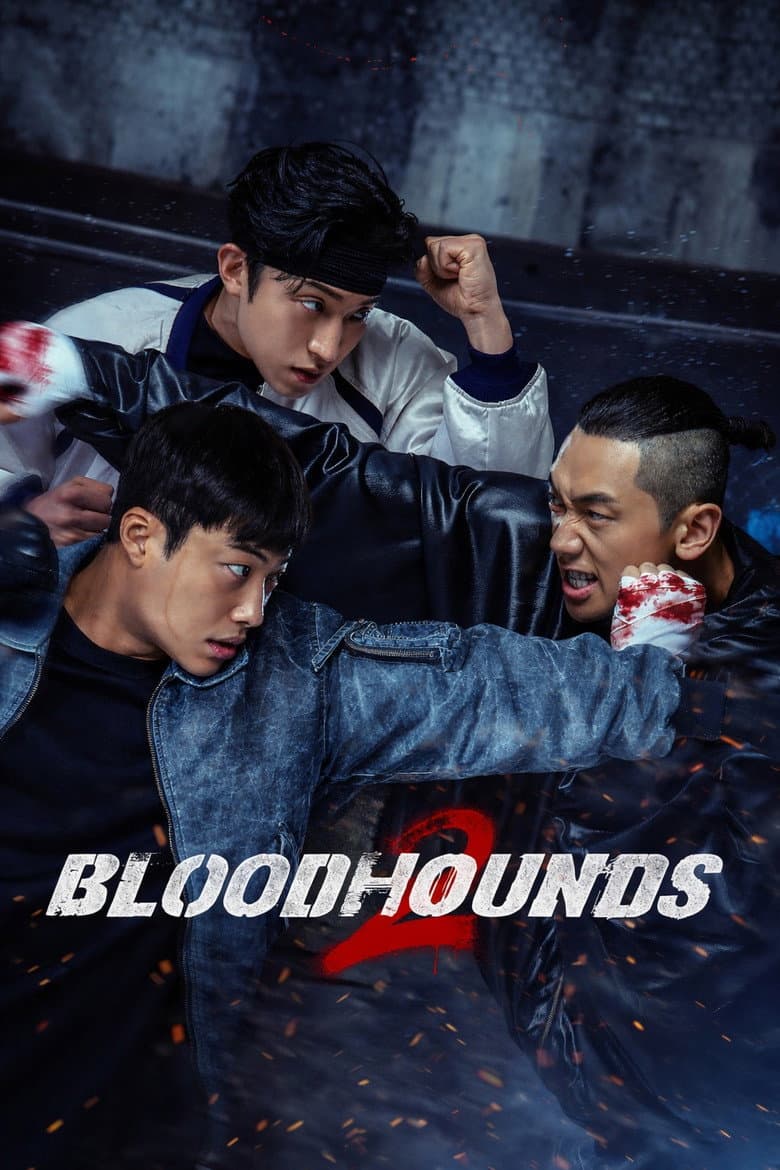
TV Show · 2023
Faced with ruthless foes with a violent thirst, two young boxers band together — risking life and limb to bring justice and protect their loved ones.
TV Show · 2016
After a chance meeting in a hospital, an ardent soldier falls for a gifted surgeon. Opposing philosophies tear them apart, but fate has other plans.
