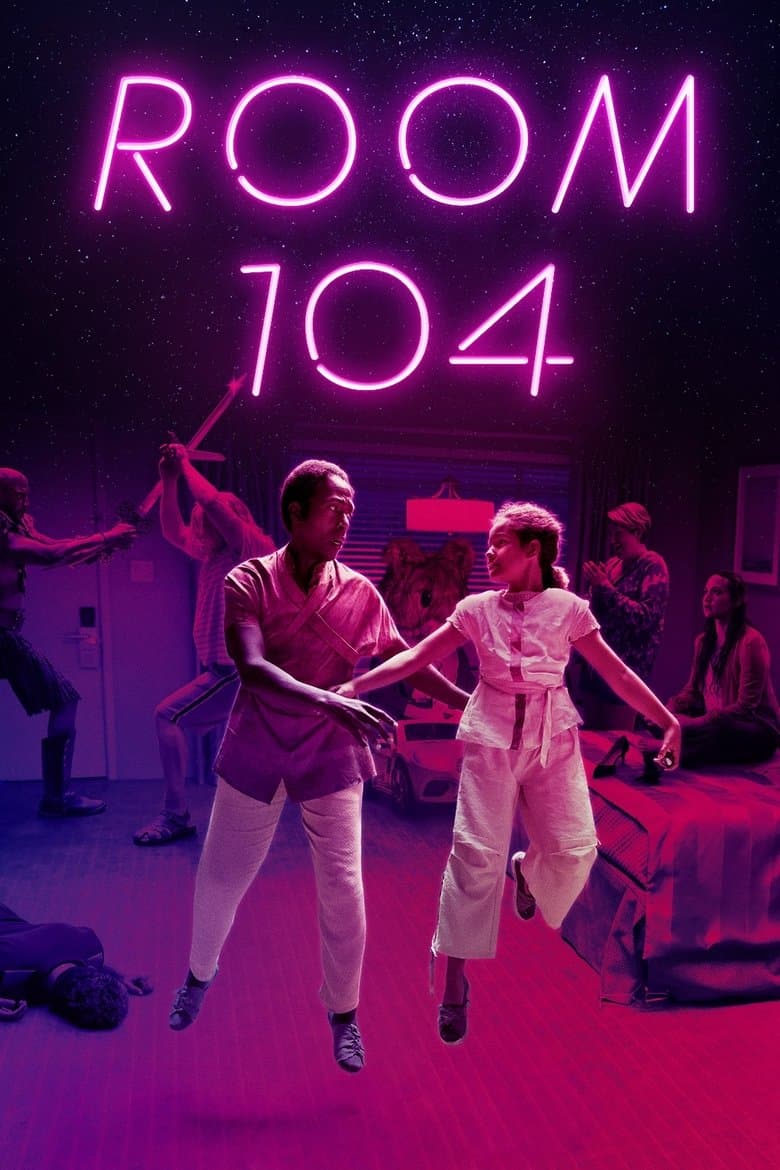
Started July 28, 2017 · Canceled · Based on 4 seasons, 48 episodes through October 9, 2020 · TV-MA · 23 min
Room 104 is an anthology show set entirely inside a single motel room, where every episode features different guests and genres. The show contains several episodes with prominent, audience-visible social justice and identity-driven themes. This includes stories about gay Mormon missionaries coming out, feminist metaphors criticizing toxic masculinity, and characters debating sexual consent through a gender-studies lens. While many episodes are standard character studies, progressive representation and feminist messaging are clearly emphasized in several key episodes.
Community feedback
Was our 74% Woke rating accurate?
Breakdown
These are the editorial factors and ratings behind our score for Room 104.
Woke representation / casting
An anthology series with a shifting cast of diverse actors. While many roles are ordinary character studies, the creators explicitly used the show to boost representation, featuring various people of color, women, and LGBTQ+ characters in central roles. This includes gay Mormon missionaries in 'The Missionaries,' a gay supporting character in 'FOMO,' and famous drag queen Katya Zamolodchikova in 'Swipe Right.' Because LGBTQ+ elements are clearly visible and receive strong industry-standard priority here, this factor is elevated.
60%
Woke political dialogue
As an anthology, most episodes focus on personal drama or sci-fi without political messaging. However, several episodes feature overt activist dialogue. 'Josie and Me' centers on a law and gender-studies student debating feminist ideals and sexual consent. In 'FOMO,' a character's sexuality is debated, with one character strictly criticized for calling homosexuality 'a choice.' 'The Fight' features direct dialogue criticizing a 'male-dominated MMA fight system' that marginalizes female athletes. The presence of these themes and queer topics elevates the dialogue factor.
40%
Identity-driven story themes
Multiple episodes are completely driven by identity politics, feminist theory, and queer themes. 'The Missionaries' is a dedicated coming-out story focusing on gay identity, masturbation, and religious repression. 'Swipe Right' prominently features a drag queen and queer elements. 'Fur' is explicitly framed by its creators as a feminist metaphor dealing with puberty, while 'Bangs' is a self-declared feminist tale of female empowerment. This repeated emphasis on identity-centric storylines and LGBTQ+ themes makes these elements highly prominent across the series.
65%
Western institutional / cultural critique
The series frequently critiques traditional Western structures, religion, and gender norms. 'The Missionaries' presents Mormonism and religious devotion as repressive forces that stifle natural gay desires. 'Fur' targets traditional masculine archetypes, turning an athletic, popular high school boy into a monstrous representation of 'toxic masculinity' and predatory behavior. 'Josie and Me' frames college frat culture as inherently dangerous and patriarchal, while 'The Fight' critiques male-controlled athletic industries. These narratives consistently align with modern social-justice critiques.
55%
Woke character or canon changes
Not present in this title.
0%
Anti-woke backlash and complaints
Because the show was a niche, late-night anthology series, it did not face major mainstream political backlash. However, some online viewers and critics noted that certain episodes felt heavy-handed, 'too preachy,' or 'too woke' when tackling gender politics and feminist issues. For instance, some found the #MeToo and sexual assault themes in season finales and feminist-driven episodes to be overly blunt, though this criticism remained confined to minor online comments and forum discussions.
20%
Creator track record context
While creators Mark and Jay Duplass have very low activist track records, they actively used this anthology as a platform to elevate progressive and underrepresented filmmakers. They brought in highly activist-leaning writers and directors, including Natalie Morales, Gaby Hoffmann, Josephine Decker, Megan Griffiths, and Esti Giordani. These creatives have prominent histories of exploring queer, feminist, and social-justice themes. This deliberate choice to cede creative control to activist filmmakers heavily shapes the show's overall creator context.
48%
Production
TV Show · 2023
A disgraced cop in debt is forced to return to his home state of Florida for a shady mission only to get swept up in a wild — and deadly — treasure hunt.
TV Show · 2026
The mayor of a New England town resolves to turn it into the next tourist hot spot, despite local warnings that it's cursed.
TV Show · 2026
The dynamic between the two contrasting personalities, a seasoned cop who prefers old-school methods and a tech-savvy cop who relies on modern technology for investigations, as…
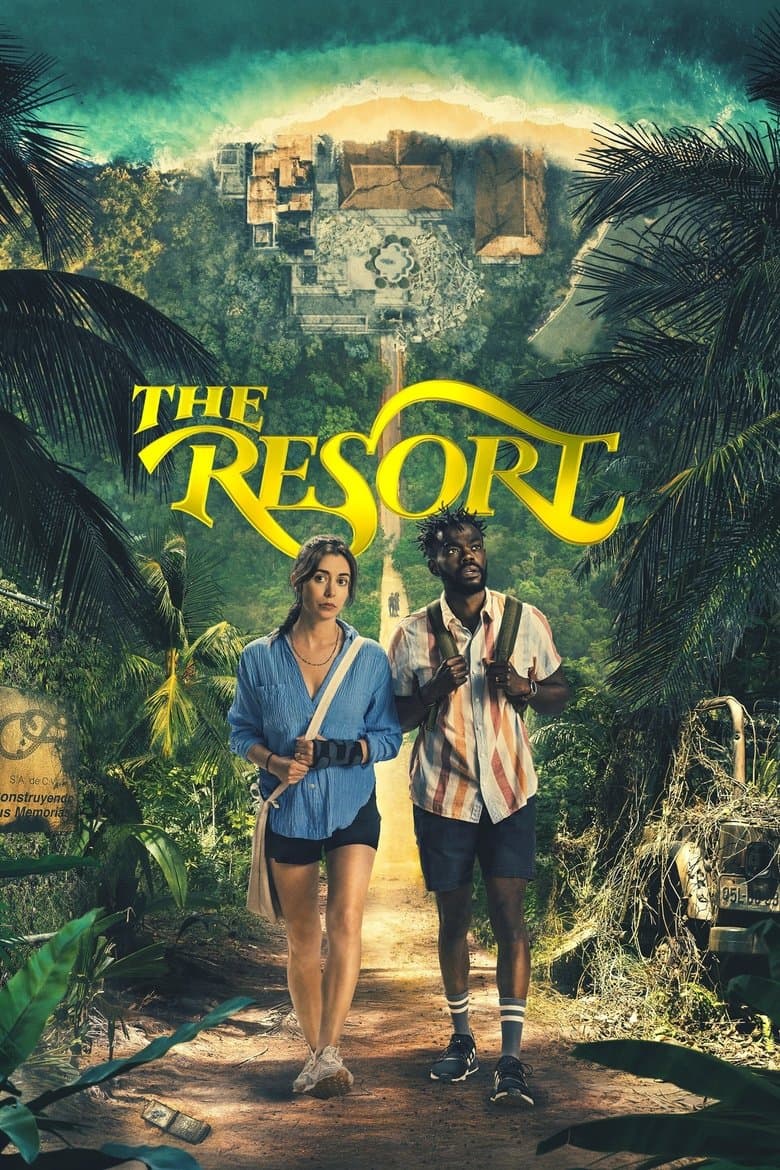
TV Show · 2022
An anniversary trip puts a marriage to the test when a couple finds themselves embroiled in one of Yucatan's most bizarre unsolved mysteries.
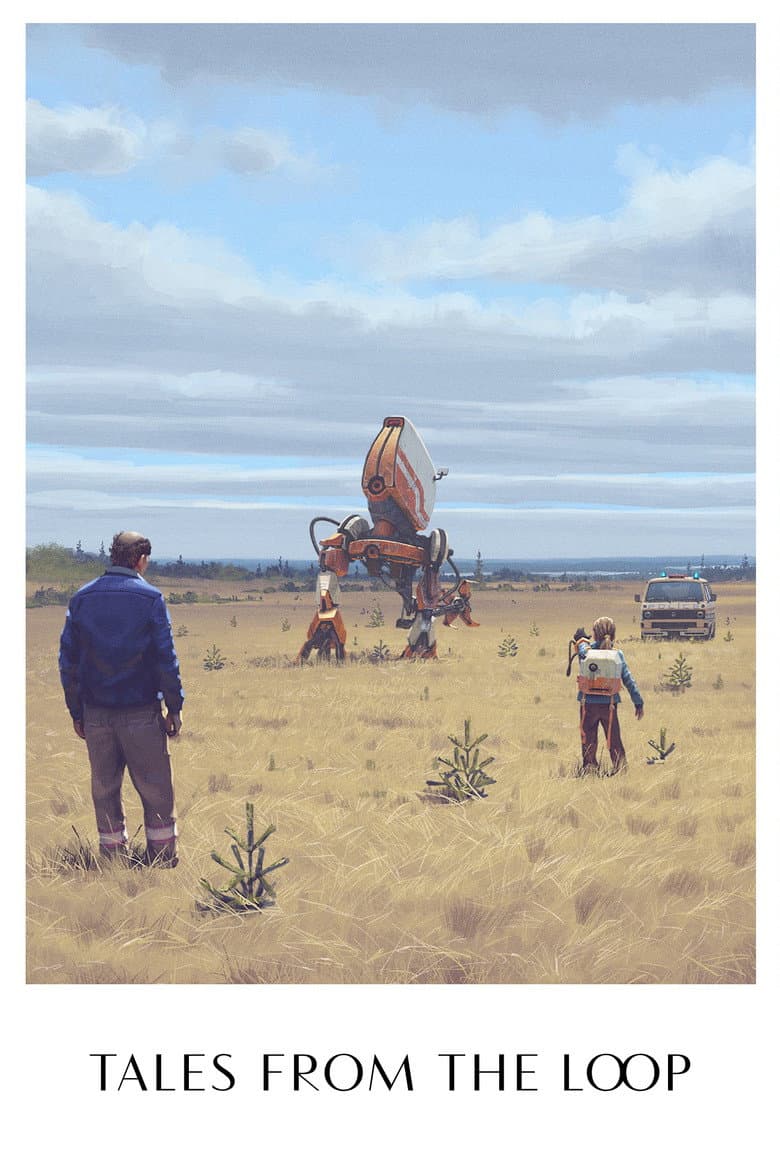
TV Show · 2020
The story of the town and people who live above “The Loop,” a machine built to unlock and explore the mysteries of the universe – making things possible that were previously…
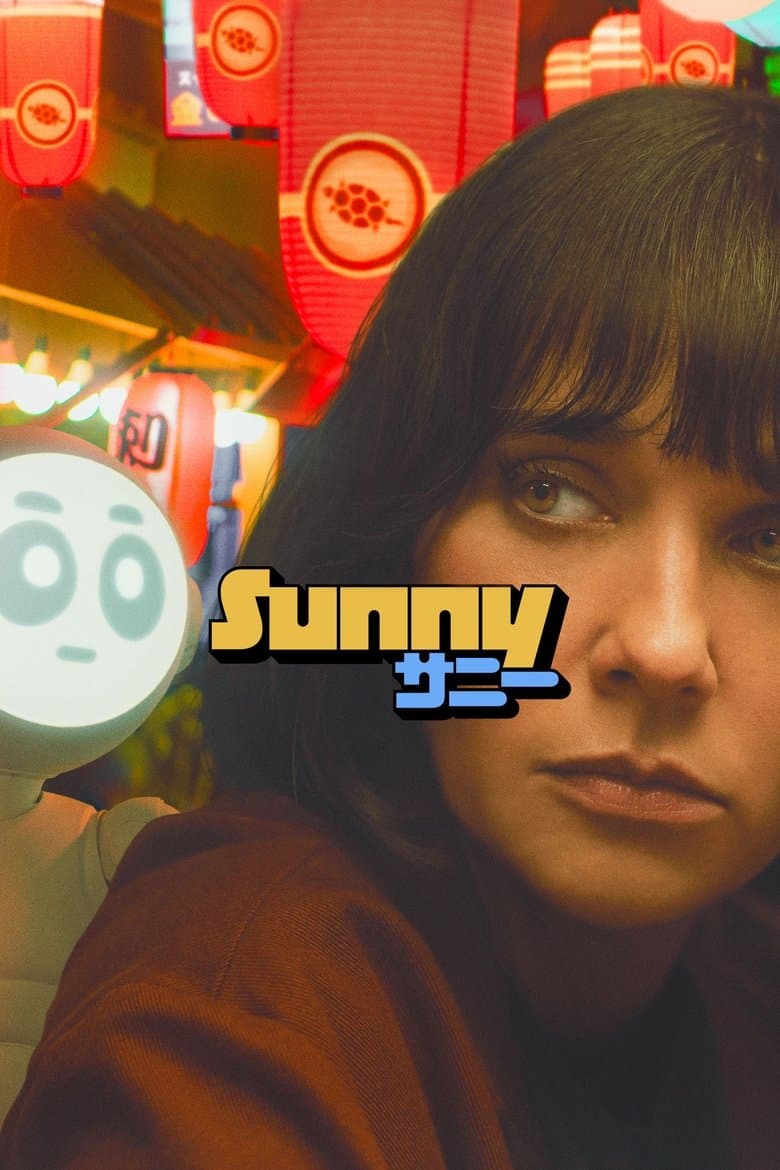
TV Show · 2024
The life of an American woman living in Kyoto, Japan, is upended when her husband and son disappear in a mysterious plane crash.
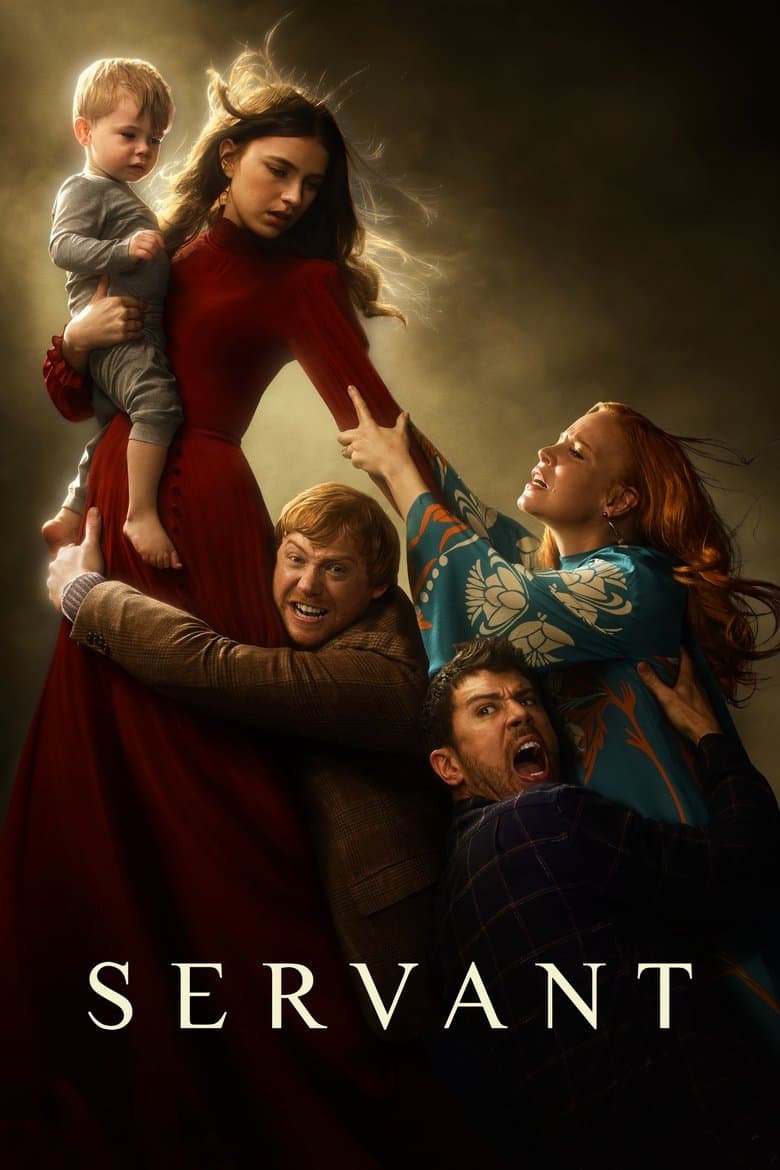
TV Show · 2019
A Philadelphia couple are in mourning after an unspeakable tragedy creates a rift in their marriage and opens the door for a mysterious force to enter their home.
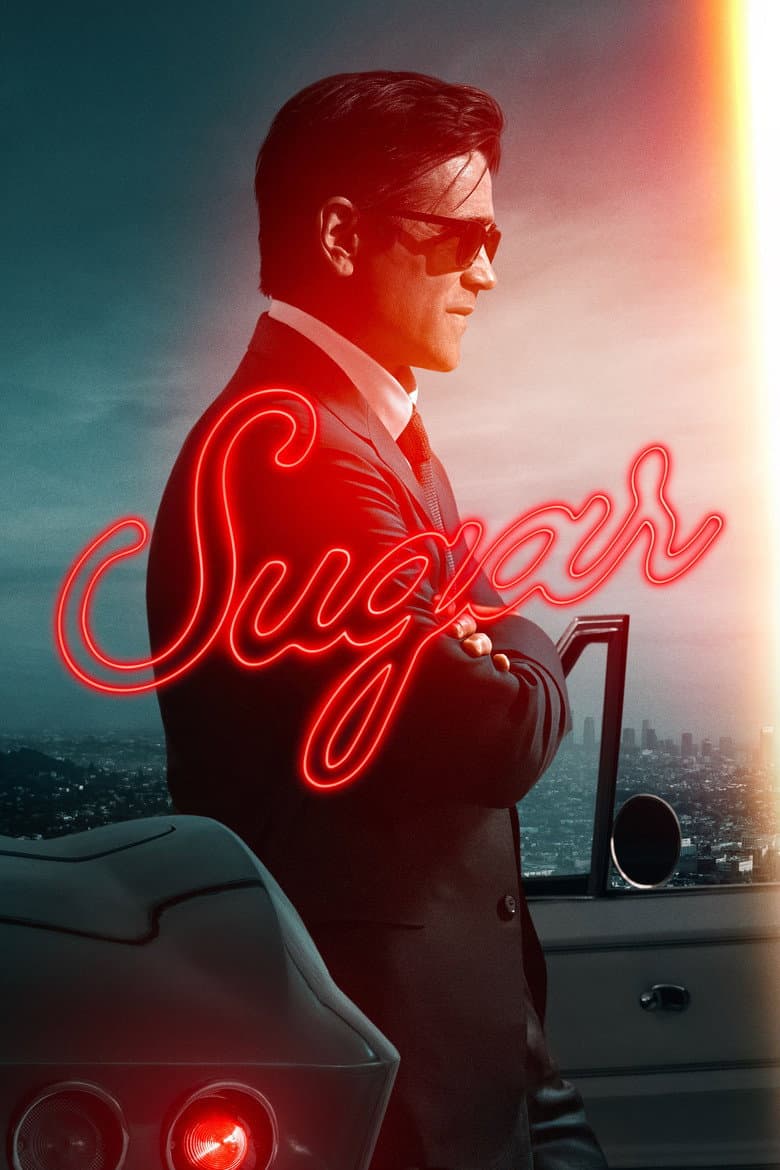
TV Show · 2024
John Sugar is a dashing private eye navigating the dark corners of sunny LA. Though he sees only the good in humanity, Sugar is haunted by a secret too dangerous to expose.
