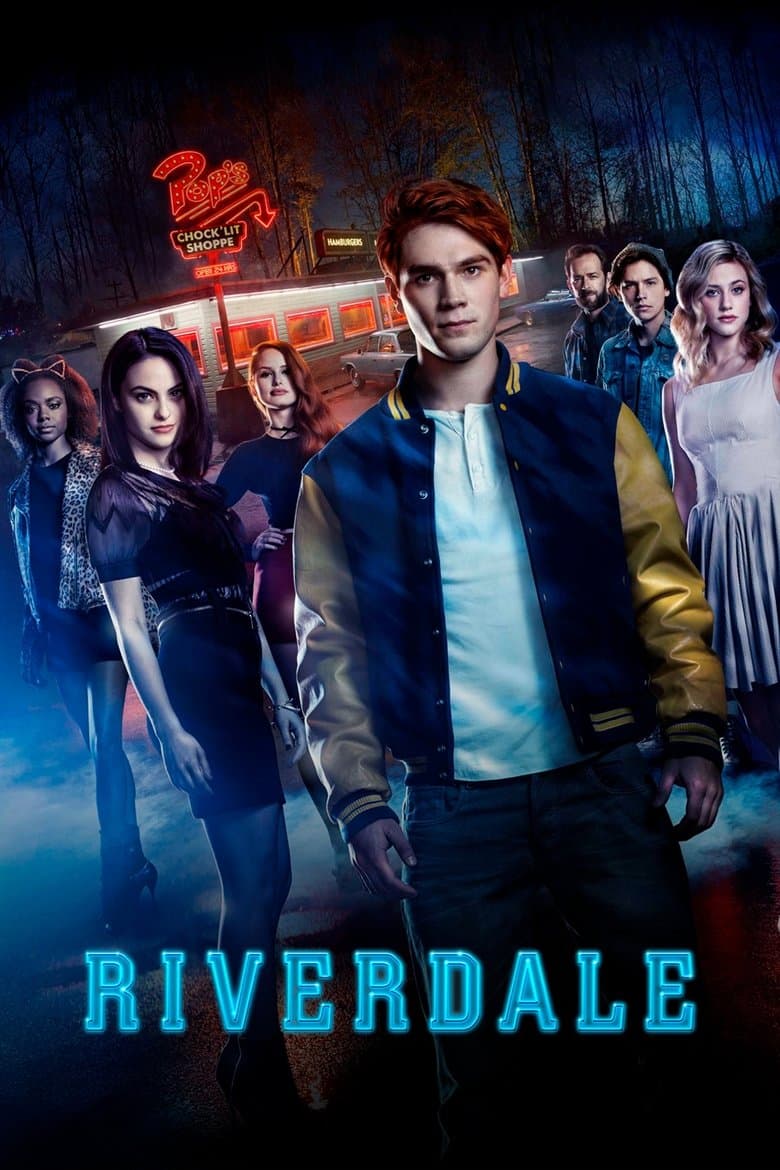
Started January 26, 2017 · Ended · Based on 7 seasons, 137 episodes through August 23, 2023 · TV-14 · 45 min
Riverdale is a dark and campy TV remake of Archie Comics that ran for seven seasons. It follows teens in a small town as murder mysteries, cults, and wild supernatural plots take over their lives. Early seasons play like a genre soap with heavy drama. Later seasons grow stranger and push bigger twists, including a full reboot into a 1950s high school setting. The series keeps mixing teen soap chaos with darker social storylines.
The show steadily centers mixed casting, feminist teen drama, and multi-season LGBTQ arcs that stay easy for viewers to see. Early seasons include plots about rape culture and female solidarity. The final season makes racism, sexism, and homophobia clear engines of the story. Several series regulars have gay, lesbian, or bisexual arcs, and legacy comic characters are recast or rewritten with new identities. The showrunner framed the last season’s main enemy as repressive mid-century American society itself.
Community feedback
Was our 89% Woke rating accurate?
Breakdown
These are the editorial factors and ratings behind our score for Riverdale.
Woke representation / casting
The small-town setting can support a mixed cast, but the show deliberately race-recast legacy figures and built a diverse ensemble. Several series regulars have clear queer roles that viewers can see. Inclusive casting choices and identity-forward casting statements push this past background diversity alone.
56%
Woke political dialogue
Feminist talk about slut-shaming, sexual assault, and female solidarity runs through the series. Season 7 adds clear lines about racism, integration, and justice, plus hard-to-miss homophobia and repression dialogue. Not every episode is a speech, but the political lines are clear and get stronger late.
50%
Identity-driven story themes
LGBTQ identity is a major story pillar across Kevin, Cheryl, Toni, Moose, Fangs, and Season 7 interracial queer couples. Feminist reworking of Betty and Veronica and themes of patriarchal violence add more weight. Queer material sits front and center for much of the run.
76%
Western institutional / cultural critique
The show frames small-town wholesomeness, patriarchal power, rape culture, and 1950s conformity as social enemies. Season 7 treats mid-century sexism, racism, and homophobia as the main threat, which the showrunner called society itself. Class satire and corrupt rich villains are milder secondary signals.
60%
Woke character or canon changes
Cheryl becomes lesbian relative to classic comics, Josie is race-swapped to Black, and Veronica is rewritten as Latina. Moose is bisexual or gay rather than a default straight jock, and expanded queer relationships are prioritized. These identity-first shifts are substantial and public.
70%
Anti-woke backlash and complaints
Some right-leaning and anti-woke posts call the show too woke, too gay, or wrong for changing Moose. The complaints are real but stay mostly online and scattered. There was no large, sustained mainstream culture-war campaign.
22%
Creator track record context
The showrunner expanded queer Archie on screen, and several writers, directors, and casting leads lean progressive or inclusive. Other producers score much lower. Overall the creative bench is moderately elevated, not extreme.
50%
Production
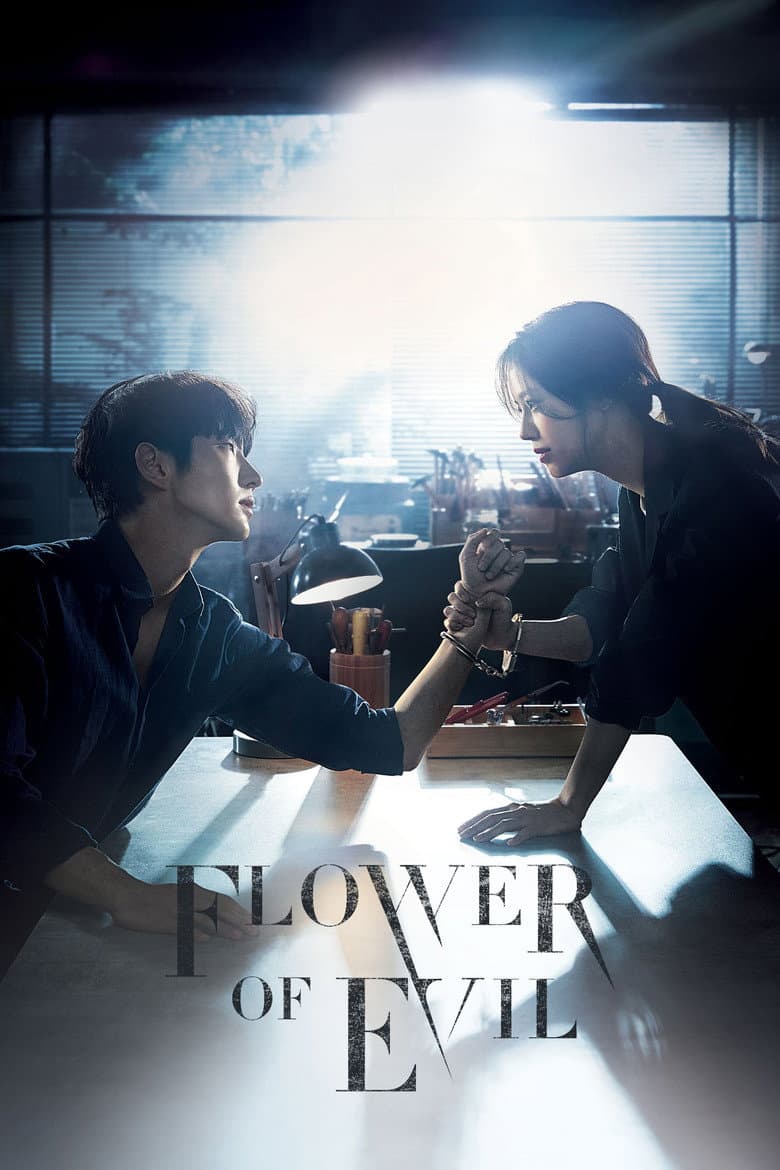
TV Show · 2020
Hiding a twisted past, a man maintains his facade as the perfect husband to his detective wife — until she begins investigating a series of murders.
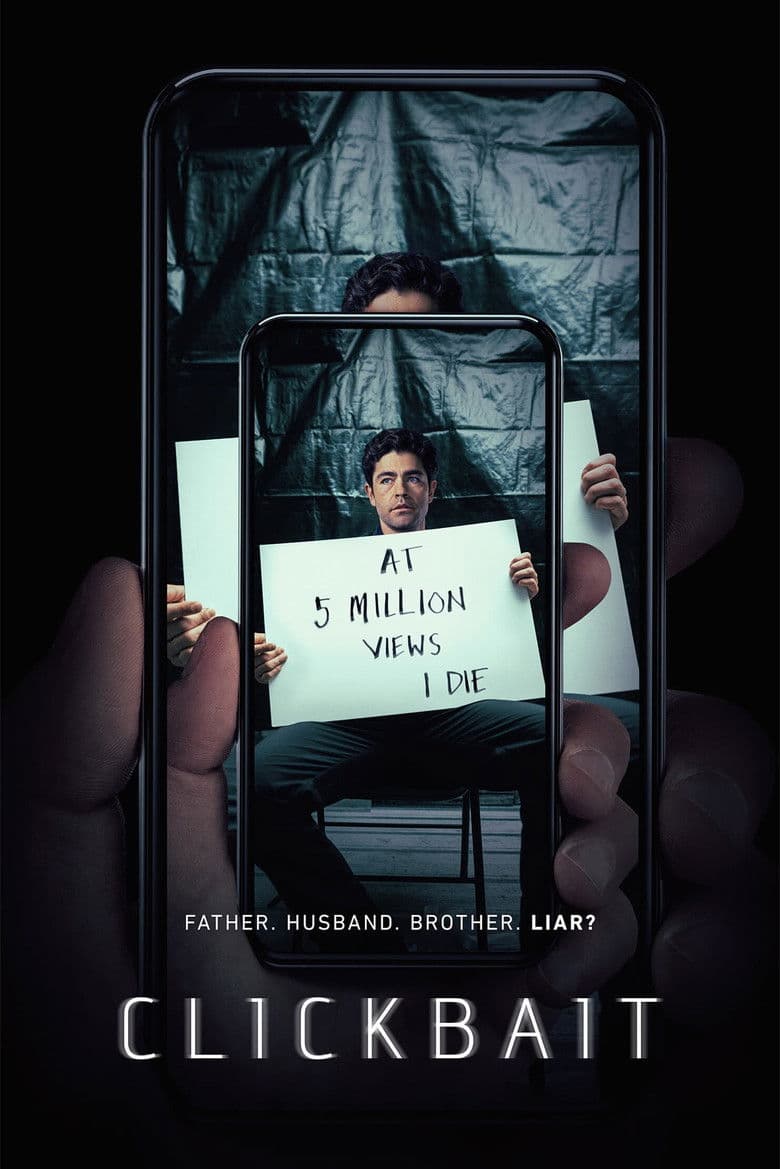
TV Show · 2021
When family man Nick Brewer is abducted in a crime with a sinister online twist, those closest to him race to uncover who is behind it and why.

TV Show · 2024
A rising politician and his mute wife's tense marriage begins to unravel after a call from a kidnapper turns their lives upside down.
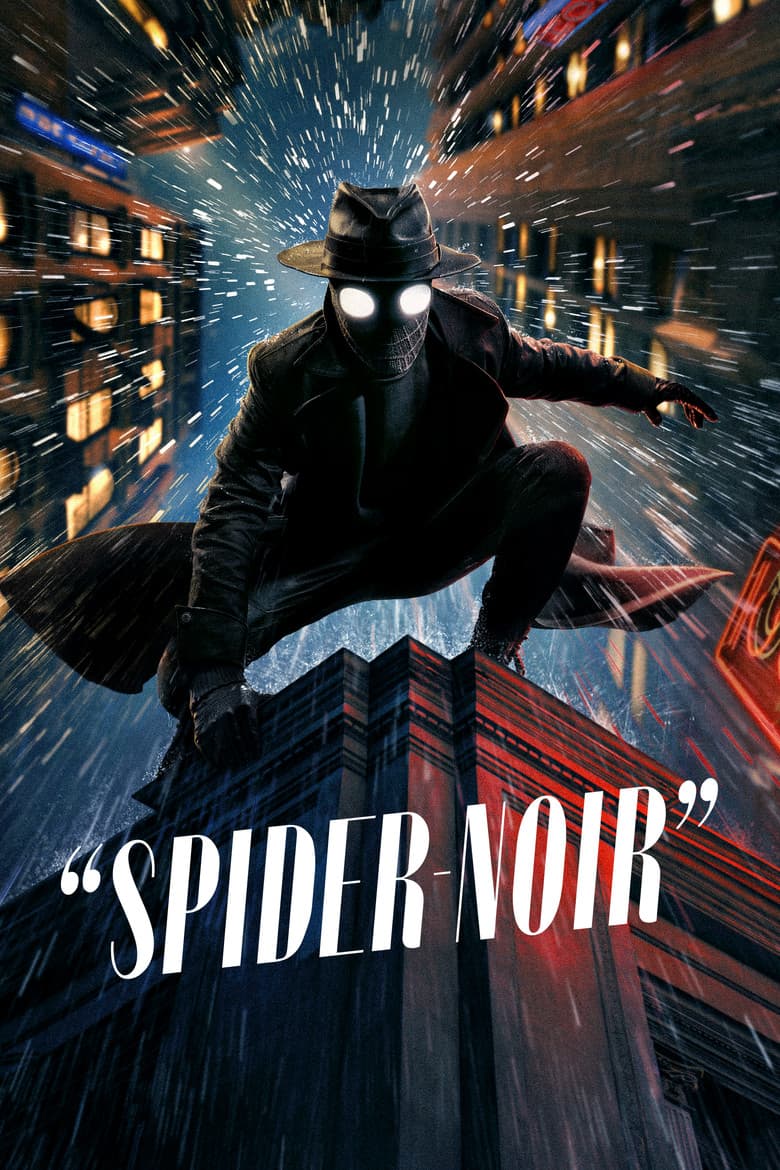
TV Show · 2026
Ben Reilly, an aging and down on his luck private investigator in 1930s New York, is forced to grapple with his past life as the city's one and only superhero.
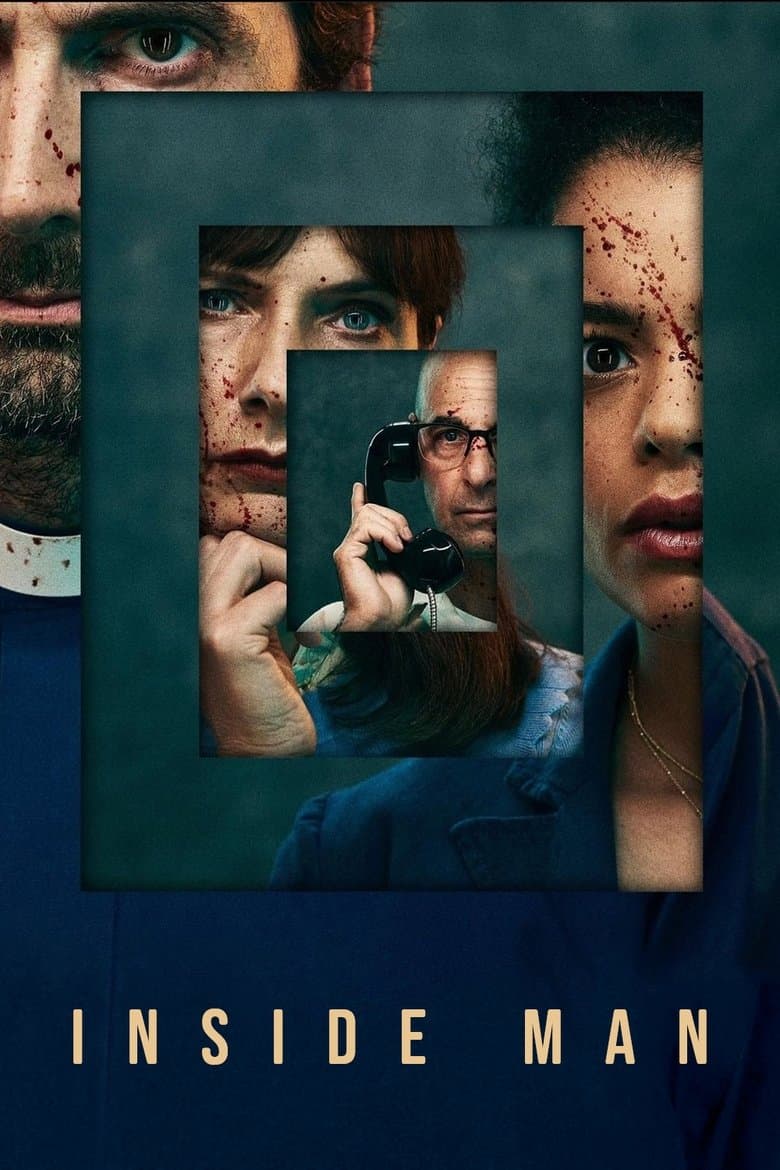
TV Show · 2022
A prisoner on death row in the US, a vicar in a quiet English town, and a maths teacher trapped in a cellar cross paths in the most unexpected way.
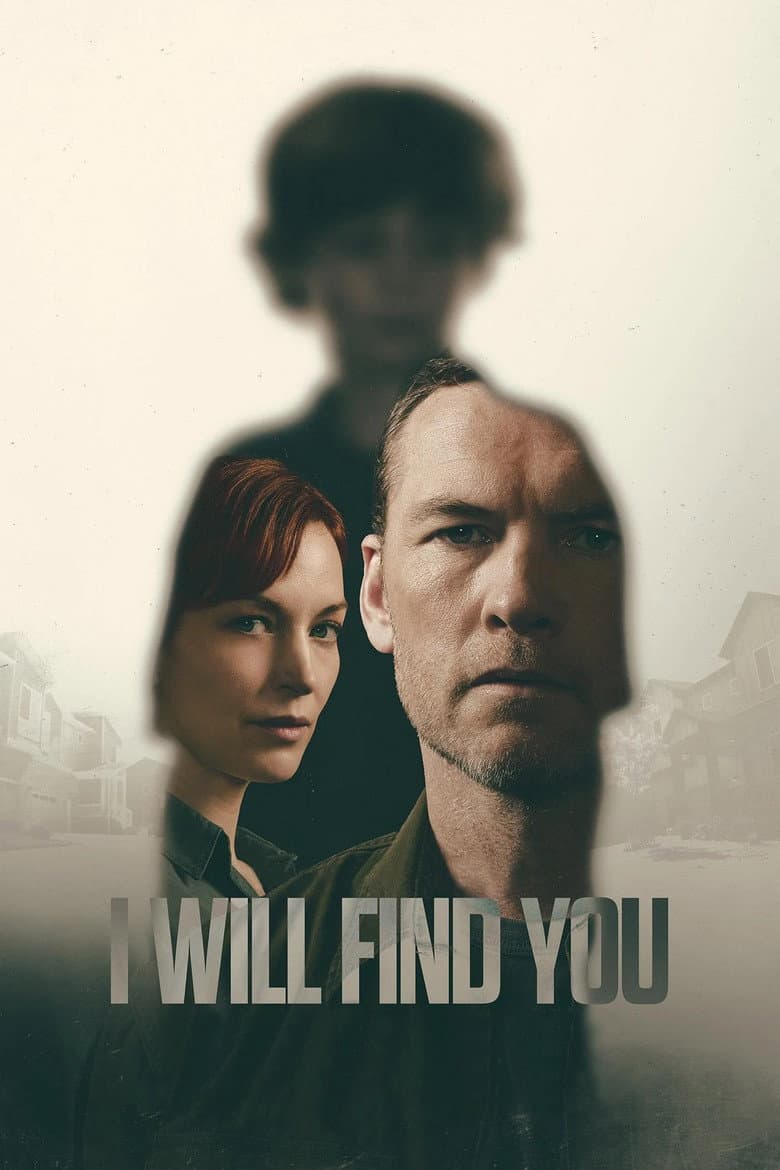
TV Show · 2026
Wrongfully imprisoned for murdering his own son, a father sets out on a desperate rescue mission after learning the boy may still be alive.
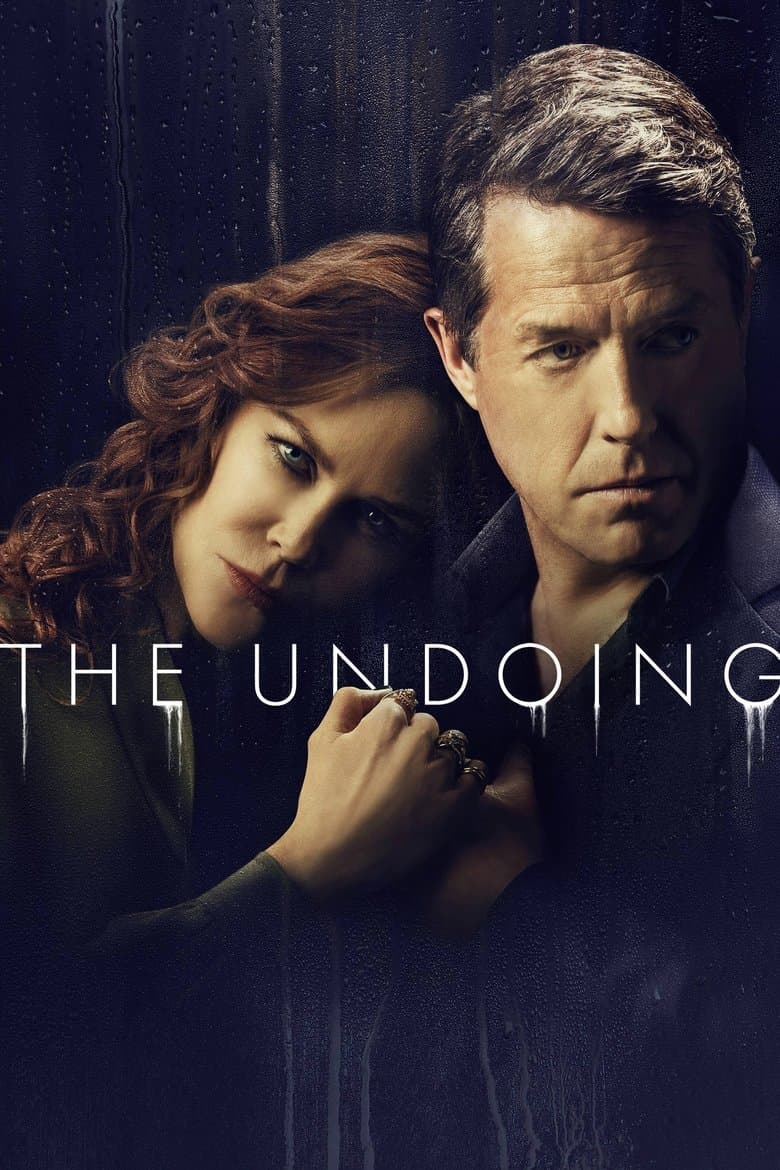
TV Show · 2020
Grace and Jonathan Fraser are living the only lives they ever wanted. Overnight a chasm opens in their lives: a violent death and a chain of terrible revelations.
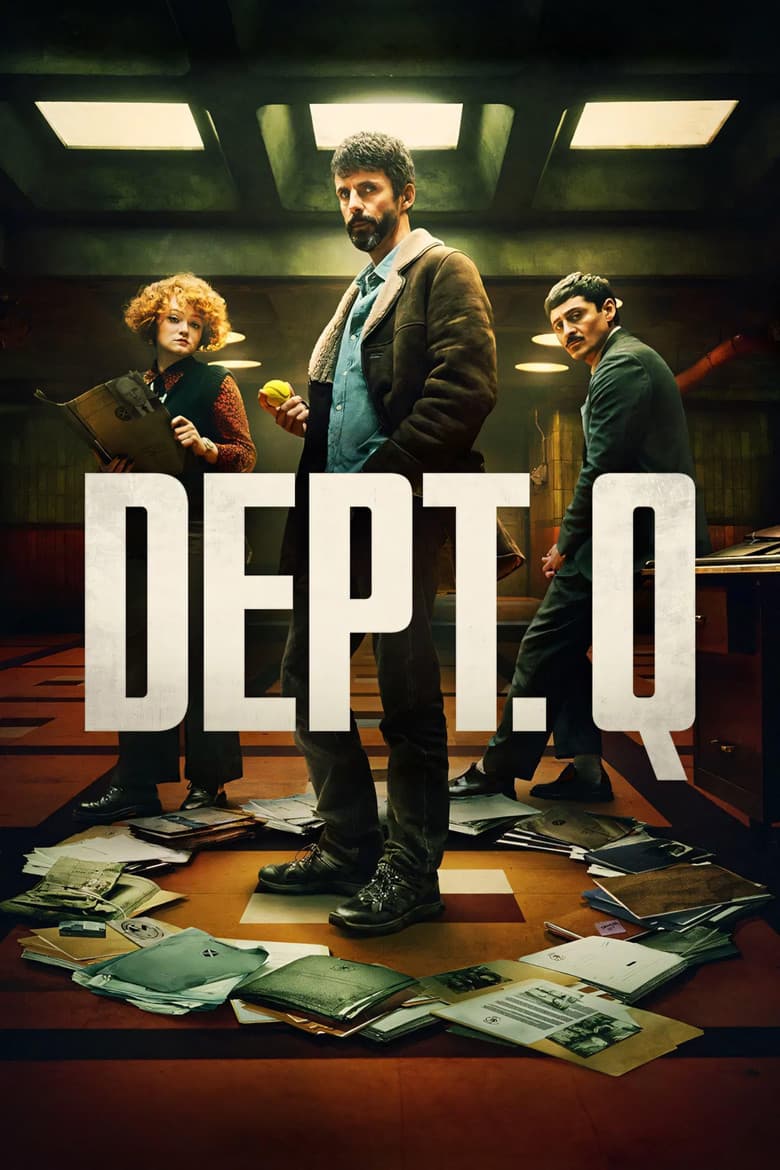
TV Show · 2025
A brash but brilliant cop becomes head of a new police department, where he leads an unlikely team of misfits in solving Edinburgh's cold cases.
